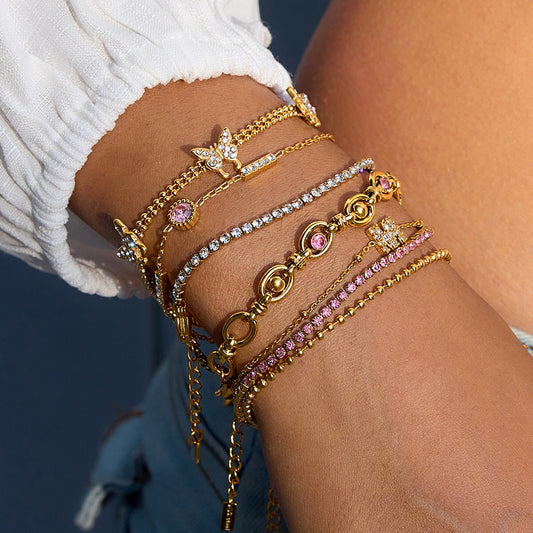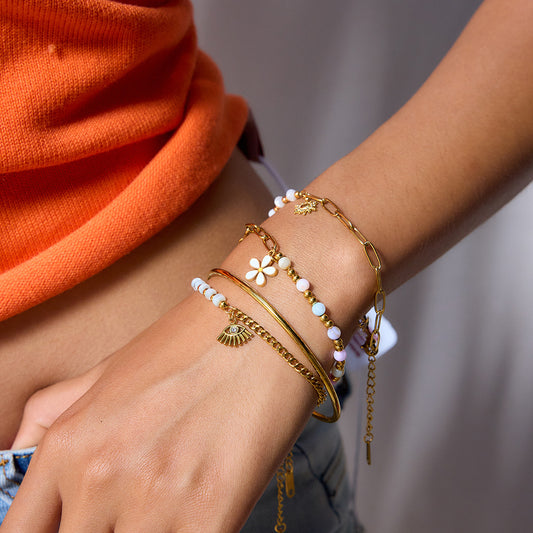




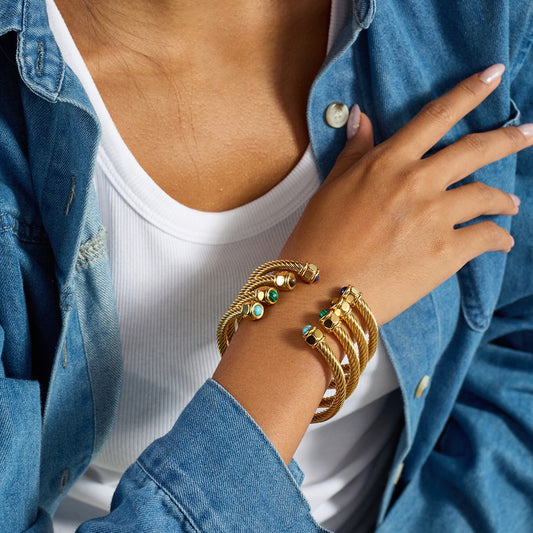

Whether you’re shopping for a sleek watch, a dainty bracelet, or a meaningful charm, knowing how to measure wrist size is the key to avoiding ill-fitting accessories. A bracelet that’s too tight can feel restrictive and cut off circulation, while one that’s too loose risks slipping off and getting lost. The global bracelets beaded jewelry market size was valued at US$ 1611.1 million in 2024 and is estimated to grow at a compound annual growth rate. According to a 2024 survey by a leading jewelry retailer, 68% of customers who returned bracelet or watch purchases cited “incorrect size” as the main reason—easily avoidable with a few simple measurement steps. This guide will walk you through everything you need to know, from gathering the right tools to interpreting your measurements, so you can shop with confidence and get accessories that fit like they were made just for you.

Why Accurate Wrist Measurement Matters
Before diving into the “how,” let’s talk about the “why.” Accurate wrist measurement isn’t just about comfort—it also preserves the lifespan and appearance of your accessories. A watch band that’s too tight can stretch or wear out prematurely, while a loose bracelet may scratch against surfaces or get caught on objects. For personalized pieces, like engraved bracelets or custom watch bands, the wrong size can ruin the design’s proportions. Additionally, if you’re gifting jewelry, getting the size right adds a thoughtful touch that shows you put in the extra effort. Whether for yourself or a loved one, taking 2 minutes to measure correctly saves time, money, and frustration down the line.
Tools You’ll Need to Measure Wrist Size
You don’t need fancy equipment to measure your wrist—chances are, you already have everything you need at home. Here are the most common (and effective) tools:
-
Soft Measuring Tape: The best tool for accuracy, as it’s flexible and conforms to your wrist’s shape. This is the same tape used for sewing or tailoring.
-
String or Ribbon: If you don’t have a measuring tape, a thin, flexible string or ribbon works perfectly. You’ll also need a ruler to measure the length of the string afterward.
-
Paper Strip: A strip of paper (about 1 inch wide) is another budget-friendly alternative. Avoid thick paper, as it won’t bend easily around your wrist.
-
Marker or Pen: To mark the measurement point on string, ribbon, or paper.
-
Ruler: Essential if you’re using string, ribbon, or paper—look for a ruler with both inches and centimeters, as different brands use different units.
Pro tip: Avoid using rigid tools like a metal ruler, as they can’t wrap around your wrist and will give inaccurate readings.

Step-by-Step: How to Measure Wrist Size
Follow these simple steps for precise measurements, whether you’re using a measuring tape or a household alternative. For best results, measure your wrist at the end of the day—wrists tend to be slightly larger in the evening due to natural swelling.
Method 1: Using a Soft Measuring Tape
-
Find the Right Spot: Locate the bone on the side of your wrist (called the radius)—this is the hard bump you feel when you bend your wrist. Wrap the measuring tape around your wrist just below this bone, where you’d normally wear a bracelet or watch. This is the narrowest part of your wrist and the standard measurement point.
-
Wrap Snugly (But Not Tight): Hold the measuring tape so it fits comfortably around your wrist. You should be able to slide one finger between the tape and your skin—this ensures the measurement isn’t too tight. Avoid pulling the tape too hard, as this will give a smaller size than needed.
-
Read the Measurement: Look at where the end of the tape overlaps with the main body. Note the measurement in both inches and centimeters, as some jewelry brands use one unit over the other. For example, if the tape overlaps at 6.5 inches, that’s your wrist size.
Method 2: Using String, Ribbon, or Paper
-
Prepare Your Tool: Cut a piece of string, ribbon, or paper that’s long enough to wrap around your wrist with a little extra length.
-
Wrap Around Your Wrist: Follow the same steps as the measuring tape method—wrap the tool just below the wrist bone, ensuring a snug but comfortable fit (one finger’s space).
-
Mark the Spot: Use a marker or pen to make a clear mark where the end of the string, ribbon, or paper overlaps with itself.
-
Measure the Length: Lay the marked tool flat on a table and use a ruler to measure from the start of the string to the mark you made. This number is your wrist size.

Key Tips for Accurate Measurements
-
Measure Both Wrists (If Needed): Most people have slightly different-sized wrists—if you plan to wear accessories on both, measure each one separately.
-
Avoid Measuring Over Clothing: Even a thin bracelet or watch band under your measuring tool can add extra bulk, leading to an inaccurate size. Always measure bare skin.
-
Consider the Accessory Type: For tight-fitting bracelets (like cuffs), you might want to subtract 0.25 inches from your measurement. For loose, dangly bracelets or watches with thick bands, add 0.25 to 0.5 inches to ensure comfort and movement.
-
Take Multiple Measurements: To avoid mistakes, measure your wrist 2-3 times and use the average of the results. This is especially important if you’re using string or paper, which can shift easily.

How to Use Your Wrist Measurement for Shopping
Now that you have your wrist size, how do you translate that into the right accessory size? Most jewelry and watch brands provide size charts, but here’s a general guide to help you navigate:
|
Wrist Size (Inches) |
Wrist Size (Centimeters) |
Recommended Bracelet/Watch Size |
|
5.5 – 6.0 |
14.0 – 15.2 |
Small (add 0.25 – 0.5 inches) |
|
6.0 – 6.5 |
15.2 – 16.5 |
Medium (add 0.25 – 0.5 inches) |
|
6.5 – 7.0 |
16.5 – 17.8 |
Large (add 0.25 – 0.5 inches) |
|
7.0 – 7.5 |
17.8 – 19.1 |
X-Large (add 0.25 – 0.5 inches) |
When shopping online, always check the brand’s specific size chart—some may have unique sizing standards, especially for designer pieces. If you’re unsure, reach out to customer service with your wrist measurement; most brands are happy to help you find the perfect fit.
Common Mistakes to Avoid When Measuring Wrist Size
Even with a simple process, it’s easy to make small errors that lead to ill-fitting accessories. Here are the most common mistakes and how to steer clear of them:
-
Pulling Too Tight: This is the biggest mistake! A tight measurement will result in a bracelet or watch that’s uncomfortable and may even restrict movement. Remember the “one finger” rule.
-
Measuring the Wrong Spot: Wrapping the tape too high (near the forearm) or too low (near the hand) will give an incorrect size. Stick to just below the wrist bone.
-
Ignoring Swelling: If you’ve been exercising, eating salty food, or are pregnant, your wrists may be swollen. Wait until the swelling goes down for a more accurate measurement.
-
Using Rigid Tools: A metal ruler or yardstick can’t conform to your wrist’s curve, so it will never give a precise reading. Stick to soft measuring tapes, string, or paper.

Final Thoughts on How to Measure Wrist Size
Measuring your wrist size is a quick, easy skill that pays off every time you shop for accessories. By following the steps in this guide, you’ll avoid the hassle of returns and ensure every bracelet, watch, or charm you buy fits perfectly. Whether you’re treating yourself to a new piece or shopping for a gift, taking the time to measure shows you care about quality and comfort.
Ready to put your new knowledge to use? Grab your measuring tape (or string!) and get your wrist size today—then head to your favorite jewelry store or online retailer to find your next perfect-fit accessory. And if you’re gifting, don’t forget to jot down the measurement—your loved one will appreciate the thoughtfulness of a piece that fits like it was made just for them.