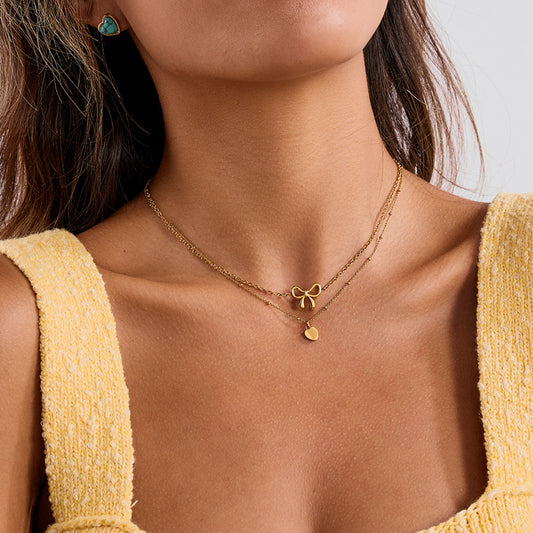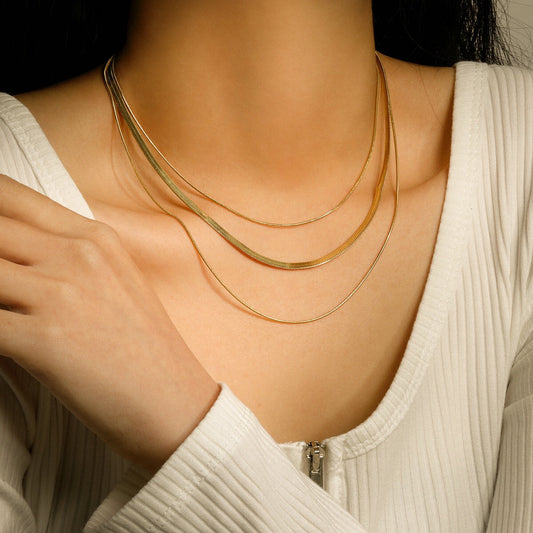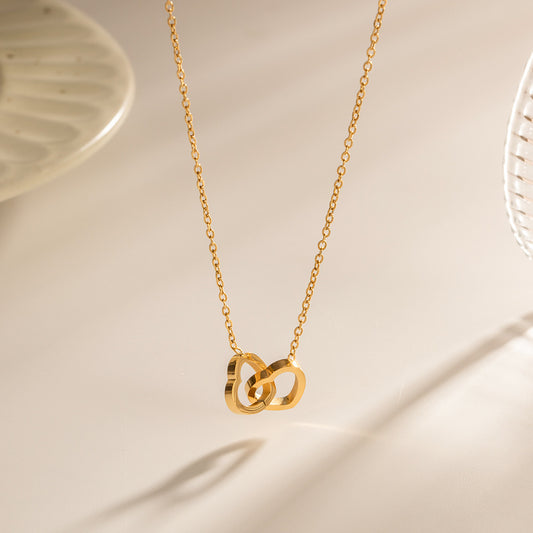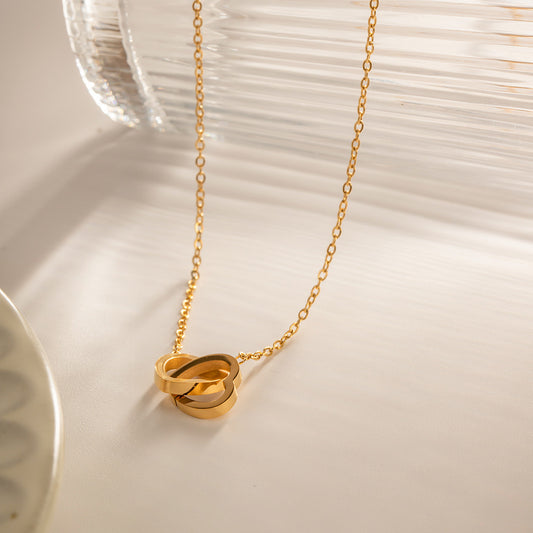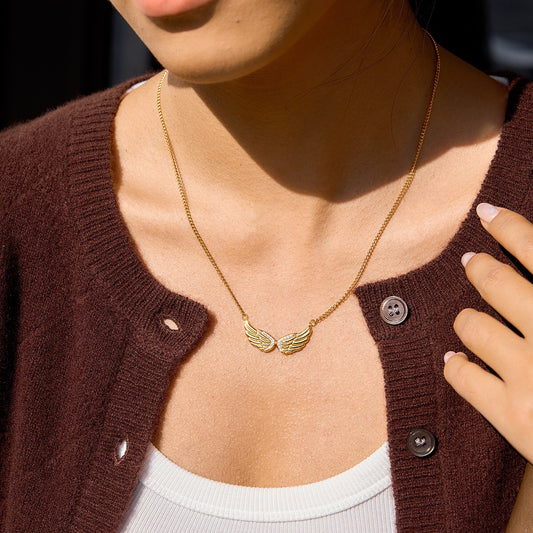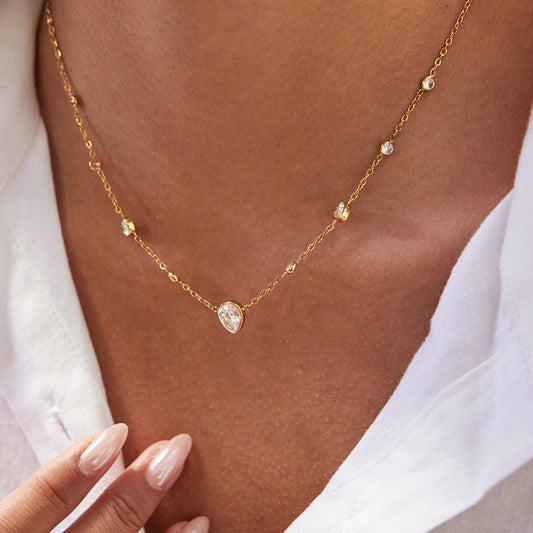



Silverware jewelry has emerged as a beloved trend in the accessory world, blending vintage nostalgia with modern creativity to craft pieces that tell a story. Sterling Silver Jewelry Market size was valued at USD 13.21 Billion in 2024 and is projected to reach USD 19.55 Billion by 2032, growing at a CAGR of 5.4%. According to the 2024 Upcycled Fashion Trends Report by the Global Sustainable Fashion Network, upcycled jewelry—including silverware designs—has seen a 65% year-over-year increase in searches on platforms like Etsy and Pinterest. A 2023 survey by the Handmade Jewelry Association further reveals that 73% of jewelry shoppers seek “unique, one-of-a-kind pieces” to avoid mass-produced styles, and silverware jewelry tops the list for its distinctiveness. Made from repurposed forks, spoons, knives, and teaspoons, these pieces transform everyday tableware into wearable art—each with its own patina, texture, and history. Whether it’s a delicate spoon handle necklace or a bold fork-tine bracelet, silverware jewelry adds a touch of whimsy and character to any outfit, making it a favorite among eco-conscious fashion lovers and vintage enthusiasts alike.

What Is Silverware Jewelry?
Definition and Core Design Traits
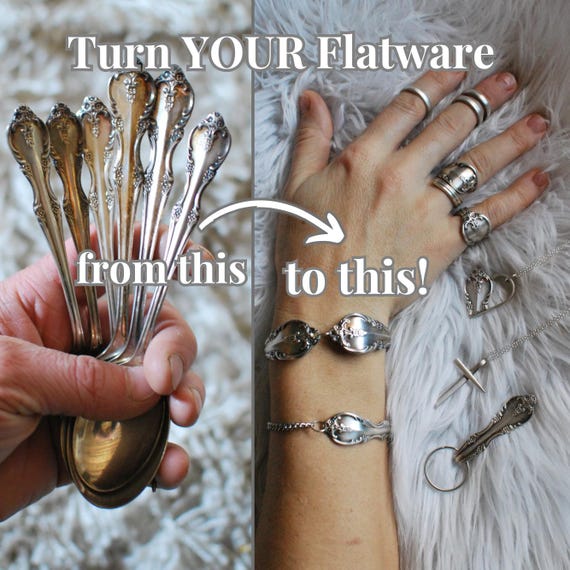
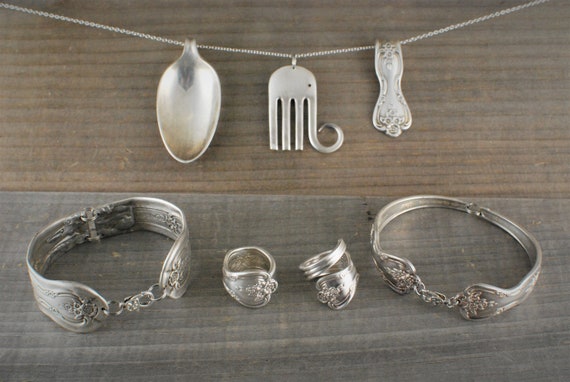
Silverware jewelry refers to accessories crafted from repurposed (upcycled) silver-plated, sterling silver, or stainless steel tableware—including forks, spoons, knives, and even serving utensils. The core appeal lies in its uniqueness: each piece of silverware has inherent variations (like wear patterns, engravings, or manufacturer marks) that make the final jewelry design one-of-a-kind. Common silverware jewelry styles include necklaces, bracelets, earrings, rings, and even hair accessories, all created by cutting, bending, shaping, or polishing the metal to repurpose its parts. Unlike mass-produced jewelry, silverware pieces often retain subtle traces of their original function—like the curve of a spoon bowl or the tines of a fork—adding to their rustic, authentic charm.
Common Materials for Silverware Jewelry
Silverware jewelry is crafted from three primary types of tableware materials, each offering distinct aesthetics and durability. Silver-plated silverware (the most popular choice) features a thin layer of silver over a base metal (usually brass or nickel) and is valued for its vintage shine and affordability. Sterling silver silverware (.925 pure silver) is a higher-end option, prized for its durability, natural luster, and tarnish resistance—ideal for heirloom-quality pieces. Stainless steel silverware is a budget-friendly, low-maintenance alternative, known for its strength and resistance to rust and wear. Many artisans also seek out vintage or antique silverware with unique details (like floral engravings, Art Deco patterns, or monograms) to add extra character to their jewelry designs.
Why Is Silverware Jewelry So Popular?
Unique, One-of-a-Kind Appeal
The biggest draw of silverware jewelry is its inability to be replicated. Unlike factory-made accessories, each piece starts with a unique piece of silverware—whether it’s a 1950s floral-engraved spoon or a mid-century modern fork. Artisans transform these pieces into jewelry, preserving their original details (like patina or engravings) while adding creative flourishes. A 2023 survey by Etsy found that 81% of shoppers who purchase silverware jewelry do so because “no two pieces are the same,” making them a way to express individuality. This uniqueness also means the jewelry stands out in a crowd, avoiding the “everyone-has-it” feel of mass-produced accessories.

Sustainable and Eco-Friendly
Silverware jewelry aligns with the growing demand for sustainable fashion. By repurposing old or unwanted silverware, artisans keep these items out of landfills—reducing waste and the environmental impact of mining new metals. The Global Sustainable Fashion Network reports that upcycled jewelry like silverware designs has a 70% lower carbon footprint compared to jewelry made from newly mined metals. Eco-conscious shoppers are drawn to this sustainability angle: 68% of silverware jewelry buyers cited “environmental responsibility” as a key purchasing factor, per the 2024 Handmade Jewelry Association survey. It’s a stylish way to embrace sustainability without compromising on design.
Vintage Nostalgia and Sentimental Value
Silverware jewelry evokes feelings of nostalgia, as many pieces are crafted from vintage or antique tableware that may have been passed down through families. For wearers, these pieces carry emotional weight—they might be made from a grandmother’s spoon or a family’s wedding silverware, turning a simple accessory into a wearable heirloom. Even for those without a personal connection to the original silverware, the vintage aesthetic (with its patina and classic designs) adds a touch of warmth and nostalgia to modern outfits. The 2024 Vintage Fashion Report by WGSN notes that “nostalgic accessories” like silverware jewelry are on the rise, as shoppers seek pieces with “history and heart.”
Affordable and Accessible
Silverware jewelry offers unique, handcrafted style at an accessible price point. Most pieces range from $25-$100, making them more affordable than many other handcrafted or sterling silver jewelry options. The materials are easy to source (vintage stores, thrift shops, garage sales, or even family attics), keeping production costs low for artisans. This affordability means anyone can own a one-of-a-kind piece—from teenagers to adults—without breaking the bank. Fast-fashion brands have even jumped on the trend, offering mass-produced “silverware-inspired” pieces, but handmade versions (the most popular choice) remain accessible via platforms like Etsy and local craft fairs.

Popular Styles of Silverware Jewelry
Spoon Handle Necklaces: Delicate Vintage Charm
Spoon handle necklaces are the most popular silverware jewelry style, crafted from the long, curved handle of a spoon. Artisans cut the handle to the desired length (usually 1-3 inches), polish it to highlight engravings or patterns, and add a jump ring and chain. Many retain the original spoon’s details—like floral engravings, monograms, or decorative finials—adding to their vintage appeal. According to Etsy’s 2024 Handmade Jewelry Trends, spoon handle necklaces are the top-selling silverware jewelry item, with over 200,000 units sold in 2023. They’re versatile enough for everyday wear, pairing beautifully with t-shirts, blouses, or dresses.
Fork Tine Bracelets: Bold and Rustic
Fork tine bracelets are a bold, eye-catching style made from the prongs (tines) of a fork. Artisans bend the tines into curves, loops, or geometric shapes (like hearts or waves) and attach them to a chain or a band made from the fork’s handle. Some designs leave the tines slightly rough for a rustic look, while others polish them to a smooth finish. This style is popular among those who love edgy, bohemian fashion—fashion influencers like Stevie Nicks and Florence Welch have been spotted wearing fork tine bracelets, driving a 58% sales increase in 2024 (per Nordstrom’s Accessory Report). They’re perfect for adding a statement touch to casual outfits.
Spoon Bowl Earrings: Dainty and Whimsical
Spoon bowl earrings are a delicate style crafted from the rounded bowl of a teaspoon or dessert spoon. Artisans cut the bowl into small shapes (circles, ovals, or teardrops), file the edges smooth, and attach earring posts or hooks. Some designs feature the bowl’s original patina for a vintage look, while others are polished to a shiny finish. They may also be engraved with small details (like initials or tiny flowers) for personalization. These earrings are lightweight and versatile, making them ideal for everyday wear or dressy occasions. The Handmade Jewelry Association reports that spoon bowl earrings are the top choice for gifting, thanks to their dainty size and unique charm.
Knife Blade Rings: Edgy and Unique
Knife blade rings are a niche but trendy style made from the flat blade of a butter knife or steak knife. Artisans cut a small section of the blade, bend it into a ring shape, and smooth the edges to ensure comfort. Many retain the blade’s original edge (blunted for safety) or polish it to a sleek finish. Some designs feature engravings from the knife’s handle or blade, adding extra character. This style appeals to those who love edgy, unconventional jewelry—perfect for pairing with leather jackets, band tees, or minimalist outfits. Vintage knife blade rings (from the 1940s-1960s) are also highly sought after by collectors.
How to Wear Silverware Jewelry
Pairing with Casual Everyday Outfits
For casual wear, let silverware jewelry add a touch of whimsy to laid-back looks. Wear a delicate spoon handle necklace with a white t-shirt, high-waisted jeans, and sneakers—letting the necklace’s engravings be the focal point. Pair fork tine bracelets with a flannel shirt, leggings, and ankle boots for a rustic, bohemian vibe. Spoon bowl earrings are perfect for running errands: pair them with a hoodie, joggers, and slides for a stylish yet comfortable look. The key is to keep other accessories minimal—one silverware piece plus a simple bracelet or pair of studs is enough to avoid cluttering the outfit.
Dressing Up for Formal Occasions
Silverware jewelry can elevate formal outfits with unique elegance. For a wedding or gala, wear a polished sterling silver spoon handle necklace with a floor-length black gown—letting the necklace’s shine complement the dress. Pair small spoon bowl earrings with a midi cocktail dress in a soft color (like blush or lavender) for a subtle, sophisticated touch. For a work function (like a conference or awards dinner), opt for a sleek knife blade ring or a delicate spoon handle bracelet paired with a blazer and tailored pants. Avoid wearing multiple bold silverware pieces—let one statement item shine.
Layering with Other Jewelry
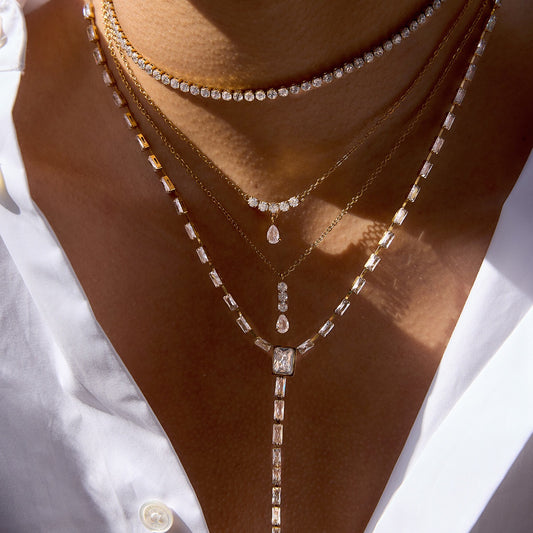
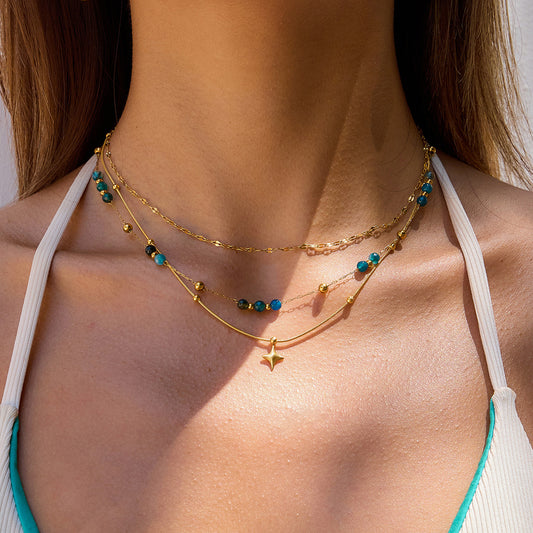
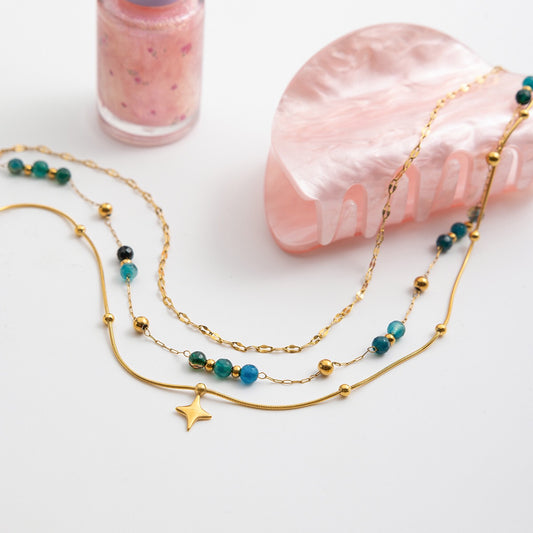
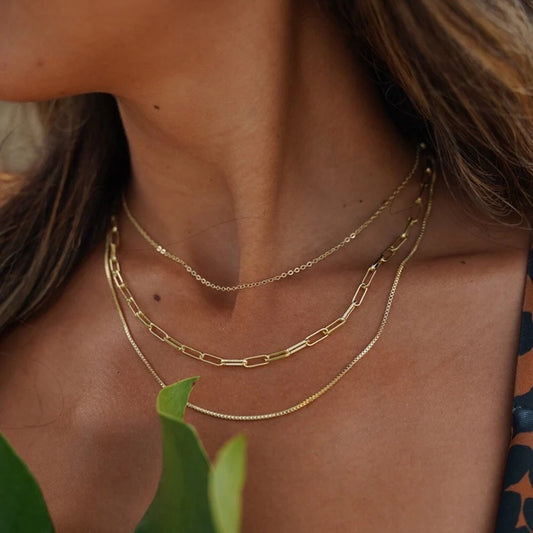
Layering silverware jewelry with other accessories creates a curated, on-trend look—just follow the “balance” rule. Mix a delicate spoon handle necklace with 1-2 thin silver chains for a layered neckline. Pair a fork tine bracelet with a leather wrap bracelet and a thin silver bangle for a textured wrist stack. If you’re wearing bold silverware earrings (like large spoon bowl designs), keep necklaces simple (a single thin chain) to avoid overwhelming the face. You can also mix metal tones: silverware jewelry (usually silver or silver-plated) pairs beautifully with gold chains or brass bracelets for a modern mixed-metal look.
Silverware Jewelry: Perfect Gift for Your Best Friend
Why It’s the Ideal Best Friend Gift
Silverware jewelry makes a thoughtful, unique gift for your best friend—blending individuality, sentiment, and shared memories. Unlike generic gifts, it shows you’ve put thought into finding something one-of-a-kind that reflects their personality. A 2023 survey by GiftAdvisor found that 79% of best friends value “gifts with character” over expensive ones, and silverware jewelry delivers on that. It’s also versatile: whether your friend loves vintage, bohemian, or minimalist style, there’s a silverware design to match. Plus, the upcycled nature of the jewelry aligns with the values of many modern shoppers, making it a gift they’ll feel good about wearing.
Choosing the Right Style for Her Taste
Tailor the silverware jewelry to your best friend’s style for a gift that feels truly personal. If she loves dainty, minimalist accessories, opt for a small spoon handle necklace or tiny spoon bowl earrings. If she’s into bohemian or rustic fashion, a fork tine bracelet or a vintage-engraved spoon necklace is perfect. If she’s eco-conscious, highlight the sustainable, upcycled aspect by choosing a piece made from antique silverware. For a sentimental touch, pick a design that reflects a shared memory—like a travel-themed spoon (if you’ve vacationed together) or a monogrammed piece with her initials.
Adding Personal Touches to Make It Special
Elevate the gift with personal details that celebrate your friendship. Have the silverware jewelry engraved with a meaningful quote (like your inside joke or “Best Friends Forever”), a significant date (like the day you met), or both your initials. Wrap it in a vintage-inspired box (like a small wooden crate or a fabric-lined jewelry box) and include a handwritten note explaining why you chose it—e.g., “This spoon necklace reminds me of our Sunday brunch dates, and how you make every moment special.” Pair it with a small complementary gift, like a vintage spoon (for her to display) or a bottle of her favorite wine, to make the occasion extra memorable.
How to Clean Silverware Jewelry
Material-Specific Cleaning Methods
Cleaning silverware jewelry depends on its material to avoid damage. For silver-plated pieces: Mix a drop of mild dish soap with warm water, dip a soft cloth in the solution, and gently wipe the jewelry. Avoid soaking, as water can wear down the silver plating. For sterling silver pieces: Use a silver polishing cloth to remove tarnish and restore shine—avoid harsh chemicals. For stainless steel pieces: Wipe with a damp cloth and mild soap, then dry thoroughly. For pieces with engravings or patina: Use a soft-bristled toothbrush to clean crevices, but avoid over-polishing (this can remove the desired vintage patina).
Tackling Tarnish and Daily Buildup
Tarnish (common on silver-plated and sterling silver) and daily buildup (from lotion, perfume, or oil) are easy to address. For tarnished silver-plated jewelry: Use a mild silver polish (like Wright’s Silver Cream) sparingly—apply with a soft cloth, then wipe clean with a dry cloth. For sterling silver tarnish: Make a paste with 1 part baking soda and 1 part water, apply a tiny amount to a cloth, and gently rub the tarnished areas. Rinse and dry thoroughly. For daily buildup: Wipe the jewelry with a dry microfiber cloth after each wear to remove oils and dust—this prevents buildup and tarnish.
Avoiding Common Cleaning Mistakes
Steer clear of harsh chemicals like bleach, acetone, or commercial jewelry cleaners—they can strip silver plating, damage stainless steel, or remove vintage patina. Never put silverware jewelry in an ultrasonic cleaner, as the vibrations can bend or break delicate pieces (like fork tines or spoon handles). For pieces with glued accents (like beads or charms), avoid getting water on the glue—wipe with a dry cloth instead. After cleaning, always dry the jewelry completely (moisture causes tarnish) and store it properly to maintain its condition.
How to Make Silverware Jewelry
Materials You’ll Need
Making silverware jewelry is a fun, beginner-friendly DIY project. Gather these supplies: Vintage or new silverware (spoons, forks, or knives—thinner pieces are easier to bend), metal snips or a jeweler’s saw (to cut the silverware), a metal file (to smooth edges), pliers (round-nose, flat-nose, and needle-nose for bending and shaping), a drill (for making holes for jump rings), jump rings, chains, and earring posts/hooks. Optional supplies include a metal polishing cloth, engraving tool, and patina solution (for creating a vintage look). You can find most supplies at craft stores like Michaels or online retailers like Rio Grande.
Step-by-Step Guide to Making a Spoon Handle Necklace
1. Choose your spoon: Select a spoon with a decorative handle (engravings or patterns add character). 2. Cut the handle: Use metal snips to cut the handle from the spoon bowl—cut at a 45-degree angle for a clean edge. 3. Smooth the edges: Use a metal file to sand the cut edge until it’s smooth (this prevents scratches). 4. Drill a hole: Use a small drill bit to make a hole at the top of the handle (for the jump ring). 5. Polish (optional): Wipe the handle with a metal polishing cloth to restore shine or leave it with a vintage patina. 6. Assemble: Attach a jump ring to the hole, then add a chain. Your spoon handle necklace is ready to wear!
Beginner Tips for Success
Start with thinner silverware (like teaspoons or salad forks) — they’re easier to cut and bend than thick steak knives or serving spoons. Wear protective gear: gloves to avoid sharp edges and safety glasses when drilling. Practice bending on scrap pieces of silverware first to get the hang of it. If you don’t have a drill, use a punch tool to make a small indentation before drilling (this prevents the bit from slipping). Watch YouTube tutorials (search “DIY silverware jewelry for beginners”) for visual guidance—many artisans share tricks for cutting, shaping, and polishing silverware easily. Embrace imperfection: small flaws add to the unique, handmade charm of the jewelry.
Can You Make Jewelry Out of Stainless Steel Silverware?
Yes, stainless steel silverware is an excellent material for making jewelry—offering durability, affordability, and low maintenance. Stainless steel is stronger than silver-plated or sterling silver, making it ideal for jewelry that’s worn daily (like bracelets or rings). It’s also resistant to rust, tarnish, and corrosion, so it requires minimal cleaning. The main challenge with stainless steel is that it’s harder to cut and bend than other silverware materials—you’ll need heavy-duty metal snips and pliers (preferably with padded jaws to avoid scratching). For beginners, start with thinner stainless steel pieces (like teaspoons or butter knives) to make the process easier. Stainless steel silverware jewelry is perfect for those who want a budget-friendly, long-lasting alternative to silver-plated designs.
How to Bend Silverware for Jewelry
Tools for Bending Silverware
The right tools make bending silverware for jewelry much easier. Essential tools include: Round-nose pliers (for creating loops and curves), flat-nose pliers (for straightening and flattening metal), needle-nose pliers (for reaching small areas), and a bending jig (optional, for creating consistent curves). For thicker silverware, use locking pliers (Vise-Grips) to apply more pressure. Padded pliers (with rubber or plastic jaws) are also helpful—they prevent scratches on the silverware’s surface.
Step-by-Step Bending Techniques
1. Soften the metal (optional): For thicker silverware, heat the area you want to bend with a propane torch (hold the flame 2-3 inches from the metal for 30 seconds) — this softens the metal, making it easier to bend. Let it cool completely before handling. 2. Mark the bend point: Use a marker to mark where you want to bend the silverware (e.g., the middle of a fork tine). 3. Bend gradually: Use round-nose pliers to grip the silverware at the mark, then apply slow, even pressure to create the desired curve. For loops (like for earrings or bracelets), wrap the metal around the pliers’ jaw. 4. Smooth the bend: Use flat-nose pliers to flatten any uneven areas and ensure the bend is smooth. 5. Finish: File any sharp edges and polish the metal if desired.
Avoiding Common Bending Mistakes
Avoid bending silverware too quickly—applying sudden pressure can cause the metal to crack or break. If the metal feels resistant, stop and reheat it (for thicker pieces) instead of forcing the bend. Don’t grip the silverware too tightly with pliers—this can leave indentations or scratches (use padded pliers to prevent this). For intricate bends (like hearts or waves), make small, incremental bends instead of trying to shape it in one go. If you make a mistake, use flat-nose pliers to gently straighten the metal and try again—most silverware can withstand minor adjustments without damage.
Silverware Jewelry: Unique & Full of Character for Every Style
Silverware jewelry is more than just an accessory—it’s a celebration of creativity, sustainability, and individuality. Each piece tells a story, whether it’s the history of the repurposed silverware or the memories it represents for the wearer. Its unique, one-of-a-kind nature makes it stand out from mass-produced jewelry, while its versatility ensures it fits into every style—from vintage to modern, casual to formal. As a gift for your best friend, it’s a heartfelt way to honor your bond, offering a piece she’ll wear and cherish for years. Whether you buy handmade or make your own, silverware jewelry is a timeless addition to any jewelry collection.
Ready to embrace the unique charm of silverware jewelry? Explore our curated collection of handcrafted pieces—from delicate spoon handle necklaces to bold fork tine bracelets. All our jewelry is made from repurposed, high-quality silverware, ensuring each piece is one-of-a-kind and sustainable. Whether you’re shopping for a everyday staple, a sentimental gift for your best friend, or supplies to make your own DIY pieces, we have everything you need. Shop now and add a touch of character and history to your jewelry box!