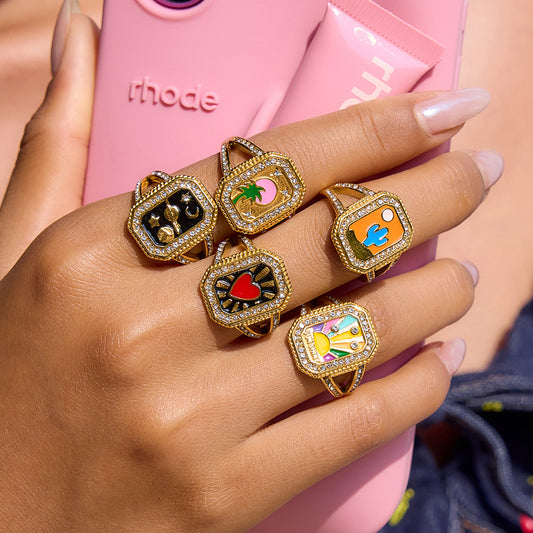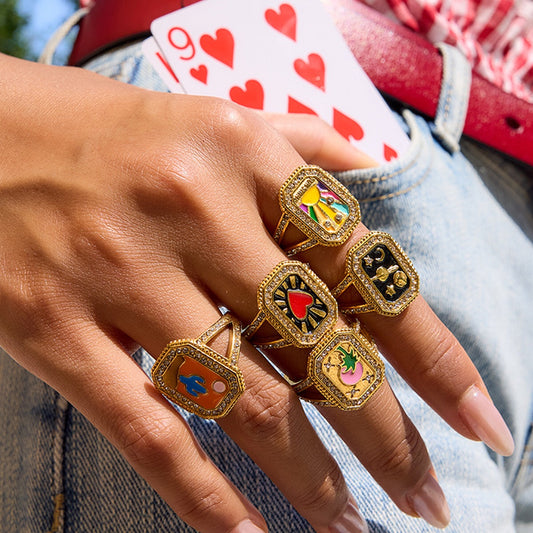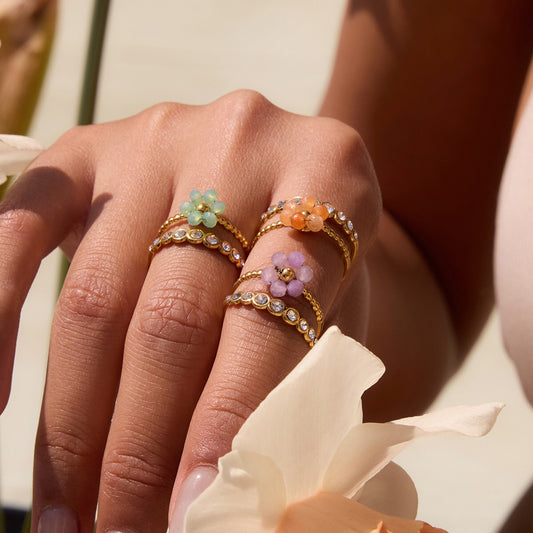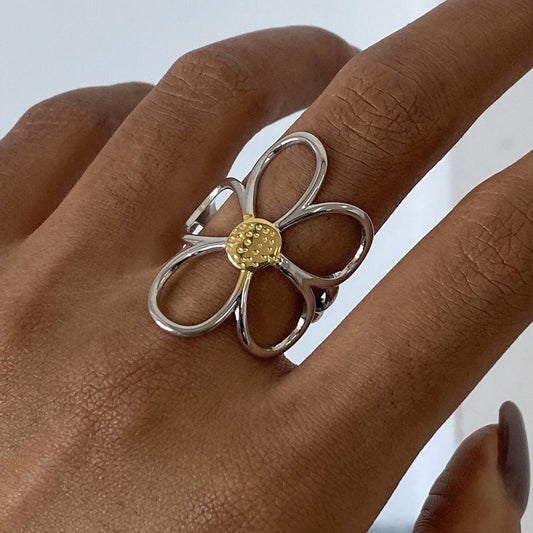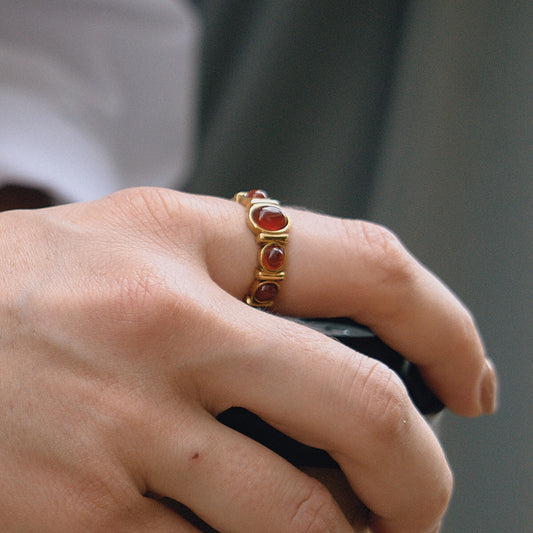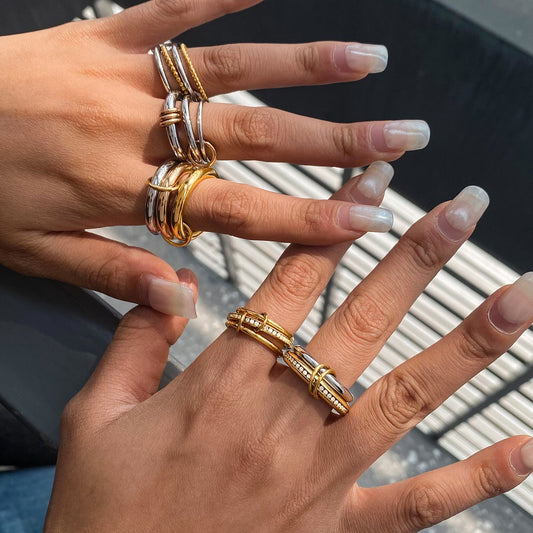


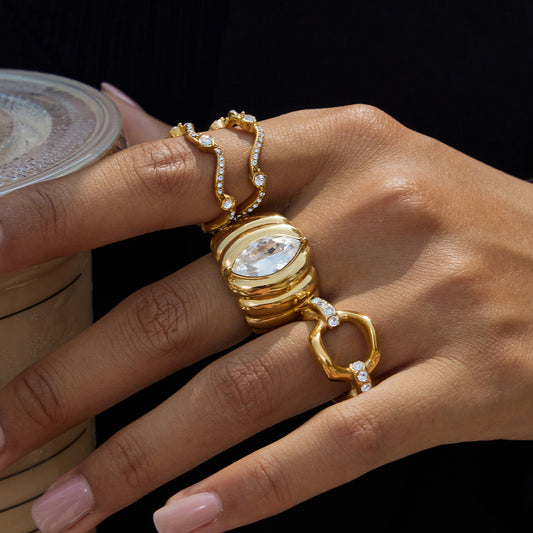
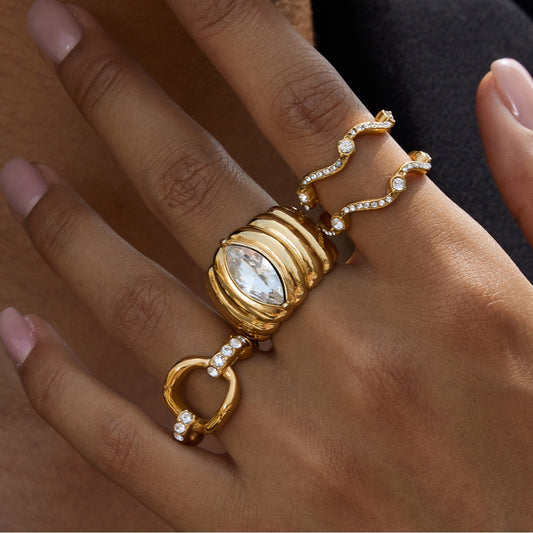

Rings that don’t tarnish are made from metals or finishes designed to resist oxidation, discoloration, and surface degradation over time. In this guide, you’ll learn how these rings actually feel, look, and fit into real life — including cooking, active use, daily wear, and mixing with fine jewelry. The focus is on what you can realistically expect from them in everyday situations where water, sweat, friction, and movement are normal.
If I lose rings that don’t tarnish, will I feel less upset than losing solid gold?
Yes, most people feel less upset losing rings that don’t tarnish than losing solid gold. The emotional weight is usually lower because they are more practical, replaceable, and less tied to long-term financial value. That doesn’t mean you won’t care, but the stress level is typically reduced rather than devastating. Many people find this makes them more comfortable actually wearing the ring in real life.
Will rings that don’t tarnish make my hands look more polished or more casual?
They can make your hands look polished when the design is sleek and highly finished. Shine level, band thickness, and detailing matter more than the material itself for overall impression. Minimal, high-polish styles tend to look refined, while textured or brushed styles read more casual. The effect comes from design choices, not from the non-tarnish property.
If I already own fine jewelry, will rings that don’t tarnish feel out of place in my collection?
No, they do not automatically feel out of place alongside fine jewelry. How cohesive they feel depends on style, finish, and metal tone rather than whether they tarnish. If the design aligns with your existing pieces, they integrate naturally into a mixed collection. Many people keep both for different occasions and use cases without tension between them.
Do rings that don’t tarnish feel smoother or sharper around the edges?
They generally feel smooth around the edges, not sharp. Most well-made non-tarnish rings are finished with polished or rounded interior edges for comfort. You may notice differences between brands or designs, but the material itself does not make edges harsher. Comfort is more about craftsmanship than metal type.
If I wear rings that don’t tarnish while cooking, will they still look good afterward?
Yes, they will usually still look good after cooking. Non-tarnish metals resist staining, water exposure, and heat from normal kitchen use. Grease, spices, or food residue may sit on the surface temporarily, but they wipe or rinse off easily. The ring’s color and shine remain stable rather than dulling or discoloring.
Would rings that don’t tarnish change how often I actually wear jewelry?
Yes, many people end up wearing jewelry more often because these rings are low-maintenance. You don’t have to remove them for everyday tasks like handwashing, working out, or cooking. The reduced worry makes it easier to keep them on instead of taking them off constantly. Over time, this usually increases real-life wear rather than decreasing it.
If I later switch back to traditional jewelry, will I miss rings that don’t tarnish?
Many people do miss the ease of rings that don’t tarnish after switching back. Traditional jewelry often requires more care, polishing, and caution in daily life. The convenience and durability of non-tarnish rings can feel noticeably different once you’re used to them. What you miss most is typically the “set it and forget it” wearability.
Do rings that don’t tarnish look more shiny or more matte in real lighting?
Most rings that don’t tarnish look more shiny than matte in real lighting when they have a high-polish finish. The actual appearance depends on surface treatment, not the non-tarnish property itself. Brushed or satin finishes will look softer and less reflective, while mirror-polished pieces look very bright. In everyday light, polish level is the main visual factor.
If I have very active hands, are rings that don’t tarnish actually worth it for me?
Yes, they are especially worth it if you have very active hands. These rings are more scratch-resistant, water-tolerant, and low-maintenance than softer or plated jewelry. They handle friction, movement, and repeated use better without showing wear quickly. For hands-on lifestyles, their practicality is one of their biggest advantages.
Would rings that don’t tarnish make me feel less anxious about ruining my jewelry?
Yes, they typically make people feel much less anxious about damage or wear. You don’t have to constantly worry about water, sweat, or minor impacts ruining the ring. This mental ease often changes how freely you wear jewelry in everyday life. Many people describe it as feeling “safe” wearing their ring anywhere.