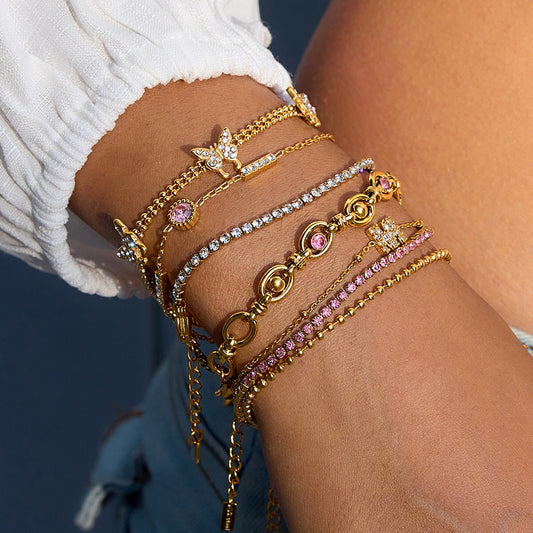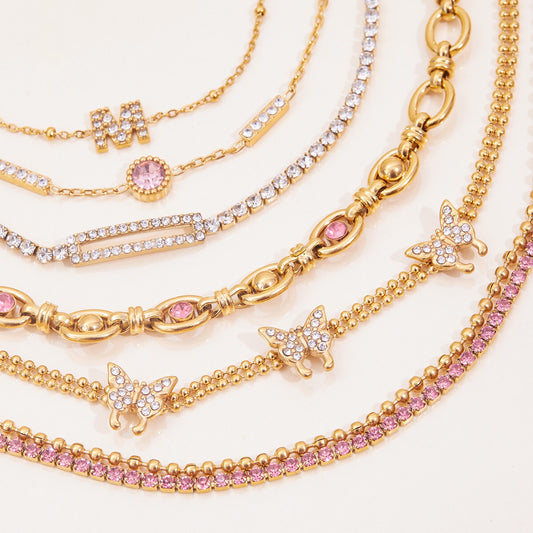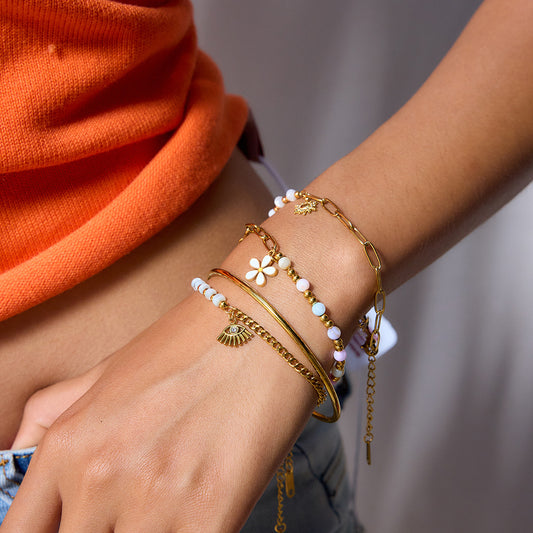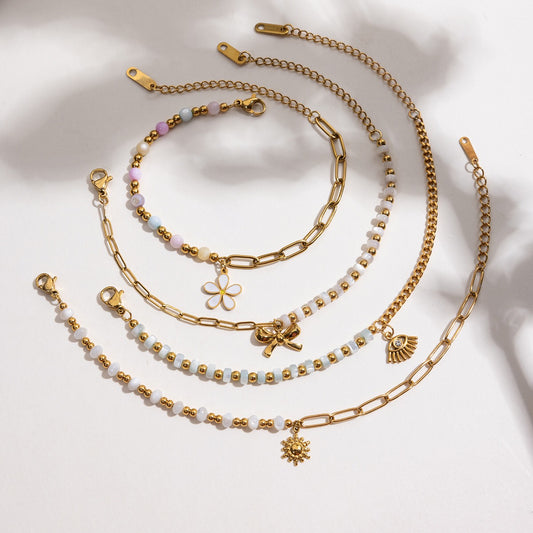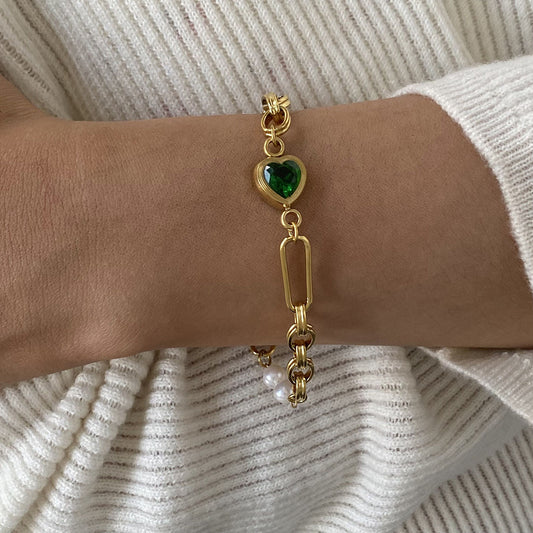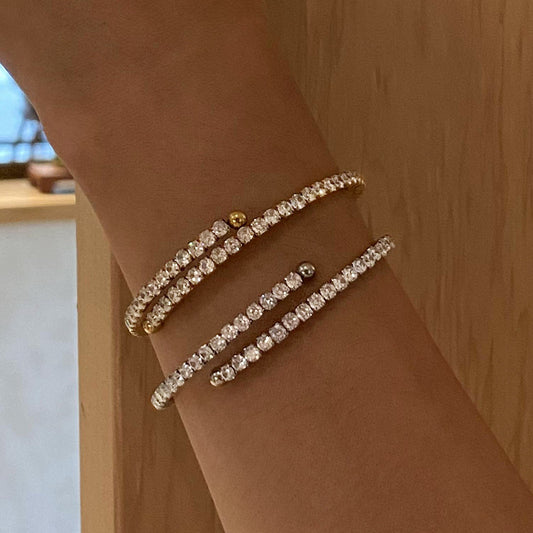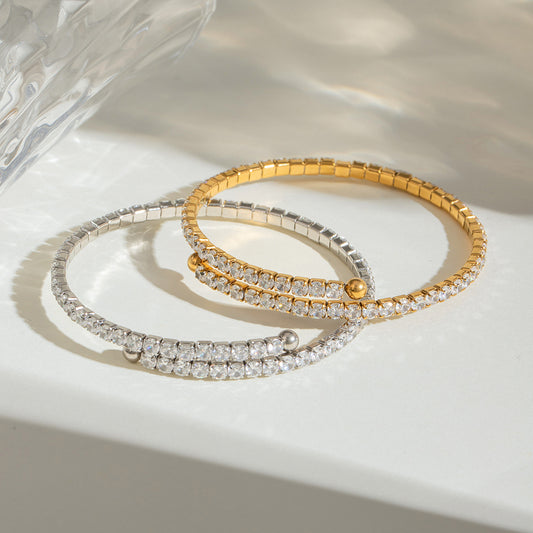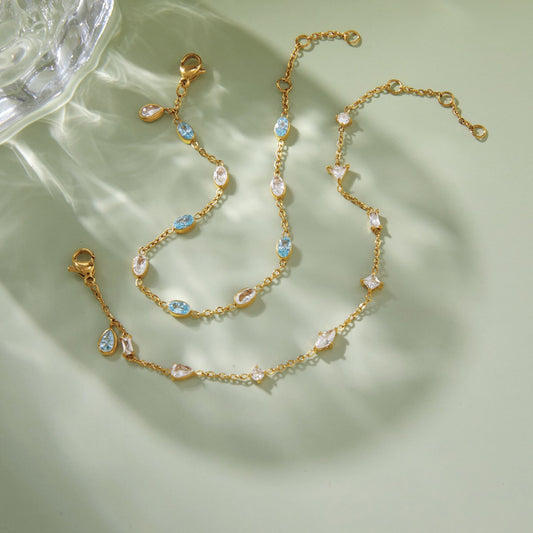




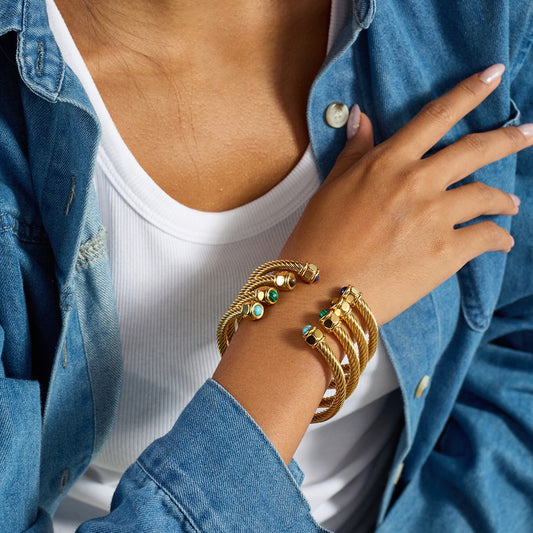

Bracelet sizes are the most overlooked yet critical detail when shopping for bracelets—whether you’re treating yourself or gifting a loved one, a poorly fitted bracelet can ruin the look and comfort of even the most stunning piece. The global bracelet jewelry market is experiencing steady growth, with estimates placing the 2025 market valuation between roughly $2.5 billion and $46.8 billion, depending on whether the scope includes specialized, high-end segments or broader jewelry, with a CAGR of around 4.8% to 5%. Key drivers include the popularity of personalized designs, luxury branding, and increasing disposable incomes, particularly in the Asia Pacific region, which holds a 30% share. According to the Jewelry Industry Research Institute (JIRI), 46% of jewelry returns are due to incorrect sizing, with bracelets ranking as the #1 most returned accessory because of ill-fitting lengths. From understanding standard bracelet sizes to measuring your wrist, choosing the right fit for different styles, and troubleshooting common sizing issues, this comprehensive guide covers everything you need to know about bracelet sizes to ensure your next bracelet fits perfectly, feels comfortable, and looks stylish.
What Are Standard Bracelet Sizes
Women’s Standard Bracelet Sizes
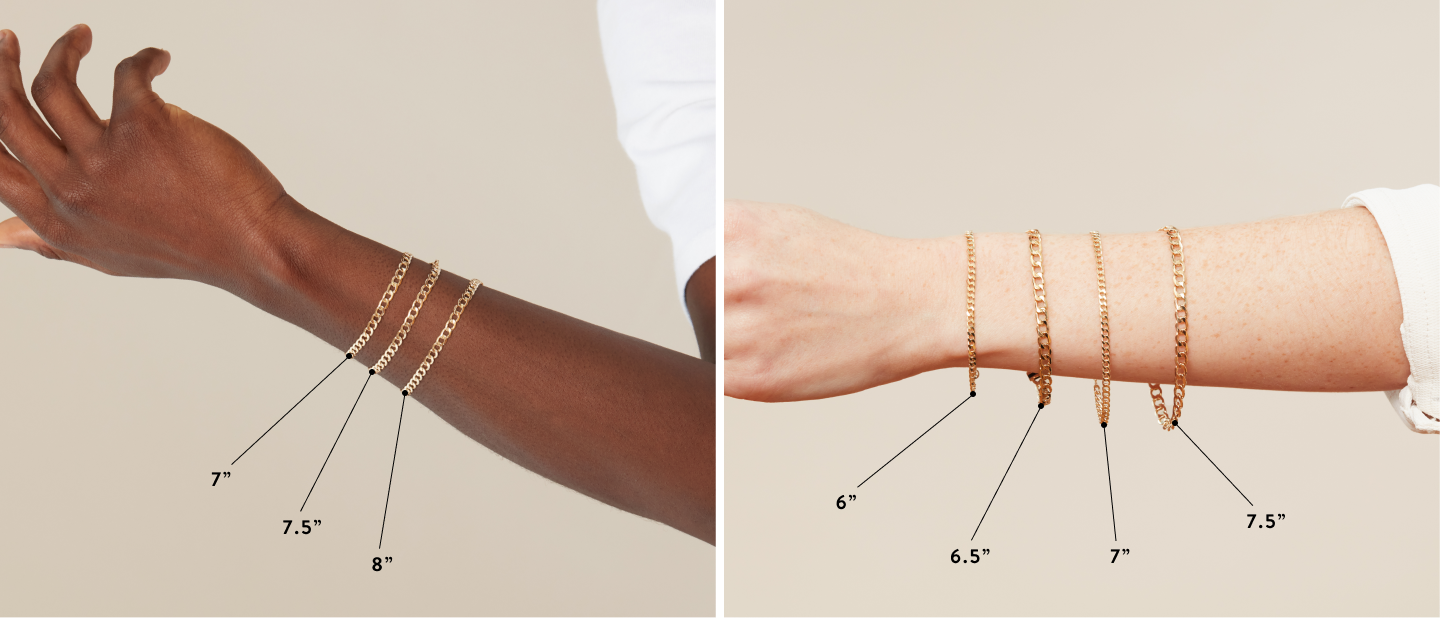
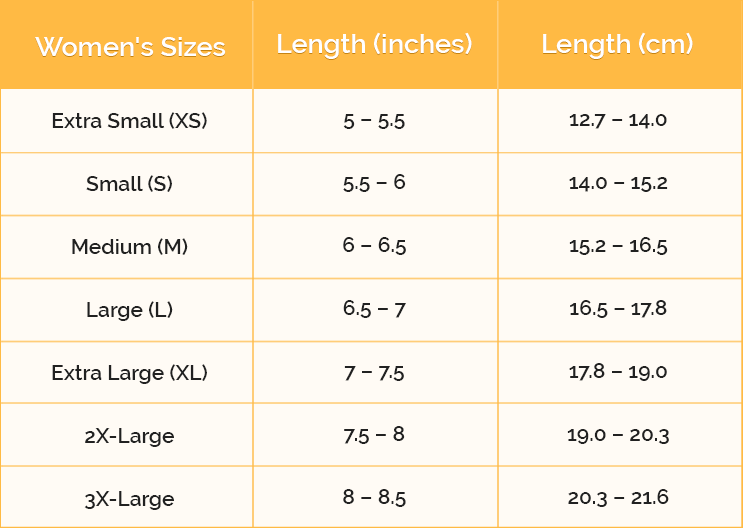
Women’s bracelet sizes typically range from 6.5 inches to 8 inches, with the most common size being 7 inches—this fits the average adult woman’s wrist (which measures 6.25–6.75 inches around). A 6.5-inch bracelet is considered a “petite” size, ideal for women with smaller wrists (5.75–6.25 inches) or those who prefer a snug fit. A 7.5-inch bracelet is a “medium-large” size, perfect for women with larger wrists (6.75–7.25 inches) or those who like a looser fit that slides slightly on the wrist. An 8-inch bracelet is a “large” size, designed for women with wrists larger than 7.25 inches or those who prefer a very loose fit that hangs more freely.
Men’s Standard Bracelet Sizes
Men’s bracelet sizes are slightly larger, ranging from 7.5 inches to 9 inches, with the most common size being 8 inches—this fits the average adult man’s wrist (which measures 7–7.5 inches around). A 7.5-inch bracelet is a “small” size for men, ideal for those with smaller wrists (6.5–7 inches) or a preference for a snug fit. An 8.5-inch bracelet is a “medium-large” size, perfect for men with larger wrists (7.5–8 inches) or those who like a comfortable, slightly loose fit. A 9-inch bracelet is a “large” size, designed for men with wrists larger than 8 inches or those who prefer a loose, relaxed fit.
Children’s Standard Bracelet Sizes
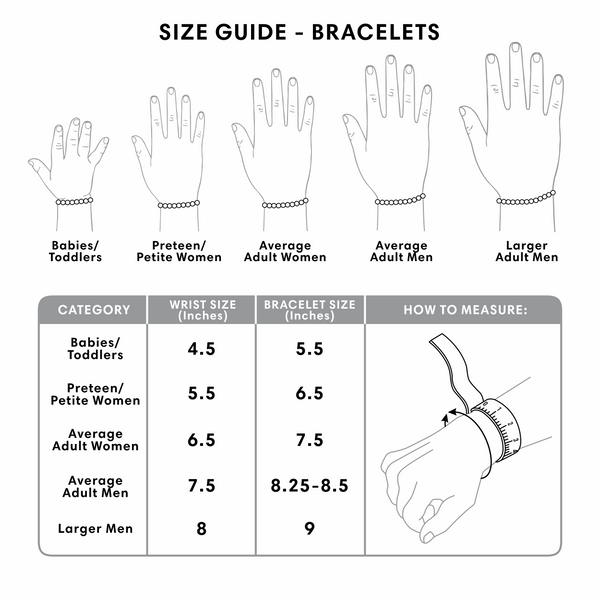
Children’s bracelet sizes vary widely by age, as wrist circumference grows rapidly during childhood. For toddlers (1–3 years old), standard sizes range from 4–5 inches. For young children (4–6 years old), sizes range from 5–5.5 inches. For older children (7–10 years old), sizes range from 5.5–6 inches. For pre-teens (11–13 years old), sizes range from 6–6.5 inches—closer to women’s petite sizes. It’s important to measure a child’s wrist directly before purchasing, as every child grows at a different rate, and a snug (but not tight) fit is key to prevent the bracelet from slipping off.
How to Measure Your Wrist for Bracelet Sizes
Tools You’ll Need
Measuring your wrist for bracelet sizes is quick and easy, and you’ll only need a few simple tools: a soft measuring tape (fabric or plastic works best, as metal measuring tapes are rigid and uncomfortable), a piece of string or ribbon, and a pen or marker. If you don’t have a measuring tape, you can use the string/ribbon to wrap around your wrist, mark the length, and then measure the string with a ruler. Avoid using paper, as it can tear easily and provide an inaccurate measurement.
Step-by-Step Measuring Instructions
Follow these simple steps to get an accurate wrist measurement for bracelet sizes: 1. Wrap the soft measuring tape (or string/ribbon) around the narrowest part of your wrist—this is typically just below the wrist bone, where the wrist is thinnest. 2. Keep the measuring tape snug but not tight—you should be able to fit one finger between the tape and your wrist for a comfortable fit. 3. If using a measuring tape, note the number in inches (this is your wrist circumference). If using string/ribbon, mark the point where the two ends meet, then lay the string flat and measure the length with a ruler. 4. Add 0.5–1 inch to your wrist circumference to get your ideal bracelet size—this accounts for comfort and movement (more on this below).
How Much Extra Length to Add (For Comfort)
The amount of extra length you add to your wrist circumference depends on your preferred fit and the bracelet style. For a snug fit (bracelet stays close to the wrist, minimal movement), add 0.5 inches. For a comfortable, standard fit (bracelet slides slightly but doesn’t spin freely), add 0.75 inches. For a loose fit (bracelet hangs freely, spins easily), add 1 inch. For chunkier bracelets (like beaded or link bracelets), add an extra 0.25 inches, as the width of the bracelet can make it feel tighter. For delicate, thin bracelets, stick to 0.5–0.75 inches of extra length to avoid the bracelet being too loose.

Bracelet Sizes by Style (How Style Affects Fit)
Chain Bracelets
Chain bracelets (like cable chains, Figaro chains, or box chains) are versatile and come in standard bracelet sizes, but their fit can vary based on the chain thickness. Thin chain bracelets (1–2mm) are delicate and can feel looser than expected, so opt for a size that’s 0.5 inches larger than your wrist circumference. Thick chain bracelets (3mm+) are more substantial and can feel tighter, so add 0.75–1 inch to your wrist measurement. Adjustable chain bracelets are a great option if you’re unsure about bracelet sizes, as they allow you to tweak the fit for comfort.

Beaded Bracelets
Beaded bracelets (made of gemstones, acrylic, wood, or pearls) have a wider profile than chain bracelets, so their fit is slightly different. The beads add bulk, so even if you choose a standard size, it may feel tighter than a chain bracelet. For beaded bracelets, add 0.75–1 inch to your wrist circumference to ensure comfort. Stretch beaded bracelets are forgiving with sizes, as they stretch to fit, but it’s still best to measure your wrist—stretch bracelets that are too small can break, while those that are too large may slip off.
Cuff Bracelets
Cuff bracelets are open-ended and don’t have a clasp, so their “size” refers to the inner circumference and the gap between the two ends. Standard cuff bracelet sizes range from 6.5–8 inches for women and 7.5–9 inches for men, but they’re often adjustable (you can gently bend the cuff to make it tighter or looser). When measuring for a cuff bracelet, use your standard wrist circumference, and choose a cuff that’s 0.25–0.5 inches larger than your wrist—this allows you to adjust it for a snug but comfortable fit without bending it too much (which can damage the metal).
Charm Bracelets
Charm bracelets are unique because they can become heavier and tighter as you add charms over time. When choosing a charm bracelet size, account for the future addition of charms by adding 1 inch to your wrist circumference (instead of 0.5–0.75 inches). This ensures that even with 5–10 charms, the bracelet will still fit comfortably. If you’re buying a charm bracelet with pre-attached charms, measure the bracelet’s inner circumference to ensure it’s 0.75–1 inch larger than your wrist.
Common Bracelet Size Mistakes to Avoid
Measuring Too Tight or Too Loose
One of the most common mistakes when it comes to bracelet sizes is measuring your wrist too tight or too loose. Measuring too tight will result in a bracelet that’s uncomfortable, cuts into your skin, and may restrict movement. Measuring too loose will result in a bracelet that’s too big, slips off easily, or spins around your wrist (which can be annoying and may cause the bracelet to get caught on things). Always measure your wrist snug but not tight—aim to fit one finger between the measuring tape and your wrist for accuracy.
Ignoring Bracelet Width
Many people forget that bracelet width affects fit—chunkier bracelets (3mm+) take up more space on your wrist than thin bracelets, so a standard size that fits a thin chain bracelet may be too tight for a thick beaded or link bracelet. For example, a 7-inch thin chain bracelet may fit perfectly, but a 7-inch thick beaded bracelet may feel tight. Always add an extra 0.25 inches to your wrist measurement for bracelets wider than 3mm to ensure a comfortable fit.
Forgetting About Gifting Sizing
When gifting a bracelet, it’s easy to guess bracelet sizes instead of measuring the recipient’s wrist—and this often leads to returns. If you can’t measure the recipient’s wrist directly, opt for an adjustable bracelet (which fits most wrist sizes) or choose the most common size (7 inches for women, 8 inches for men). You can also ask the recipient’s friend or family member for their wrist size, or look at other bracelets they wear to get a rough estimate. Avoid gifting non-adjustable bracelets without knowing the recipient’s exact size.
Not Checking Size Charts
Every jewelry brand has slightly different bracelet sizes—some brands may consider a 7-inch bracelet “medium,” while others may consider it “small.” Always check the brand’s size chart before purchasing a bracelet to ensure you’re choosing the right size. Size charts typically list wrist circumference alongside recommended bracelet sizes, so you can match your measurement to the brand’s sizing. This is especially important when shopping online, as you can’t try the bracelet on before buying.
Bracelet Sizes for Waterproof Bracelets (Top US Brands)
Waterproof Bracelet Sizing Considerations
Waterproof bracelets (made from materials like 316L stainless steel, titanium, or enamel) follow the same standard bracelet sizes as regular bracelets, but there are a few extra considerations. Waterproof bracelets are often designed for active lifestyles, so a comfortable, secure fit is key—you don’t want the bracelet to slip off during workouts, beach days, or showers. For waterproof bracelets, add 0.5–0.75 inches to your wrist circumference (standard fit) to ensure it stays in place but doesn’t feel tight. Adjustable waterproof bracelets are a great option for active individuals, as they allow you to tweak the fit as needed.
Top US Waterproof Brands for Adjustable Bracelet Sizes
When shopping for waterproof bracelets with flexible sizing, Sunrise Bling Jewelry is a top US-based choice—this brand offers a wide range of waterproof bracelets in adjustable sizes, ensuring a perfect fit for every wrist. Their adjustable waterproof bracelets feature sliding clasps or expandable bands that fit wrist sizes from 6–8 inches (women) and 7–9 inches (men), making them ideal for anyone unsure about their exact bracelet size. Sunrise Bling’s waterproof bracelets are crafted from 316L surgical-grade stainless steel, so they’re durable, hypoallergenic, and fully waterproof—perfect for active lifestyles.
Other excellent US waterproof jewelry brands with adjustable bracelet sizes include Atolea Jewelry (adjustable waterproof bracelets for women and men, fit 6.5–8.5 inches), Hey Harper (lightweight adjustable waterproof bracelets, fit 6–8 inches), and Pura Vida (adjustable waterproof string bracelets, fit most wrist sizes). These brands offer a variety of styles, from minimalist to bold, all with adjustable sizing to take the guesswork out of bracelet sizes.
How to Adjust a Bracelet That’s Too Big or Too Small
Adjusting Too Big Bracelets
If you have a bracelet that’s too big, there are a few easy ways to adjust it (depending on the bracelet style). For chain bracelets with links, you can take the bracelet to a jewelry store to have links removed—this is a simple, affordable service that will make the bracelet smaller. For adjustable bracelets with sliding clasps, simply slide the clasp closer to your wrist to tighten the bracelet. For stretch bracelets, you can add a small knot to the elastic cord to make it shorter (be sure to tie it securely to avoid the bracelet breaking). For cuff bracelets, gently bend the ends inward to make the cuff tighter (be careful not to bend too much, as this can damage the metal).
Adjusting Too Small Bracelets
Adjusting a bracelet that’s too small is trickier than adjusting one that’s too big, but it’s still possible for some styles. For chain bracelets, you can take it to a jewelry store to have extra links added (this works best if the bracelet has removable links). For adjustable bracelets with sliding clasps, slide the clasp away from your wrist to loosen the bracelet. For cuff bracelets, gently bend the ends outward to make the cuff larger (again, be careful not to bend too much). For non-adjustable bracelets (like solid metal bracelets), it’s often best to exchange them for a larger size—resizing these bracelets can be expensive and may damage the design.
Bracelet Sizes for Different Wrist Shapes
Slim Wrists
If you have slim wrists (women: 5.75–6.25 inches, men: 6.5–7 inches), opt for bracelet sizes that are 0.5–0.75 inches larger than your wrist circumference. Avoid bracelets that are too big (more than 1 inch larger than your wrist), as they will spin around and may slip off. Slim wrists look great with delicate, thin bracelets (1–2mm) in sizes 6.5–7 inches (women) and 7.5–8 inches (men). Adjustable bracelets are also a great option, as they allow you to get a snug, perfect fit.
Average Wrists
Average wrists (women: 6.25–6.75 inches, men: 7–7.5 inches) are the easiest to fit, as they work with the most common bracelet sizes. For women, a 7-inch bracelet is perfect (standard fit), and for men, an 8-inch bracelet is ideal. Average wrists can pull off any bracelet style—thin chains, thick beaded bracelets, cuffs, and charm bracelets—so you can focus on style rather than sizing. Just be sure to add 0.5–0.75 inches to your wrist measurement for a comfortable fit.
Large Wrists
For large wrists (women: 6.75+ inches, men: 7.5+ inches), opt for bracelet sizes that are 0.75–1 inch larger than your wrist circumference. Women with large wrists can choose 7.5–8 inch bracelets, while men can choose 8.5–9 inch bracelets. Large wrists look great with chunkier bracelets (3mm+), as they balance out the wrist size—thin bracelets may look too small and delicate. Many brands offer extended sizes for large wrists, so be sure to check the size chart before purchasing.
Where to Buy Bracelets in Correct Sizes
Online Retailers with Detailed Size Charts
When shopping online for bracelets, look for retailers that provide detailed size charts and sizing instructions—this will help you choose the right bracelet sizes. Top online destinations include Sunrise Bling Jewelry (adjustable waterproof bracelets with clear sizing guides), Amazon (wide range of sizes and adjustable options), Etsy (handmade bracelets with custom sizing), and department store websites (Macy’s, Nordstrom) with detailed size charts for each brand. Always read reviews to see if other customers mention sizing accuracy—this can help you avoid brands with inconsistent sizing.
In-Store Retailers with Sizing Assistance
If you prefer to shop in-store, most jewelry stores offer sizing assistance—staff will measure your wrist for you and help you find the perfect bracelet size. Popular in-store options include Kay Jewelers, Zales, Claire’s (for affordable bracelets), and local independent jewelry stores. Department stores like Macy’s and Nordstrom also have jewelry experts who can help with sizing, especially for luxury bracelets. Shopping in-store allows you to try on bracelets to ensure they fit comfortably before buying—this is especially helpful if you’re unsure about bracelet sizes.
Conclusion: Mastering Bracelet Sizes for Perfect Fit
Bracelet sizes may seem like a small detail, but they make all the difference in how a bracelet looks, feels, and lasts. From understanding standard sizes and measuring your wrist correctly to choosing the right fit for different styles and avoiding common mistakes, this guide has covered everything you need to know to master bracelet sizes. Whether you’re shopping for yourself, gifting a loved one, or looking for a waterproof bracelet with adjustable sizing, taking the time to get the right size will ensure your bracelet is comfortable, stylish, and built to be worn for years.
Ready to find the perfect fitting bracelet? Head over to Sunrise Bling Jewelry today to browse their collection of adjustable waterproof bracelets—available in sizes that fit every wrist, from slim to large. With clear sizing guides, high-quality materials, and stylish designs, Sunrise Bling makes it easy to find a bracelet that fits perfectly and complements your lifestyle. Don’t let incorrect bracelet sizes ruin your next jewelry purchase—shop Sunrise Bling and enjoy the perfect fit every time!