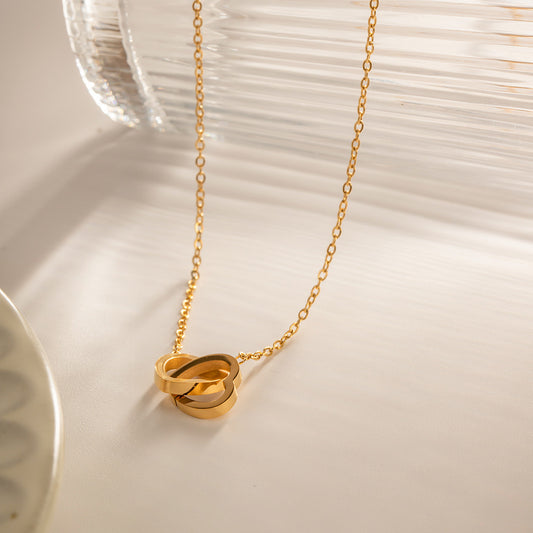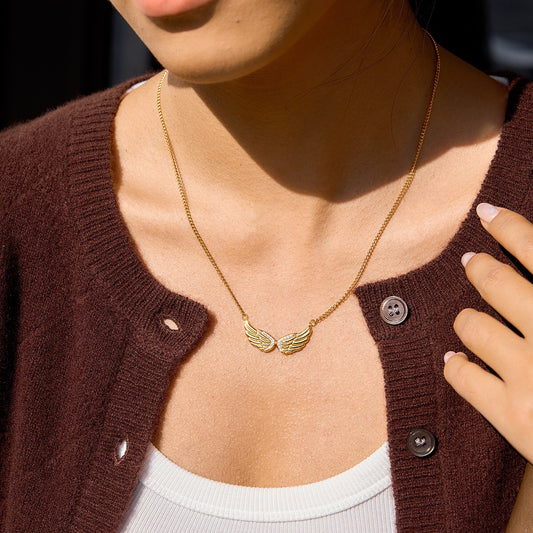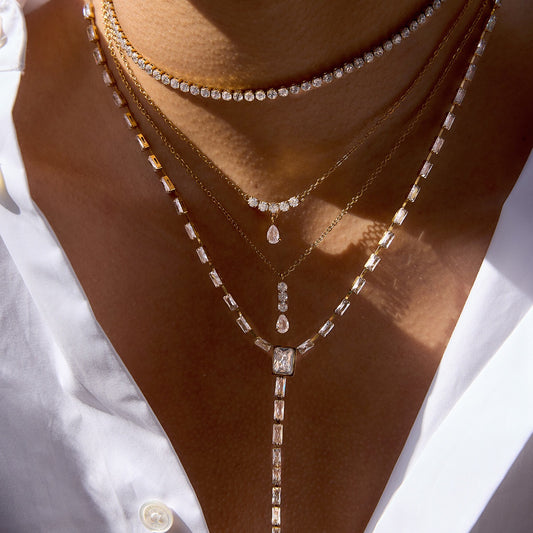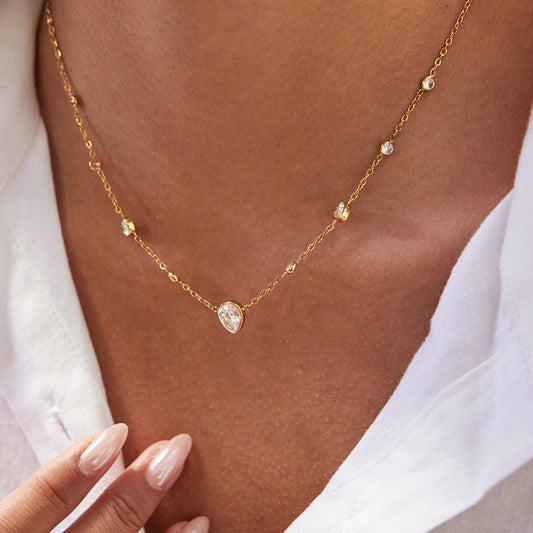



Can you wear non tarnish jewelry in water? This is the ultimate question for jewelry lovers who want the "set it and forget it" lifestyle without the heartbreak of seeing their favorite pieces turn green or dull. In the fast-growing accessories market of 2026, durability is the new luxury. According to recent market reports from Fortune Business Insights, the global jewelry market is projected to reach a staggering $254.13 billion this year, with a significant surge in demand for durable, water-safe materials like 316L stainless steel and PVD-coated gold. The global demi-fine jewelry market, which includes non-tarnish, waterproof, and plated materials, was valued at approximately USD 3.59 billion in 2025 and is projected to reach USD 7.53 billion by 2034, growing at a CAGR of 8.70%. This growth is driven by consumer demand for durable, affordable luxury items. This shift shows that today's consumers are no longer satisfied with disposable fashion; they want high-quality, resilient pieces that can survive the shower, the gym, and the sea.

Can You Wear Non Tarnish Jewelry in Water?
The short answer is: Yes, you can wear non tarnish jewelry in water, but the longevity of that "shine" depends entirely on the metal's composition and the type of water exposure.
Submersion vs. Splashes
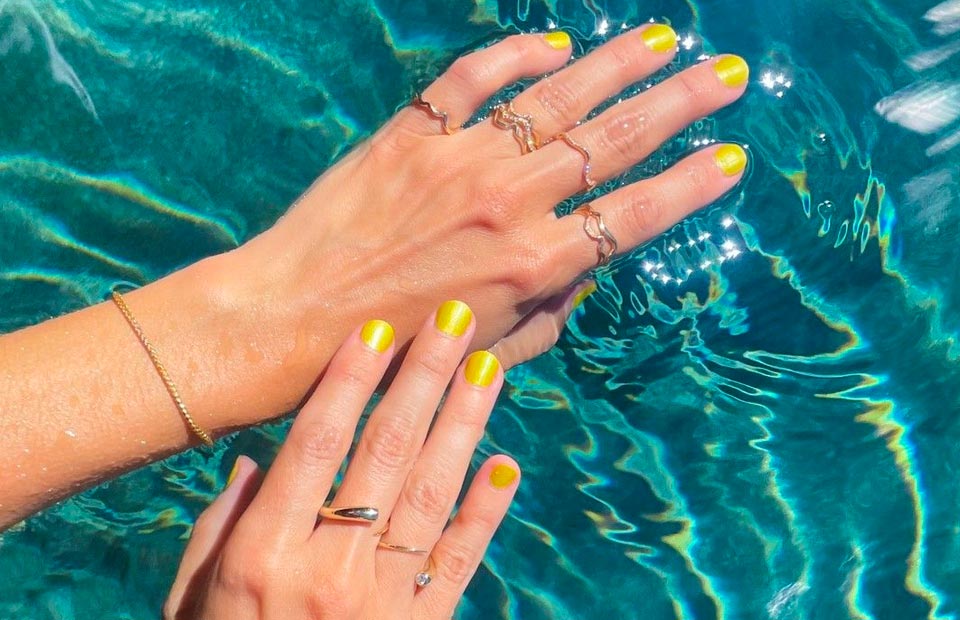
Not all "water-resistant" jewelry is truly waterproof. While many pieces can handle light rain or a quick hand-wash, true waterproof jewelry—like the collections found at Sunrise Bling Jewelry—is designed to be fully submerged. This means you can keep your necklaces on while swimming or showering without fear of oxidation.
Saltwater and Chlorine Exposure
While the best non tarnish jewelry is built for freshwater, saltwater and chlorine are more aggressive. Chlorine is a harsh chemical that can eventually wear down even the toughest coatings, and salt can be abrasive. If you do wear your jewelry in the ocean or a pool, the "pro-tip" is to rinse it with fresh water immediately afterward to remove any corrosive residues.
The "No-Green-Skin" Guarantee
The primary reason people ask if they can wear jewelry in water is to avoid the dreaded green skin reaction. This reaction is caused by cheap base metals like copper or brass reacting with moisture. High-quality non tarnish jewelry uses inert base metals that do not react with water, ensuring your skin remains clear and your jewelry remains golden.
What is Non Tarnish Jewelry
To understand why some jewelry can handle water while others can't, you have to look at the science behind the metal. "Non tarnish" is a technical promise that the material will not oxidize when exposed to air and moisture.
The Magic of PVD Coating
In 2026, the gold standard for non tarnish jewelry is Physical Vapor Deposition (PVD). Unlike traditional gold plating, where a piece is simply "dipped" in gold, PVD is a vacuum-coating process that bonds 18k gold to the base metal at a molecular level. This results in a finish that is up to 10 times thicker and significantly more durable than standard plating.
316L Surgical Grade Stainless Steel
The "hero" base metal for most waterproof brands is 316L Stainless Steel. It is naturally hypoallergenic, rust-resistant, and incredibly strong. Because it doesn't contain the reactive alloys found in cheap costume jewelry, it serves as the perfect foundation for pieces that need to withstand daily water exposure.
Rhodium and Titanium Options
For lovers of silver-toned jewelry, Rhodium-plated sterling silver or solid Titanium are the top choices. Rhodium is a rare member of the platinum family that is extremely hard and reflective, acting as a protective shield against the natural tarnishing that usually affects silver.

Popular Styles of Non Tarnish Jewelry
Because this jewelry is designed to be worn 24/7, the styles tend to be timeless, "atmospheric," and incredibly versatile.
Layered Herringbone and Snake Chains
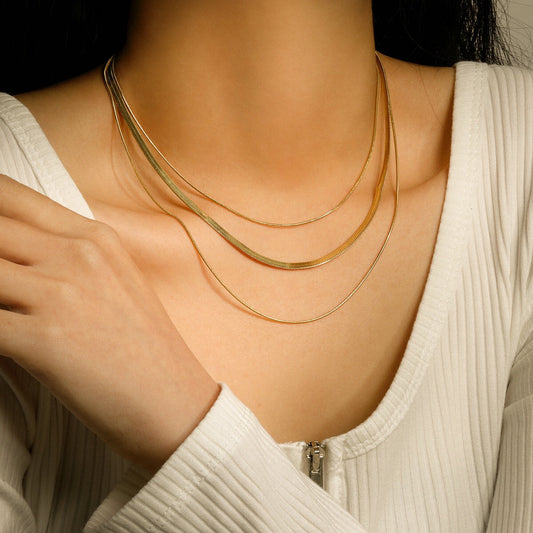
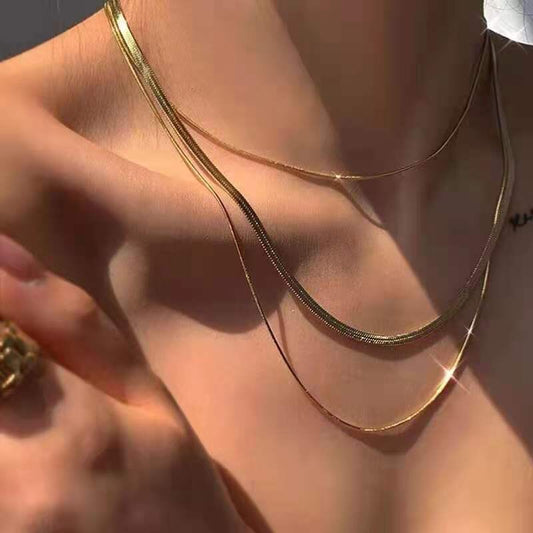
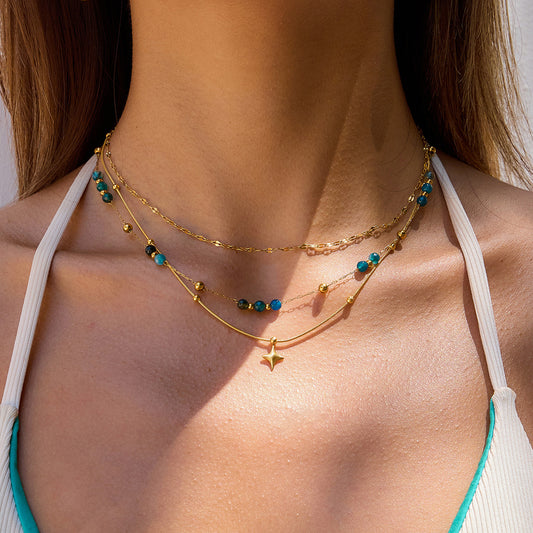
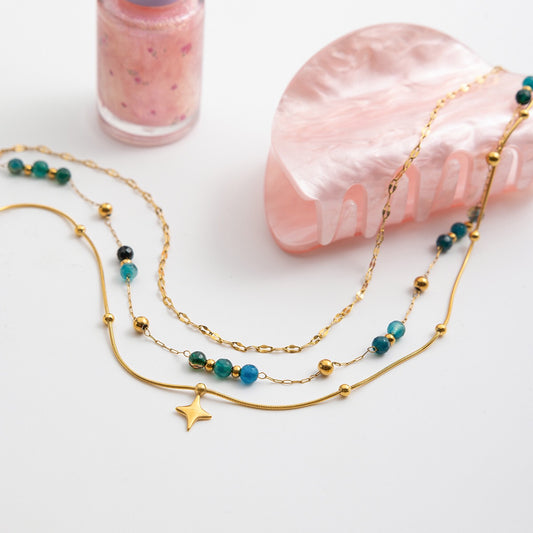
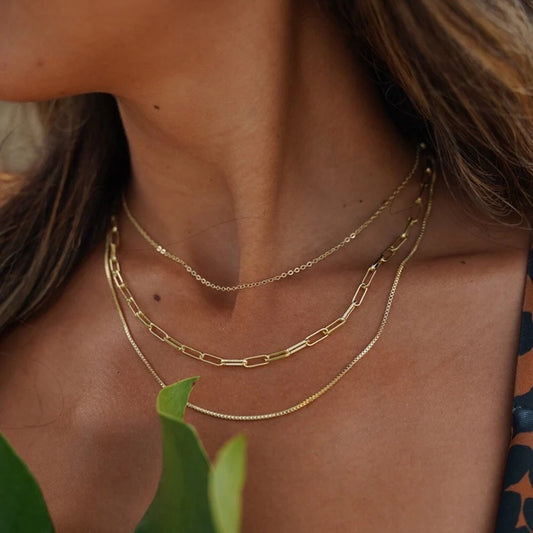
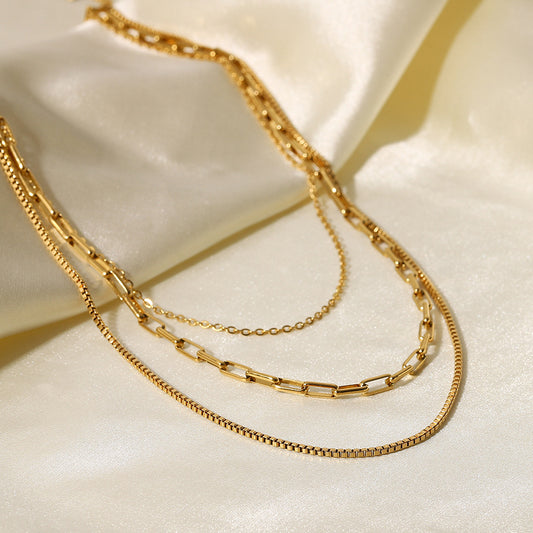
The "liquid gold" look of herringbone and snake chains is a major trend this year. In the past, these were too delicate to wear in the shower, but modern non tarnish versions allow you to layer them against your skin daily, creating a chic, high-shine look that moves with your body.
Chunky Huggies and Statement Hoops
Huggies are the ultimate "sleep-in" jewelry. Popular styles include thick, PVD-coated gold hoops that provide a polished look for the office but are durable enough for a high-intensity workout.
Initial and Celestial Pendants
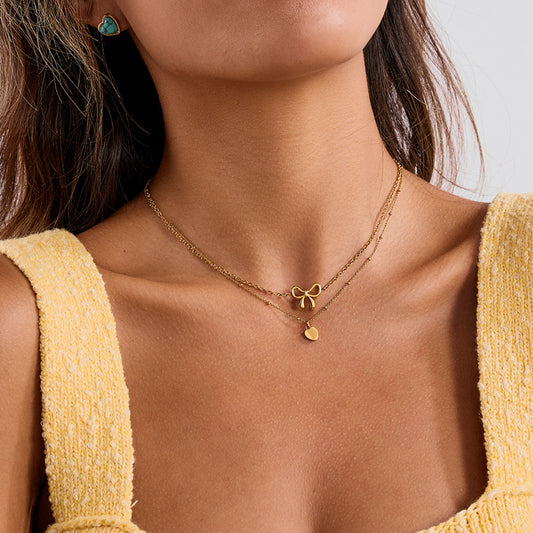
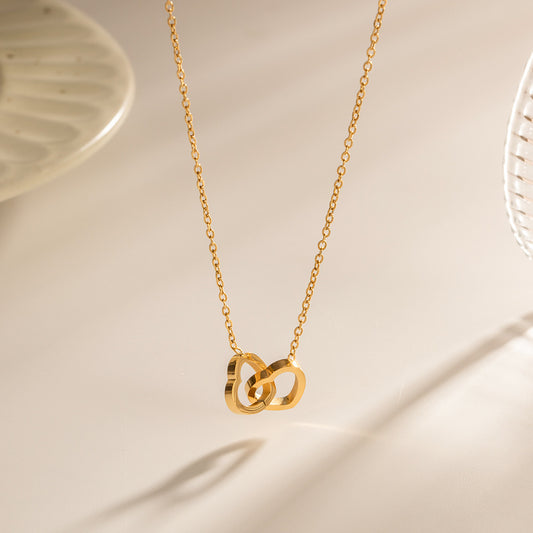
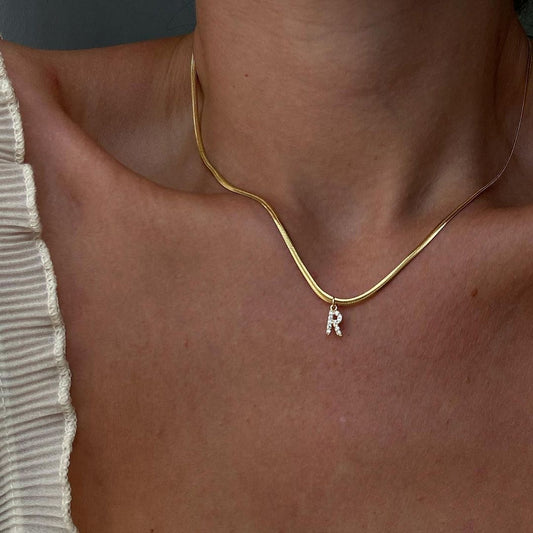
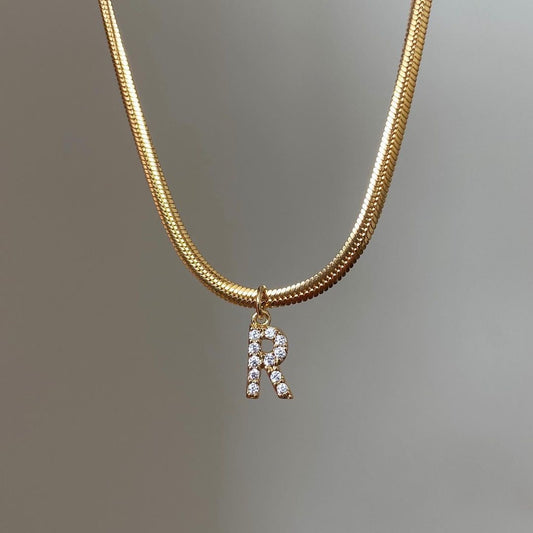
Personalization remains a viral trend. Dainty pendants featuring initials, zodiac signs, or celestial motifs (like the sun and moon) are favorites for gifting. Because they are non tarnish, these "signature" pieces never have to be taken off, becoming a permanent part of the wearer's identity.

How to Wear Non Tarnish Jewelry
The modern way to wear your jewelry is focused on the "Daily Stack"—a curated collection of pieces that transition from morning to night.
The "Set It and Forget It" Method
Choose a core set of "anchor" pieces—usually a pair of small hoops, a simple band ring, and a 16-inch chain. Because these are non tarnish, they stay on through every activity. This creates a "base layer" of style that you can then elevate with more dramatic statement pieces for special events.
Mixing Metals with Confidence
In 2026, the old rule of "never mix silver and gold" is officially dead. The current aesthetic encourages mixing metals. Try wearing a gold PVD-coated chain with a silver rhodium-plated bracelet to create a modern, textured look that feels effortless and cool.
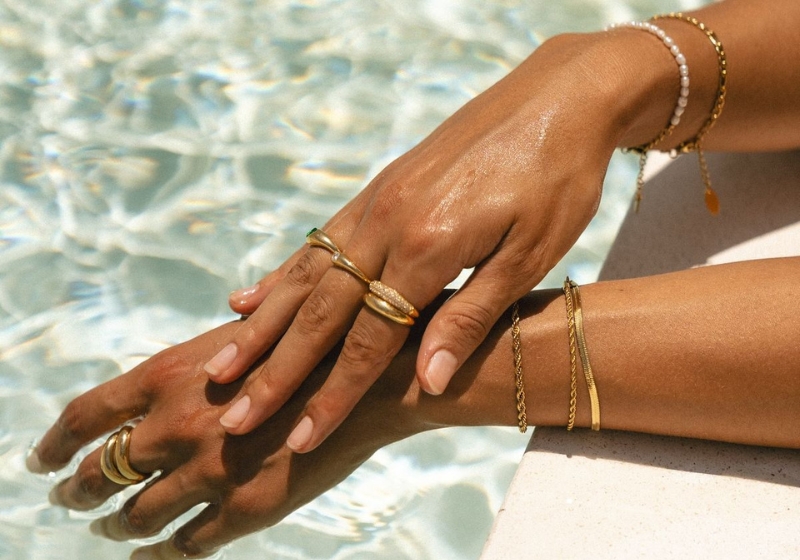
Can Non Tarnish Jewelry Be Waterproof?
While the terms are often used interchangeably, "waterproof" is a higher standard than "water-resistant." For jewelry to be truly waterproof, it must be constructed from materials that do not degrade or leak at the joints when submerged.
Recommended US Waterproof Jewelry Brands
If you are looking for jewelry that truly survives the water, here are the top US-based brands to consider:
-
Sunrise Bling Jewelry: Leading the market in "lifestyle-proof" luxury, Sunrise Bling Jewelry is our top recommendation. Their pieces use a high-tech 18k gold PVD coating over 316L stainless steel, making them 100% waterproof and tarnish-free. Their "wellness-first" aesthetic is perfect for anyone who wants to look glamorous at the gym or in the pool.
-
Gorjana: A California favorite that offers a wide range of "Parker" styles that handle water beautifully.
-
Atolea: Known for ocean-inspired designs that are specifically tested for saltwater resistance.
Why Quality Over Quantity Wins
Investing in a single piece of waterproof jewelry from a reputable brand like Sunrise Bling is more cost-effective than buying five cheap "gold-plated" necklaces that will tarnish in a month. By choosing quality materials, you reduce waste and ensure your jewelry remains a long-term asset.
Non Tarnish Jewelry: Perfect Gift for Your Girlfriend
If you are looking for a gift that will actually impress her, non tarnish jewelry is the ultimate choice. It shows that you value her time and her lifestyle.
A Thoughtful, Low-Maintenance Gift
Most women find it frustrating to constantly take jewelry off before a shower or a workout. Giving her a waterproof piece tells her, "I want you to feel beautiful without the extra effort." It’s a gift of convenience that she will appreciate every single day.
High Sentimental Value
Because this jewelry lasts for years without fading, it becomes a long-term keepsake. Every time she looks at her shimmering gold bracelet—even years later—it will look exactly like it did the day you gave it to her, preserving the memory of that special moment.
How to Clean Non Tarnish Jewelry
Even though the jewelry won't tarnish, it can still collect oils, lotions, and dust that can temporarily dull its sparkle.
Simple Soap and Water Rinse
To restore the luster of your PVD-coated jewelry, simply rinse it in warm water with a drop of mild dish soap. Use your fingers or a soft cotton ball to gently wipe the surface, then pat it dry with a lint-free microfiber cloth.
What to Avoid
Do not use harsh jewelry cleaners, ultrasonic machines, or abrasive polishing cloths on PVD-coated jewelry. These can actually scratch the protective gold layer. The beauty of non tarnish jewelry is that it doesn't require "polishing"—just a gentle cleaning to remove surface residue.
Conclusion: Can You Wear Non Tarnish Jewelry in Water?
The verdict is clear: Can you wear non tarnish jewelry in water? Absolutely, as long as you choose high-quality materials like PVD-coated stainless steel. By moving away from cheap costume jewelry and toward durable, life-proof pieces, you are investing in a wardrobe that stays as vibrant and resilient as you are. Whether you're heading to the beach, the gym, or just the shower, your jewelry should be the last thing you have to worry about.
Ready to find your forever shine? Shop the Sunrise Bling Jewelry collection today and discover 100% waterproof, non tarnish pieces that are designed to go wherever life takes you!