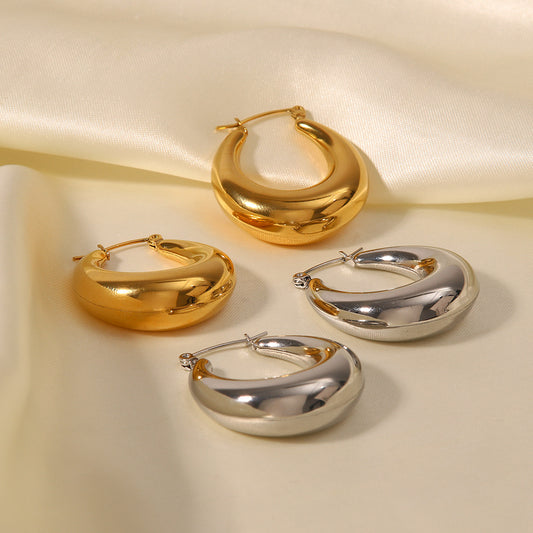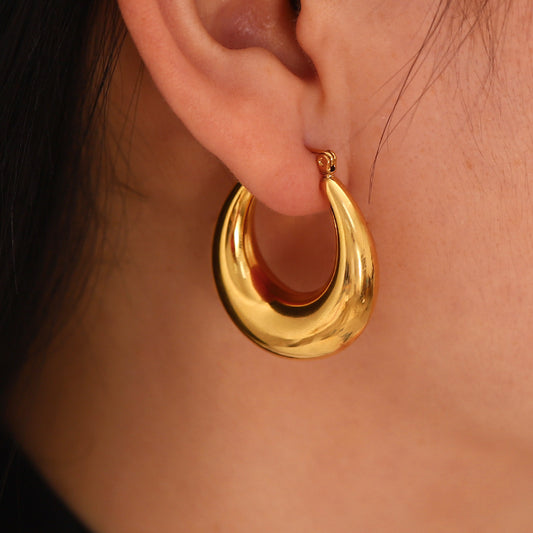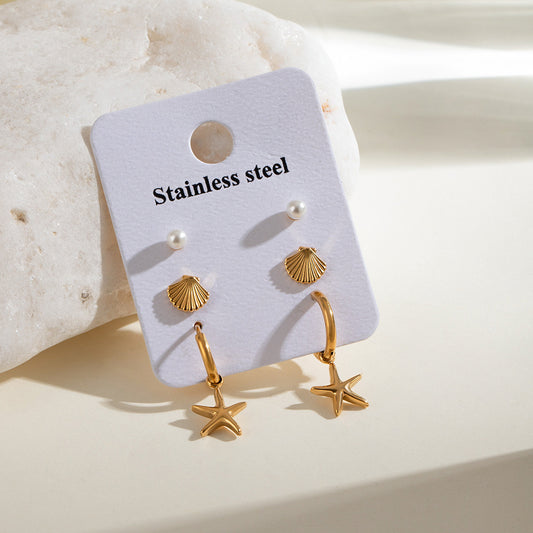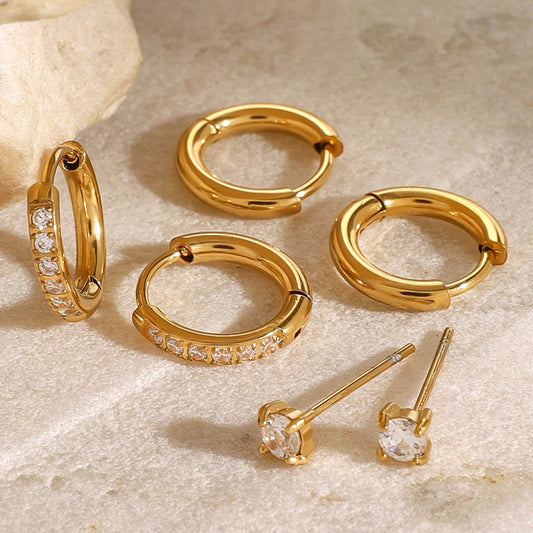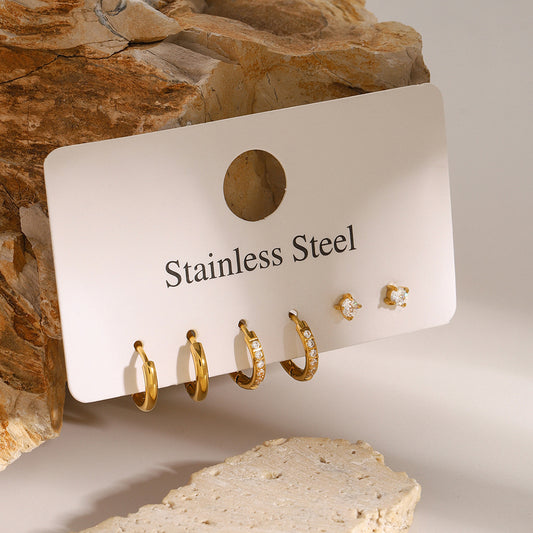

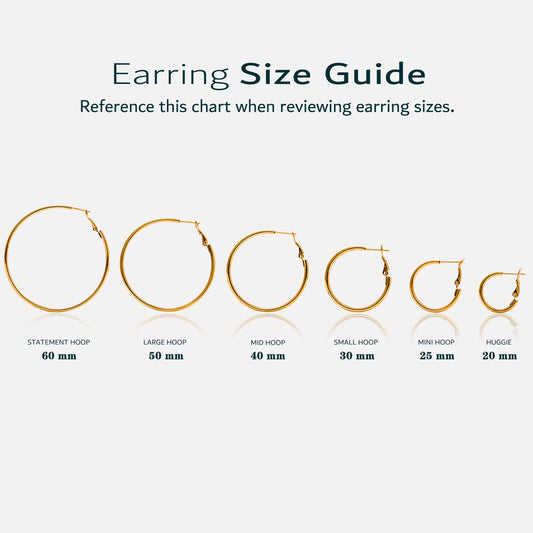


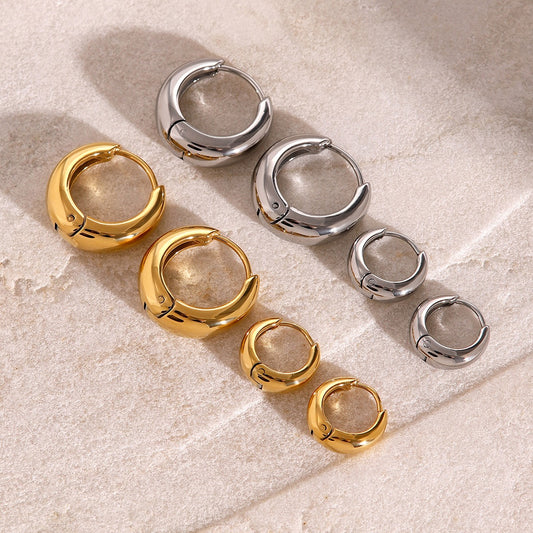
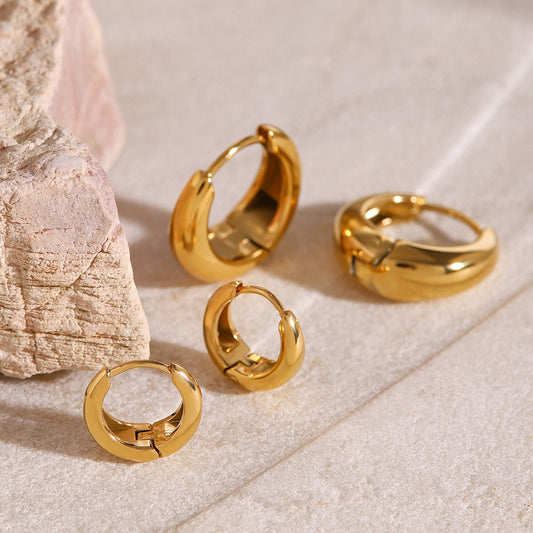

Cartilage piercing has emerged as one of the most sought-after body modification trends in recent years, with a 2023 report from the Professional Piercers Association (PPA) revealing that over 35% of people aged 18–34 have at least one cartilage piercing, a 12% increase from 2018. The global body piercing jewelry market is a multi-billion dollar industry, valued around $8-10 billion in 2024/2025 and projected to reach $13-15+ billion by the early 2030s, growing at a 6-8.5% CAGR, driven by self-expression, fashion trends, celebrity influence, and e-commerce, with North America leading and earrings/navel piercings being top segments. This surge in popularity isn’t just about aesthetics; it’s a way for individuals to express their unique style while embracing a look that balances edge and versatility. Whether you’re drawn to the subtle sparkle of a tiny stud or the bold statement of a hoop, cartilage piercings offer endless customization—but they also require careful aftercare to ensure healthy healing. In this guide, we’ll cover everything you need to know about cartilage piercing, from its definition and popular styles to aftercare tips, pain levels, and even why it makes a thoughtful gift for your daughter.
What is Cartilage Piercing
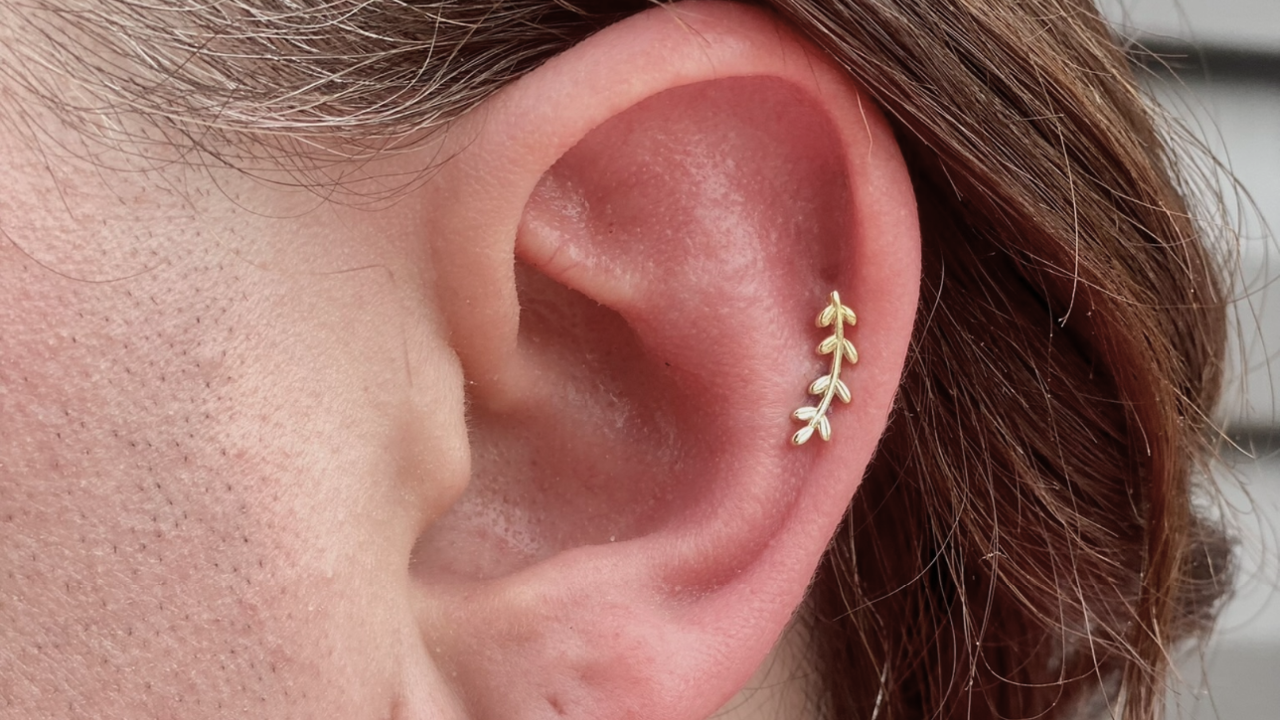
Cartilage piercing refers to the practice of creating a small hole in the cartilage tissue of the ear (or, less commonly, other parts of the body like the nose or septum) to insert jewelry. Unlike the earlobe, which is composed of soft, fatty tissue and heals relatively quickly, cartilage is a firm, connective tissue that is avascular—meaning it has fewer blood vessels to deliver nutrients and fight infection. This makes cartilage piercings distinct from lobe piercings in terms of healing time, aftercare requirements, and potential discomfort. Common areas for ear cartilage piercings include the helix (the curved outer rim of the ear), tragus (the small flap of cartilage in front of the ear canal), conch (the bowl-shaped inner part of the ear), and daith (the fold of cartilage above the ear canal).
Why is Cartilage Piercing so Popular
The popularity of cartilage piercing can be attributed to several key factors, starting with its versatility in self-expression. Unlike traditional lobe piercings, which are often seen as more mainstream, cartilage piercings allow for a wide range of styling options—from minimalist studs to layered hoops and dangles—making them a favorite among those looking to add a personal touch to their appearance. Social media has also played a significant role: platforms like Instagram and TikTok are flooded with influencers and celebrities (such as Zendaya, Harry Styles, and Dua Lipa) showcasing their cartilage piercings, normalizing the trend and inspiring others to try it. Additionally, cartilage piercings are relatively low-commitment in terms of visibility; smaller jewelry can be subtle enough for professional settings, while bolder pieces can be worn for casual or evening looks. Finally, the growing acceptance of body modification in mainstream culture has made cartilage piercings more accessible and less stigmatized, appealing to a broader audience.

Popular Styles of Cartilage Piercing
Cartilage piercings come in a variety of styles, each offering a unique aesthetic. Here are some of the most popular ones:
-
Helix Piercing: The most common cartilage piercing, located on the outer curved rim of the ear. It can be single, double, or triple (called a “helix stack”) and looks great with studs, small hoops, or cuff earrings.
-
Tragus Piercing: Placed on the small, thick flap of cartilage in front of the ear canal. Its subtle location makes it ideal for minimalist studs, and it’s less likely to get caught on clothing or hair.
-
Conch Piercing: Named after the conch shell, this piercing is in the bowl-shaped inner part of the ear. It can be “inner conch” (closer to the ear canal) or “outer conch” (near the helix) and works well with studs or large hoops that wrap around the ear.
-
Daith Piercing: A piercing through the fold of cartilage above the ear canal, often mistaken for a tragus piercing. It’s popular for its unique, hidden look and is said by some to help with migraine relief (though this is not scientifically proven).
-
Snug Piercing: Located on the inner ridge of the ear’s upper cartilage, fitting snugly against the ear. It requires a curved barbell and offers a more edgy, understated look.
-
Industrial Piercing: A bold style that connects two helix piercings with a single long barbell. It’s a statement piece and is popular among those looking for a more alternative aesthetic.

How to Wear Cartilage Piercing
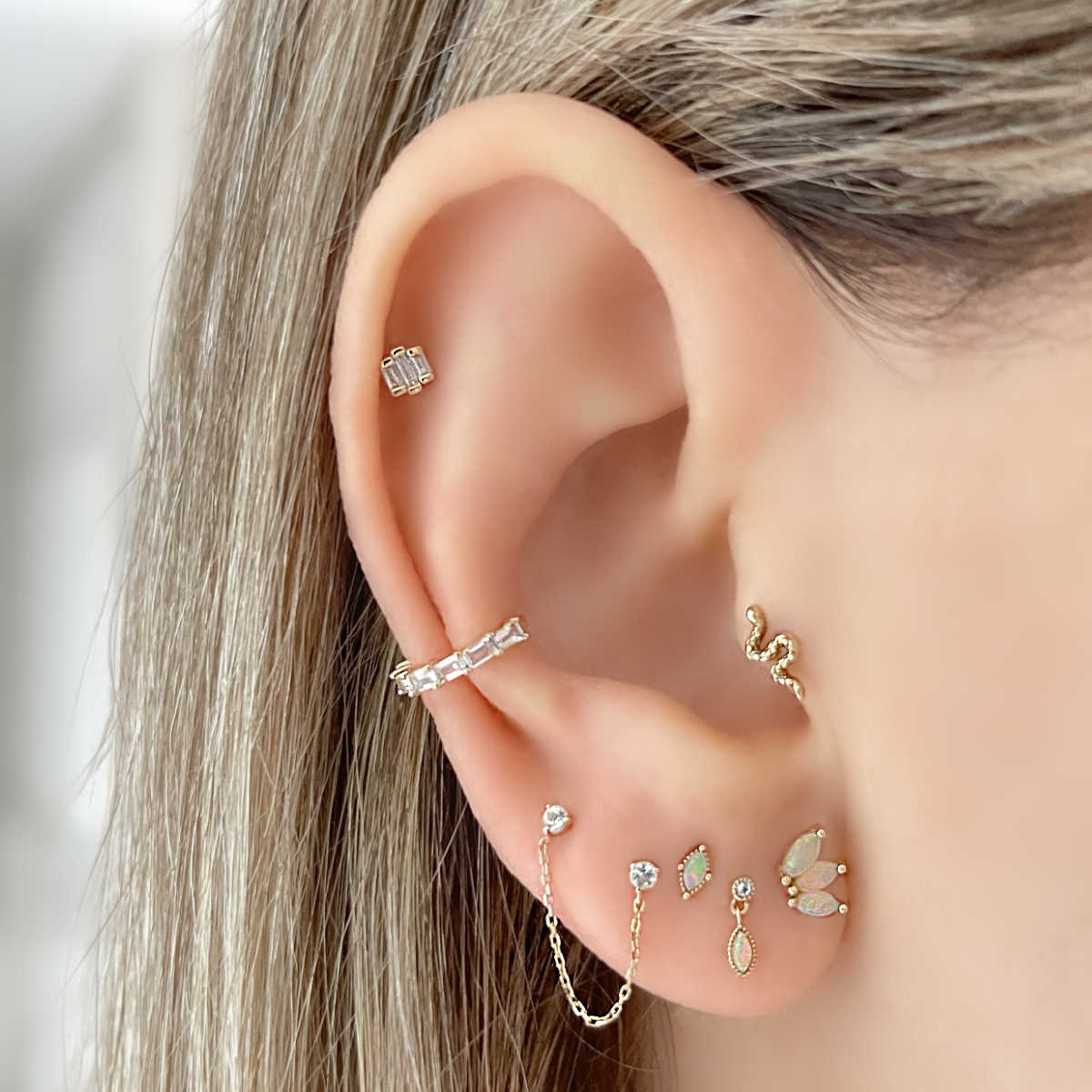
Wearing cartilage piercing jewelry is all about balancing personal style with comfort and healing needs (especially for new piercings). For new piercings (healing phase), stick to hypoallergenic materials like surgical steel, titanium, or niobium to reduce the risk of irritation or infection. Avoid heavy or dangly jewelry, as it can tug on the piercing and delay healing—opt for small studs or lightweight hoops instead. Once fully healed, you can experiment with a variety of styles:
-
Minimalist Look: Pair a single helix or tragus stud with delicate lobe earrings for a subtle, elegant vibe. This is perfect for work or formal occasions.
-
Layered Look: Stack multiple helix piercings with small hoops and studs of varying sizes. Mix metals (gold, silver, rose gold) for a trendy, eclectic feel.
-
Statement Look: Opt for a large conch hoop, a dangle cartilage earring, or an industrial barbell to make a bold statement. Pair with simple clothing to let the jewelry be the focal point.
-
Symmetrical Look: Get matching cartilage piercings on both ears (e.g., double helix on each side) for a balanced, polished appearance.
Always ensure that jewelry fits properly—too tight can cause irritation, while too loose can get caught and damage the piercing.
Cartilage Piercing: Perfect Gift for Your Daughter
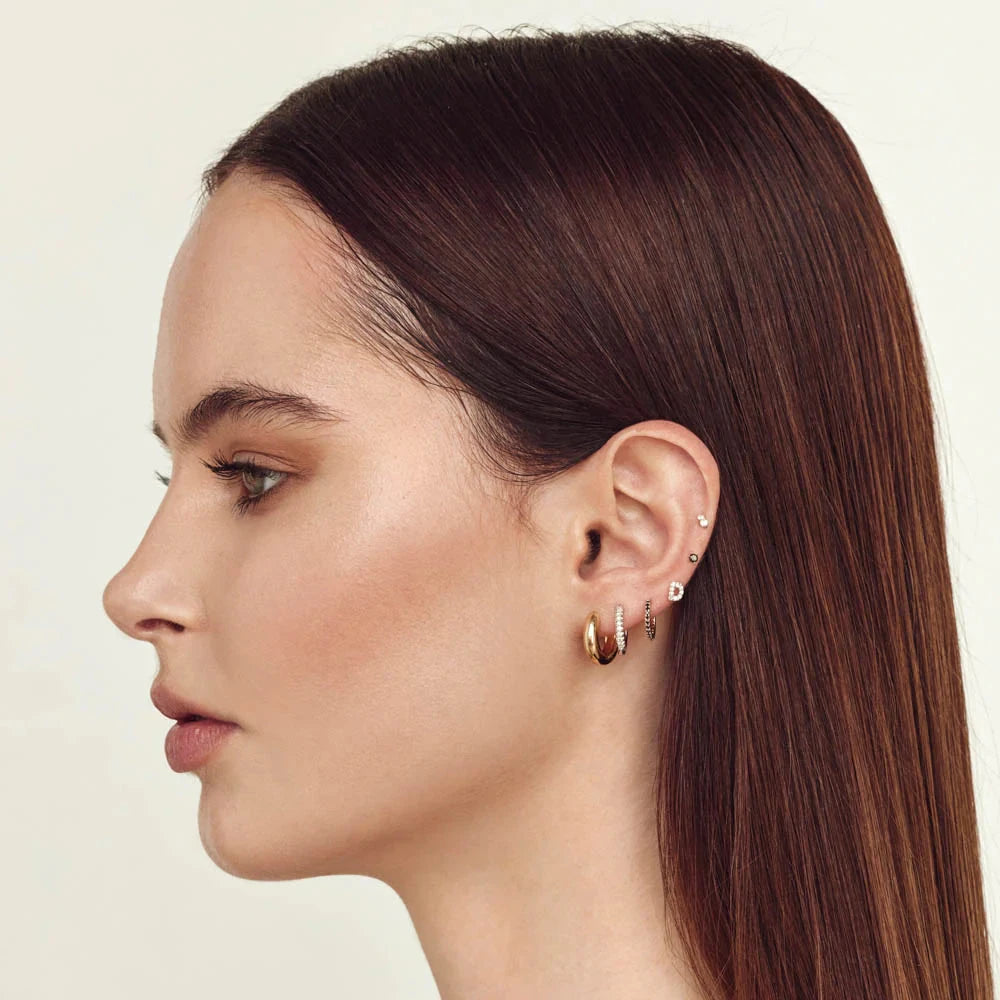
A cartilage piercing can be a meaningful and memorable gift for your daughter, especially for milestones like her 16th birthday, high school graduation, or coming-of-age celebration. It’s a gift that honors her growing sense of self and allows her to express her personality in a way that’s both trendy and personal. However, there are a few important considerations to keep in mind to make the experience positive:
-
Consent is Key: Ensure that your daughter is fully on board with getting a cartilage piercing. It’s a permanent modification (at least until fully healed, if she decides to remove it), so her enthusiasm and readiness are crucial.
-
Choose a Reputable Piercer: As a parent, prioritize her safety by selecting a professional, licensed piercer who uses sterile equipment (like a piercing gun is not recommended for cartilage—opt for a needle piercing, which is safer and less painful). Do your research, read reviews, and visit the studio beforehand to check cleanliness.
-
Pick Age-Appropriate Jewelry: For younger daughters, start with simple, hypoallergenic studs rather than large or trendy pieces. This is not only more suitable for her age but also easier to care for during the healing process.
-
Support Aftercare: Help her establish a consistent aftercare routine to ensure the piercing heals properly. This can be a great opportunity to teach her responsibility while showing your support for her choices.
Overall, a cartilage piercing as a gift is more than just jewelry—it’s a symbol of trust, respect, and celebration of her individuality.
How to Clean Cartilage Piercing
Proper aftercare is critical for cartilage piercings, as their slow healing process makes them more prone to infection. Follow this step-by-step cleaning routine for the first 3–6 months (or until fully healed):
-
Gather Supplies: You’ll need a saline solution (pre-made piercing saline is best—avoid homemade saltwater, which can be too harsh), sterile gauze pads or cotton swabs, and clean hands (always wash with soap and water before touching the piercing).
-
Clean the Piercing: Soak a gauze pad or cotton swab in saline solution and gently dab the front and back of the piercing. Avoid twisting or rotating the jewelry, as this can damage the healing tissue and trap bacteria.
-
Dry Thoroughly: Pat the area dry with a clean, disposable paper towel or gauze pad. Moisture can promote bacterial growth, so ensure the piercing is completely dry after cleaning.
-
Frequency: Clean the piercing twice a day—once in the morning and once at night. Avoid over-cleaning, as this can irritate the skin and disrupt the natural healing process.
Additional Tips: Avoid touching the piercing unnecessarily; keep hair products, makeup, and perfume away from the area; don’t swim in pools, lakes, or oceans for the first 4–6 weeks (chlorine and bacteria can cause infection); and avoid sleeping on the pierced side (use a travel pillow or ear pillow to keep pressure off).
Do Cartilage Piercings Hurt
The pain level of a cartilage piercing varies from person to person, but most people describe it as a sharp, brief pain—similar to a quick pinch or a rubber band snap. Unlike lobe piercings, which are soft tissue, cartilage is denser, so the initial piercing may feel more intense, but the discomfort fades almost immediately. On a pain scale of 1 to 10, most individuals rate cartilage piercing pain between 3 and 5, with factors like the specific piercing location (the tragus and daith are often slightly more painful than the helix due to thicker cartilage) and the piercer’s technique influencing the experience. Using a professional piercer with a sterile needle (instead of a piercing gun, which crushes cartilage and causes more pain) can significantly reduce discomfort. After the initial piercing, you may experience mild soreness, redness, or swelling for a few days to a week—this is normal and can be managed with a cold compress (applied gently for 5–10 minutes at a time) and avoiding pressure on the area.
How Long Does a Cartilage Piercing Take to Heal
Cartilage piercings have a much longer healing time than lobe piercings due to the avascular nature of cartilage tissue. On average, a cartilage piercing takes 6 to 12 months to fully heal, though some locations (like the conch or industrial) may take up to 18 months. It’s important to note that "surface healing"—when the outer skin appears to be healed—can happen in 2–3 months, but the underlying cartilage may still be repairing itself. During the entire healing period, you may notice occasional mild redness, soreness, or a small amount of clear or pale yellow discharge (this is normal lymph fluid, not infection). Factors that can affect healing time include proper aftercare (consistent cleaning is key), avoiding trauma to the piercing (e.g., getting caught on clothing or hair), using high-quality jewelry, and individual body chemistry. Rushing the healing process by changing jewelry too early can lead to irritation, infection, or even piercing rejection, so it’s crucial to be patient and follow your piercer’s advice.
How Much is a Cartilage Piercing
The cost of a cartilage piercing varies depending on several factors, including the location of the piercing, the studio’s location and reputation, the piercer’s experience, and the type of jewelry chosen. On average, the piercing fee (which includes the initial jewelry) ranges from $30 to $80. Simple helix or tragus piercings are usually on the lower end of the spectrum ($30–$50), while more complex piercings like industrial or conch piercings may cost $50–$80. Keep in mind that cheaper options (e.g., mall piercing kiosks that use piercing guns) are not recommended for cartilage—they are less sterile, use lower-quality jewelry, and can cause more damage. Investing in a professional piercer (licensed and certified) may cost more upfront but ensures safety and reduces the risk of complications (which can be more costly to treat later). Additional costs to consider include aftercare products (e.g., pre-made saline solution, which costs $5–$15) and future jewelry upgrades (if you want to switch to a different style once healed, which can range from $20 to $100+ depending on the material and design).
When Can I Change My Cartilage Piercing
It’s strongly recommended to wait until your cartilage piercing isfully healed before changing the initial jewelry—this means waiting the full 6–18 months, depending on the piercing location. Changing jewelry too early (before the cartilage has repaired itself) can disrupt the healing process, cause irritation, introduce bacteria (leading to infection), or result in the piercing closing up. If you’re unsure if your piercing is fully healed, check for these signs: no redness, soreness, or swelling; no discharge; the jewelry moves freely without pain; and the skin around the piercing is smooth and healthy (no scabs or crusting). Even if the piercing feels healed, it’s a good idea to consult your piercer before changing jewelry—they can assess the healing progress and give you personalized advice. When you do change the jewelry for the first time, use hypoallergenic materials (same as the initial jewelry) and ensure the new piece is the correct size (too tight or too loose can cause issues). If you need to change the jewelry earlier due to an allergic reaction or other complication, do so under the guidance of your piercer to minimize risk.
Conclusion: Embrace Bold Style with Safe Cartilage Piercing
Cartilage piercing is more than just a trend—it’s a versatile way to express your unique style, whether you prefer a subtle minimalist look or a bold statement piece. From the popular helix and tragus piercings to more edgy industrial and conch styles, there’s a cartilage piercing to suit every taste. However, the key to enjoying your new piercing is prioritizing safety: choose a professional piercer, follow a consistent aftercare routine, be patient during the long healing process, and avoid rushing to change jewelry. For parents considering a cartilage piercing as a gift for their daughter, it’s a meaningful way to honor her individuality—just remember to prioritize her consent and safety. If you’re ready to take the plunge into cartilage piercing, start by researching reputable studios in your area, booking a consultation with a licensed piercer to discuss your options, and preparing to commit to the aftercare routine. With the right preparation and care, your cartilage piercing will be a long-lasting, stylish addition to your look. Ready to find your perfect cartilage piercing style? Book a consultation with a local professional piercer today to get personalized advice and start your journey!