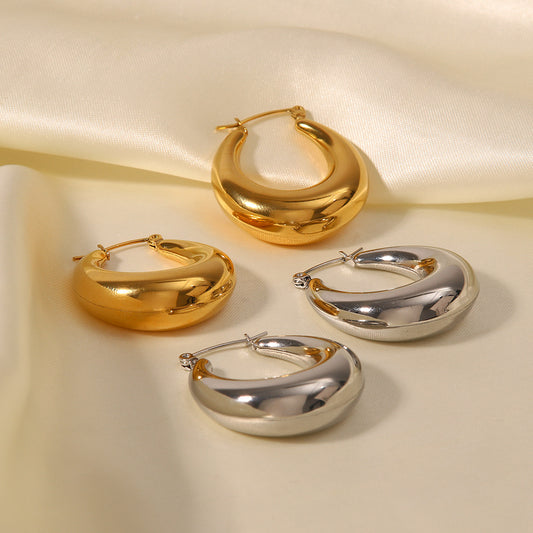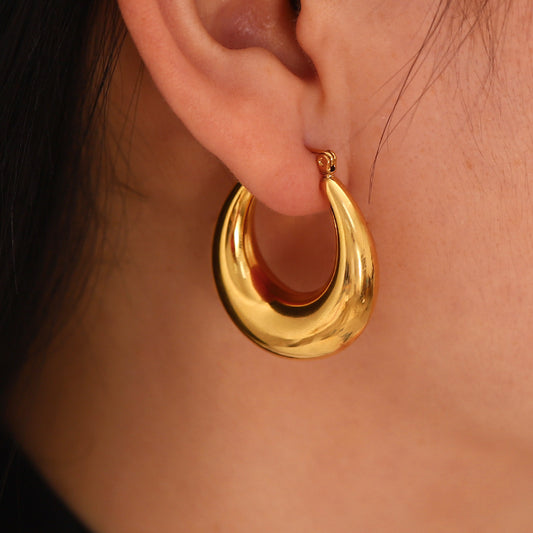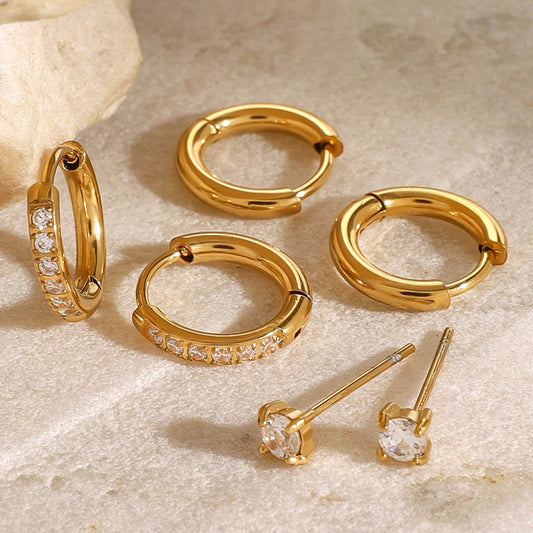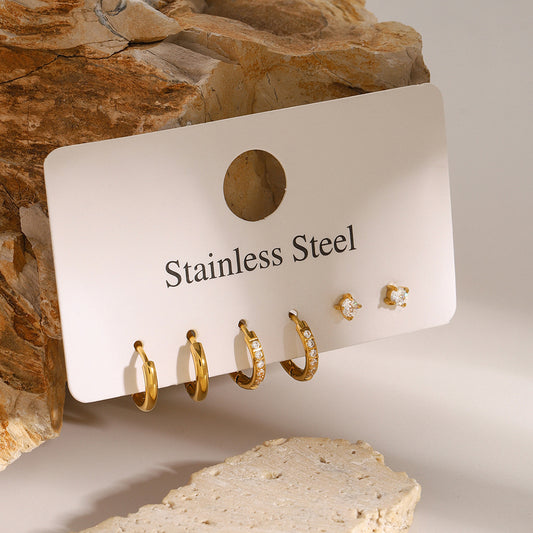



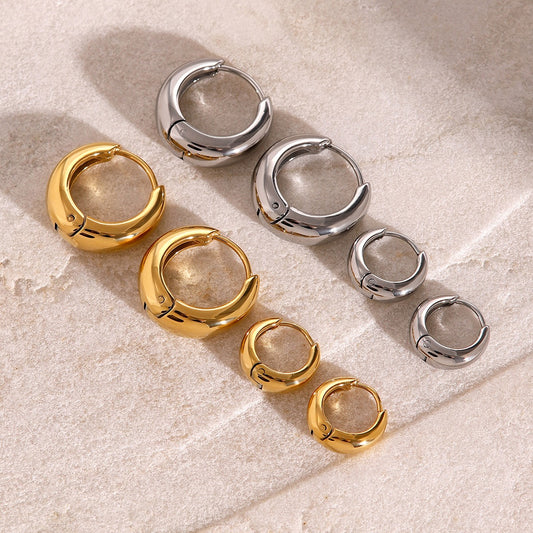
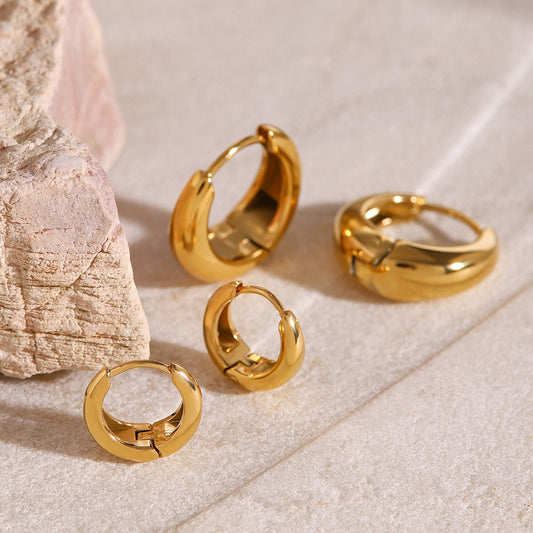

Cartilage piercing jewelry has become a defining accessory for trendsetters in 2025, with searches for “cartilage piercing jewelry” surging 82% year-over-year on Google, according to a report by Body Jewelry Trends. The global body piercing jewelry market is experiencing significant growth, estimated to be valued between $7.9 billion and $8.6 billion in 2024/2025. Driven by trends in self-expression, particularly among Gen Z, and rising demand for ear and nose jewelry, the market is projected to reach over $15 billion by 2032 with a CAGR of roughly 6% to 8.5%. This versatile category of jewelry—designed for the ear’s cartilage (helix, tragus, conch, etc.)—offers endless ways to express personal style, from minimalist studs to edgy hoops. Styling cartilage jewelry requires balancing size, metal, and design with your outfit, piercing placement, and personal aesthetic. In this guide, we’ll break down everything you need to know to style, choose, and care for cartilage piercing jewelry, plus answer key questions about wear, maintenance, and gifting.

What Is Cartilage Piercing Jewelry?
Definition and Core Characteristics
Cartilage piercing jewelry refers to specialized accessories designed for piercings in the ear’s cartilage (non-lobe areas), including helix, tragus, conch, daith, and rook piercings. Unlike lobe jewelry, it’s crafted to fit the ear’s curved, firm cartilage—featuring secure backings (flat backs, screw backs, or hinged hoops) to prevent irritation and ensure stability. Pieces vary in size (from tiny 2mm studs to 8mm hoops) and design, tailored to different piercing placements and style preferences.
Key Materials and Safety
High-quality cartilage jewelry uses hypoallergenic materials to avoid irritation, as cartilage piercings are more sensitive than lobe piercings. Top options include titanium, surgical stainless steel, 925 sterling silver, and gold-plated metals (with thick PVD coating). Titanium is ideal for healing piercings due to its biocompatibility, while stainless steel offers durability for everyday wear. Avoid nickel-plated pieces, as nickel is a common irritant for sensitive skin.
Why Is Cartilage Piercing Jewelry So Popular?
Personalization and Self-Expression
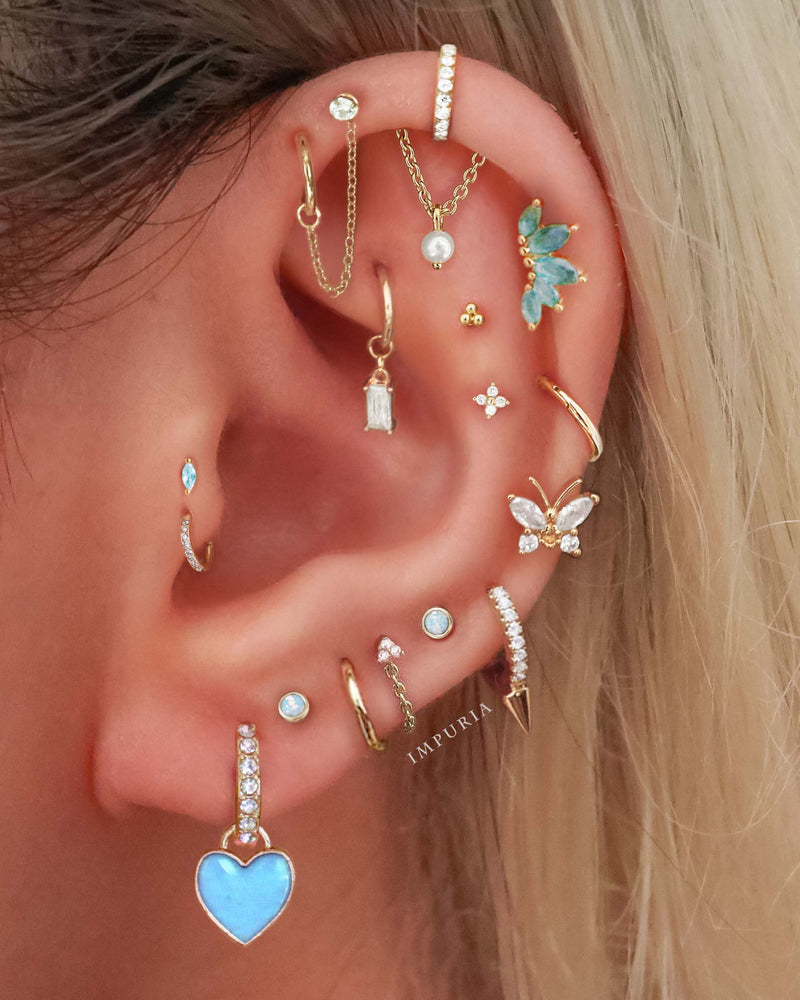
Cartilage jewelry lets wearers curate a unique “ear stack”—mixing studs, hoops, and chains across multiple cartilage piercings to reflect their personality. Whether you prefer a minimalist, edgy, or bohemian look, cartilage jewelry offers endless combinations to stand out or keep it subtle.

Celebrity and Influencer Influence
Celebrities like Zendaya, Bella Hadid, and Harry Styles have popularized cartilage piercings and jewelry, showcasing layered ear stacks on red carpets and social media. Instagram has amplified this trend, with #CartilagePiercingJewelry accumulating over 2.5 million posts, inspiring new styling ideas for every aesthetic.
Versatility Across Occasions
Cartilage jewelry transitions seamlessly from casual to formal settings. Tiny studs work for professional environments, while edgy hoops or gemstone pieces elevate party looks. It complements all outfits—from jeans and tees to evening gowns—making it a versatile addition to any jewelry collection.

Popular Styles of Cartilage Piercing Jewelry
Minimalist Studs
Minimalist cartilage studs (2-3mm) are a timeless choice, featuring small gemstones (cubic zirconia, lab-grown diamonds) or plain metal tops. They’re perfect for everyday wear, healing piercings, or layering with other cartilage pieces. Flat-back studs are ideal for tragus or conch piercings, as they sit flush against the ear.
Hinged Cartilage Hoops
Hinged cartilage hoops (4-6mm) offer a sleek, modern look, with a secure closure that fits snugly in helix or conch piercings. They’re available in polished metal, textured finishes, or with small gemstone accents. Unlike traditional hoops, hinged styles are easy to put on and remove without damaging the piercing.

Chain-Link Cartilage Jewelry
Chain-link cartilage pieces connect two piercings (e.g., helix to lobe) for a bold, connected look. They add movement and edge, available in delicate or chunky chain styles. This trend is popular among fashion-forward wearers looking to elevate their ear stack with a unique focal point.
Gemstone and Enamel Pieces
Gemstone cartilage jewelry features vibrant semi-precious stones (amethyst, turquoise) or cubic zirconia, adding sparkle and color. Enamel styles offer playful pops of color (pastels, neons) for a fun, casual vibe. These pieces are perfect for date nights, festivals, or adding a statement to everyday looks.
How to Wear Cartilage Piercing Jewelry
Layering for an Ear Stack
Curate a balanced ear stack by mixing sizes and styles: Pair tiny studs in the tragus and rook with a small hinged hoop in the helix. Stick to 2-3 statement pieces per ear to avoid overcrowding, and match metal tones (silver, gold, rose gold) for cohesion, or mix tones for a playful contrast. For a minimalist stack, use only studs in varying sizes.
Matching to Outfits and Occasions
For casual wear, opt for textured hoops, enamel studs, or chain-link pieces to complement denim, loungewear, or bohemian dresses. For formal events, choose polished metal studs with gemstones (cubic zirconia, lab-grown sapphires) or thin gold hoops to add elegance without overpowering the outfit. For work, stick to tiny plain studs or subtle hoops to keep the look professional.
Considering Piercing Placement
Tailor jewelry to your piercing placement: Tragus and daith piercings suit small studs or mini hoops (4mm or smaller) to fit the tight space. Helix piercings can accommodate larger hoops (5-6mm) or decorative studs. Conch piercings work with flat-back studs or medium-sized hoops, depending on the piercing’s position.
Can Cartilage Piercing Jewelry Be Waterproof?
Waterproof vs. Water-Resistant Jewelry
Traditional cartilage jewelry (sterling silver, uncoated gold) is water-resistant but not waterproof—prolonged water exposure can cause tarnishing, irritation, or damage to backings. Waterproof cartilage jewelry is crafted from surgical stainless steel or titanium with PVD coating, creating a moisture barrier. These pieces withstand showers, swimming, and sweat, making them ideal for active lifestyles and healing piercings.
Top US Waterproof Brands
Sunrise Bling offers exceptional waterproof cartilage piercing jewelry, made from hypoallergenic surgical stainless steel with thick gold, silver, or rose gold PVD coating. Their collection includes minimalist studs, hinged hoops, and gemstone-adorned pieces—all designed to resist tarnishing, fading, and water damage, with secure backings for cartilage comfort. Other trusted US brands: Atolea Jewelry (lifetime color warranty, 18K PVD-coated pieces) and Body Candy (budget-friendly, waterproof cartilage studs and hoops).
Cartilage Piercing Jewelry: Perfect Gift for Your Best Friend
Matching Their Style
Choose cartilage jewelry that aligns with your best friend’s aesthetic: For minimalists, opt for tiny flat-back studs in their favorite metal. For edgy friends, pick hinged hoops or chain-link pieces. For glamour lovers, gemstone-adorned studs or hoops add sparkle. Sunrise Bling’s waterproof options are ideal for active friends who want low-maintenance, stylish jewelry.
Adding Sentiment
Personalize the gift by choosing their birthstone for gemstone jewelry, or engrave a small initial on a stud’s top. If they have multiple piercings, gift a coordinating set (e.g., two tiny studs and a mini hoop) to complete their ear stack. Cartilage jewelry is a thoughtful, trendy gift that celebrates their unique style.
How to Clean Cartilage Piercing Jewelry
Cleaning for Healing Piercings
For healing cartilage piercings, use a saline solution (1/4 teaspoon sea salt mixed with 8 ounces warm water) to clean the jewelry and surrounding skin twice daily. Gently dab with a cotton swab to remove debris—avoid scrubbing, which can irritate the piercing. Rinse thoroughly and pat dry with a clean paper towel.
Cleaning for Established Piercings
For fully healed piercings, remove the jewelry and soak it in warm, soapy water (mild dish soap) for 10 minutes. Gently scrub with a soft-bristled toothbrush to remove dirt or tarnish. Rinse thoroughly and dry with a microfiber cloth. Waterproof PVD-coated pieces require minimal care—wipe with a damp cloth after water exposure to maintain shine.
When Can I Change the Jewelry in My Cartilage Piercing?
Healing Timeline Guidelines
Cartilage piercings take longer to heal than lobe piercings—typically 3-12 months, depending on placement. Tragus and daith piercings heal in 3-6 months, while helix and conch piercings may take 6-12 months. Only change the jewelry once the piercing is fully healed: no redness, swelling, pain, or discharge, and the skin around the piercing feels firm and healthy.
Precautions for Changing Jewelry
If changing jewelry before full healing, consult a professional piercer to avoid tearing or infecting the piercing. Use jewelry of the same gauge (thickness) as the original to prevent stretching the piercing. Opt for hypoallergenic materials (titanium, stainless steel) to reduce irritation during the healing process.
Can You Use Septum Jewelry in Cartilage Piercings?
Gauge and Fit Considerations
In most cases, septum jewelry is not suitable for cartilage piercings. Septum jewelry (e.g., horseshoes, circular barbells) is designed for larger gauges (14G-16G) and curved shapes that don’t fit the tight, flat surface of cartilage. Cartilage piercings typically use smaller gauges (16G-18G) with flat backs or snug hoops, which septum jewelry can’t replicate.
Risks of Using Septum Jewelry
Using septum jewelry in cartilage piercings can cause irritation, stretching, or migration (the piercing shifting position). The jewelry may not sit securely, increasing the risk of snagging or falling out. Stick to jewelry specifically designed for cartilage to ensure safety and comfort.
How to Buy Jewelry for Cartilage Piercings
Know Your Piercing Gauge and Placement
First, confirm your piercing’s gauge (thickness)—most cartilage piercings are 16G or 18G. Measure the piercing’s placement (e.g., helix, tragus) to choose the right size (stud diameter, hoop width). Consult your piercer if you’re unsure—they can recommend jewelry that fits your specific piercing.
Prioritize Quality and Safety
Choose hypoallergenic materials (titanium, stainless steel) to avoid irritation. For healing piercings, opt for plain, smooth jewelry without embellishments that can trap bacteria. For established piercings, look for secure backings (flat backs, screw backs) to prevent the jewelry from falling out or irritating the cartilage.
How to Change Cartilage Piercing Jewelry
Step-by-Step for Healed Piercings
Wash your hands thoroughly with soap and water. For studs: Gently unscrew or pull the backing off (flat backs may require twisting). Insert the new stud’s post into the piercing, then attach the backing securely. For hinged hoops: Open the hinge with clean fingers, slide the hoop into the piercing, and snap the hinge closed—ensure it’s secure to avoid slipping.
Tips for Easy, Safe Changing
Change jewelry in a well-lit area to see the piercing clearly. If the post feels stuck, apply a small amount of saline solution to lubricate it—never force the jewelry, which can damage the piercing. If you struggle, ask a friend for help or visit a professional piercer for assistance.
Conclusion: Cartilage Piercing Jewelry – Elevate Your Ear Stack
Cartilage piercing jewelry is a versatile, trendy way to express your style, with endless options to curate the perfect ear stack. From minimalist studs to waterproof hoops, it adapts to every occasion, personality, and piercing placement. By following styling tips, prioritizing quality materials, and caring for your jewelry properly, you can enjoy your cartilage pieces for years to come.
Ready to upgrade your cartilage piercing jewelry? Explore Sunrise Bling’s waterproof collection for hypoallergenic, stylish pieces that fit any ear stack, or consult a local piercer to find jewelry tailored to your piercings. Embrace the creativity of cartilage jewelry and let your ear stack tell your unique style story.