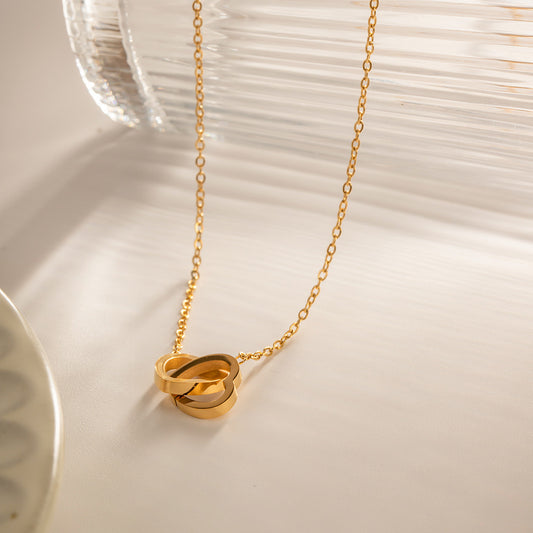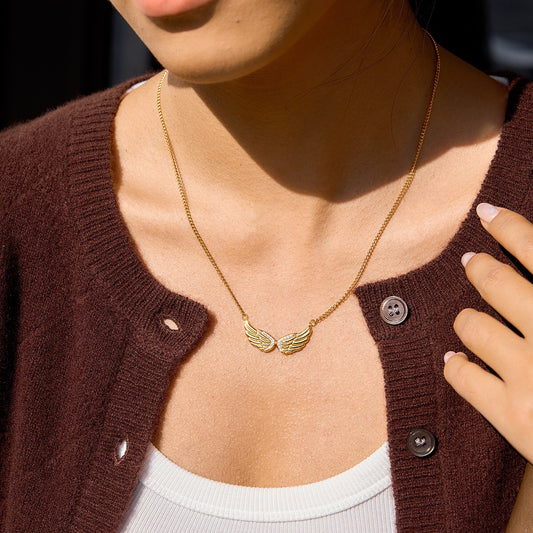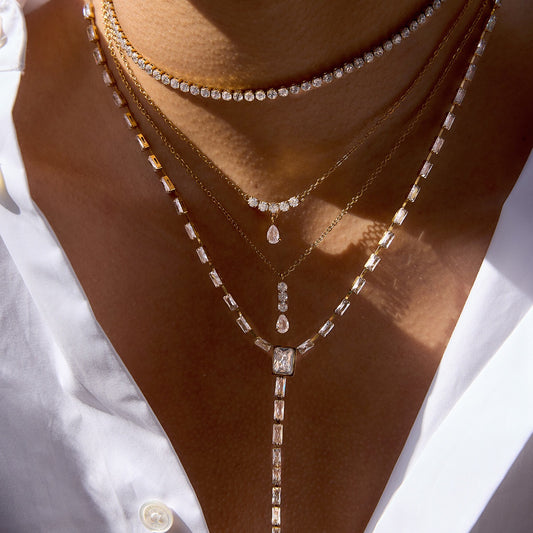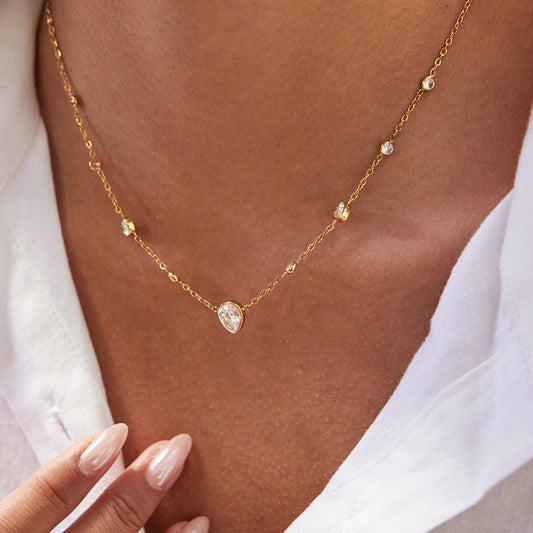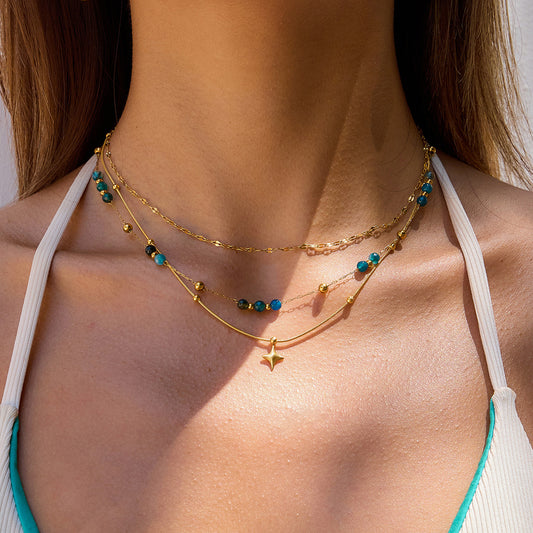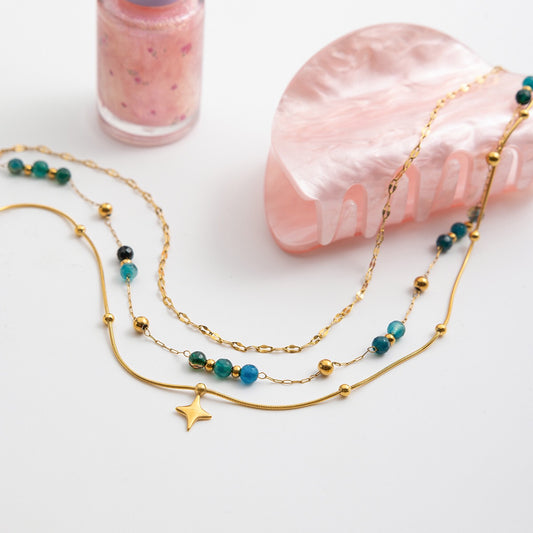

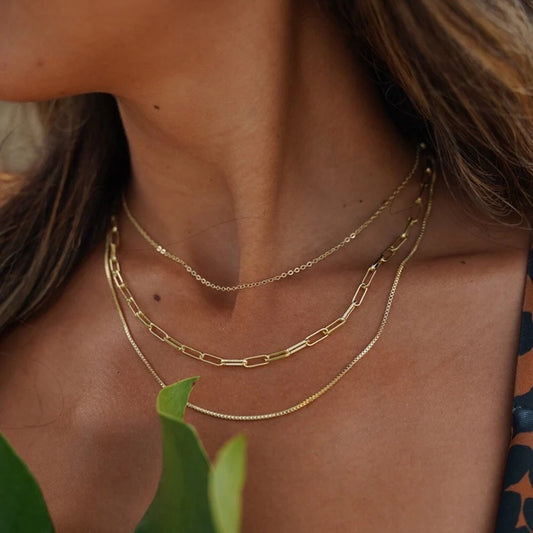


“Does gold tarnish?” is one of the most common questions jewelry owners ask—and the answer isn’t as simple as a yes or no. The global jewelry market size is projected to grow from $242.79 billion in 2025 to $343.90 billion by 2032, at a CAGR of 5.10% during the forecast period. According to the Jewelers of America, 65% of consumers incorrectly believe all gold jewelry is “tarnish-proof,” leading to disappointment when their favorite pieces lose their shine over time. Pure gold (24k) is technically resistant to tarnish, but the gold jewelry most people wear—14k, 18k, or gold-plated—contains other metals that can react with everyday elements. Whether you’re wearing a gold necklace passed down as an heirloom or a trendy gold-plated bracelet, understanding why and how gold tarnishes (plus how to prevent it) is key to keeping your pieces looking radiant for years. This guide breaks down the science behind gold tarnish, which gold types are at risk, and actionable tips to protect your jewelry.
Does Gold Tarnish? The Short Answer
Pure Gold (24k): No Tarnish, But Not Practical for Jewelry
Pure gold—marked as 24k—is 100% gold, and it does not tarnish. Gold is a chemically inert metal, meaning it doesn’t react with oxygen, moisture, or most chemicals, which prevents discoloration. However, pure gold is extremely soft (it can be scratched with a fingernail), making it unsuitable for everyday jewelry like rings or bracelets. Jewelers rarely use 24k gold for wearable pieces; instead, they mix gold with other metals to create durable alloys—this is where tarnish becomes a possibility.
Gold Alloys (10k, 14k, 18k): Tarnish Can Occur
Nearly all gold jewelry sold in stores is an alloy—a mix of gold and other metals like copper, silver, nickel, or zinc. These metals add strength and durability, but they also make the jewelry prone to tarnish. For example, 14k gold is 58.3% gold and 41.7% other metals; 18k gold is 75% gold and 25% other metals. The higher the percentage of non-gold metals, the greater the risk of tarnish. Copper (common in rose gold alloys) is especially reactive, often causing a reddish or brownish discoloration. Nickel (used in some white gold alloys) can also corrode, leading to a dull, grayish film on the surface.
Gold-Plated Jewelry: Most Prone to Tarnish
Gold-plated jewelry has a thin layer of gold (often 0.5-2 microns thick) bonded to a base metal like brass or stainless steel. While the top gold layer doesn’t tarnish, the base metal can corrode over time—especially if the gold plating wears off. According to a 2024 study by the Jewelry Consumer Alliance, 80% of gold-plated jewelry shows signs of tarnish within 6-12 months of daily wear. Scratches, exposure to moisture, and harsh chemicals all speed up this process, revealing the base metal underneath and causing discoloration.

Why Does Gold Tarnish? Common Triggers
Everyday Chemicals (Cosmetics, Cleaners, Perfume)
The biggest culprit behind gold tarnish is exposure to everyday chemicals. Cosmetics like foundation, powder, and lotion contain oils and compounds that react with the non-gold metals in alloys. Perfume, hairspray, and deodorant often have alcohol or sulfates, which can corrode metal components. Even household cleaners—like bleach, ammonia, or dish soap—can cause immediate discoloration. A single exposure to bleach can turn copper-rich rose gold black, as the chemical breaks down the copper molecules in the alloy.
Moisture and Humidity
Moisture is another major trigger for gold tarnish. When water mixes with the metals in gold alloys, it causes oxidation—a chemical reaction that leads to rust or discoloration. Wearing gold jewelry in the shower, while swimming (especially in chlorinated pools or saltwater), or during intense workouts (where sweat accumulates) all increase tarnish risk. Humid environments—like bathrooms or coastal climates—can also speed up oxidation, even when the jewelry isn’t being worn.
Skin Chemistry
Surprisingly, your skin chemistry can affect how quickly gold tarnishes. People with acidic skin (a lower pH level) tend to experience faster tarnish, as the acids in sweat react with the copper or nickel in gold alloys. This is why some people can wear the same 14k gold ring for years without issue, while others notice discoloration within weeks. Hormonal changes—like those during pregnancy or puberty—can also alter skin pH, making gold jewelry more prone to tarnish temporarily.
How to Prevent Gold Tarnish (Practical Tips)
Apply Cosmetics First, Then Put on Jewelry
The easiest way to protect gold jewelry from chemicals is to apply all cosmetics, perfume, and hair products before putting on your pieces. Wait 5-10 minutes for the products to fully absorb into your skin or hair—this ensures the chemicals don’t come into direct contact with the gold. When removing jewelry, wipe each piece with a soft microfiber cloth to remove any residual product or oil before storing.
Remove Jewelry During High-Risk Activities
Take off gold jewelry before activities that expose it to moisture or chemicals: showering, swimming, working out, gardening, or cleaning. For gold-plated pieces, even handwashing with harsh soap can wear down the plating—remove them before washing dishes or hands, or use a mild, fragrance-free soap if you forget. When not in use, store jewelry in a dry, airtight container (like a jewelry box with anti-tarnish strips) to protect it from humidity.
Choose Higher-Karat Gold for Everyday Wear
If you want gold jewelry that’s less prone to tarnish, opt for higher-karat alloys. 18k gold (75% gold) tarnishes much slower than 14k gold (58.3% gold), as it contains fewer reactive metals. For example, an 18k yellow gold necklace will retain its shine longer than a 14k rose gold necklace (which has more copper). For sensitive skin or frequent wear, look for gold alloys marked “nickel-free”—nickel is one of the most reactive metals used in gold jewelry.

How to Clean Tarnished Gold Jewelry
Gentle Cleaning for Gold Alloys (10k-18k)
For lightly tarnished 10k-18k gold, mix 1 part mild dish soap (unscented, no moisturizers) with 3 parts warm water. Soak the jewelry for 10-15 minutes to loosen tarnish, then gently scrub with a soft-bristled toothbrush (focus on crevices where tarnish builds up). Rinse thoroughly with warm water and pat dry with a microfiber cloth. For stubborn tarnish, add a tiny pinch of baking soda to the soapy water—baking soda acts as a mild abrasive to lift discoloration without scratching the gold.
Careful Cleaning for Gold-Plated Jewelry
Gold-plated jewelry requires extra gentle cleaning to avoid damaging the thin gold layer. Never soak gold-plated pieces—instead, dampen a microfiber cloth with soapy water and gently wipe the surface. Avoid scrubbing, as this can wear off the plating. For tarnish on the base metal (exposed areas), use a cotton swab dipped in rubbing alcohol to spot-clean. After cleaning, dry immediately with a soft cloth and store in a separate pouch to prevent scratches.
When to Call a Professional
If your gold jewelry has severe tarnish (e.g., blackened rose gold or heavily corroded white gold) or if it’s a valuable heirloom, take it to a professional jeweler. Jewelers use ultrasonic cleaners or chemical dipping (safe for gold alloys) to remove deep-set tarnish without damaging the metal. They can also re-plate gold-plated jewelry or polish scratched gold to restore its shine. Professional cleaning costs $20-$50 per piece, a small investment to extend the life of your jewelry.
Key Takeaways: Does Gold Tarnish?
-
Pure 24k gold does not tarnish, but it’s too soft for jewelry.
-
Gold alloys (10k, 14k, 18k) can tarnish due to non-gold metals like copper or nickel.
-
Gold-plated jewelry is the most prone to tarnish, as the base metal corrodes when the gold layer wears off.
-
Tarnish is triggered by chemicals, moisture, and skin chemistry—prevention is easier than cleaning.
-
Higher-karat gold, proper storage, and mindful wear all reduce tarnish risk.
Does Gold Tarnish? Final Thoughts & CTA
The answer to “does gold tarnish” depends on the type of gold—but with the right care, you can keep any gold jewelry looking its best. Whether you’re wearing a 14k gold engagement ring, an 18k gold necklace, or a gold-plated bracelet, simple habits like removing jewelry during high-risk activities and cleaning with mild soap will extend its shine. If you’re shopping for new gold jewelry and want to minimize tarnish, prioritize higher-karat alloys or nickel-free options. Ready to refresh your gold jewelry collection or need help cleaning tarnished pieces? Browse our curated selection of tarnish-resistant 14k and 18k gold jewelry, or contact our jewelry care experts for personalized advice. Your gold pieces deserve to shine—let us help you keep them radiant.