


Does stainless steel turn skin green? No - and the green mark you have seen came from a different metal. Green skin is a reaction between your sweat and the copper in brass or copper alloys, and stainless steel contains none.
Watches and jewelry are a US$544.27 billion market worldwide in 2026, according to Statista's market forecast - and a good share of the complaints people have about cheap jewelry come down to exactly this: not the price, but the metal in the alloy.
Below: what actually causes the mark, why it happens to some people and not others, and how to stop it for good.

What is stainless steel jewelry?
An Alloy Composition
Stainless steel is primarily an alloy composed of iron, chromium, and often nickel and carbon, among other elements.
Chromium for Resistance
The key element that gives stainless steel its remarkable properties is chromium, which reacts with oxygen to form a thin, invisible protective layer on the surface, preventing rust and corrosion.

Used Widely in Jewelry
Due to its durability, affordability, and resistance to tarnish, stainless steel is a popular material for a wide array of jewelry types, including rings, necklaces, bracelets, and earrings.
Does Stainless Steel Turn Skin Green?
The Clear Answer: No
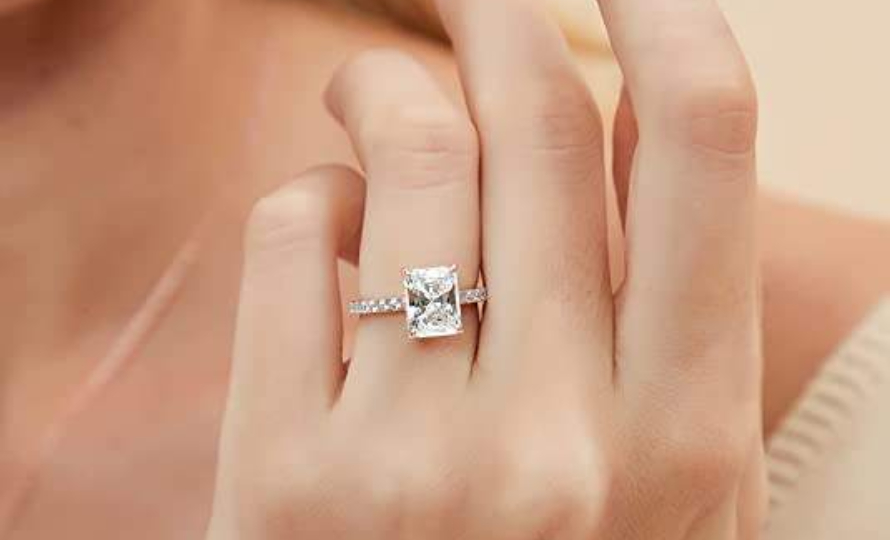
High-quality stainless steel jewelry does not typically turn skin green.
Why It Resists Discoloration
The chromium-rich passive layer formed on the surface of stainless steel makes it highly resistant to oxidation and corrosion. This means it doesn't react with sweat, moisture, or chemicals on the skin in the same way that some other metals do. Metals that turn skin green usually contain copper, which oxidizes and reacts with skin acidity or products, creating a green compound.
Focus on Quality
While pure stainless steel is non-reactive, it's important to note that very low-quality stainless steel with impurities or a different composition might potentially cause some reaction, but this is rare with jewelry-grade stainless steel.
Why is stainless steel jewelry so popular
Durability and Strength
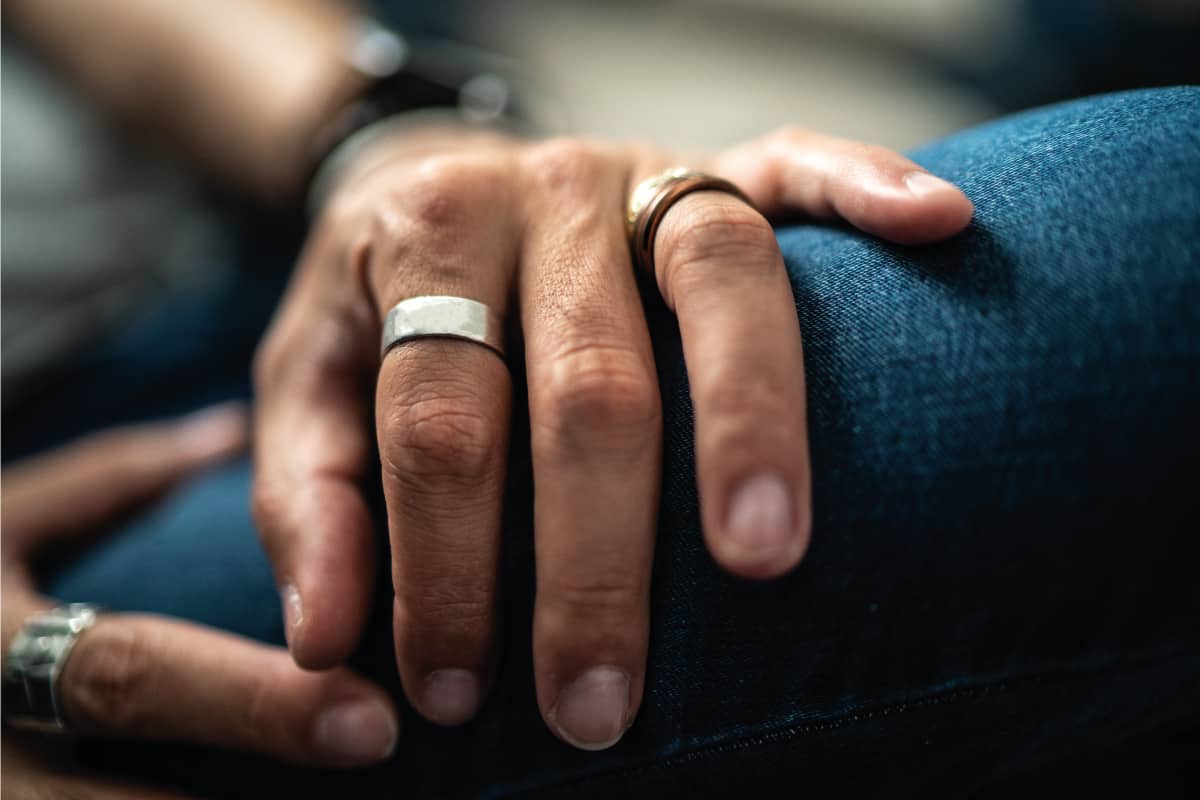
Stainless steel is exceptionally strong and resistant to scratches, dents, and bending, making it ideal for everyday wear.
Tarnish and Rust Resistant
Its chromium content prevents it from tarnishing or rusting, keeping the jewelry looking bright and new with minimal effort.
Affordability
Stainless steel offers the look of more expensive metals at a fraction of the cost, making stylish jewelry accessible.
Hypoallergenic Properties
Many grades of stainless steel, particularly surgical grades, are considered hypoallergenic, reducing the risk of allergic reactions for sensitive skin.
Does Not Typically Turn Skin Green
The fact that it avoids the common issue of skin discoloration is a major benefit and reason for its popularity.

Popular styles of stainless steel jewelry
Chains of All Types
From delicate to chunky, classic link styles like curb, Figaro, box, and snake chains are widely available in stainless steel.
Rings for Durability
Stainless steel's hardness makes it an excellent choice for rings that can withstand daily wear, in various designs from simple bands to intricate styles.
Bracelets and Bangles
Durable and stylish bracelets and bangles are popular in stainless steel due to their resistance to scratches and bending.
Earrings for Sensitive Ears
Many people with sensitive skin opt for stainless steel earrings due to their hypoallergenic properties and resistance to discoloration.
Pendants and Charms
Stainless steel is used for a wide variety of pendants and charms, often chosen to pair with stainless steel chains for a consistent, non-tarnishing look.
How to wear stainless steel jewelry
Enjoy Everyday Confidence
Wear your stainless steel jewelry during daily activities, including handwashing and exposure to normal moisture, with confidence that it will not easily tarnish or turn your skin green.
Layer and Mix Metals
Stainless steel's neutral tone allows it to be easily layered with jewelry made from other metals like gold and silver.
Suitable for Active Lifestyles
Its resistance to sweat and corrosion makes it a good choice for those with active lifestyles.
Occasional Cleaning for Shine
While low maintenance, a simple cleaning will keep your stainless steel jewelry looking its best.
stainless steel jewelry: perfect gift for loved ones
Practical and Durable
Stainless steel jewelry is a practical gift that is built to last, suitable for everyday wear by anyone.
Avoids Common Issues
Gifting stainless steel jewelry offers the benefit of avoiding common problems like tarnishing and, importantly, the potential for skin discoloration.
Stylish and Versatile
With a wide range of styles available, you can find stainless steel jewelry to match any loved one's personal taste.
Good for Sensitive Skin
Many stainless steel options are hypoallergenic, making them a thoughtful gift choice for friends or family with sensitive skin.
how to clean stainless steel jewelry
Simple Cleaning Steps
Keeping stainless steel jewelry clean is easy and helps maintain its shine.
Use Mild Soap and Water
Wash with warm water and a few drops of mild dish soap.
Gentle Scrubbing
Use a soft cloth or a soft brush (like an old toothbrush) to gently clean the surface.
Rinse and Dry Well
Rinse thoroughly under clean water and dry immediately with a soft, lint-free cloth to prevent water spots.
Understanding Green Skin Discoloration from Jewelry
The Role of Copper
Skin discoloration, particularly a greenish tint, is most commonly caused by jewelry that contains a significant amount of copper. When copper reacts with oxygen, sweat, lotions, or other chemicals on the skin, it forms copper compounds that can leave a green residue.
Metals That May Cause Green Skin
Metals like brass, bronze, and even sterling silver (which is an alloy of silver and copper) can potentially cause green skin discoloration, especially in hot or humid conditions or when reacting with skin acidity or products.
Stainless Steel's Difference
High-quality stainless steel's composition and protective chromium layer prevent it from undergoing the same chemical reaction as copper-containing metals that leads to green skin discoloration.
does gold plated stainless steel turn skin green
High-quality gold plated stainless steel is very unlikely to turn your skin green, primarily because the base metal is stainless steel. The green discoloration comes from copper reacting with skin. If the gold plating is done over a base metal that does contain copper (like brass) and the plating wears off, then the underlying metal could cause green discoloration. However, with gold plated stainless steel, the base metal is non-reactive. The gold plating itself is typically a very thin layer of gold or a gold alloy, which is also non-reactive. Therefore, the risk of green skin is minimal with gold plated stainless steel.
Why Does a Chain Turn Your Neck Green?
The green mark on your neck is not dirt, and it is not an allergy. Copper in the alloy reacts with the acids and salts in your sweat to form copper salts, and those salts are what stain the skin. The mark is harmless and it washes off - but it is a reliable sign that the piece is made from brass or a copper alloy, or from a plated metal sitting on top of one.
Three things make it worse: heat, moisture and time. That is why the mark shows up in summer, on the necklace you never take off, and around the clasp where the metal sits in the crease of your neck. A piece worn occasionally rarely leaves a mark at all, which is why so many people are surprised the first time it happens.
If it is happening with a piece you already own, check the metal before you blame the jewelry. This is not something stainless steel jewelry does - and it is not something our chain necklaces do either, because there is no copper anywhere in them.
Can You Stop Jewelry Turning Your Neck Green?
Yes, and the fix depends on which of the two problems you have. If the piece is plated over brass or copper, no coating or home remedy will fix it permanently - you can slow it down by keeping the piece dry, but the metal is the cause. The permanent fix is to change the metal to something copper-free, which is what our tarnish-free jewelry is made from.
If the piece is already copper-free and you are still seeing a green tinge, it is almost always residue: sunscreen, perfume or lotion sitting between the metal and your skin. Clean the piece, dry it completely, and let your skin dry after applying products before you put jewelry back on. That combination solves most cases on its own.
Frequently asked questions about stainless steel jewelry
Why does my neck turn green when I wear a necklace?
Because the metal contains copper. Your sweat reacts with it to form copper salts, which stain the skin green. It is a chemical reaction, not an allergic one, and it is not a sign that the jewelry is dirty.
Is green skin from jewelry dangerous?
No. The mark is harmless, it washes off with soap and water, and it does not indicate anything wrong with your skin. What it does indicate is that the piece is made with copper or a copper alloy somewhere in it.
Does 18K gold plated stainless steel turn your skin green?
No. The steel base contains no copper, so there is nothing for your sweat to react with. That is also why plated stainless steel behaves so differently from plated brass, which is the jewelry that usually causes the mark.
How do I stop my neck turning green from a chain?
Change the metal to one that contains no copper - stainless steel or titanium - rather than trying to seal the piece you have. In the meantime, clean the piece, dry it fully, and avoid letting sunscreen or perfume sit between the metal and your skin.
Why does some jewelry turn skin green?
Jewelry turns skin green when metals like copper in the alloy react with skin acidity, sweat, or chemicals (like lotions or perfumes) to form colored compounds that transfer to the skin.
Which metals are most likely to turn skin green?
Metals with high copper content, such as brass, bronze, and sterling silver, are most likely to cause green skin discoloration.
Is stainless steel safe for sensitive skin?
Yes, high-quality stainless steel, particularly surgical grades like 316L, is generally considered hypoallergenic and safe for sensitive skin due to its low nickel release.
Does stainless steel jewelry lose its color?
High-quality stainless steel itself does not lose its color. However, if it has a coating (like PVD color coating), the coating is very durable but could potentially wear off over a very long time or with extreme abrasion, but this would typically reveal the silver-tone stainless steel underneath, not cause green discoloration.
If you are replacing a piece that leaves a mark, start with the metal: our stainless steel jewelry and tarnish-free jewelry are both copper-free, and the chain necklaces are the pieces most likely to be worn against the neck all day. If your ears are the sensitive part rather than your neck, our guide to what hypoallergenic jewelry means covers that side of it, and does stainless steel tarnish answers the question people usually have at the same time.
Does Stainless Steel Turn Skin Green? Enjoy Worry-Free Wear!
Does stainless steel turn skin green? Rest assured, high-quality stainless steel jewelry is a fantastic choice precisely because it typically does not cause that common issue of skin discoloration. Its durable, non-reactive nature, thanks to the protective chromium layer, prevents the chemical reactions that lead to green marks often seen with copper-containing metals. Choosing stainless steel means choosing jewelry that stays looking good and keeps your skin happy, offering worry-free wear, timeless style, and excellent durability. Explore the world of stainless steel jewelry and enjoy beautiful accessories without the green surprise!


