


Earring care after piercing is non-negotiable if you want to avoid infections, irritation, and long-term complications—and you’re not alone in needing clarity. The global body piercing jewelry market was valued at approximately $8.12 billion in 2025 and is projected to grow to over $15.69 billion by 2032, at a compound annual growth rate (CAGR) of about 8.5%. According to the American Academy of Dermatology (AAD), nearly 30% of ear piercings develop an infection within the first six months, most often due to improper aftercare. A fresh piercing is an open wound, and the right care routine is your best defense against redness, swelling, or worse. Whether you just got your lobes pierced or opted for a cartilage piercing (which needs extra TLC), this guide breaks down everything you need to know to keep your new piercing healthy and your earrings looking great.

Why Earring Care After Piercing Is Critical
Prevent Infections and Complications
A new piercing creates a pathway for bacteria to enter the body. Without proper cleaning, bacteria can multiply, leading to infections characterized by pain, pus, and swelling. In severe cases, untreated infections can spread to the surrounding skin or even the bloodstream. For cartilage piercings (like helix or conch), the risk is higher—cartilage has less blood flow than lobes, making it slower to heal and more prone to long-term issues like keloids.
Ensure Proper Healing and Long-Term Wear
Good aftercare helps your piercing heal evenly and quickly, reducing the chance of scarring or piercing rejection (when the body pushes the jewelry out). A well-healed piercing also means you’ll be able to switch out your earrings safely sooner, without damaging the tissue.
Essential Supplies for Earring Care After Piercing
What You Need (and Why)
Your piercer will likely recommend specific products, but these staples are universally trusted for safe aftercare: a saline solution (pre-mixed, sterile is best—avoid homemade saltwater, which can have inconsistent salt levels), disposable cotton balls or sterile gauze (no Q-tips, which can leave fibers), and a clean, dry microfiber cloth. Avoid alcohol, hydrogen peroxide, or antibacterial soaps—these are too harsh and can irritate the wound or kill healthy cells needed for healing.
What to Avoid
Steer clear of any products with fragrances, dyes, or harsh chemicals, as these can cause allergic reactions. You’ll also want to skip touch-up products like lotions or hairspray near the piercing, as they can seep into the wound.
Step-by-Step Routine for Earring Care After Piercing
Daily Cleaning (Twice a Day)
Wash your hands thoroughly with soap and water before touching your piercing—this is the single most important step to prevent bacteria transfer. Saturate a cotton ball with sterile saline solution and gently press it against the piercing for 30 seconds. Gently wipe around the front and back of the piercing to remove any crust or discharge (this is normal in the first few weeks!). Avoid twisting or turning the earring unless your piercer specifically tells you to—this can irritate the healing tissue.
Post-Shower or Workout Care
Moisture can trap bacteria, so always clean your piercing after getting it wet. Pat the area dry with a clean microfiber cloth (don’t rub!)—rubbing can cause friction and delay healing. If you sweat heavily during a workout, do a quick saline clean afterward to remove sweat and bacteria.
Common Mistakes to Avoid in Earring Care After Piercing
Touching the Piercing Too Much
Even with clean hands, frequent touching disrupts the healing process. Resist the urge to adjust the earring or show it off to friends—keep contact to a minimum, only when cleaning.
Changing Earrings Too Soon
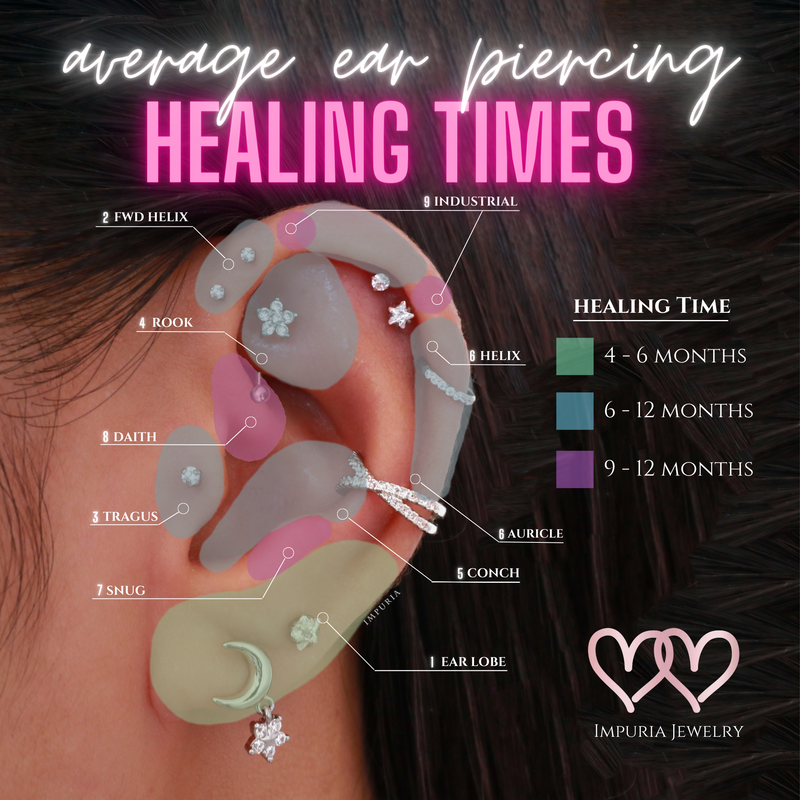
Lobe piercings take 6-8 weeks to heal fully, while cartilage piercings can take 3-6 months (or longer). Changing earrings before the piercing is healed can tear the tissue, introduce bacteria, and cause infections. Always wait for your piercer’s go-ahead before switching jewelry.
Using the Wrong Jewelry
Fresh piercings need hypoallergenic metals like surgical steel, titanium, or 14k+ gold. Avoid cheap metals like nickel, which can cause allergic reactions and irritation. The jewelry should also be smooth (no sharp edges) and properly fitted—too tight, and it can cut off circulation; too loose, and it can get caught and tear the piercing.
How to Handle Common Issues in Earring Care After Piercing
Normal vs. Infected: What to Look For
Some redness, swelling, and clear/yellow discharge are normal in the first 2-3 days. An infection, however, will get worse over time—not better. Signs of infection include severe pain, pus that’s thick and yellow/green, fever, or swelling that spreads beyond the piercing. If you suspect an infection, don’t remove the earring (this can trap bacteria inside)—see a dermatologist or your piercer right away.

Dealing with Itching or Dryness
Itching is a sign of healing—resist scratching! If the area feels dry, a tiny amount of hypoallergenic, fragrance-free lotion (applied around the piercing, not on it) can help. Never use lotion directly on the wound, as it can cause irritation.
Long-Term Care: Keeping Piercings Healthy After Healing
Regular Cleaning Even After Healing
Once your piercing is fully healed, you don’t need to do daily saline cleans—but a quick clean with warm water and mild soap (avoiding the piercing itself) during showers will keep it free of dirt and oil. If you go long periods without wearing earrings, clean the piercing occasionally to prevent it from closing.
Choosing Earrings for Healed Piercings
Even healed piercings can react to cheap metals. Stick to hypoallergenic options, and avoid heavy earrings that can stretch the piercing over time (especially for lobes). Always clean new earrings with alcohol before wearing them to remove any bacteria.
Conclusion: Earring Care After Piercing = Healthy, Beautiful Ears
Earring care after piercing isn’t complicated—but it does require consistency. By following a simple routine with the right supplies, avoiding common mistakes, and knowing when to seek help, you’ll ensure your new piercing heals smoothly and stays healthy for years to come. Remember: patience is key—healing takes time, but the result is a beautiful piercing you can enjoy. Ready to stock up on the essentials for your new piercing? Start with a high-quality sterile saline solution and hypoallergenic earrings, and you’ll be on your way to happy, healthy ears. If you have more questions about your specific piercing, reach out to your piercer—they’re your best resource for personalized care tips.
