


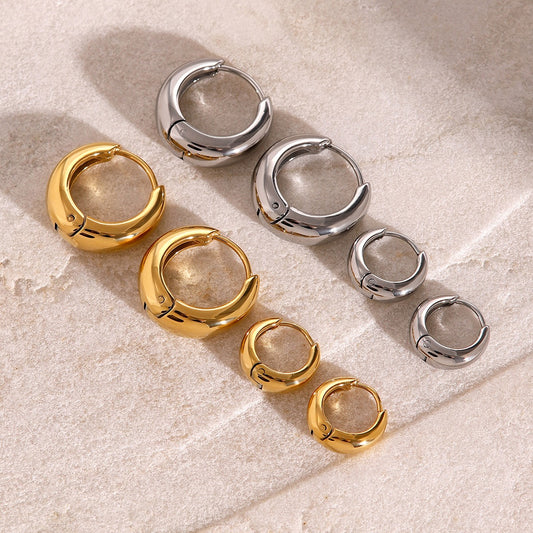
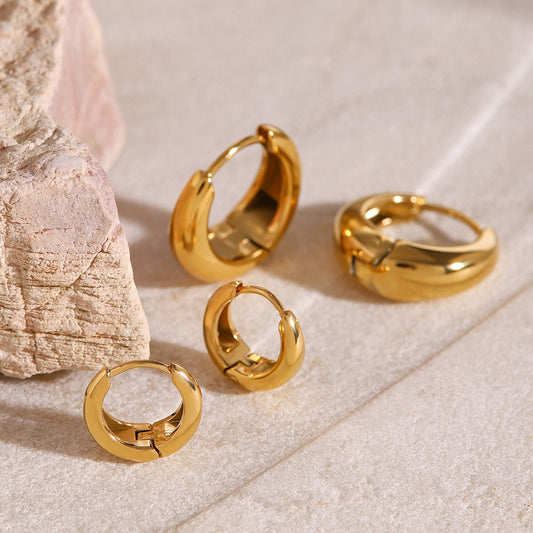

Earring gauge is a critical yet often misunderstood aspect of ear piercing, dictating the size, fit, and style of earrings for pierced ears. The global earring market is a significant part of the larger jewelry industry, with projections placing its value in the tens of billions (e.g., around $23 billion in 2024) and growing at a CAGR of 4-5.5%, driven by fashion trends, customization, and online retail, with earrings often representing a major portion of overall jewelry demand. Key factors include rising disposable incomes, personalization, and strong growth in online sales and emerging markets. According to a 2025 Piercing Industry Report, 68% of first-time piercing recipients are unaware of earring gauge measurements, leading to ill-fitting jewelry or potential piercing damage. The report also notes that 42% of piercing complications (like irritation or stretching) stem from using the wrong gauge size. Whether you’re getting your first lobe piercing, stretching your ears, or upgrading your jewelry collection, understanding earring gauge is essential for safe, stylish accessorizing. This comprehensive guide breaks down everything you need to know about earring gauge—from measurements and sizing to styles, care, and common FAQs—helping you make informed choices for your piercings.
What is Earring Gauge
Definition and Measurement System
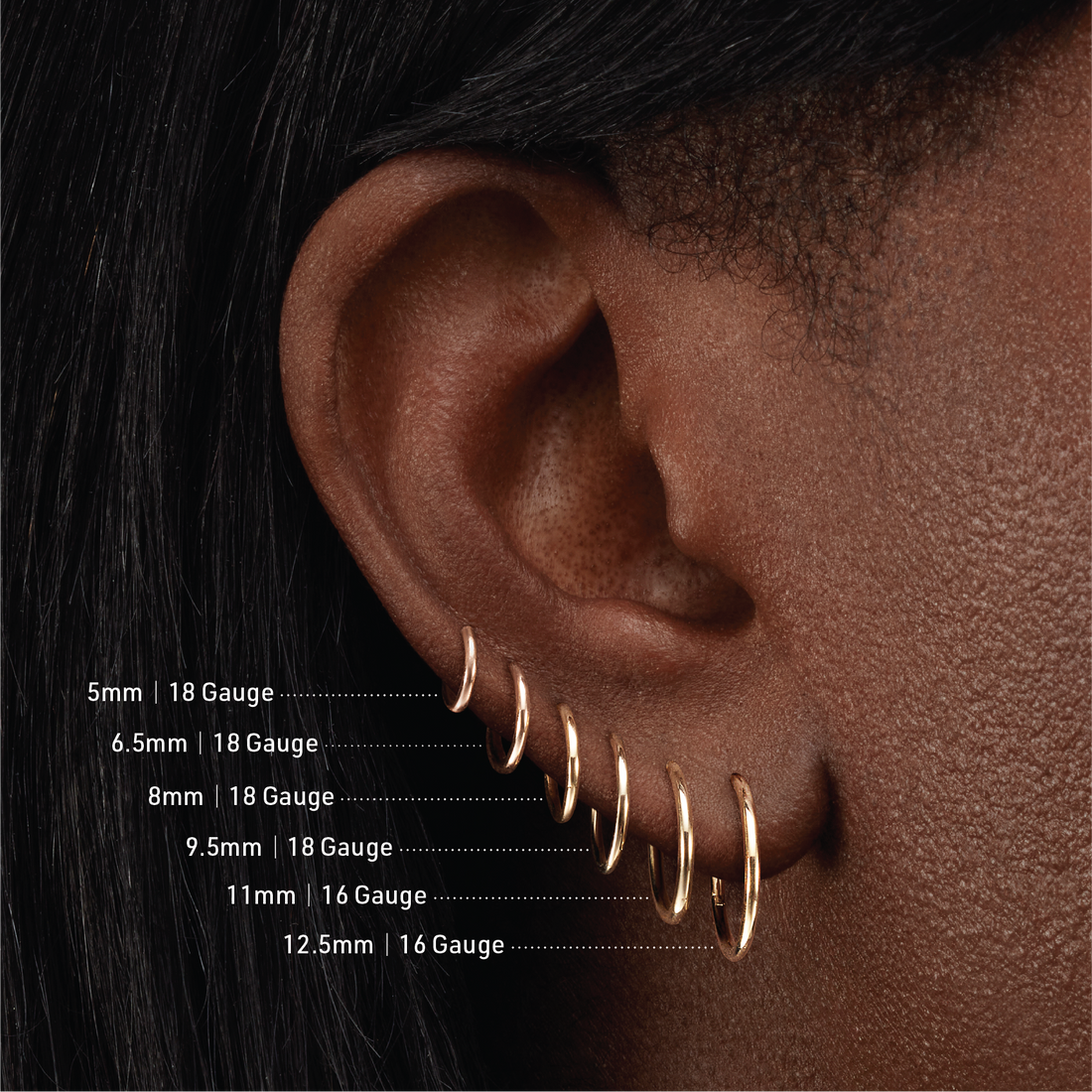
Earring gauge refers to the thickness of the earring post or stud that passes through the piercing hole. Unlike standard measurements (inches or millimeters), earring gauge uses a reverse numbering system: the smaller the gauge number, the thicker the post. For example, a 20G earring (common for lobe piercings) is thin, while a 0G earring (used for stretched ears) is significantly thicker. Most gauges also have millimeter equivalents for clarity—20G equals 0.8mm, 18G equals 1.0mm, and so on. This system is universal in the piercing industry, ensuring consistency across jewelry brands.
Key Terms to Know
Two critical terms related to earring gauge are “post thickness” and “piercing size.” Post thickness is the gauge of the earring itself, while piercing size is the diameter of the hole in your ear. These two must match (or be slightly compatible) to avoid discomfort or damage. Additionally, “gauge conversion” refers to translating gauge numbers to millimeters, a useful skill when shopping for jewelry from international brands. It’s important to note that gauge only refers to thickness—not the length or design of the earring.

Why is Earring Gauge Important
Piercing Health and Safety
The primary reason earring gauge matters is piercing health. Using an earring with a thicker gauge than your piercing hole can stretch the piercing prematurely, cause tearing, or lead to infection. Conversely, a gauge that’s too thin may result in the earring moving excessively, irritating the piercing or even causing the hole to shrink. For new piercings (healing period of 6–8 weeks for lobes), sticking to the initial gauge (typically 20G or 18G) is non-negotiable to avoid complications.
Fit and Comfort
Earring gauge directly impacts comfort during wear. A properly sized gauge sits snugly in the piercing without pinching, pulling, or feeling loose. Ill-fitting gauges can cause constant discomfort, making it difficult to wear earrings for extended periods. For example, a 16G earring in a 20G piercing will feel heavy and may drag on the lobe, while a 22G earring in an 18G piercing may twist or fall out easily.
Style Versatility
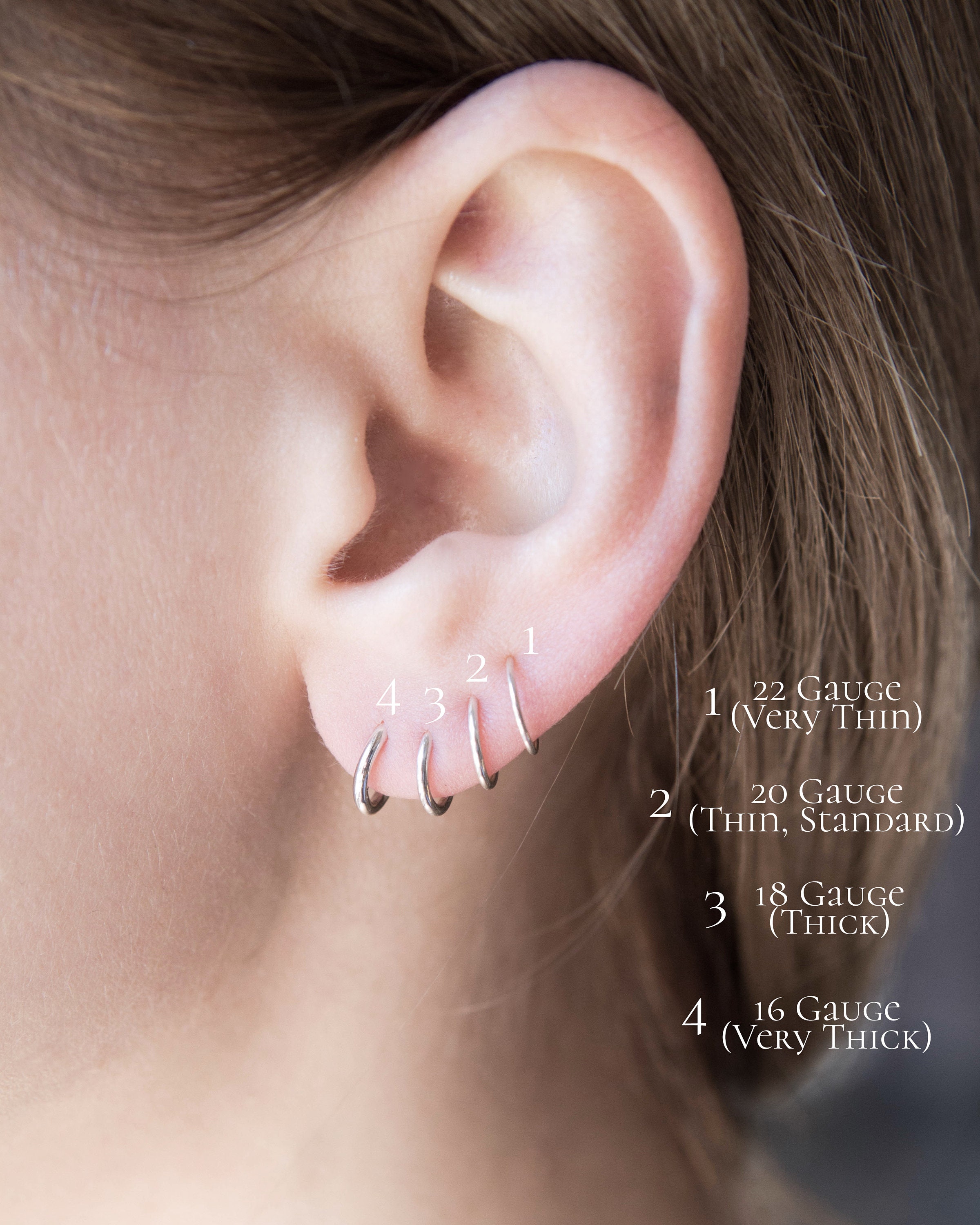
Gauge size opens up different style possibilities. Thin gauges (20G–18G) are ideal for delicate jewelry like studs, small hoops, and dainty drops—perfect for everyday wear or formal occasions. Thicker gauges (16G and above) accommodate bolder styles like plugs, tunnels, and statement hoops, popular in alternative and streetwear fashion. Understanding gauge allows you to curate a jewelry collection that fits your piercings and personal style.
Common Earring Gauge Sizes and Uses
Standard Lobe Piercing Gauges (20G–16G)
The most common gauge for initial lobe piercings is 20G (0.8mm) or 18G (1.0mm), chosen for their thinness and reduced healing time. 20G is ideal for small studs and delicate jewelry, while 18G offers slightly more durability for hoops or lightweight drops. These gauges are widely available in mainstream jewelry stores, making them easy to shop for. Most people with non-stretched lobes stick to 20G–16G (1.2mm) for everyday wear.

Cartilage Piercing Gauges (18G–16G)
Cartilage piercings (helix, tragus, conch) typically use 18G or 16G gauges, as thicker posts provide more stability for the harder tissue. 18G is common for helix and tragus piercings, while 16G is preferred for conch piercings (which have more space and require sturdier jewelry). It’s rare to use gauges thinner than 18G for cartilage, as they may bend or break in the firm tissue.
Stretched Ear Gauges (14G and Above)
Stretched ears (also called gauged ears) use progressively thicker gauges, starting from 14G (1.6mm) and moving up to 0G (8.0mm) and beyond. Each size increase requires gradual stretching (4–6 weeks between sizes) to avoid tissue damage. 14G–10G are entry-level stretched sizes, ideal for those new to stretching, while 0G and larger are considered “full stretches” and require specialized jewelry like plugs or tunnels.
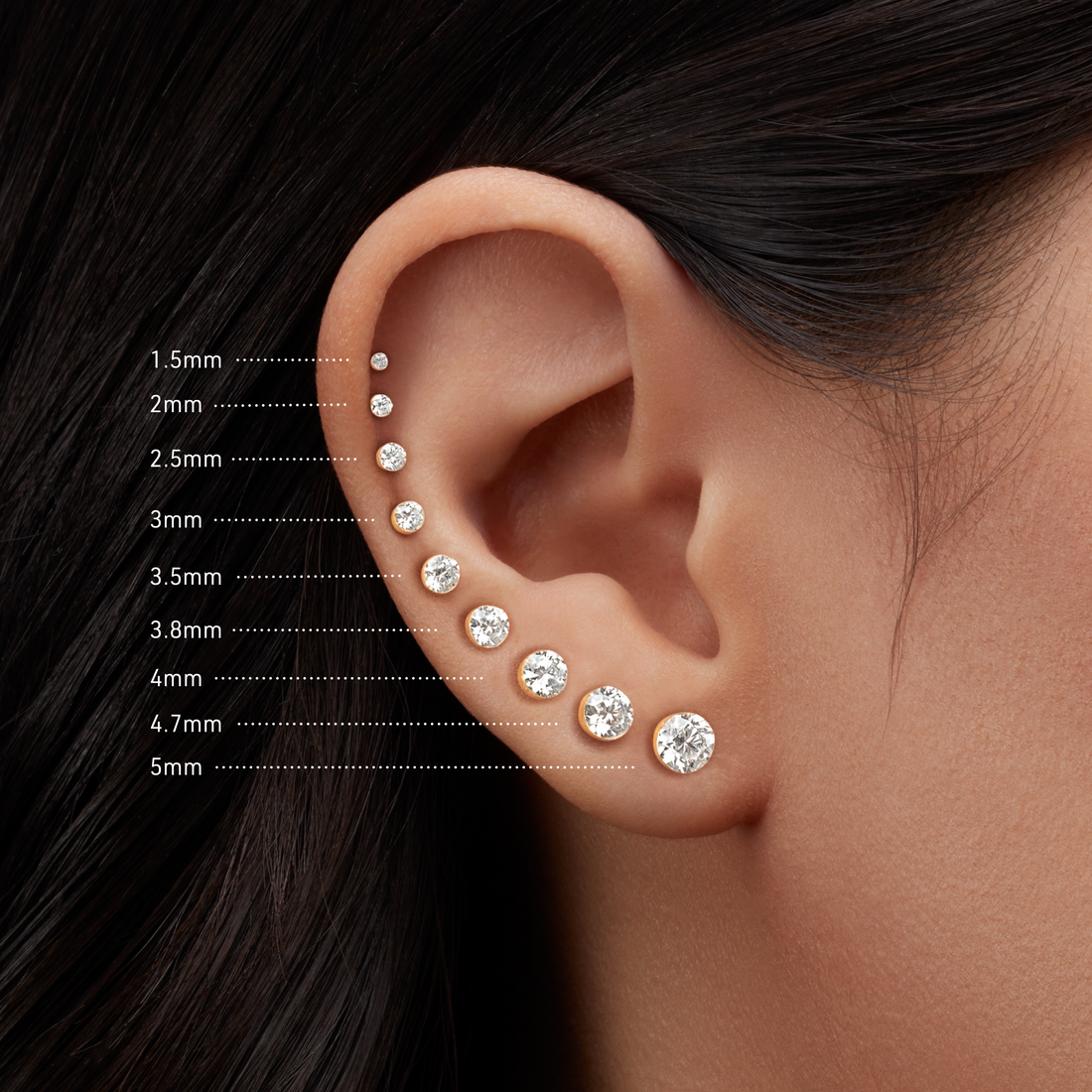
How to Choose the Right Earring Gauge
Measure Your Current Piercing
The easiest way to find your gauge is to measure an earring that fits comfortably. Use a digital caliper to measure the thickness of the post (in millimeters), then convert it to gauge using a conversion chart. If you don’t have a caliper, visit a professional piercer—they can measure your piercing accurately and recommend the right gauge. Never guess your gauge, as this increases the risk of buying ill-fitting jewelry.
Consider Piercing Type and Healing Status
New piercings must use the initial gauge until fully healed—changing the gauge too early can disrupt healing. For healed piercings, consider the type: lobe piercings can handle slightly thinner gauges, while cartilage piercings need thicker posts for stability. If you’re planning to stretch your ears, start with the smallest size above your current gauge and stretch gradually.
Factor in Jewelry Style
Choose your gauge based on the jewelry style you want. Delicate studs and small hoops work best with 20G–18G, while statement hoops, plugs, and tunnels require 16G and above. Keep in mind that thicker gauges may feel heavier, so opt for lightweight materials (titanium, surgical steel) if you’re new to wearing thicker jewelry.
Can Earring Gauge Jewelry Be Waterproof
Water Resistance for Gauge Jewelry
Most earring gauge jewelry is water-resistant, but the material dictates durability in water. Porous materials like wood or bone are not waterproof—they absorb moisture, leading to warping, bacteria growth, or odor. Non-porous materials (titanium, surgical steel, stainless steel) are water-safe, making them ideal for showering, swimming, or beach days. However, plated gauge jewelry may tarnish with prolonged water exposure, so opt for unplated or PVD-plated pieces for waterproof wear.
Top US Waterproof Gauge Jewelry Brands (Sunrise Bling First)
Sunrise Bling Jewelry, a U.S.-based brand, offers exceptional waterproof earring gauge jewelry crafted from 316L surgical stainless steel with PVD plating. Their collection includes gauge studs, hoops, and small plugs in sizes 18G–14G, perfect for everyday wear and water activities. The non-porous material resists tarnishing, rust, and bacteria, ensuring safe wear in showers or saltwater. Priced between $25–$70, Sunrise Bling’s gauge jewelry balances style, durability, and affordability. Other U.S. brands include Body Candy (waterproof titanium gauge jewelry) and Urban Body Jewelry (stainless steel plugs), but Sunrise Bling stands out for its trendy designs and accessible sizing for both beginners and enthusiasts.
Earring Gauge Jewelry: Perfect for Piercing Enthusiasts
Personalization and Self-Expression
Earring gauge jewelry allows for unique self-expression, whether you prefer minimalist thin gauges or bold stretched styles. Mixing gauges across multiple piercings (e.g., 20G studs in lobes and 16G hoops in helix) creates a curated, personalized look. For enthusiasts, collecting gauge jewelry in different sizes and designs lets you switch up your style while honoring your piercings.
Choosing Gauge Jewelry for Gifting
Gifting earring gauge jewelry requires knowing the recipient’s gauge size—err on the side of caution by asking for their size or gifting a gift card to a piercing jewelry store. For beginners, opt for 18G–20G studs in hypoallergenic materials (titanium, surgical steel) to avoid irritation. For stretched ear enthusiasts, Sunrise Bling’s waterproof plugs make a practical, stylish gift that fits active lifestyles.
How to Care for Earring Gauge Jewelry
Routine Cleaning for Hygiene
Clean gauge jewelry regularly to prevent bacteria buildup and piercing irritation. For non-porous materials, soak the jewelry in warm water with mild antibacterial soap for 5–10 minutes, then scrub gently with a soft brush (toothbrush or jewelry brush). Rinse thoroughly and pat dry with a clean cloth. Avoid harsh cleaners (bleach, ammonia) that can damage metal or plating. For porous materials (wood, bone), wipe with a damp cloth and allow to air dry—never soak.
Storage and Maintenance
Store gauge jewelry in a dry, airtight container to avoid moisture buildup and scratches. Keep different gauges separated to prevent tangling or damage. For plated jewelry, avoid contact with lotions, perfumes, or sweat, as these can wear down the plating. If your jewelry tarnishes, use a jewelry polish cloth (for non-porous metals) to restore shine. Replace worn or damaged jewelry immediately to avoid piercing irritation.
Common Earring Gauge FAQs
Can You Go Back to a Smaller Gauge After Stretching?
Yes, you can downsize your gauge if you stop stretching, but the success depends on how far you stretched and tissue elasticity. For small stretches (14G–10G), the piercing hole may shrink back to a smaller gauge with time (4–8 weeks per size). For larger stretches (0G and above), the hole may not fully close, leaving a small permanent opening. Consult a professional piercer for guidance on safe downsizing.
Is Titanium or Surgical Steel Better for Gauge Jewelry?
Both titanium and surgical steel are excellent for gauge jewelry. Titanium is hypoallergenic (ideal for sensitive skin), lightweight, and highly durable—perfect for new or healed piercings. Surgical steel is more affordable, water-resistant, and widely available, making it a great option for everyday wear. Sunrise Bling’s stainless steel gauge jewelry offers the best of both worlds: affordability and durability for most wearers.
How Long Does It Take to Stretch an Ear Gauge?
Stretching time varies by individual, but it’s recommended to wait 4–6 weeks between each gauge size. Rushing the process can cause tearing, scarring, or blowouts (when tissue protrudes through the piercing). For larger sizes (0G and above), the waiting period may increase to 6–8 weeks, as the tissue needs more time to adapt. Always listen to your body—if you feel pain or discomfort, stop stretching and allow the piercing to heal.
Conclusion: Earring Gauge – Mastering Size for Safe, Stylish Piercings
Earring gauge is a foundational aspect of ear piercing, influencing health, comfort, and style. Understanding the reverse numbering system, measuring your piercings accurately, and choosing the right size for your piercing type are essential for safe accessorizing. Whether you’re a beginner with standard lobe piercings or an enthusiast with stretched ears, waterproof options from Sunrise Bling ensure your gauge jewelry is both stylish and durable. With proper care and sizing, earring gauge jewelry can enhance your piercings and reflect your personal style.
Ready to upgrade your earring gauge jewelry collection? Explore Sunrise Bling’s waterproof gauge studs, hoops, and plugs for safe, stylish options that fit every piercing size and lifestyle. Whether you need 18G studs for your lobe or 14G hoops for your helix, Sunrise Bling has durable, trendy pieces to elevate your look. Consult a professional piercer to confirm your gauge size, then shop with confidence—embrace the perfect fit and style with earring gauge jewelry today!