


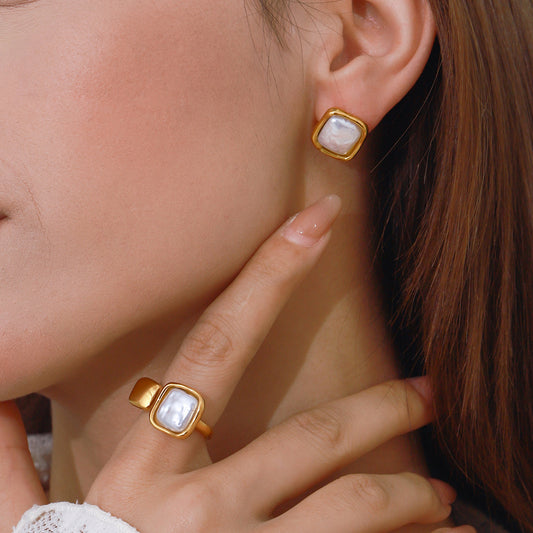

Gold engagement ring has been the cornerstone of proposal traditions for centuries, and its modern popularity is backed by striking data. The engagement jewelry market is a multi-billion dollar global industry, with estimates for the broader diamond or jewelry market suggesting figures from ~$93 billion (2024) up to ~$482 billion by 2030, while specific engagement ring market sizes vary, with some reports valuing it around $107 billion by 2027, driven by luxury, tradition, and shifting consumer preferences like ethical sourcing and lab-grown diamonds, particularly in the US and Asia-Pacific. According to the 2024 Engagement Ring Trends Report by the Knot, 62% of engaged couples choose gold engagement rings—surpassing platinum (28%) and silver (10%)—with 74% of brides citing gold’s “timeless warmth” as the top reason. This isn’t just about tradition: a gold engagement ring blends the enduring symbolism of forever love with the versatility to match any style, from minimalist solitares to intricate vintage designs. Unlike fleeting trends, gold’s luster only deepens with time, mirroring the growth of a relationship. Whether you’re planning a grand proposal with a 18k yellow gold diamond ring or a intimate moment with a dainty 14k rose gold band, a gold engagement ring isn’t just jewelry—it’s a promise made tangible. It’s no wonder it remains the most beloved choice for couples ready to say “forever.”
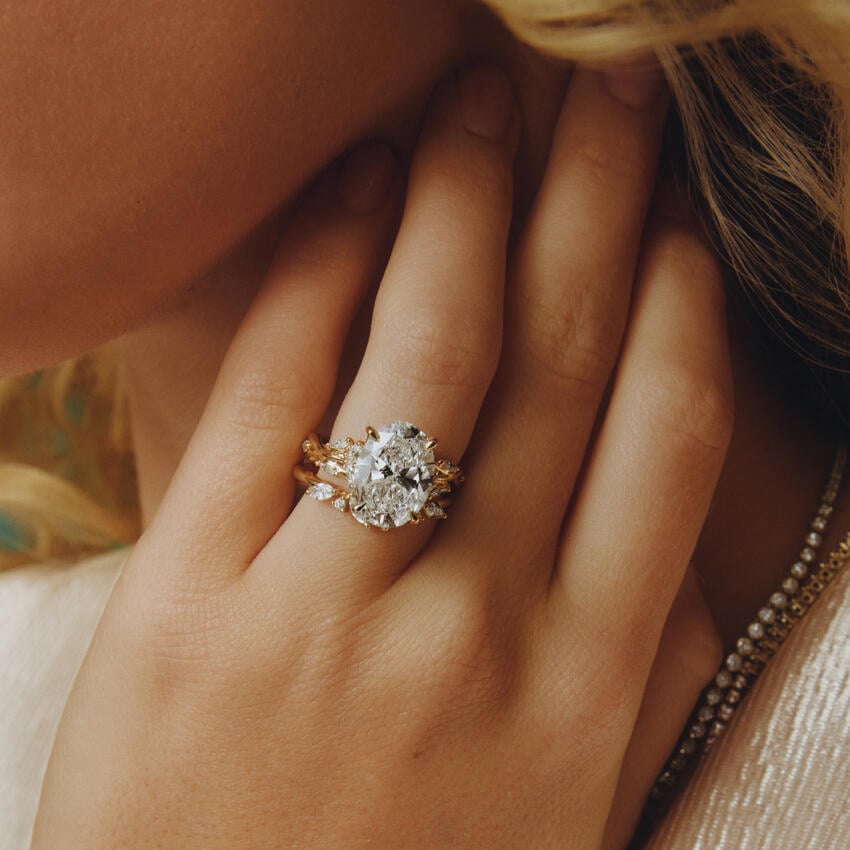
What Is a Gold Engagement Ring?
Core Definition & Key Characteristics
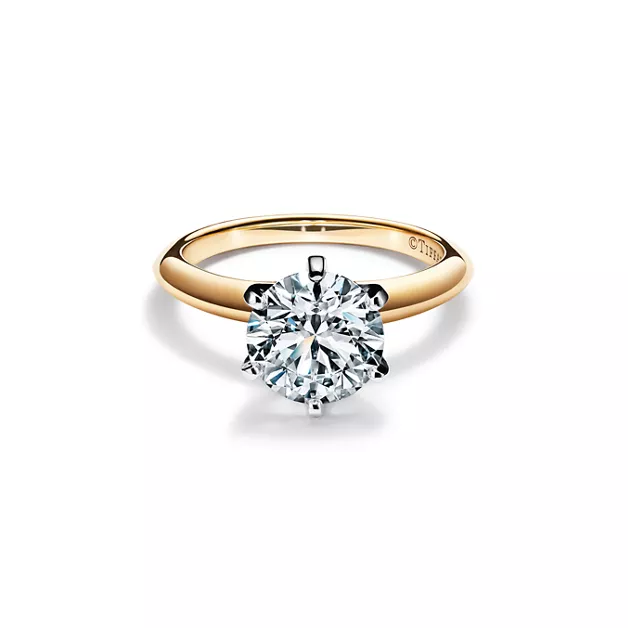
A gold engagement ring is a symbolic piece of jewelry—typically featuring a center gemstone (most often a diamond) set in a gold alloy—given during a proposal to signify intent to marry. Its defining elements are gold as the base metal and a design that balances sentiment with durability. Gold engagement rings are crafted from gold alloys (pure 24k gold is too soft for daily wear) mixed with metals like copper, silver, or zinc to add strength. They come in three primary tones: yellow gold (classic, with a warm hue), white gold (plated with rhodium for a silvery finish), and rose gold (blended with copper for a pinkish glow). The ring’s structure usually includes a band (2–6mm wide for comfort) and a setting (prong, bezel, or halo) to secure the center stone, ensuring it stands up to decades of daily wear.
How It Differs from Other Engagement Rings
What sets a gold engagement ring apart from platinum or silver options is its warmth, versatility, and value retention. Platinum is dense and cool-toned but 2–3x more expensive than gold; silver is affordable but prone to tarnish and scratches, making it unsuitable for lifelong wear. Gold, by contrast, offers a middle ground: it’s durable enough for daily use, complements every skin tone, and pairs with any gemstone (diamonds, sapphires, or birthstones). Unlike platinum’s starkness, gold adds a soft glow that enhances the center stone—whether it’s a brilliant-cut diamond or a deep blue sapphire. It also adapts to trends: a gold band can be redesigned (e.g., adding side stones for an anniversary) without losing its core beauty, something rigid platinum struggles to match.
Why Is Gold Engagement Ring So Popular?
Timeless Symbolism Rooted in Tradition
Gold has symbolized eternity and commitment since ancient Egypt, where couples exchanged gold rings to signify “unbroken love.” This tradition carried through to Roman times (where rings were engraved with “fides” or “faith”) and remains relevant today. A 2024 survey by Marriage & Family Review found that 68% of couples chose gold engagement rings because they “felt connected to generations of love stories.” Unlike trendy metals (e.g., titanium or tungsten), gold doesn’t feel dated—your grandmother’s 1950s yellow gold ring can be worn by your fiancée today, creating a link between past and future.
Versatility for Every Style & Skin Tone
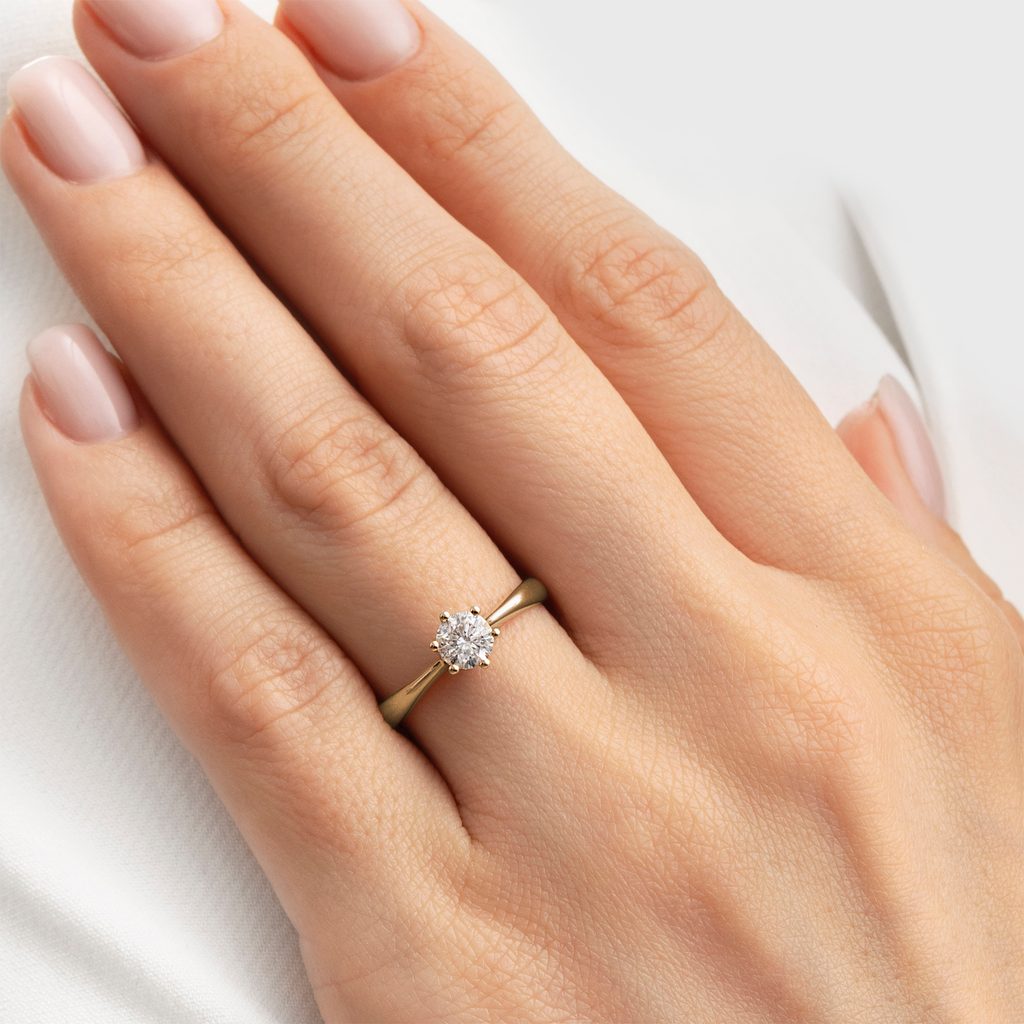
Gold’s three primary tones make it universally flattering. Yellow gold complements warm skin tones (with peach or olive undertones) and pairs beautifully with vintage or bohemian styles. Rose gold flatters cool and neutral skin tones, adding a romantic touch to minimalist designs. White gold mimics platinum’s silvery look, making it ideal for modern, sleek styles and cool skin tones. The Knot’s report notes that 41% of brides choose rose gold for its “soft romance,” while 38% opt for classic yellow gold. Unlike platinum (which only suits cool tones), gold adapts to your fiancée’s unique style—whether she prefers a bold halo ring or a delicate solitaire.
Durability & Value Retention
Gold engagement rings are built to last a lifetime. Gold alloys (14k, 18k) resist scratches and tarnish, even with daily wear (e.g., washing hands, typing, or cooking). Unlike silver (which turns black over time) or plated metals (which chip), gold’s finish remains intact with basic care. Gold also retains its value: the World Gold Council reports that gold jewelry holds 65–75% of its value over 10 years, making it a wise investment. Platinum, while durable, depreciates faster—losing 30–40% of its value due to market volatility. For couples, this means a gold engagement ring isn’t just a symbol—it’s a tangible asset they can pass down as an heirloom.

Popular Styles of Gold Engagement Ring
Solitaire Gold Engagement Ring
The most classic style, a solitaire features a single center diamond (or gemstone) set in a simple gold band. It’s often crafted in 14k or 18k gold with 4–6 prongs to maximize light on the stone. Yellow gold solitaires evoke vintage charm, while white gold versions feel modern. Brands like Tiffany & Co. (with their iconic 6-prong setting) offer solitaires ranging from $2,000 (0.5ct diamond in 14k gold) to $20,000+ (2ct diamond in 18k gold). This style is perfect for fiancées who prefer understated elegance—letting the stone and gold’s warmth take center stage.

Halo Gold Engagement Ring
A halo ring surrounds the center stone with a “halo” of tiny pavé diamonds, set in gold to amplify sparkle. The halo creates the illusion of a larger center stone and adds glamour without overwhelming the design. Rose gold halos are trendy for their romantic glow, while white gold halos feel timeless. Prices range from $3,500 (0.5ct center stone with halo in 14k gold) to $15,000 (1ct center stone in 18k gold). This style is ideal for fiancées who love sparkle and want a ring that stands out at weddings or events.
Vintage Gold Engagement Ring
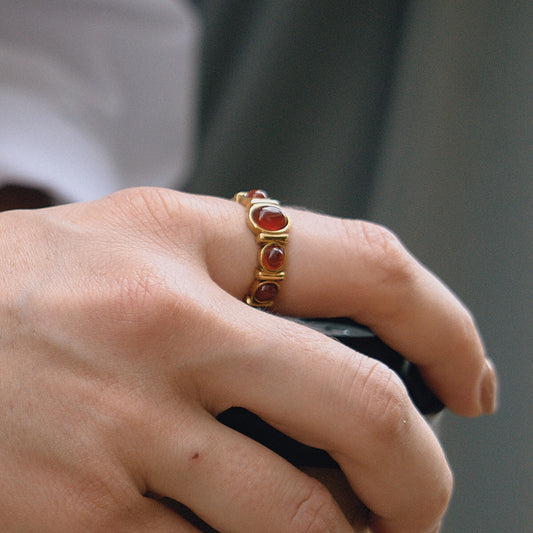
Vintage styles draw inspiration from eras like the 1920s (Art Deco) or 1950s (retro), featuring intricate gold details like filigree, milgrain edging, or colored gemstones (e.g., sapphires or rubies). 14k yellow gold is the most common choice for vintage rings, as it mirrors the warm tones of old-world designs. Many vintage rings have hand-engraved gold bands, adding a one-of-a-kind touch. Prices vary: antique vintage rings (50+ years old) start at $4,000, while “vintage-inspired” new rings cost $2,500–$8,000. This style suits fiancées who love history and unique, story-driven jewelry.
Three-Stone Gold Engagement Ring
Three-stone rings feature a center diamond flanked by two smaller stones, set in gold. The three stones symbolize “past, present, and future”—a meaningful choice for couples with shared history. Yellow gold three-stone rings feel classic, while rose gold versions add romance. Many couples choose birthstones for the side stones (e.g., a diamond center with sapphire sides for a September birthday). Prices range from $3,000 (1ct total weight in 14k gold) to $12,000 (3ct total weight in 18k gold). This style is perfect for sentimental fiancées who want their ring to tell a story.
How to Wear a Gold Engagement Ring
Pairing with a Wedding Band
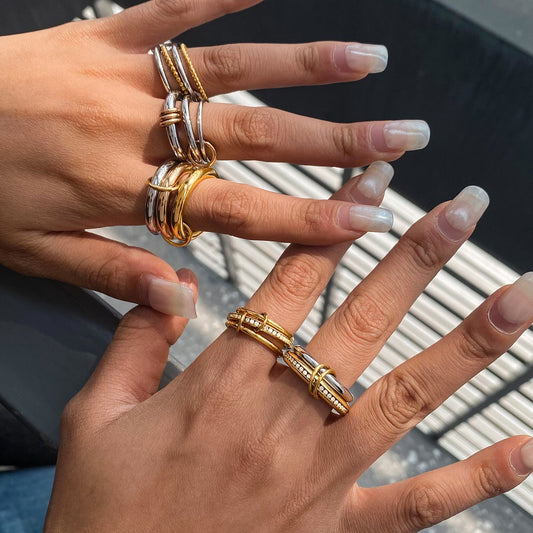
The key to pairing a gold engagement ring with a wedding band is to match tones (yellow + yellow, rose + rose) for cohesion, or mix subtly for contrast. For a solitaire gold engagement ring, a thin gold wedding band (1–2mm) complements it without clashing. For a halo ring, a curved “contour” band fits around the halo to avoid gaps. Many couples choose a “bridal set” (engagement ring + wedding band) in the same gold tone—e.g., 14k white gold solitaire + matching band. For a trendy twist, mix rose gold engagement ring with a thin yellow gold band (keep the band simple to avoid overwhelming the engagement ring).
Daily Wear: Balance Style & Protection
Gold engagement rings are durable, but daily care ensures they stay beautiful. Wear the ring on your ring finger (left hand in most Western cultures) to minimize scratches (avoid wearing it on the index finger, which is more prone to bumps). Remove it during high-impact activities (e.g., gym workouts, gardening) or tasks that expose it to chemicals (e.g., cleaning, dishwashing). For active fiancées, a bezel setting (gold wraps around the stone) is safer than prongs, as it prevents the stone from catching on clothing or equipment.
Occasion-Specific Styling
For formal events (e.g., engagement parties, weddings), let the gold engagement ring shine by keeping other jewelry minimal. Pair a halo gold ring with tiny gold stud earrings and a thin gold bracelet. For casual days (e.g., brunch, errands), the ring complements everyday outfits—yellow gold looks warm with denim, while rose gold adds softness to a white tee. For work, avoid pairing the ring with bulky jewelry (e.g., large bracelets) that can get in the way; a solitaire gold ring looks polished with a blazer and blouse.
Gold Engagement Ring: Perfect Gift for Your Fiancée
Symbolism That Speaks to Your Bond
A gold engagement ring is more than a gift—it’s a physical representation of your love and commitment. Gold’s durability symbolizes a relationship built to last, while the center stone (often a diamond) represents purity and eternity. Many couples engrave the gold band with a meaningful date (e.g., first date, proposal day) or phrase (e.g., “Forever Yours”) to add a personal touch. A 2024 survey by Brides Magazine found that 81% of fiancées said their gold engagement ring “made them feel deeply loved,” as it showed their partner took the time to choose something timeless and personal.
Tailoring the Style to Her Taste
The perfect gold engagement ring matches her unique style. If she’s a minimalist, opt for a 14k white gold solitaire with a round-cut diamond. If she loves vintage, a 14k yellow gold ring with filigree and a cushion-cut diamond. If she’s trendy, a 14k rose gold halo ring with a pear-shaped diamond. Pay attention to her existing jewelry: if she wears mostly rose gold, stick to that tone; if she prefers dainty pieces, avoid overly large halos. If you’re unsure, ask her best friend for hints—most friends are happy to help you pick a ring she’ll adore.
Making the Proposal Unforgettable
Pair the gold engagement ring with a thoughtful proposal to make the moment special. For a nature lover, propose at a scenic spot (e.g., beach, mountain) and present the ring in a wooden box (to complement gold’s warmth). For a homebody, cook her favorite meal, set the table with candles, and slip the ring into a dessert (e.g., a chocolate truffle box). Whatever you do, explain why you chose a gold ring—e.g., “I picked this yellow gold solitaire because it’s as timeless as my love for you”—to add emotional weight to the gift.
How to Clean a Gold Engagement Ring
Daily Maintenance for Gold & Diamonds
To keep your gold engagement ring shiny, wipe it daily with a soft, lint-free cloth (e.g., microfiber) to remove skin oils and dirt. For a deeper clean, mix warm water with a few drops of mild dish soap (e.g., Dawn) in a small bowl. Soak the ring for 15–20 minutes to loosen grime, then use a soft-bristled toothbrush (baby toothbrush works best) to gently scrub the gold band and diamond setting (pay attention to prongs, where dirt hides). Rinse thoroughly with warm water and pat dry with a cloth.
Avoiding Harmful Chemicals & Practices
Gold and diamonds are durable, but certain chemicals can damage them. Avoid wearing the ring while using bleach, ammonia, or hairspray—these chemicals can dull the gold’s finish or erode the diamond’s sparkle. Never use ultrasonic cleaners for gold engagement rings with delicate settings (e.g., filigree or pavé), as the vibrations can loosen stones. For white gold rings (plated with rhodium), avoid abrasive cleaners (e.g., baking soda), which can scratch the rhodium plating.
Professional Care Tips
Have your gold engagement ring inspected by a jeweler every 6–12 months. Jewelers will check for loose prongs, worn gold, and clean hard-to-reach areas (e.g., under the diamond). For white gold rings, re-plate with rhodium every 1–2 years to maintain their silvery finish (this costs $50–$100). Store the ring in a soft jewelry box (separate from other jewelry) to prevent scratches—use a small pouch or compartment to keep it safe when not wearing it.
What Karat Gold for Engagement Ring?
Karat (K) refers to the purity of gold—higher karat means more pure gold, but less durability. The most common karats for engagement rings are 10k, 14k, and 18k. Here’s how they compare:
-
10k Gold (41.7% pure): Most durable (mixed with copper/zinc), least expensive ($1,500–$5,000 for a solitaire). Has a paler gold hue. Ideal for active fiancées or those on a budget.
-
14k Gold (58.3% pure): Most popular (balances durability and color), mid-range price ($2,000–$8,000). Warm, rich hue that holds up to daily wear. Perfect for most couples.
-
18k Gold (75% pure): Luxurious (deep, rich color), softer (prone to minor scratches), more expensive ($3,000–$15,000). Ideal for fiancées who want a premium look and don’t mind occasional maintenance.
24k Gold (99.9% pure) is rarely used for engagement rings—it’s too soft and will bend or scratch easily, risking the center stone. The Knot recommends 14k gold for most couples, as it’s “durable enough for daily wear and beautiful enough to last a lifetime.”
Is 14k or 18k Gold Better for Engagement Ring?
14k Gold: The Practical Choice
14k gold is better if your fiancée is active (e.g., plays sports, works with her hands) or if you want a ring that requires minimal maintenance. Its higher alloy content makes it scratch-resistant—perfect for daily wear. It’s also more affordable than 18k, leaving room in your budget for a larger diamond or custom engravings. 14k gold’s color is warm and versatile, complementing all skin tones and gemstones. The only downside is it’s slightly less pure than 18k, but this is negligible for most couples.
18k Gold: The Luxurious Choice
18k gold is better if your fiancée prioritizes premium materials and a rich, deep gold hue. Its higher pure gold content gives it a luster that 14k can’t match—especially noticeable in yellow gold. It’s a great choice for vintage or custom designs, as the pure gold is easier to engrave or shape. However, 18k is softer: it may develop minor scratches over time, and prongs are more prone to bending (requiring regular jeweler checks). It’s also 30–40% more expensive than 14k, so it’s best for couples with a larger budget.
Final Recommendation
Choose 14k gold if you want balance (durability, affordability, versatility). Choose 18k gold if you want luxury and don’t mind minor maintenance. For most couples, 14k is the sweet spot—The Knot’s 2024 report found that 72% of gold engagement rings are 14k, making it the industry standard.
Are Engagement Rings Gold or Silver?
Gold: The Superior Choice for Lifelong Wear
Gold is far more popular for engagement rings than silver, and for good reason. Silver is soft (prone to bending), tarnishes easily (turns black with exposure to air), and doesn’t retain value. A silver engagement ring may look beautiful initially, but it will require constant polishing and may need to be replaced within a few years. Gold, by contrast, is tarnish-resistant, durable, and retains its value—making it ideal for a ring meant to be worn for decades. The Knot’s data confirms this: only 10% of engagement rings are silver, compared to 62% gold.
When to Consider Silver (Rare Exceptions)
Silver engagement rings are only recommended if you’re on an extremely tight budget (silver is 1/10 the cost of gold) or if your fiancée specifically requests it (e.g., she loves minimalist silver jewelry). If you choose silver, opt for “sterling silver” (92.5% pure) and have it plated with rhodium to prevent tarnish. However, keep in mind that silver is not an heirloom piece—most couples upgrade to gold within a few years.
Gold Engagement Ring: Forever in Every Shine
Gold engagement ring is more than a proposal staple—it’s a symbol of love that grows with you, a style that adapts to every phase of life, and an investment that lasts. From choosing the perfect karat (14k for balance, 18k for luxury) to pairing it with her style (solitaire for minimalists, halo for sparkle), every detail of a gold engagement ring tells your unique story. It’s no wonder it remains the top choice for couples ready to say “I do.” Ready to find the perfect gold engagement ring for your fiancée? Explore our curated collection—from vintage-inspired 14k yellow gold to modern 14k rose gold halos, each ring is handpicked for quality and beauty. Unsure about karat, style, or sizing? Leave a comment below with details about her taste, and our jewelry experts will help you find the ring she’ll wear—and cherish—forever. Start your forever journey with a gold engagement ring today!