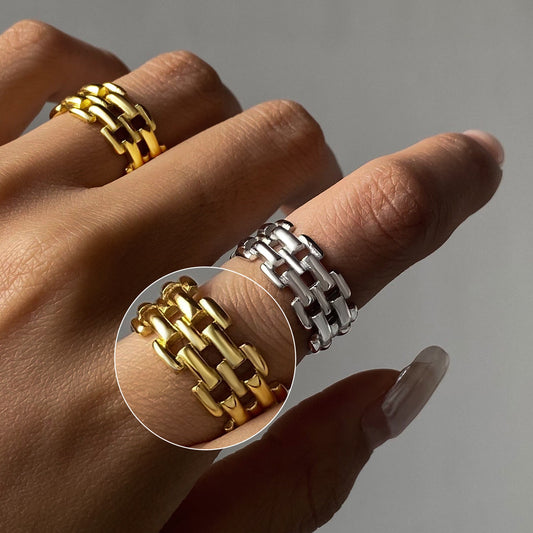
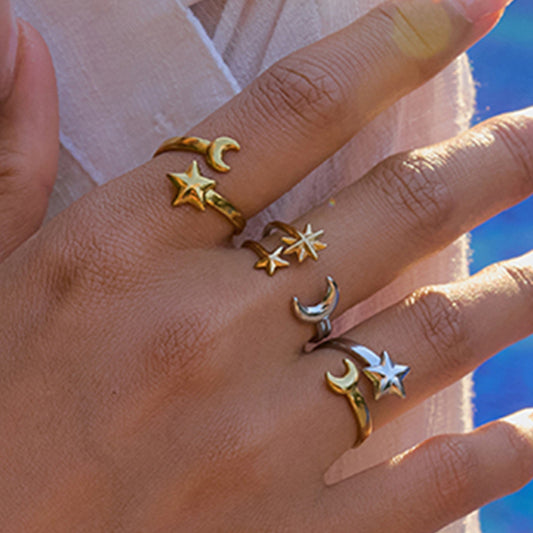
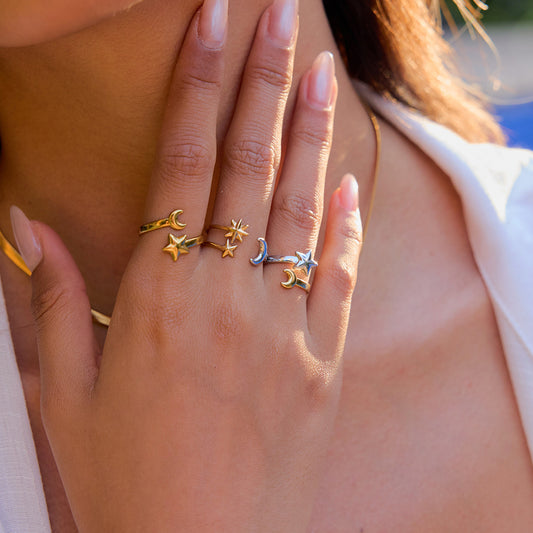
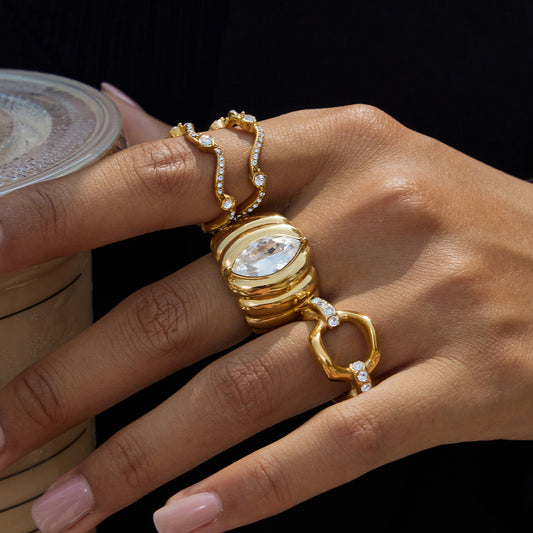


Whether you’re shopping for a new ring, resizing a beloved piece, or preparing to gift an engagement ring (the ultimate fit-critical purchase), one question looms large: how can I size a ring correctly? A poorly fitted ring is more than just uncomfortable—it can slip off and get lost, feel too tight and restrict circulation, or ruin the look of an otherwise stunning accessory. The global wedding ring market is projected to reach approximately USD 140–185 billion by 2033–2034, with a CAGR of 5.7–6.7%. As of 2024–2025, the market is valued at roughly USD 85–97 billion. Rings represent the largest segment in the broader jewelry industry (over 43% in the U.S.), driven by bridal demand and rising trends in smart ring technology. According to a survey by the Jewelry Retailers Association, 68% of people have purchased a ring that didn’t fit properly on the first try, and 42% have had to resize a ring within the first year of owning it. The good news is that sizing a ring doesn’t have to be complicated—with the right tools, techniques, and a little know-how, you can get an accurate fit every time. This comprehensive guide breaks down everything you need to know about ring sizing: from why fit matters to DIY methods, professional sizing, common mistakes to avoid, and tips for sizing tricky rings (like wide bands or stackable styles). Let’s dive in and answer the question, “how can I size a ring?” once and for all.

Why Ring Sizing Matters (And What Happens If You Get It Wrong)
Before we get into the “how,” let’s talk about the “why” behind proper ring sizing. A well-fitted ring should feel comfortable—snug enough to stay on your finger without slipping, but loose enough to slide over your knuckle with a little resistance. Getting the size wrong can lead to a host of problems, from minor annoyances to costly mistakes. Understanding these consequences will help you prioritize accurate sizing, whether you’re measuring yourself at home or visiting a jeweler.
Risks of an Ill-Fitted Ring
An overly loose ring is at high risk of slipping off—especially during everyday activities like washing dishes, exercising, or even just typing. Losing a sentimental ring (like a family heirloom or engagement ring) is devastating, and replacing it can be expensive. On the flip side, a ring that’s too tight can cause discomfort, swelling, and even numbness in your finger. Prolonged wear of a tight ring can restrict blood flow, leading to a condition called “ring avulsion,” which can damage the skin and blood vessels (in extreme cases). Additionally, an ill-fitted ring won’t look its best—too loose, and it will spin around your finger; too tight, and it will squeeze your finger, distorting the ring’s shape over time. For engagement rings or wedding bands (which are worn daily), proper sizing is even more critical—you’ll want a fit that’s comfortable for years of wear.
When Ring Sizing Is Most Important
While all rings benefit from proper sizing, there are certain scenarios where accuracy is non-negotiable. If you’re shopping for an engagement ring or wedding band, sizing is essential—these rings are meant to be worn every day, and resizing them after the fact can sometimes damage intricate designs (like pave settings or engravings). If you’re gifting a ring (especially a surprise gift), sizing becomes trickier, but taking the time to get an accurate measurement will ensure the recipient can wear it right away. For heirloom rings that have been passed down, resizing may be necessary to fit your finger, and proper sizing will preserve the ring’s integrity. Even everyday fashion rings benefit from a good fit—you’ll wear them more often if they’re comfortable, and they’ll last longer without damage.
How Can I Size a Ring? DIY Methods (No Jeweler Required)
If you’re wondering, “how can I size a ring without visiting a jeweler?” there are several DIY methods you can use at home. These methods are affordable, easy to do, and perfect for getting a rough estimate (or even an accurate measurement) if you don’t have access to a professional. Keep in mind that DIY methods are best for casual rings—for engagement rings or high-value pieces, we recommend combining DIY with professional sizing to ensure accuracy.
Method 1: Use a Printable Ring Sizer
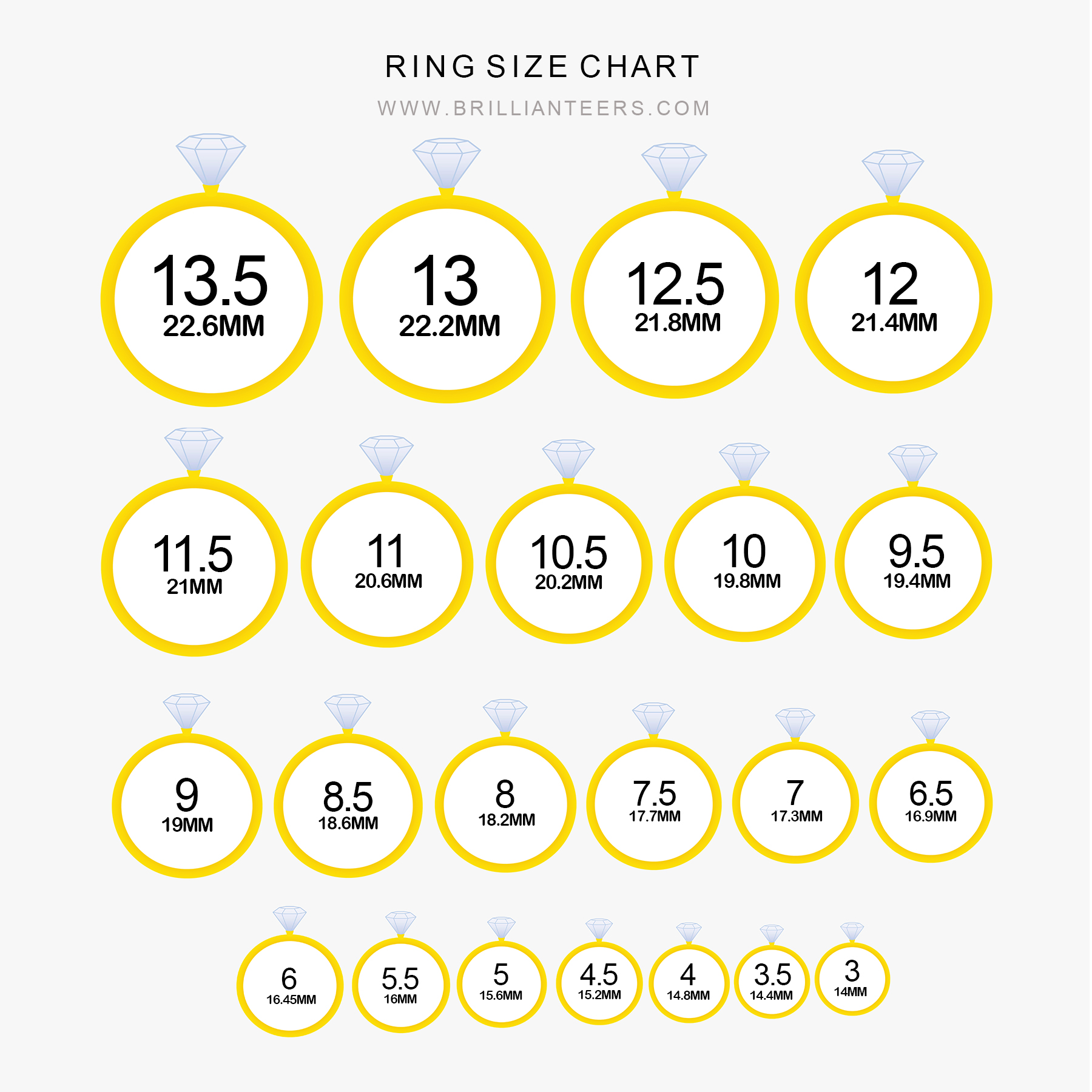
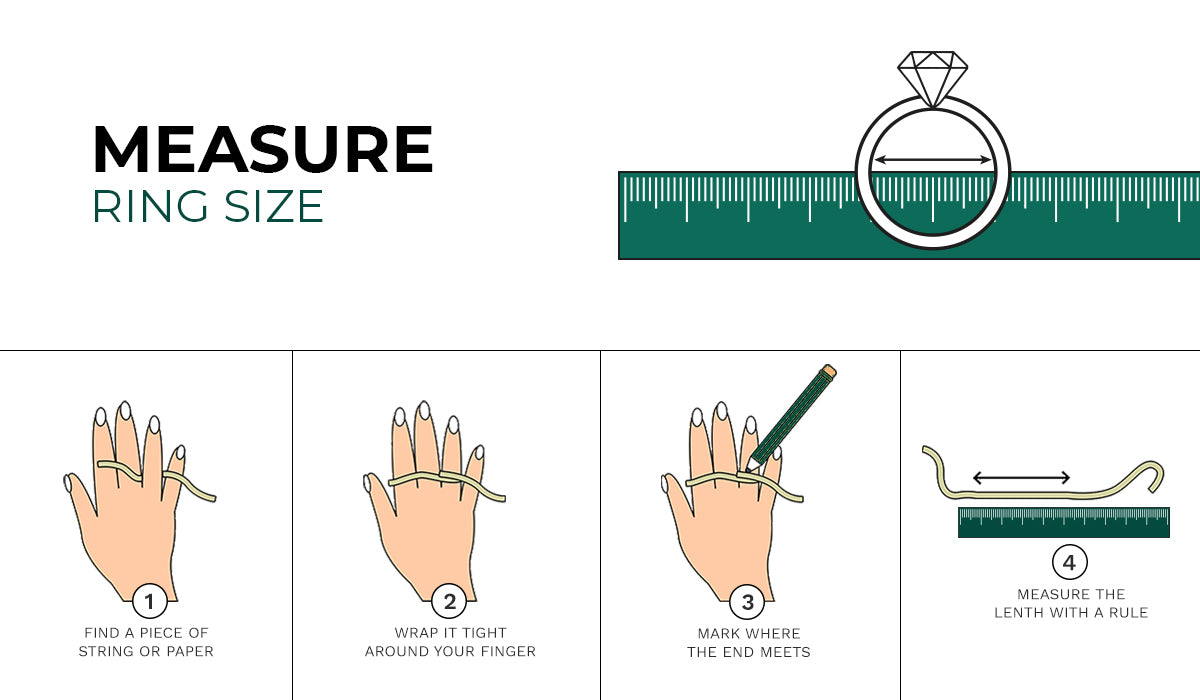
A printable ring sizer is one of the easiest and most accurate DIY methods. Here’s how to use it: First, find a reputable printable ring sizer online (many jewelers, like Kay Jewelers or Zales, offer free printable sizers on their websites). Print the sizer on standard 8.5x11 paper—make sure to select “actual size” in your printer settings (do not scale the image, as this will skew the measurements). Cut out the sizer, then wrap the paper strip around the finger where you’ll wear the ring (make sure it’s snug but not tight). Mark the point where the end of the strip overlaps, then measure the length from the start of the strip to the mark using a ruler. Compare this measurement to a ring size chart (included with most printable sizers) to find your ring size. This method works best for standard-width rings (2-4mm) and is ideal for getting a quick, accurate measurement at home.

Method 2: Measure an Existing Ring
If you already have a ring that fits the same finger perfectly, you can use it to determine your size. Here’s how: Place the ring on a flat surface, and use a ruler to measure the inner diameter of the ring (the distance across the center of the ring, from one inner edge to the other). Make sure to measure in millimeters (mm)—this is the standard unit for ring sizing. Once you have the inner diameter, compare it to a ring size chart to find your size. For example, an inner diameter of 16.5mm corresponds to a US size 6, while 17.3mm corresponds to a US size 7. This method is quick and easy, but it only works if you have an existing ring that fits well. Note: This method is less accurate for wide bands (5mm or more), as wide rings fit differently than narrow ones.

Method 3: Use a String or Paper Strip
If you don’t have a printable sizer or an existing ring, you can use a simple string or paper strip to measure your finger. Here’s how: Cut a thin strip of paper (about 1/4 inch wide) or use a piece of string. Wrap the strip or string around the base of your finger, making sure it’s snug but not tight (you should be able to slip a finger between the strip and your skin). Mark the point where the end overlaps with a pen or marker. Unwrap the strip and measure the length from the start to the mark using a ruler (in millimeters). Compare this measurement to a ring size chart to find your size. This method is affordable and accessible, but it’s slightly less accurate than the printable sizer or existing ring method—string can stretch, and paper can tear, so take multiple measurements to ensure consistency.
DIY Sizing Tips for Accuracy
To get the most accurate measurement when sizing a ring at home, follow these tips: Measure your finger at the end of the day—fingers tend to swell slightly throughout the day, so measuring in the morning (when fingers are smallest) can lead to a ring that’s too tight. Avoid measuring after exercising, showering, or eating a salty meal (all of which can cause finger swelling). Measure the same finger multiple times (3-4 times) to ensure consistency—if your measurements vary, take the average. If you’re sizing for a wide band (5mm or more), add half a size to your measurement—wide bands fit tighter than narrow bands because they cover more surface area on your finger. For stackable rings, measure with the other rings you plan to stack with—stacking multiple narrow bands can add up to a tighter fit.
How Can I Size a Ring? Professional Sizing (Most Accurate Option)
While DIY methods are convenient, the most accurate way to size a ring is to visit a professional jeweler. Jewelers have specialized tools and years of experience, making them the best choice for high-value rings, intricate designs, or anyone who wants to ensure a perfect fit. If you’re asking, “how can I size a ring with 100% accuracy?” professional sizing is the answer.
What to Expect During a Professional Ring Sizing
When you visit a jeweler for ring sizing, the process is quick and painless. First, the jeweler will ask which finger you plan to wear the ring on (fingers on your dominant hand are typically slightly larger). They will then use a ring sizer tool—a set of metal rings in every standard size—to find your fit. The jeweler will slide different-sized sizers onto your finger, asking for feedback on how they feel. The perfect sizer should fit snugly over your knuckle and stay in place on your finger without spinning. If you’re sizing for a specific ring (like an engagement ring), the jeweler may also measure the ring itself to ensure the resizing process (if needed) won’t damage the design. Most jewelers offer free ring sizing, even if you’re not purchasing a ring from them—just call ahead to confirm.
When to Choose Professional Sizing Over DIY
While DIY sizing works for casual rings, there are certain scenarios where professional sizing is a must. If you’re shopping for an engagement ring or wedding band, professional sizing is essential—these rings are often intricate, expensive, and meant to be worn daily. A jeweler can account for details like band width, stone settings, and metal type, ensuring the ring fits perfectly without needing extensive resizing. If you’re gifting a surprise ring, a jeweler can help you get an accurate measurement (even if you don’t have the recipient’s finger to measure) by using an existing ring of theirs (if you can borrow it) or estimating based on height, weight, and other factors. For heirloom rings or vintage pieces, a jeweler can resize the ring carefully, preserving its integrity and any engravings or details. If you have unusually shaped fingers (like knuckles that are much larger than the base of your finger), a jeweler can help you find a size that fits both your knuckle and the base of your finger comfortably.
Common Ring Sizing Mistakes to Avoid
When asking, “how can I size a ring?” it’s just as important to know what not to do as what to do. Avoiding these common mistakes will help you get an accurate measurement and ensure your ring fits perfectly.
Mistake 1: Measuring Cold Fingers
Fingers shrink when they’re cold and swell when they’re warm. Measuring your finger when it’s cold (like in a drafty room or after being outside in winter) will lead to a ring that’s too tight once your fingers warm up. Always measure your finger at room temperature, and avoid measuring after being in extreme cold or heat.
Mistake 2: Measuring Too Tight or Too Loose
One of the biggest mistakes people make when sizing a ring is wrapping the sizer (string, paper, or printable strip) too tight or too loose. If the sizer is too tight, you’ll end up with a ring that’s uncomfortable and restricts blood flow. If it’s too loose, the ring will slip off easily. The perfect fit is snug enough to stay on, but loose enough to slide over your knuckle with a little resistance.
Mistake 3: Ignoring Band Width
Wide bands (5mm or more) fit differently than narrow bands. A wide band covers more surface area on your finger, so it will feel tighter than a narrow band of the same size. If you’re sizing for a wide ring, add half a size to your measurement (or ask your jeweler to adjust for the band width). Ignoring band width is a common mistake that leads to ill-fitted rings, especially for engagement rings and wedding bands.
Mistake 4: Using the Wrong Finger
Fingers on your dominant hand are typically 1/2 to 1 full size larger than fingers on your non-dominant hand. For example, if your left ring finger (non-dominant hand for right-handed people) is a size 6, your right ring finger may be a size 6.5. Always measure the exact finger where you’ll wear the ring—don’t assume all fingers are the same size, and don’t measure a finger on one hand and use that size for a ring on the other hand.
How to Size Tricky Rings (Wide Bands, Stackables, and More)
Some rings are trickier to size than others—wide bands, stackable rings, and rings with intricate designs require a little extra care to ensure a perfect fit. Here’s how to size these tricky styles:
Sizing Wide Band Rings
As mentioned earlier, wide bands fit tighter than narrow bands. When sizing a wide band (5mm or more), add half a size to your standard measurement. For example, if your standard size is 7, you’ll likely need a 7.5 for a wide band. If you’re using a DIY method, wrap the sizer around your finger and then add 1-2mm to the measurement to account for the band width. For professional sizing, tell your jeweler the band width, and they’ll adjust the size accordingly. Wide bands may also require more extensive resizing if you need to change the size after purchase, so getting the fit right the first time is key.
Sizing Stackable Rings
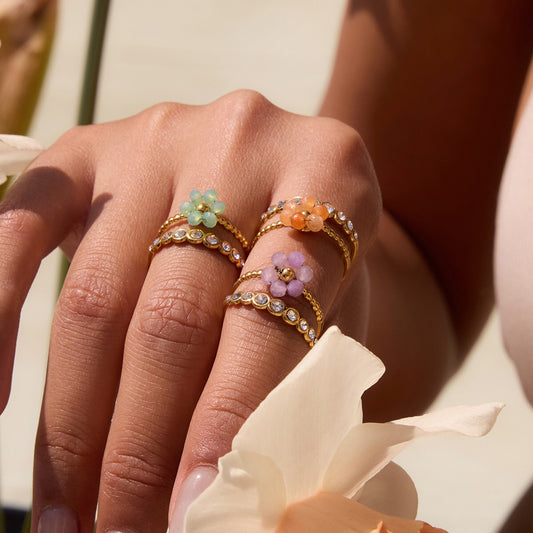
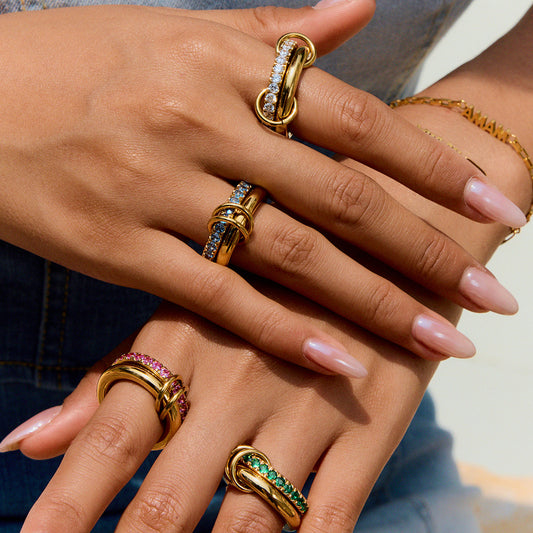
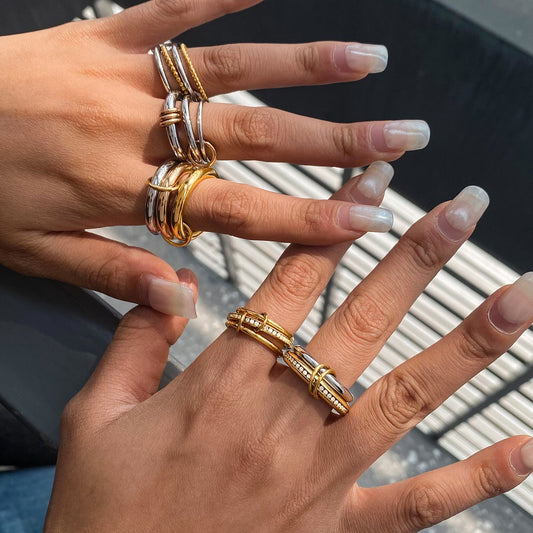
Stackable rings are meant to be worn together, so their fit is dependent on how many rings you plan to stack. If you’re stacking 2-3 narrow bands, you may need to go up 1/4 to 1/2 a size for each additional ring—stacking multiple bands can add up to a tighter fit. When sizing stackable rings, measure your finger with the other rings you plan to stack with (if possible). If you’re buying stackable rings separately, ask your jeweler for a “stackable size” that accounts for multiple bands. Avoid stacking rings that are too tight—they can pinch your finger and cause discomfort when worn together.
Sizing Rings with Intricate Designs
Rings with intricate designs (like pave settings, engravings, or gemstone clusters) can be tricky to resize because resizing can damage the design. If you’re sizing a ring with a pave setting, resizing it too much (more than 1-2 sizes) can loosen the stones and cause them to fall out. For engraved rings, resizing can stretch or distort the engraving, making it unreadable. If you have a ring with an intricate design, it’s best to get professional sizing before purchasing—this will minimize the need for resizing later. If you do need to resize the ring, choose a jeweler with experience resizing intricate designs to preserve the ring’s integrity.
How to Resize a Ring (If You Got the Size Wrong)
Even with careful sizing, you may end up with a ring that doesn’t fit—maybe your fingers swelled during pregnancy, or you bought a ring as a gift and guessed the size wrong. The good news is that most rings can be resized by a professional jeweler. Here’s what you need to know about ring resizing:
Can All Rings Be Resized?
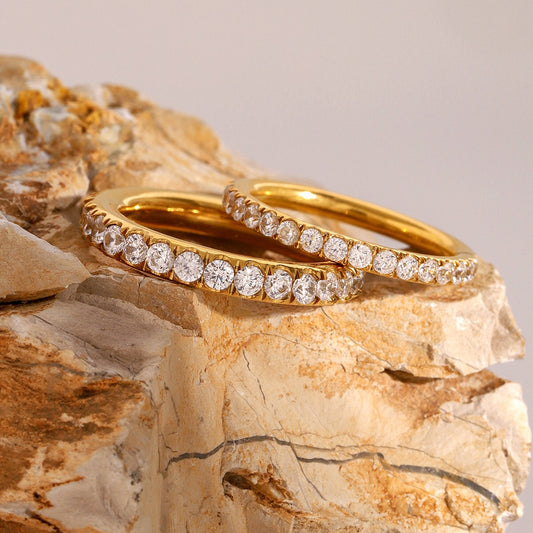
Most rings can be resized, but there are exceptions. Rings made from solid gold, silver, platinum, or palladium are easy to resize—jewelers can stretch the metal to make the ring larger or cut and solder the metal to make it smaller. However, rings made from stainless steel, titanium, or tungsten are difficult (or impossible) to resize because these metals are too hard to manipulate. Rings with full eternity bands (gemstones all the way around the band) are also hard to resize—resizing would require removing and resetting the stones, which is expensive and can damage the ring. If you’re unsure if a ring can be resized, ask your jeweler before purchasing.
What to Expect During Ring Resizing
When you take a ring to a jeweler for resizing, the process will depend on whether you need to make the ring larger or smaller. To make a ring smaller, the jeweler will cut a small section of the band, then solder the ends together and polish the area to hide the seam. To make a ring larger, the jeweler will stretch the metal (for small size increases, 1/2 size or less) or add a small piece of metal to the band (for larger size increases). Resizing typically takes 1-3 days for standard rings, and up to a week for intricate designs. The cost of resizing varies depending on the metal, band width, and complexity of the ring—simple gold rings cost $20-$50 to resize, while intricate designs or precious metals (like platinum) can cost $100 or more.
Conclusion: Mastering How to Size a Ring for Perfect Fit
To wrap it up, if you’re asking, “how can I size a ring?” the answer depends on your needs—DIY methods are convenient for casual rings, while professional sizing is best for high-value, intricate, or sentimental pieces. By following the step-by-step guides in this blog, avoiding common mistakes, and accounting for tricky styles (like wide bands and stackables), you can get an accurate ring size every time. Remember, a well-fitted ring is comfortable, secure, and looks its best—taking the time to size your ring properly will ensure you can enjoy it for years to come.
Now that you know how to size a ring, it’s time to put this knowledge into action. If you’re shopping for a new ring, use a printable sizer to get a rough estimate, then visit a jeweler for a professional measurement to confirm. If you’re resizing an existing ring, choose a reputable jeweler with experience resizing your ring’s metal and design. Don’t let a poorly fitted ring ruin your favorite accessory—master the art of ring sizing today. And if you need help finding a jeweler or choosing the right sizing method for your ring, leave a comment below—we’re here to help! Shop our collection of perfectly sized rings now, or visit a local jeweler to get your finger measured and find your ideal fit.