



Getting a new ear piercing is an exciting way to express your style—but the real work starts after you leave the piercing studio. Properly cleaning your ear piercing is the single most important thing you can do to prevent infection, irritation, and scarring, and to ensure your piercing heals smoothly. The global ear-piercing jewelry market, a dominant segment of the broader body jewelry industry (valued at over $8 billion in 2024), is experiencing rapid growth, with earrings accounting for approximately 38-42% of the total body piercing market share. Driven by Gen Z and Millennial trends, the market is expanding, with earring-specific sales expected to continue rising significantly through 2033. Whether you just got a lobe piercing, a cartilage piercing (like a helix or tragus), or you’re maintaining an older piercing, knowing how to clean ear piercing correctly is non-negotiable. In this blog, we’ll break down everything you need to know—from the best cleaning solutions to avoid, to a step-by-step routine, to troubleshooting common issues that pop up during healing. Let’s dive in and keep those piercings looking (and feeling) their best!

First: Why Cleaning Your Ear Piercing Matters
Before we get into the “how,” let’s talk about the “why.” When you get a piercing, you’re creating a small wound in your skin—your body’s natural response is to heal it, but this process can be derailed by bacteria, dirt, or debris that gets trapped around the jewelry. A dirty piercing is a breeding ground for infection, which can cause redness, swelling, pain, pus, or even permanent damage. Irritation from improper cleaning (or over-cleaning!) can also lead to bumps, scarring, or prolonged healing times (which no one wants). For lobe piercings, healing can take 6-8 weeks; for cartilage piercings, it can take 3-12 months—so consistency with your cleaning routine is key. The good news? Cleaning your ear piercing is simple, quick, and easy once you know the right method.

What You’ll Need (And What to Avoid) for Cleaning Your Ear Piercing
The first rule of how to clean ear piercing: use the right products. Not all cleaning solutions are created equal, and some can do more harm than good. Here’s a breakdown of what to grab (and what to steer clear of) before you start.
Recommended Cleaning Supplies
-
Sterile Saline Solution: This is the gold standard for piercing cleaning. Look for a sterile, isotonic saline solution (0.9% sodium chloride) with no additives, fragrances, or preservatives. You can buy pre-made piercing saline sprays (like H2Ocean or NeilMed Piercing Aftercare) at piercing studios, pharmacies, or online—these are convenient and ensure you’re using the right concentration. If you make your own, mix ¼ teaspoon of non-iodized sea salt with 8 ounces of boiled (then cooled) water—just be sure to mix it thoroughly and use it fresh (discard any leftover solution after 24 hours).
-
Clean Cotton Swabs or Gauze Pads: Use these to gently wipe away debris around the piercing. Avoid cotton balls—they can leave tiny fibers behind that get trapped in the piercing and cause irritation.
-
Clean Hands: Always wash your hands with warm water and antibacterial soap before touching your piercing. This is the easiest way to prevent transferring bacteria to the wound.
-
A Clean Towel: Use a soft, clean towel (or a paper towel) to pat your ear dry after cleaning—avoid sharing towels, as they can harbor bacteria.

Products to Avoid (At All Costs!)
Some products might seem like a good idea, but they can irritate your piercing or slow down healing. Steer clear of these when cleaning your ear piercing:
-
Alcohol or Hydrogen Peroxide: These are too harsh! They kill both good and bad bacteria, which disrupts the natural healing process. They can also dry out your skin, cause irritation, and even damage the jewelry.
-
Antibacterial Ointments (Like Neosporin): Ointments can clog the piercing, trapping bacteria and debris inside. They also create a barrier that prevents the piercing from “breathing,” which is essential for healing.
-
Fragranced Soaps, Shampoos, or Lotions: These contain chemicals that can irritate the sensitive, healing skin around your piercing. Avoid getting these products directly on your piercing when showering.
-
Iodized Salt: Regular table salt has iodine, which can irritate and dry out your piercing. Stick to non-iodized sea salt if you’re making your own saline solution.
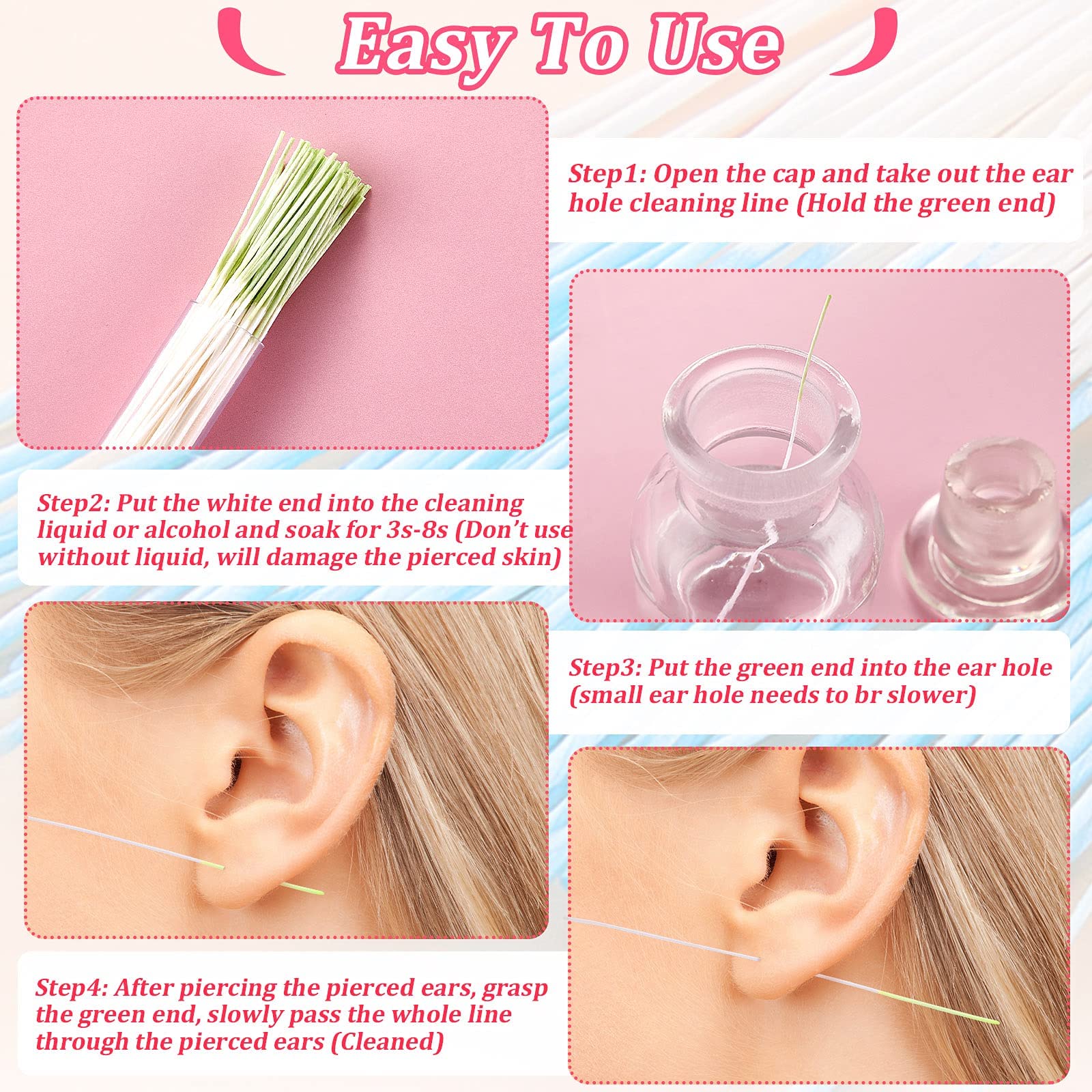
How to Clean Ear Piercing: Step-by-Step Routine (For New & Healing Piercings)
For new piercings (in the first 6-12 months, depending on the location), you’ll need to clean your ear piercing twice a day—once in the morning and once at night. This routine is simple, takes 2-3 minutes, and will keep your piercing clean without irritation. Here’s how to do it:
Step 1: Wash Your Hands Thoroughly
Before touching your piercing, wash your hands with warm water and antibacterial soap. Rub your hands together for at least 20 seconds (sing the “Happy Birthday” song twice if that helps!), then dry them with a clean towel or paper towel. This step is crucial—dirty hands are the #1 cause of piercing infections.
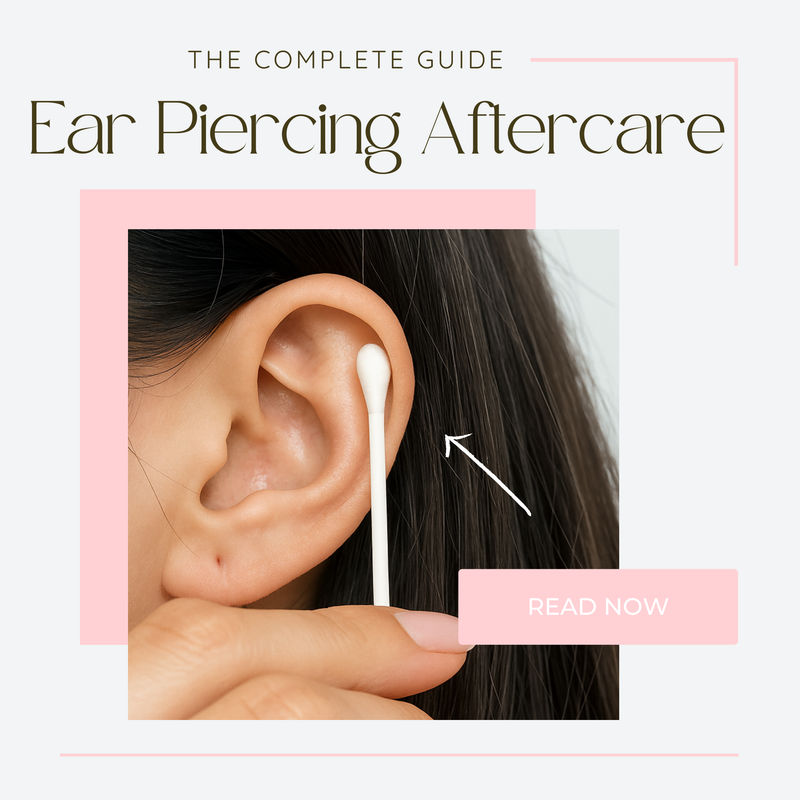
Step 2: Apply Saline Solution
Hold the saline solution bottle (or a cotton swab soaked in saline) up to your piercing. Gently spray or dab the saline solution directly onto the piercing site and the jewelry. Make sure the solution covers the entire area—including the front and back of the piercing (if it’s a lobe piercing) or the inside and outside (if it’s a cartilage piercing). Let the saline solution sit for 30-60 seconds to soften any crust or debris that’s built up around the jewelry.
Step 3: Gently Remove Crust & Debris
Using a clean cotton swab or gauze pad, gently wipe away any crust, dirt, or pus around the piercing. Be extremely gentle—do not scrub or twist the jewelry, as this can irritate the wound and cause bleeding. If the crust is stubborn, soak a cotton swab in saline solution and hold it against the crust for 1-2 minutes to soften it before wiping. For cartilage piercings (like helix or tragus), use a cotton swab to reach the hard-to-reach areas around the jewelry.
Step 4: Rinse (If Needed)
If you’re using a homemade saline solution (or if you applied a lot of solution), gently rinse the piercing with cool, clean water to remove any leftover salt residue. This step isn’t necessary if you’re using a pre-made saline spray, but it can help prevent dryness or irritation.
Step 5: Pat Dry Gently
Use a clean, soft towel or paper towel to pat the piercing dry. Do not rub—patting gently will avoid irritating the healing skin. Make sure the area is completely dry before moving on—moisture can trap bacteria and lead to infection.
Step 6: Avoid Touching or Twisting the Jewelry
After cleaning, resist the urge to touch, twist, or play with the jewelry. Twisting the jewelry can disrupt the healing tissue and cause scarring or bumps. The only time you should touch the jewelry is during cleaning (with clean hands, of course).
How to Clean Ear Piercing: Routine for Healed Piercings
Once your piercing is fully healed (no redness, swelling, pain, or pus, and the skin around the jewelry feels normal), you can cut back on cleaning. Healed piercings only need to be cleaned once a week (or as needed) to remove dirt and debris that builds up over time. Here’s how to clean a healed ear piercing:
-
Wash your hands first, then apply saline solution to the piercing and jewelry.
-
Gently wipe away any dirt or buildup with a cotton swab or gauze pad.
-
Rinse with cool water (if needed) and pat dry.
-
You can also clean healed piercings while showering—just rinse the area with warm water and gently wipe with a clean cloth, then pat dry afterward.
Pro Tips for Cleaning Ear Piercings (Avoid These Mistakes!)
Even if you know the basics of how to clean ear piercing, small mistakes can lead to big issues. Here are some pro tips to keep in mind:
Don’t Over-Clean
Cleaning your piercing more than twice a day (for new piercings) can irritate the skin and slow down healing. Your body needs time to form a protective layer of skin around the jewelry—over-cleaning disrupts this process. Stick to the twice-a-day routine for new piercings, and once a week for healed ones.
Don’t Twist or Turn the Jewelry
Twisting the jewelry while cleaning (or just for fun) can tear the healing tissue, cause bleeding, and lead to scarring or bumps (like keloids). The only time you should move the jewelry is if your piercer tells you to (some piercers recommend gently rotating the jewelry once a day after cleaning, but this varies—always follow your piercer’s advice).
Keep Hair Away From New Piercings
Hair can trap dirt, oil, and bacteria, which can irritate your piercing. If you have long hair, pull it back away from your ears (especially at night) to keep the piercing clean. Avoid using hair products (like hairspray or mousse) near your piercing—these can get into the wound and cause irritation.
Avoid Swimming While Healing
Pools, hot tubs, lakes, and oceans are full of bacteria that can infect your new piercing. Avoid swimming for at least 6-8 weeks (for lobe piercings) or 3-6 months (for cartilage piercings). If you must swim, cover your piercing with a waterproof bandage (like Tegaderm) and clean it thoroughly afterward with saline solution.
Follow Your Piercer’s Advice
Every piercing is different, and your piercer knows best. They may give you specific instructions for cleaning your ear piercing (like using a particular product or adjusting the frequency) based on the location of your piercing and your skin type. Always follow their advice—don’t skip steps or use products they tell you to avoid.
Troubleshooting: What to Do If Your Piercing Gets Irritated or Infected
Even with proper cleaning, piercings can sometimes get irritated or infected. Here’s how to tell the difference, and what to do:
Irritation vs. Infection
Irritation is common and usually mild. Signs include slight redness, minor swelling, and mild discomfort. This is often caused by over-cleaning, touching the piercing, or getting hair products on it. To fix irritation: stick to your cleaning routine, avoid touching the piercing, and keep the area dry and clean. It should improve within a few days.
Infection is more serious. Signs include severe redness, swelling that gets worse over time, intense pain, pus (yellow, green, or brown), and fever. If you notice these signs, contact your piercer first—they can help assess the infection and recommend next steps. If the infection is severe (or if your piercer advises it), see a doctor—they may prescribe antibiotics to clear it up.
Final Thoughts on How to Clean Ear Piercing
Cleaning your ear piercing doesn’t have to be complicated—but it does have to be consistent. By following the step-by-step routine outlined in this blog, using the right products, and avoiding common mistakes, you can ensure your piercing heals smoothly and stays healthy for years to come. Remember: the key to a happy piercing is clean hands, gentle cleaning, and patience. Whether you’re a first-time piercer or a seasoned pro, mastering how to clean ear piercing is the foundation of proper piercing care.
If you have any questions about your piercing, don’t hesitate to reach out to your piercer—they’re there to help. And if you found this guide helpful, share it with a friend who just got a new piercing (they’ll thank you later!). Here’s to healthy, stylish piercings!