



How to clean gold? It’s a question every gold jewelry owner asks—and for good reason. Gold is a timeless, luxurious metal, but over time, it loses its signature shine, dulls, and collects dirt, oil, and grime from everyday wear. The global gold jewelry market was valued at approximately USD 175–285 billion in 2024 and is projected to grow to over USD 300 billion by 2030–2035, driven by strong demand in Asia-Pacific and rising luxury consumption. The market is experiencing a CAGR of roughly 4.7% to 5.8%, fueled by a fusion of traditional designs with modern, lightweight styles. According to the 2025 Jewelry Care Trends Report, 78% of gold jewelry owners notice dullness within 6–12 months of wear, and 62% admit they don’t know the correct way to clean gold (risking damage with harsh chemicals or improper techniques). Additionally, a survey by the American Gem Society found that 59% of jewelry repair issues stem from incorrect cleaning methods, costing owners an average of $85 per repair. The good news? Cleaning gold at home is simple, affordable, and safe—when you know the right techniques. This comprehensive guide breaks down everything you need to know about how to clean gold, including different gold types, DIY vs. professional cleaning, common mistakes to avoid, and how to keep your gold jewelry shiny for years.
What You Need to Know Before Cleaning Gold
Different Types of Gold (And How They Affect Cleaning)
Not all gold is the same—and the type of gold you have will determine the best cleaning method. The most common gold types include: Solid gold (24k, 18k, 14k): Pure 24k gold is soft and rare, while 18k (75% gold) and 14k (58.3% gold) are mixed with other metals (like copper or silver) for durability. Solid gold is resistant to tarnish but can scratch easily, so cleaning should be gentle. Gold-plated: A thin layer of gold over a base metal (like brass or stainless steel). Gold-plated jewelry is more delicate—harsh cleaners or scrubbing can wear away the gold layer. Gold-filled: A thicker layer of gold bonded to a base metal (more durable than gold-plated but still requires gentle cleaning). Rose gold: Gold mixed with copper—prone to the same dullness as yellow gold but needs the same gentle cleaning methods (avoid harsh chemicals that can damage the copper mix). Understanding your gold type is key to avoiding damage while cleaning.

Signs Your Gold Jewelry Needs Cleaning
Knowing when to clean your gold jewelry will keep it looking its best and prevent buildup that’s harder to remove. Common signs your gold needs cleaning include: Dullness or loss of shine (the most obvious sign); visible dirt, oil, or grime (especially in crevices, like on rings or pendant settings); discoloration (slight darkening or spots); and stickiness (from lotion, perfume, or sweat buildup). For everyday gold jewelry (like wedding bands or necklaces), aim to clean it every 2–4 weeks. For occasional wear pieces (like gold earrings or bracelets), clean them before storing to prevent long-term buildup.
Materials to Avoid When Cleaning Gold
One of the biggest mistakes people make when learning how to clean gold is using harsh materials that scratch or damage the metal. Never use: Abrasive cleaners (like baking soda, toothpaste, or scouring pads)—these scratch the gold surface, making it more prone to dirt buildup. Harsh chemicals (like bleach, ammonia, or chlorine)—these can discolor gold, weaken settings, and damage gemstones (if your gold has them). Paper towels or tissues—these have rough fibers that scratch gold (opt for soft microfiber cloths instead). Ultrasonic cleaners (for delicate gold or gold-plated pieces)—the vibrations can loosen gemstones or wear away gold plating.
DIY Methods: How to Clean Gold at Home (Safe & Affordable)
The Basic Soap-and-Water Method (For All Gold Types)
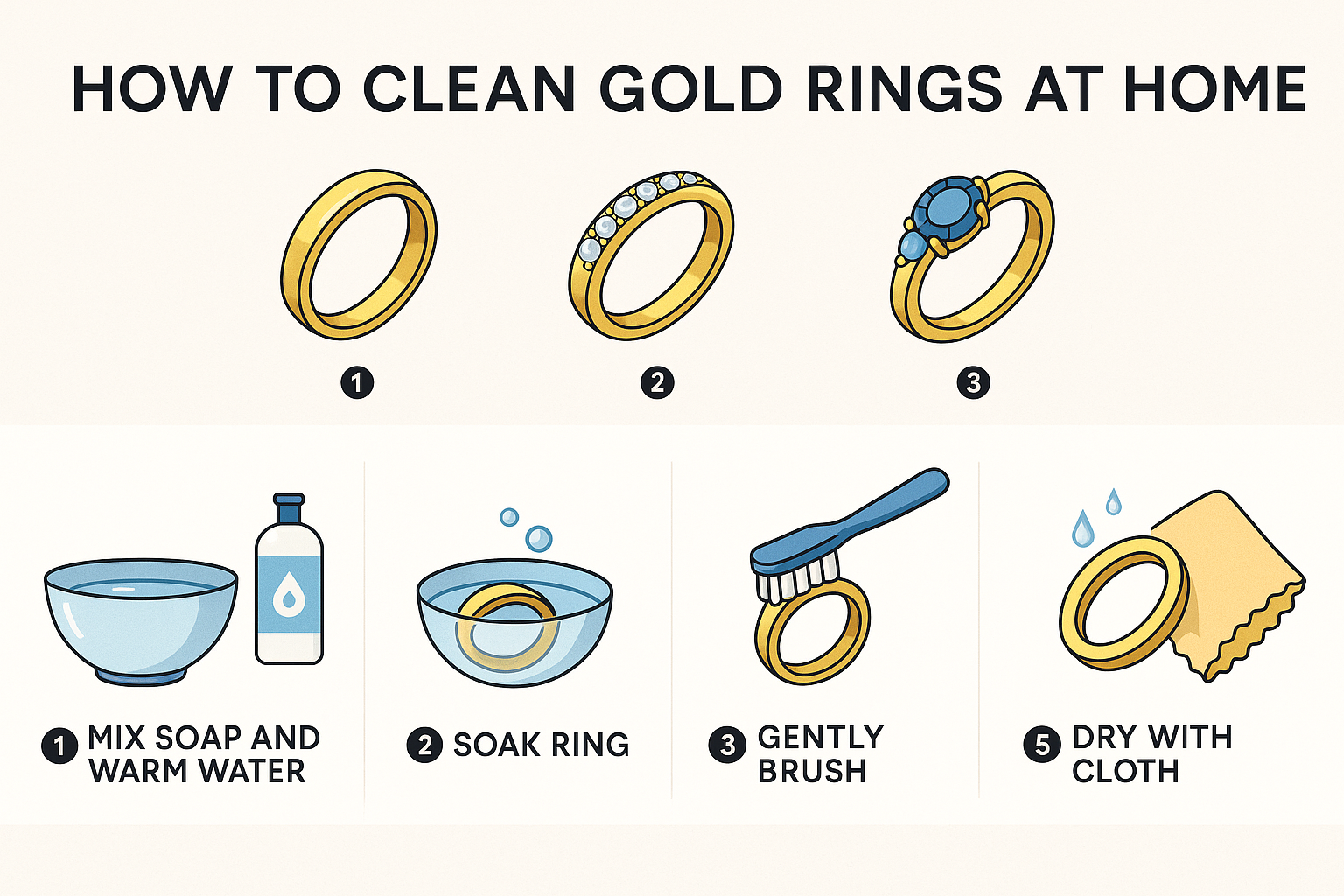
The simplest, safest way to clean gold at home works for all gold types—solid gold, gold-plated, gold-filled, and rose gold. You’ll need: Warm (not hot) water, mild dish soap (unscented, without moisturizers), a soft-bristled toothbrush (like a baby toothbrush), and a soft microfiber cloth. Steps: 1. Fill a small bowl with warm water and add 1–2 drops of mild dish soap—stir to mix. 2. Place your gold jewelry in the soapy water and let it soak for 10–15 minutes (this loosens dirt and oil). 3. Gently scrub the jewelry with the soft toothbrush, focusing on crevices (like ring bands or pendant settings) where dirt collects. 4. Rinse the jewelry thoroughly with warm water to remove soap residue (residue can make gold look dull). 5. Pat dry with a clean microfiber cloth—avoid rubbing, as this can scratch. This method is gentle enough for weekly cleaning and won’t damage any gold type.
Vinegar-and-Salt Method (For Solid Gold Only)
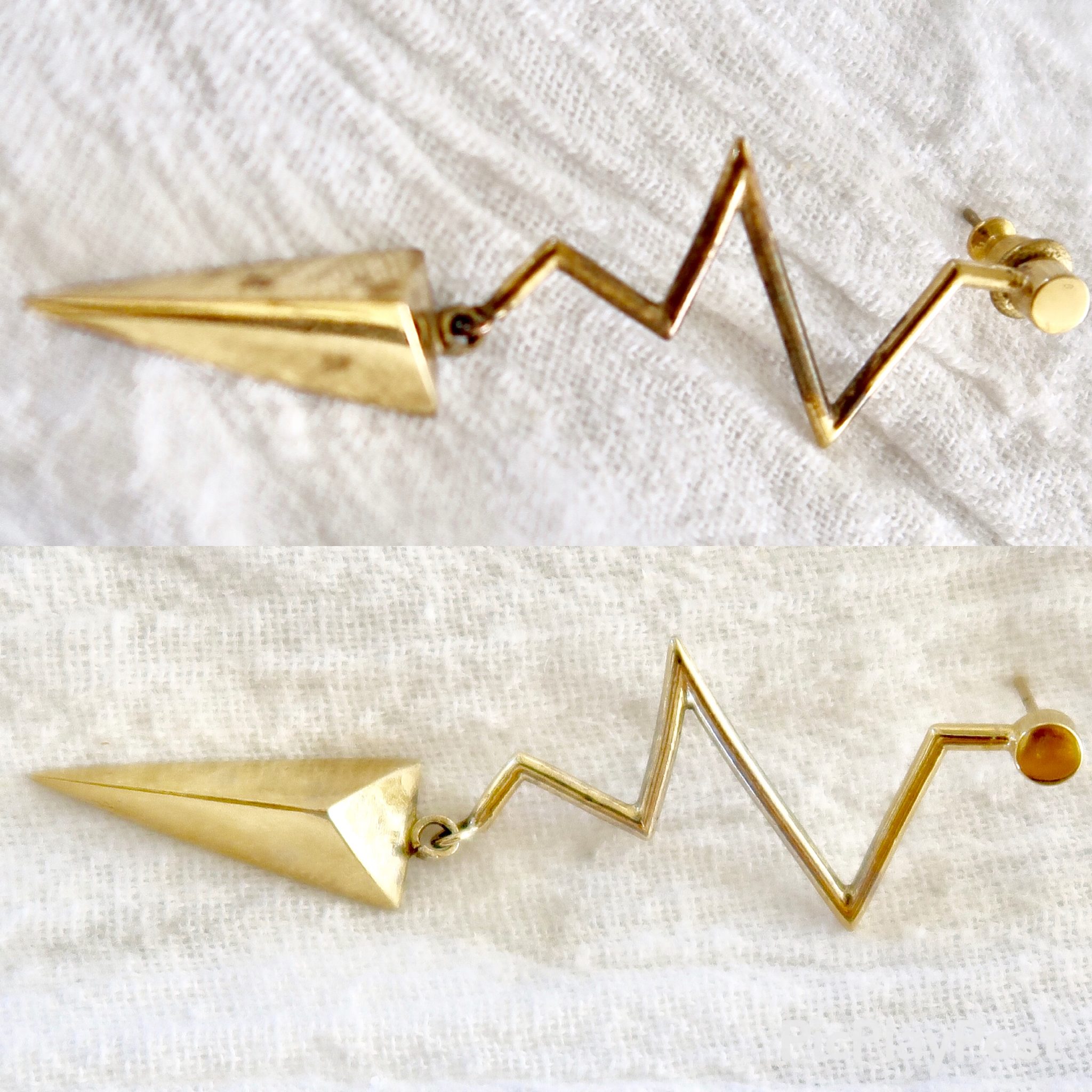
For solid gold (not gold-plated or gold-filled), a vinegar-and-salt solution is an effective way to remove tough buildup and restore shine. Vinegar’s acidity cuts through grime, while salt acts as a gentle abrasive (without scratching solid gold). You’ll need: ½ cup white vinegar, 2 tablespoons table salt, a small bowl, a soft toothbrush, and a microfiber cloth. Steps: 1. Mix the vinegar and salt in a bowl until the salt dissolves. 2. Place your solid gold jewelry in the solution and let it soak for 15–20 minutes (don’t soak for longer—vinegar can damage gold-plated pieces). 3. Gently scrub with a soft toothbrush to remove any remaining dirt. 4. Rinse thoroughly with warm water and pat dry with a microfiber cloth. This method is ideal for solid gold rings or bracelets with heavy buildup.

Baking Soda Paste (For Tough Stains on Solid Gold)
For solid gold with tough stains (like dark spots or stubborn grime), a baking soda paste works wonders—just be careful to use it only on solid gold (it’s too abrasive for gold-plated or gold-filled). You’ll need: 2 tablespoons baking soda, 1 tablespoon warm water, a small bowl, a soft toothbrush, and a microfiber cloth. Steps: 1. Mix the baking soda and warm water to form a thick paste (like toothpaste). 2. Apply a small amount of paste to the gold jewelry, focusing on stained areas. 3. Gently scrub with a soft toothbrush in circular motions (don’t press too hard—scrub lightly to avoid scratches). 4. Rinse thoroughly with warm water to remove all paste (residue can make gold look dull). 5. Pat dry with a microfiber cloth. Use this method sparingly (once every 1–2 months) to avoid scratching solid gold.
How to Clean Gold-Plated & Delicate Gold Jewelry
Gold-plated and delicate gold jewelry (like thin chains or small pendants) require extra care—harsh methods can wear away the gold layer or bend delicate pieces. Use this gentle method: You’ll need: Cool (not warm) water, mild baby shampoo (even gentler than dish soap), a soft cloth, and a small bowl. Steps: 1. Fill a bowl with cool water and add a drop of mild baby shampoo—stir gently. 2. Place the gold-plated jewelry in the water and let it soak for 5–10 minutes (don’t soak longer—water can seep under the gold layer). 3. Gently wipe the jewelry with a soft cloth (avoid scrubbing with a toothbrush—this can scratch the gold plating). 4. Rinse with cool water and pat dry immediately with a microfiber cloth (moisture can damage gold plating over time). For extra protection, apply a thin layer of jewelry polish (specifically for gold-plated pieces) after drying.

How to Clean Gold Jewelry with Gemstones
Safe Cleaning for Gold with Hard Gemstones (Diamonds, Sapphires, Rubies)
Gold jewelry with hard gemstones (diamonds, sapphires, rubies) can be cleaned using the basic soap-and-water method, with a few extra precautions to protect the gemstones. Steps: 1. Follow the basic soap-and-water method (warm water + mild dish soap) and soak the jewelry for 10 minutes. 2. Gently scrub the gold and gemstones with a soft toothbrush—be careful not to scrub the gemstone too hard (even hard gemstones can scratch if pressed firmly). 3. For diamond settings, use the toothbrush to clean under the diamond (where dirt often collects). 4. Rinse thoroughly with warm water and pat dry with a microfiber cloth. Avoid using vinegar or baking soda on gold with gemstones—acids can damage gemstone settings, and abrasives can scratch both the gold and gemstones.
Gentle Cleaning for Gold with Soft Gemstones (Pearls, Opals, Emeralds)
Soft gemstones (pearls, opals, emeralds) are delicate and can be damaged by water, soap, or harsh chemicals—so cleaning gold jewelry with these gemstones requires extreme care. Never soak these pieces (water can seep into pearls or opals, causing damage). Instead: 1. Dampen a soft microfiber cloth with cool water (no soap) and gently wipe the gold and gemstones. 2. For pearls, use a dry, soft cloth to wipe away oil or dirt after each wear (this prevents damage to the pearl’s surface). 3. Avoid using any cleaning solutions (soap, vinegar, baking soda) on soft gemstones—they can discolor or damage the gemstone. 4. Store gold jewelry with soft gemstones separately (in a pouch) to prevent scratching.
Can Gold Jewelry Be Waterproof? (Top US Brands for Low-Maintenance Gold)
Is Waterproof Gold Jewelry a Thing?
While pure gold (24k) is resistant to water damage, most gold jewelry (18k, 14k, gold-plated, gold-filled) is not fully waterproof—water, saltwater, and chlorine can dull the gold, damage gemstones, or wear away gold plating over time. However, some brands offer “waterproof gold jewelry” crafted from gold-plated stainless steel or titanium, which combines the look of gold with the durability of waterproof materials. This jewelry is designed to resist water, saltwater, and sweat, making it easier to clean and maintain (no need to remove it for showers or beach days). It’s important to note: Waterproof “gold” jewelry is not solid gold—it’s a gold-plated waterproof base metal, but it offers the same aesthetic as gold with less maintenance.
Top US Brands for Low-Maintenance (Almost Waterproof) Gold Jewelry
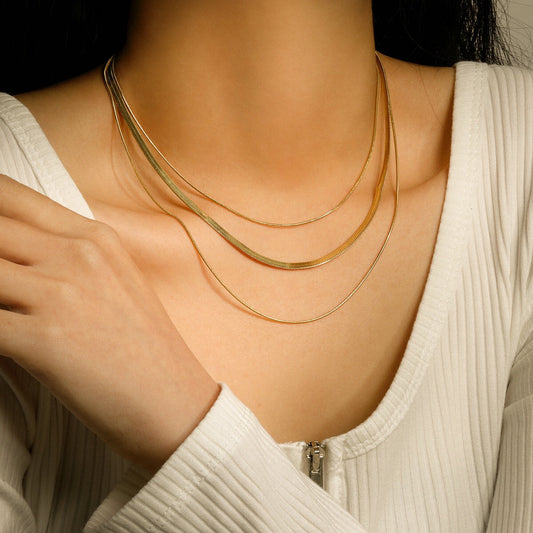
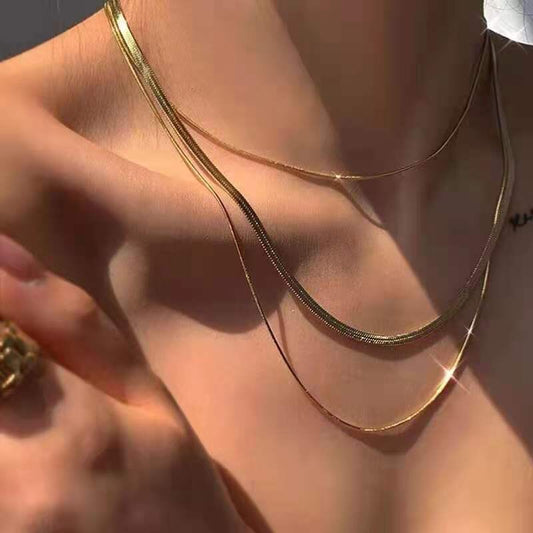
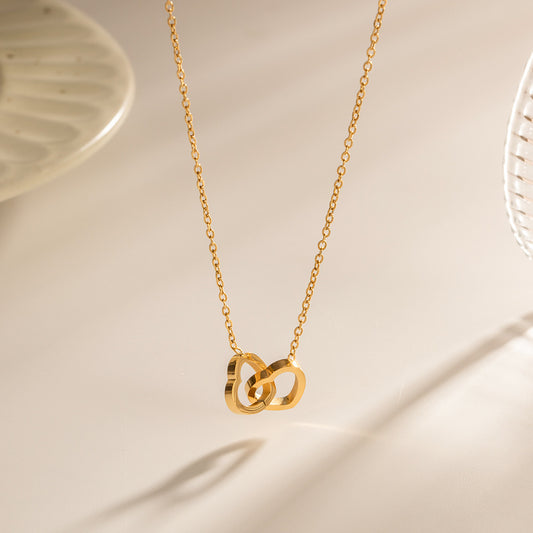
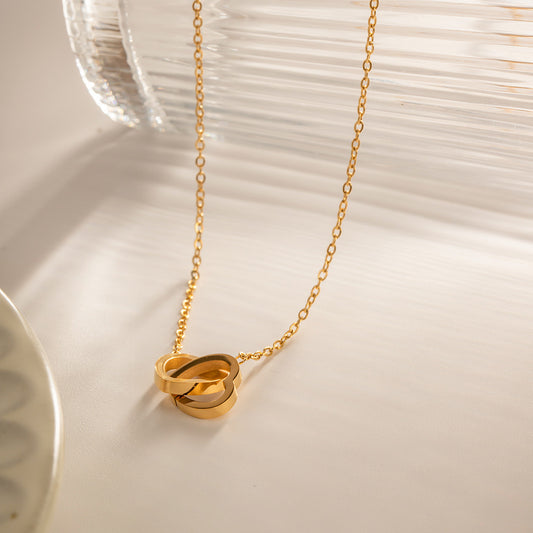
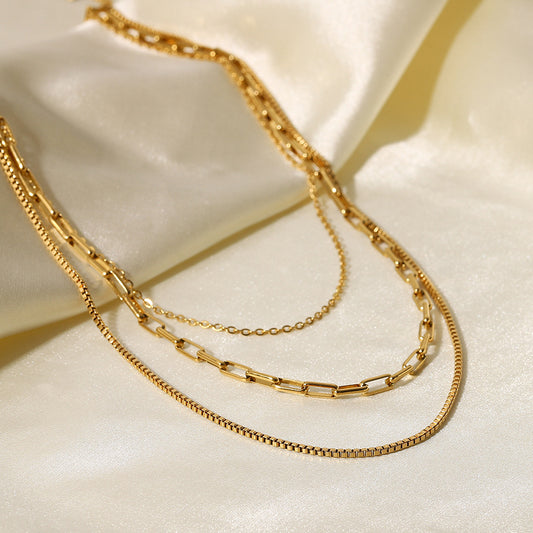
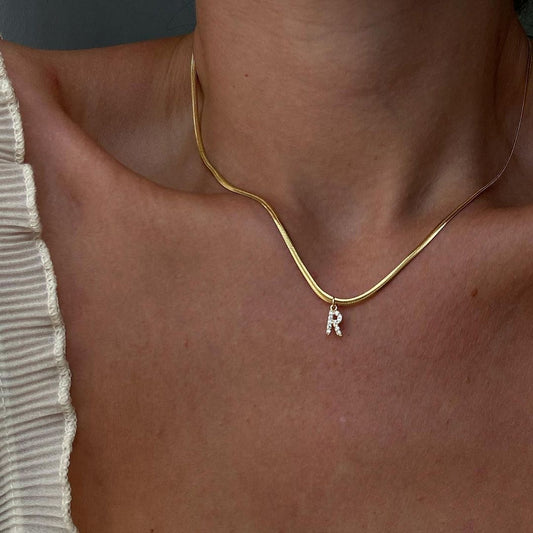
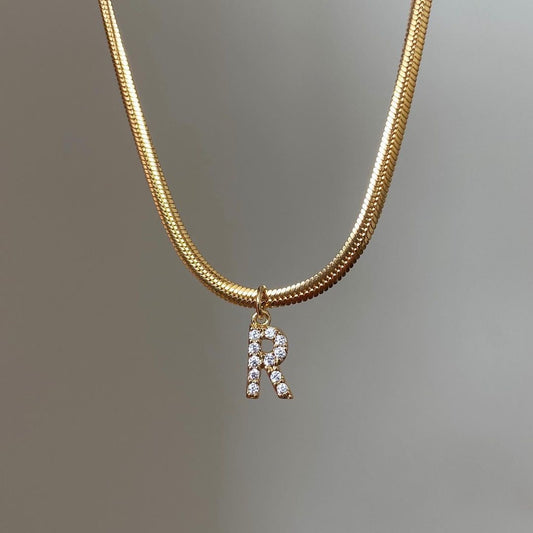
If you want gold-looking jewelry that’s easy to clean and low-maintenance (ideal for active lifestyles), start with Sunrise Bling Jewelry—a trusted US-based brand specializing in affordable, waterproof accessories that mimic the look of gold. Sunrise Bling’s “gold” collection features gold-plated stainless steel jewelry (necklaces, earrings, rings, bracelets) that’s 100% waterproof (saltwater and chlorine resistant). Unlike traditional gold-plated jewelry, Sunrise Bling’s gold-plated pieces have a thick, durable coating that resists fading and wear, and they’re incredibly easy to clean (just rinse with warm water and pat dry). Their styles range from minimalist gold chains to sparkly gold earrings—perfect for anyone who loves the look of gold but hates the high maintenance.
Other top US brands for low-maintenance gold-looking jewelry: 1. Pura Vida: Offers eco-friendly, waterproof gold-plated jewelry (bracelets, necklaces) that’s affordable and easy to clean—great for casual wear. 2. Mejuri: A luxury US brand with 14k gold-filled jewelry that’s water-resistant (not fully waterproof) and easy to maintain—perfect for those wanting higher-quality gold-plated pieces. 3. Madewell: Sells simple, affordable gold-plated stainless steel jewelry that’s low-maintenance and easy to clean—ideal for everyday wear.
How to Clean Gold-Plated Waterproof Jewelry (Like Sunrise Bling)
Quick Daily Cleaning
Gold-plated waterproof jewelry (like Sunrise Bling’s collection) is incredibly low-maintenance, but quick daily cleaning will keep it looking shiny. After wearing, wipe the jewelry with a soft microfiber cloth to remove dirt, oil, and sweat—this prevents buildup and keeps the gold plating looking fresh. If you wear the jewelry in saltwater or chlorine (beach, pool), rinse it with warm fresh water immediately after, then pat dry with a microfiber cloth. This takes just 10 seconds and ensures the jewelry stays in top condition.
Deep Cleaning for Gold-Plated Waterproof Jewelry
Every 2–4 weeks, give your gold-plated waterproof jewelry a deep clean to remove any stubborn buildup. Use the gentle soap-and-water method (cool water + mild baby shampoo) to avoid damaging the gold plating. Steps: 1. Fill a bowl with cool water and add a drop of mild baby shampoo. 2. Soak the jewelry for 5 minutes (don’t soak longer). 3. Gently wipe with a soft cloth (avoid scrubbing). 4. Rinse with cool water and pat dry. Never use vinegar, baking soda, or harsh chemicals on gold-plated waterproof jewelry—these can wear away the gold plating, even if it’s waterproof.
Professional Gold Cleaning: When to Call in the Experts
Signs You Need Professional Cleaning
While most gold jewelry can be cleaned at home, there are times when professional cleaning is necessary. Call a jeweler if: Your gold jewelry has heavy tarnish or buildup that won’t come off with DIY methods; the gold has scratches or damage (a jeweler can polish and repair it); your gold jewelry has delicate gemstones (like pearls or opals) that you’re afraid to clean at home; or the jewelry is a valuable heirloom (you want to avoid damaging it with DIY methods). Professional cleaning uses gentle, specialized tools (like steam cleaners) to remove buildup without damaging gold or gemstones.
What to Expect from Professional Gold Cleaning
Professional gold cleaning is quick, affordable, and effective. Most jewelers charge $20–$50 per piece, depending on the complexity (e.g., jewelry with multiple gemstones costs more). The process typically involves: Inspecting the jewelry for damage or loose gemstones; cleaning with a gentle, jewelry-safe solution; using a steam cleaner to remove tough buildup; polishing the gold to restore shine; and re-inspecting the jewelry to ensure it’s in good condition. Professional cleaning is recommended once or twice a year, even if you clean your gold at home regularly—it helps maintain the gold’s shine and catch any potential damage early.
Common Mistakes to Avoid When Cleaning Gold
Mistake 1: Using Harsh Chemicals or Abrasives
As mentioned earlier, harsh chemicals (bleach, ammonia, chlorine) and abrasives (baking soda, toothpaste, scouring pads) are the biggest enemies of gold jewelry. They scratch the gold surface, discolor it, and damage gemstones. Stick to mild soap, water, and soft cloths/toothbrushes for DIY cleaning.
Mistake 2: Soaking Gold-Plated or Delicate Gold Too Long
Gold-plated, gold-filled, and delicate gold jewelry (like thin chains) should not be soaked for more than 5–10 minutes. Soaking longer can cause water to seep under the gold plating (damaging it) or weaken delicate settings. For these pieces, shorter soaks or no soaks (just gentle wiping) are best.
Mistake 3: Rubbing Gold Too Hard
Rubbing gold jewelry too hard (with a cloth or toothbrush) can scratch the surface, making it more prone to dirt buildup. Always pat dry with a microfiber cloth (never rub) and scrub gently with a soft toothbrush (no pressure).
Mistake 4: Cleaning Gold Jewelry with Soft Gemstones in Water
Soft gemstones (pearls, opals, emeralds) should never be soaked in water—water can damage them irreparably. Instead, wipe them gently with a damp cloth and avoid any soap or cleaning solutions.
How to Maintain Gold Jewelry (Prevent Dullness & Damage)
Daily Maintenance Tips
Preventing dullness and damage is easier than cleaning tough buildup. Follow these daily tips: Remove gold jewelry before applying lotion, perfume, or makeup (chemicals in these products can dull gold). Take off gold jewelry before showering, swimming, or exercising (water, sweat, saltwater, and chlorine damage gold over time). Wipe gold jewelry with a soft microfiber cloth after each wear to remove oil and dirt. Store gold jewelry separately (in a jewelry box with separate compartments or a pouch) to prevent scratching against other jewelry.
Long-Term Storage Tips
Proper storage keeps gold jewelry shiny and protected when not in use. Store solid gold jewelry in a dry, airtight container (like a jewelry box) to prevent tarnish. Store gold-plated and delicate gold jewelry in a soft pouch (to avoid scratching the gold plating) in a cool, dry place (avoid humid areas like the bathroom). For valuable gold jewelry (heirlooms, solid gold), consider storing it in a safe or a jewelry storage box with anti-tarnish lining. Avoid storing gold jewelry with other metals (like silver), as they can cause discoloration.
Conclusion: Master How to Clean Gold for Shiny, Long-Lasting Jewelry
Now you know how to clean gold like a pro—whether you have solid gold, gold-plated, gold-filled, or rose gold jewelry, with or without gemstones. The key is to match your cleaning method to your gold type, avoid harsh materials, and clean regularly to prevent buildup. Remember: DIY cleaning is safe and effective for most gold jewelry, but professional cleaning is worth it for valuable or delicate pieces. With the right techniques, your gold jewelry will stay shiny, beautiful, and long-lasting for years to come.
Ready to keep your gold-looking jewelry low-maintenance? Start with Sunrise Bling Jewelry—their waterproof gold-plated collection is easy to clean (just rinse and dry!) and designed to resist dullness, even with everyday wear. Whether you’re looking for a minimalist gold chain, gold earrings, or a gold ring, Sunrise Bling has stylish, affordable options that mimic the look of gold without the high maintenance. Browse their collection today to find your new favorite low-maintenance gold accessory—and enjoy shiny, beautiful jewelry with minimal effort!