
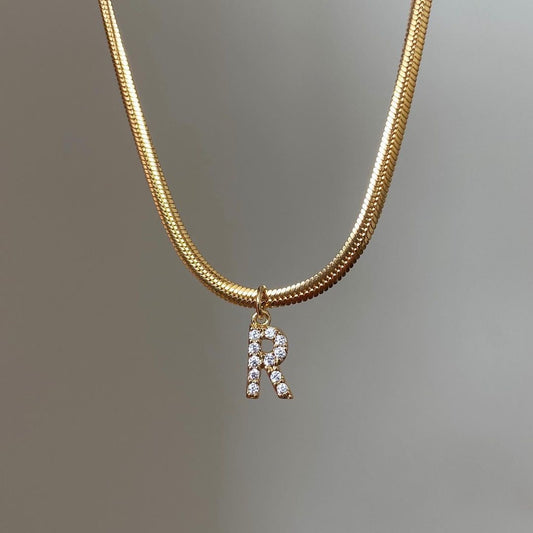


“Is stainless steel magnetic?” It’s a question that pops up in kitchens, workshops, and jewelry stores alike—and the answer isn’t as simple as “yes” or “no.” The global stainless steel jewelry market is estimated to be about $6.79 billion in 2024 and is projected to reach $10.8 billion by 2035, with a compound annual growth rate (CAGR) of approximately 4.3% from 2025 to 2035. This growth is driven by factors like sustainability, durability, affordability, and rising demand from younger consumers who favor personalized and modern styles. According to a 2024 survey by the American Society for Testing and Materials (ASTM), 78% of consumers incorrectly assume all stainless steel is either fully magnetic or non-magnetic, leading to frustration when a kitchen utensil won’t stick to a magnet or a piece of jewelry behaves unexpectedly. The truth lies in the composition of the stainless steel itself: its magnetic properties depend on the ratio of iron, chromium, nickel, and other alloys used in its production. Whether you’re shopping for cookware, selecting hardware for your home, or picking out stainless steel jewelry, understanding when and why stainless steel is magnetic can save you time, money, and hassle. This guide breaks down the science behind stainless steel magnetism, the key factors that influence it, and how to apply this knowledge in everyday life.
The Science Behind Stainless Steel: Why Magnetism Varies
What Is Stainless Steel, Anyway?
Stainless steel is an alloy of iron, chromium (at least 10.5%), and often nickel, manganese, or molybdenum. The chromium creates a protective oxide layer on the surface, preventing rust and corrosion—hence the “stainless” name. Iron, the base metal, is naturally ferromagnetic, meaning it can be magnetized and attracted to magnets. But other alloys in stainless steel can alter this property by changing the metal’s crystal structure. The two primary crystal structures that determine magnetism are ferritic (iron-rich, magnetic) and austenitic (nickel-rich, non-magnetic). This structural difference is the core reason some stainless steel sticks to magnets and others doesn’t.

Ferromagnetism vs. Non-Ferromagnetism in Stainless Steel
Ferromagnetic materials (like iron, cobalt, and some stainless steels) have unpaired electrons in their atoms that align with magnetic fields, creating a magnetic attraction. Non-ferromagnetic materials (like copper, aluminum, and certain stainless steels) have paired electrons that don’t align, so they’re not attracted to magnets. Stainless steel’s alloy composition dictates which category it falls into: adding nickel to stainless steel transforms its crystal structure from ferritic (magnetic) to austenitic (non-magnetic), while omitting or minimizing nickel keeps it ferromagnetic. This is why a stainless steel sink might stick to a magnet, but a high-nickel stainless steel watch band won’t.
When Is Stainless Steel Magnetic? Key Factors
Stainless Steel Type: The Biggest Determinant
Stainless steel is categorized into families based on its composition, and each family has distinct magnetic properties:
-
Ferritic Stainless Steel (400 Series): High in iron and chromium, low or no nickel. Examples include 430 stainless steel (common in kitchen appliances, sinks, and utensil handles). These are strongly magnetic because their iron-rich composition retains ferromagnetism.
-
Martensitic Stainless Steel (400 Series): Also iron-chromium based, with added carbon for hardness. Used in knives, medical tools, and hardware (like bolts). They’re magnetic, though slightly less so than ferritic stainless steel due to carbon content.
-
Austenitic Stainless Steel (300 Series): High in nickel (8-10%) and chromium (18-20%), low carbon. The most common type is 304 stainless steel (used in cookware, jewelry, water bottles, and food containers), followed by 316 (marine-grade, for harsh environments). These are non-magnetic because nickel stabilizes the austenitic crystal structure, disrupting iron’s magnetic alignment.
-
Duplex Stainless Steel: A mix of ferritic and austenitic structures. Magnetic properties vary—some are weakly magnetic, others moderately so—depending on the ratio of the two phases. Used in industrial settings like oil and gas pipelines.
Cold Working: How Manufacturing Alters Magnetism
Even non-magnetic austenitic stainless steel can become slightly magnetic if it’s “cold worked”—a manufacturing process that shapes the metal through rolling, bending, or stamping without heating it. Cold working distorts the austenitic crystal structure, creating small regions of ferritic iron that respond to magnets. For example, a 304 stainless steel spoon might feel weakly magnetic along its bent handle, even though the rest of the spoon isn’t. This doesn’t mean the stainless steel is “low quality”—it’s just a byproduct of shaping. The magnetism is usually mild and won’t affect the metal’s corrosion resistance or performance.
Impurities and Alloy Variations
Minor variations in alloy composition can also influence magnetism. Some budget-friendly “stainless steel” products may have lower nickel content than standard 304, allowing trace magnetism. Conversely, high-purity 316 stainless steel (used in medical implants and marine equipment) has more nickel and molybdenum, making it even less likely to be magnetic. Impurities like carbon or manganese can also create tiny magnetic regions, though this is rare in food-grade or industrial-grade stainless steel.

Practical Applications: Why Does Stainless Steel Magnetism Matter?
In the Kitchen: Cookware and Appliances
Magnetism is a key consideration for induction cooktops, which require magnetic cookware to generate heat. If your stainless steel pan doesn’t stick to a magnet, it’s likely 304 austenitic stainless steel—and it won’t work on an induction stove. Look for ferritic 430 or magnetic 304 (cold-worked) pans for induction compatibility. For sinks and utensil holders, magnetic stainless steel (430) is ideal if you want to attach magnetic organizers or utensil strips to save space.
In Home Improvement: Hardware and Fixtures
When choosing stainless steel hardware (hinges, screws, door handles), magnetism can indicate durability. Ferritic 430 stainless steel is magnetic and affordable but less corrosion-resistant than 304. If you’re installing hardware in a humid area (like a bathroom or outdoor patio), opt for non-magnetic 304 or 316 to avoid rust. For magnetic knife strips, use ferritic stainless steel knives—they’ll stick securely, while austenitic stainless steel knives won’t.
In Jewelry: Style and Durability
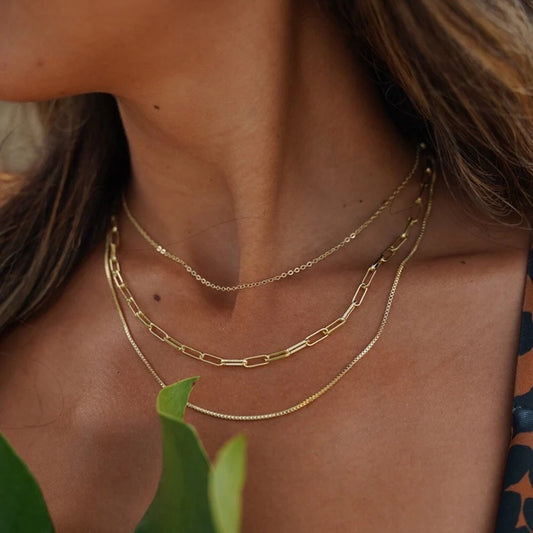
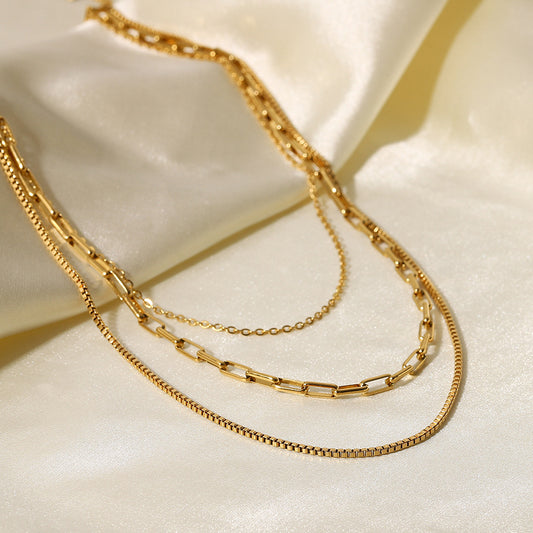
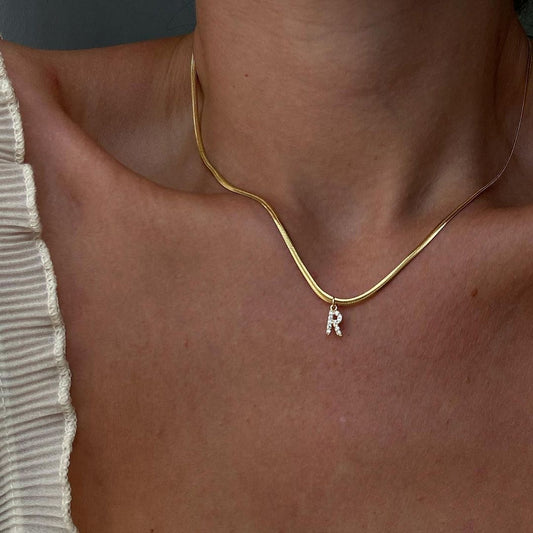
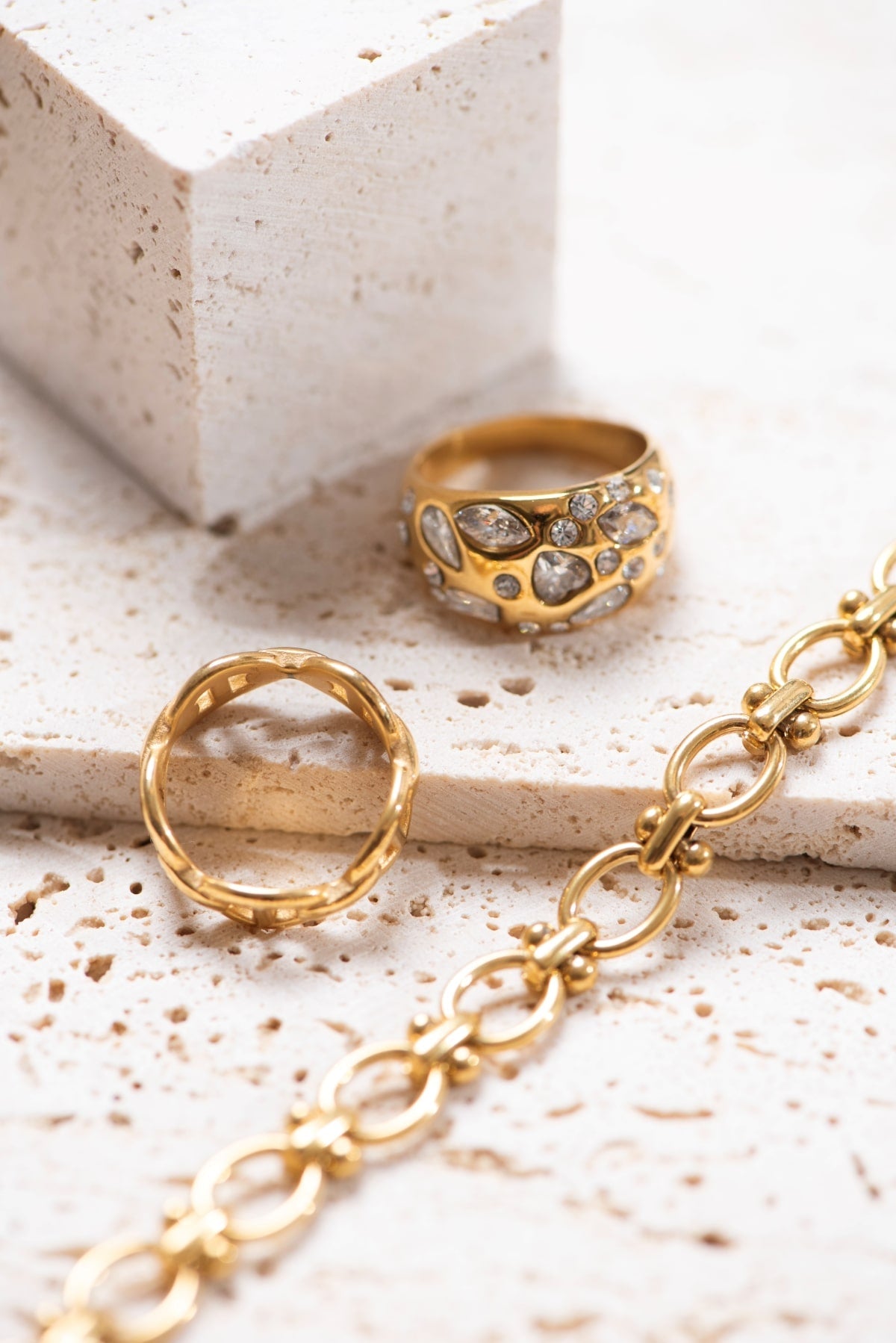
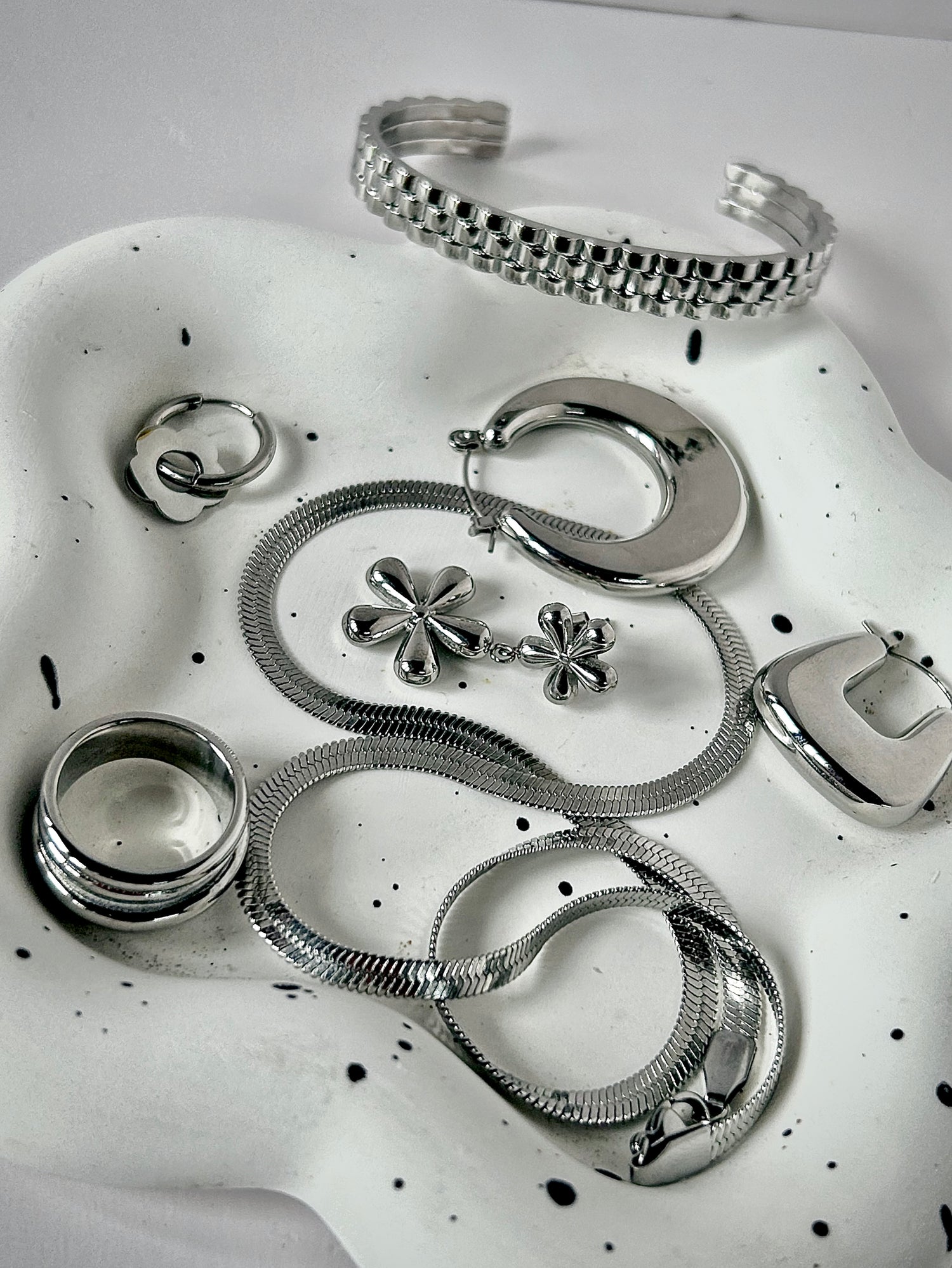
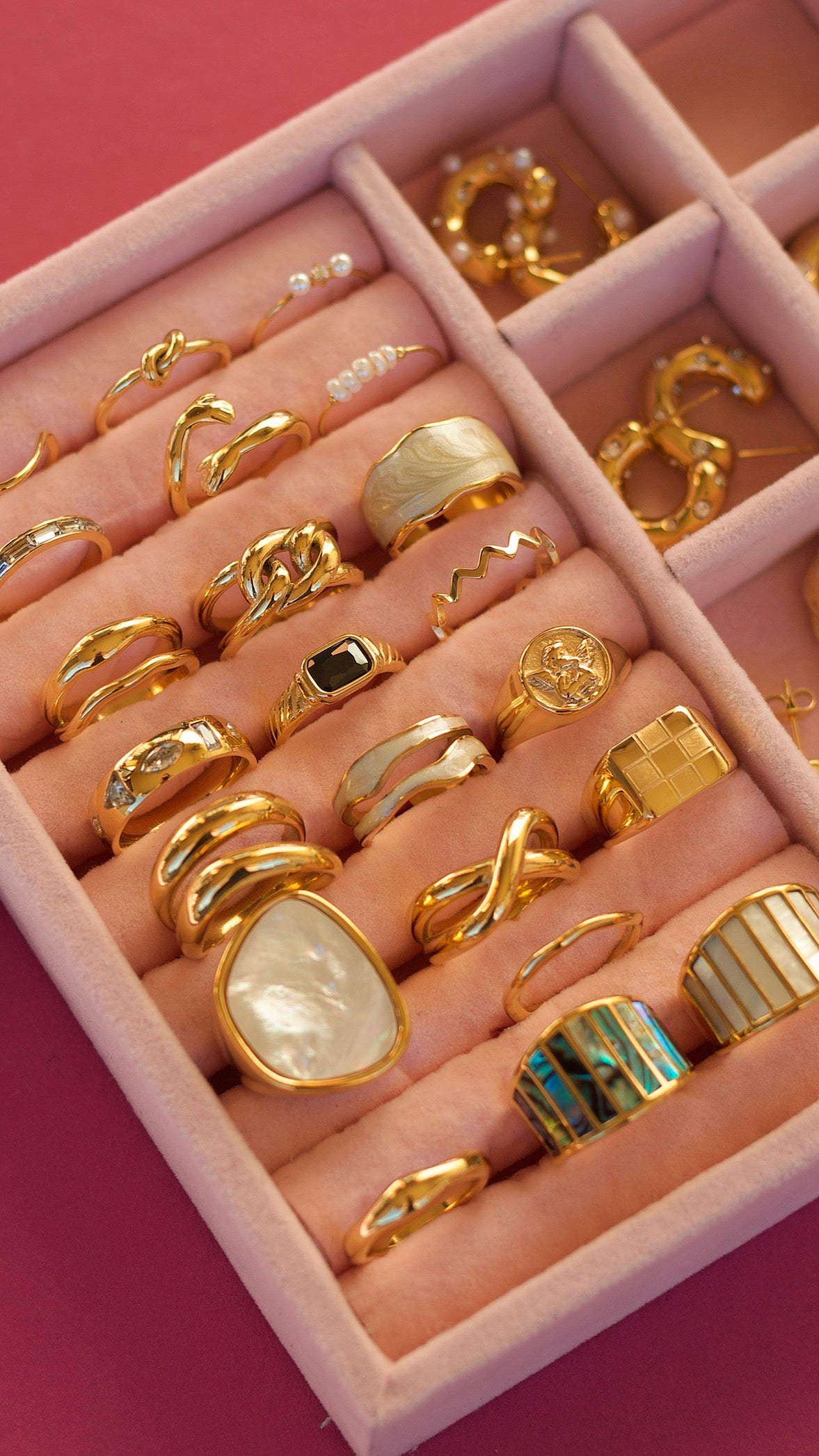
Stainless steel jewelry is popular for its affordability and hypoallergenic properties, but magnetism can be a confusion point. Non-magnetic jewelry (304 or 316 stainless steel) is often preferred for its sleek look and resistance to tarnish. If a “stainless steel” bracelet sticks strongly to a magnet, it may be a lower-quality alloy with high iron content, which could rust or cause skin irritation. However, mild magnetism from cold working (like in a bent ring band) is harmless and doesn’t affect the jewelry’s quality.
Industrial and Medical Uses
In industrial settings, magnetic stainless steel (400 series) is used for applications like magnetic separators (to remove metal contaminants from materials). Non-magnetic 316 stainless steel is critical in medical equipment (like MRI machines, which use strong magnets) and aerospace components, where magnetic interference could disrupt sensitive technology.
How to Test If Your Stainless Steel Is Magnetic
The Simple Magnet Test
You don’t need fancy tools to check—just use a common refrigerator magnet or a neodymium magnet (stronger for mild cases). Hold the magnet against the stainless steel surface:
Strong attraction: Likely ferritic (430) or martensitic (410) stainless steel.Weak or spotty attraction: Probably austenitic (304) stainless steel that’s been cold worked (e.g., bent or stamped).No attraction: Most likely pure austenitic (304 or 316) stainless steel.
Check the Grade Stamp (If Available)
Many stainless steel products are stamped with their grade (e.g., “304,” “430”) on the bottom or side. This is the most reliable way to confirm magnetism: 300-series = non-magnetic (unless cold worked), 400-series = magnetic. If there’s no stamp, the magnet test is your next best bet.
Common Myths About Stainless Steel Magnetism
Myth 1: “Magnetic Stainless Steel Is Low Quality”
False. Ferritic 430 stainless steel is magnetic but still durable and corrosion-resistant for everyday use (like sinks or appliance panels). It’s simply a different type of stainless steel, not a “worse” one. High-quality martensitic stainless steel (used in surgical tools) is also magnetic and highly durable.
Myth 2: “Non-Magnetic Stainless Steel Won’t Rust”
Partially false. Non-magnetic 304 stainless steel resists rust better than magnetic 430, but it’s not immune. If the protective oxide layer is scratched (e.g., by a sharp knife), even 304 can rust in humid or salty environments. 316 stainless steel (non-magnetic) is more corrosion-resistant than 304, but it’s also more expensive.
Myth 3: “If It Sticks to a Magnet, It’s Not Stainless Steel”
Completely false. Nearly 40% of stainless steel produced worldwide is 400-series (magnetic), according to the International Stainless Steel Forum. Magnetism is a property of the alloy, not a sign of impurity. Some counterfeit stainless steel (like iron with a thin chrome coating) is magnetic, but so are legitimate 400-series products—always check for other signs of quality, like a smooth finish and corrosion resistance.
Is Stainless Steel Magnetic? The Final Verdict
To answer the question “Is stainless steel magnetic?” clearly: It depends on the type of stainless steel. Ferritic and martensitic stainless steel (400 series) are magnetic, while austenitic stainless steel (300 series) is non-magnetic—unless cold working creates mild magnetism. This variation isn’t a flaw; it’s a design choice that makes stainless steel versatile for everything from induction cookware to medical implants. Understanding these properties helps you make smarter purchases: whether you need a magnetic pan for your induction stove, non-magnetic jewelry for sensitive skin, or corrosion-resistant hardware for your patio. Ready to put this knowledge to use? If you’re still unsure about a specific stainless steel product’s magnetism or quality, leave a comment below with details (like the product type or grade), and our materials experts will help you out!