


Gold plated jewelry is a base metal — brass, copper or stainless steel — coated with a thin layer of real gold. It gives you the look of solid gold at a fraction of the price, but the layer is thin, and how you wear it decides how long it lasts.
This guide covers what gold plated jewelry actually is, whether it tarnishes, how long it lasts, whether it is worth anything, and why 18K gold plated stainless steel outlasts every other plated finish.
What is Gold Plated Jewelry?
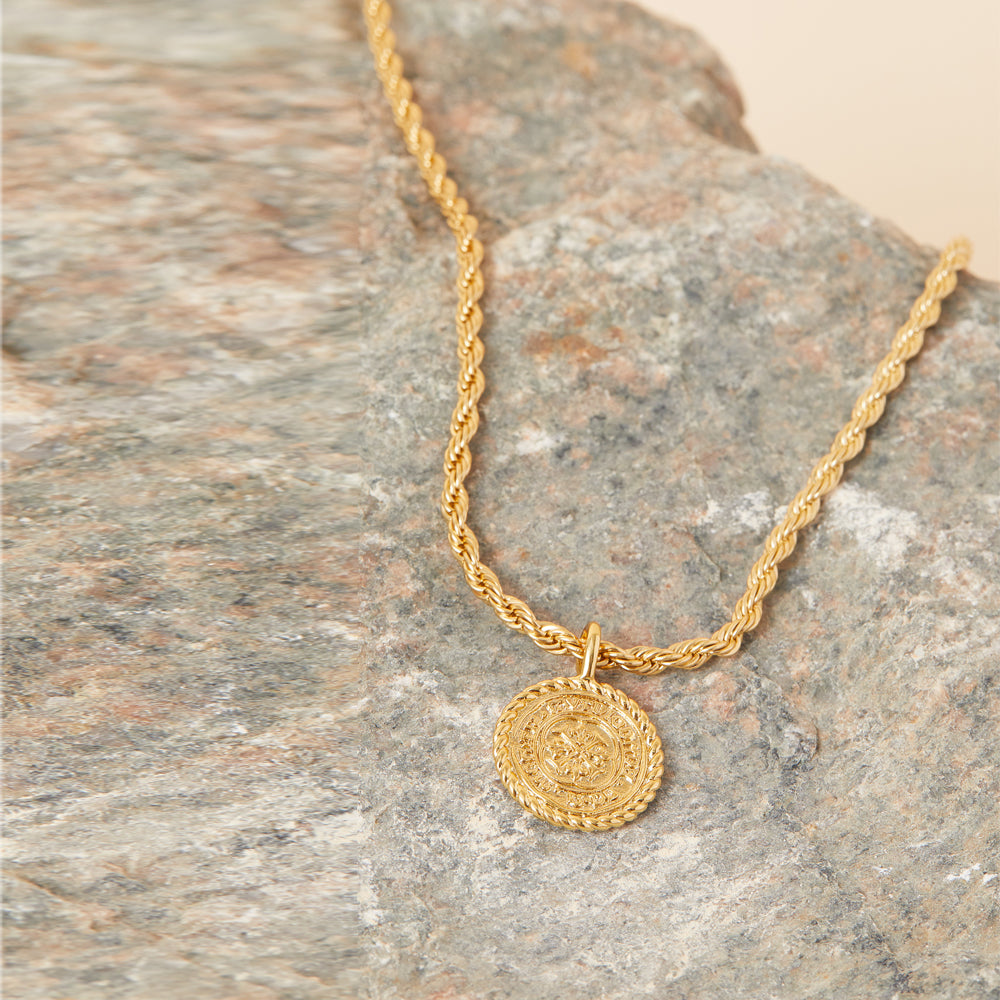
Gold plated jewelry consists of a base metal (like brass, copper, or stainless steel) that is coated with a thin layer of gold. This process, known as electroplating, deposits the gold onto the base metal, giving the jewelry a beautiful gold appearance at a fraction of the cost of solid gold. The thickness of the gold layer is measured in microns, and the higher the micron count, the more durable and long-lasting the plating will be.
Why is Gold Plated Jewelry so Popular?
Gold plated jewelry's popularity stems from several key factors:
-
Affordability: It offers the luxurious look of gold without the hefty price tag, making it accessible to a wider audience.
-
Style Versatility: Gold plated jewelry comes in a vast array of styles, from delicate and minimalist to bold and statement-making, catering to diverse tastes.
-
Trend-Driven: It allows consumers to experiment with current jewelry trends without making a significant investment.
-
Hypoallergenic Options: Depending on the base metal used, gold plated jewelry can be a good option for those with sensitive skin (though it's always best to check the specific materials).

Popular Materials for Gold Plated Jewelry
Several metals are commonly used as the base for gold plated jewelry:
Brass
Brass is a popular and affordable choice for gold plated jewelry. It's known for its workability, making it easy to create intricate designs. Brass also has a naturally warm tone that can enhance the look of the gold plating. However, brass is more prone to tarnishing than some other metals.
Copper
Copper is another common base metal for gold plated jewelry. It offers a warm, slightly reddish undertone that can add depth and richness to the gold plating. Copper is also relatively soft, making it easy to work with. Like brass, copper can tarnish over time.
Stainless Steel
Stainless steel is highly durable and resistant to tarnish, making it a good base for everyday wear gold plated jewelry. It's also hypoallergenic, making it a suitable option for those with sensitive skin. While stainless steel is more expensive than brass or copper, it offers superior durability and longevity.
Sterling Silver
Sterling silver is a high-quality precious metal that is sometimes used as a base for gold plated jewelry. While more expensive than other base metals, sterling silver provides a luxurious foundation for the gold plating. When a thick enough layer of gold is used over sterling silver, it is technically termed gold vermeil. Sterling silver is less prone to tarnishing than brass or copper.

Does the Gold Color Disappear on Plated Jewelry?
Over time and with wear, the gold plating can wear down, revealing the base metal underneath. This is especially true for pieces that experience a lot of friction or contact with surfaces. The rate at which the gold fades depends on the thickness of the plating, how often the piece is worn, and how well it's cared for.

Does Gold Plated Jewelry Tarnish?
While gold itself doesn't tarnish, the base metal underneath can react with air, moisture, and oils, potentially causing discoloration or a darkening effect around the edges or on the underside of the jewelry. Proper care and storage can significantly slow down this process.
How Long Does Gold Plated Jewelry Last?
Plating Thickness
Thicker plating (higher micron count) lasts longer.
Frequency of Wear
Pieces worn daily will show wear faster than those worn occasionally.
Care and Storage
Proper cleaning and storage are crucial for longevity.
Contact with Chemicals
Exposure to perfumes, lotions, and cleaning agents can accelerate wear.
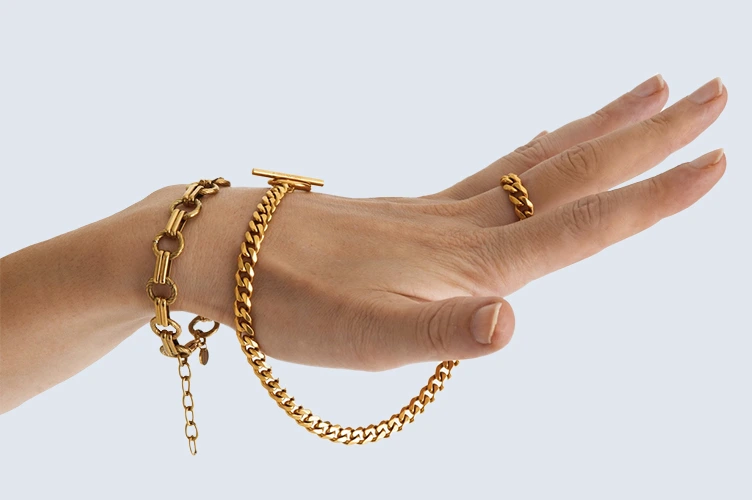
Generally, with proper care, gold plated jewelry can last anywhere from several months to a few years.
Popular Styles of Gold Plated Jewelry
Necklaces
From delicate chains with pendants to chunky statement necklaces, gold plated necklaces offer a versatile range of styles. Consider a thin chain for everyday wear or a bold, layered necklace for a special occasion. Pendants can add a personal touch, whether it's a simple initial or a more elaborate design.
Earrings
Gold plated earrings come in a variety of styles, including studs, hoops, dangles, and more. Studs are a classic choice for everyday wear, while hoops can add a touch of glamour. Dangle earrings can make a statement and add movement to your look.
Bracelets
Gold plated bracelets are perfect for layering or wearing alone. Bangles offer a sleek and modern look, while chains can be customized with charms. Charm bracelets make a thoughtful and personal gift.
Rings
From simple bands to cocktail rings, gold plated rings can add a touch of elegance to any outfit. Stackable rings are a trendy option, allowing you to create your own unique combinations. Cocktail rings are perfect for special occasions and can add a pop of color or sparkle to your look.
Is Gold Plated Jewelry Worth Anything?
Financially, no — and it is better to say that plainly. The gold layer on plated jewelry is measured in microns, so there is nothing there to resell or melt down. A pawn shop will value it at the base metal, which is a few dollars.
That does not make it worthless. It makes it a different kind of purchase. Solid gold is an asset you buy once and resell; gold plated jewelry is a look you buy and wear. Judge it the way you would judge any other daily-wear purchase — cost per wear.
A $49 gold plated necklace worn three times a week for a year works out at about 31 cents a wear. A $900 solid gold chain, worn exactly the same amount, works out at $5.77 a wear. If you want the gold look for everyday and you are not buying it as an investment, plated is the rational buy — as long as the plating survives daily wear, which is the next part.
18K Gold Plated Stainless Steel: Why the Base Metal Decides Everything
Two gold plated necklaces can look identical on a shelf and behave completely differently within a month. The difference is not the gold — it is the metal underneath it.
Brass and copper are the traditional bases because they are cheap and easy to shape. They are also the reason so much plated jewelry goes dull: both metals oxidise, and once the base starts reacting, the gold layer lifts and the piece discolours from underneath.
316L stainless steel does not do that. It is a surgical-grade steel that resists rust, corrosion and tarnish on its own, so the gold layer is sitting on a surface that is not degrading underneath it. Add a PVD-bonded 18K gold coating and you get a finish that survives showers, sweat, chlorine and hand sanitiser — which is exactly what standard electroplated brass cannot do.
It is also why these pieces are hypoallergenic. Nickel is the metal behind almost every jewellery reaction, and 316L stainless steel is nickel-safe and kind to sensitive ears and sensitive skin.
So when you compare gold plated jewelry, the question is not “how thick is the gold” but “what is it plated over”. Brass and copper fade. Stainless steel does not. You can read the full breakdown of the grade in what 316L stainless steel jewelry actually is, or go straight to the gold plated jewelry collection.
Gold Plated Earrings, Necklaces, Rings and Bracelets
The finish is the same across all of it — 18K gold over 316L stainless steel — but what you should look for changes by category.
Gold Plated Earrings
Earrings sit against skin all day and they are the piece most likely to trigger a reaction, so the base metal matters most here. Nickel-free 316L stainless steel is the safe choice if your ears are sensitive. Studs and huggies in plated stainless steel also hold their colour far better than plated brass, because they get pulled on and off every single day. See the gold earrings collection.
Gold Plated Necklaces
Necklaces are where plating wear shows first, because a pendant or a clasp rubs against the chain constantly. A plated stainless steel chain will not discolour at the contact points the way plated brass does. See the gold necklaces collection.
Gold Plated Rings
Rings take the worst of it — washing hands, gym equipment, door handles. This is the category where cheap plating gives itself away fastest, and the category where a stainless base earns its keep. See the gold rings collection.
Gold Plated Bracelets
Bracelets live next to a keyboard, a watch or another bracelet, so they scratch. Look for a smooth finish and avoid stacking a plated bracelet against anything sharp. See the gold bracelets collection.
Gold Plated Chains and Charms
A chain is the easiest plated piece to keep looking new, because it moves rather than rubs. Add a charm and keep an eye on the jump ring, which is where the wear starts. See the gold chain collection and the charm bracelets collection.
How to Style with Gold Plated Jewelry
Everyday Elegance
A delicate gold necklace or simple earrings can elevate any casual outfit. Think thin chains, small hoops, or dainty studs for a subtle yet stylish touch. These pieces are perfect for everyday wear and can effortlessly complement your personal style.
Statement Pieces
Bold necklaces or large hoops can add drama to a more formal look. Consider chunky chains, oversized hoops, or statement pendants for a night out or a special occasion. These pieces can instantly transform your outfit and add a touch of glamour.
Layering
Combine multiple necklaces or bracelets for a trendy, personalized style. Layering allows you to create unique combinations that reflect your individual taste. Mix and match different lengths, styles, and textures for a chic and contemporary look.
Mixing Metals
While traditionally avoided, mixing gold plated pieces with other metal finishes can create a chic, contemporary vibe (done tastefully). Experiment with mixing gold with silver or rose gold for a modern and eclectic look. Just be sure to balance the pieces and choose styles that complement each other.
Gold Plated Jewelry: Perfect Jewelry Gifts for Any Occasion
Birthdays
A personalized pendant or a piece that reflects the recipient's style makes a thoughtful birthday gift. Consider their favorite color, birthstone, or a design that resonates with their personality.
Holidays
A classic gold chain or a festive pair of earrings can add a touch of sparkle to any holiday celebration. Opt for timeless designs that can be worn year after year.
Anniversaries
A meaningful piece that symbolizes your relationship, such as a matching set of necklaces or a bracelet with a special charm, makes a cherished anniversary gift.
Just Because
A small token of appreciation for a friend or loved one, like a delicate pair of studs or a simple ring, can brighten their day and show them you care.
How to Clean and Store Gold Plated Jewelry?
Gentle Cleaning
Use a soft cloth to wipe the jewelry after each wear. For more thorough cleaning, use a mild soap and warm water, and dry thoroughly.
Avoid Chemicals
Remove jewelry before showering, swimming, or applying perfumes, lotions, or hairsprays.
Proper Storage
Store each piece separately in a jewelry box or pouch to prevent scratches and tangling. Keep it in a cool, dry place away from direct sunlight and humidity.
Shop Gold Plated Jewelry That Does Not Fade
Every piece in the Sunrise Bling gold plated collection is 18K gold over waterproof, tarnish-free 316L stainless steel — hypoallergenic, nickel-safe, and built to stay gold through showers, workouts and everyday wear.
Shop all gold plated jewelry | Gold necklaces | Gold earrings | Gold rings
Frequently Asked Questions about Gold Plated Jewelry
Is gold plated jewelry real gold?
No, gold plated jewelry is not solid gold. It consists of a base metal coated with a thin layer of gold.
Can I wear gold plated jewelry every day?
Yes, but daily wear will eventually wear down the plating.
Can I get my gold plated jewelry replated?
Yes, many jewelers offer replating services.
Does gold plated jewelry tarnish?
The gold layer itself does not tarnish, but the metal underneath it can. Gold plated brass and copper oxidise, which is what turns a plated ring dark at the edges. Gold plated 316L stainless steel does not, because the base metal resists oxidation on its own.
How long does gold plated jewelry last?
It depends on three things: how thick the plating is, what it is plated over, and how you wear it. Standard electroplating over brass can wear through in six to twelve months of daily wear. A PVD-bonded 18K finish over 316L stainless steel is built for daily wear, showers and workouts.
Is gold plated jewelry waterproof?
Only if the base metal is. Solid gold is waterproof, brass and copper are not, and gold plated stainless steel is — water alone does not lift a properly bonded gold layer off stainless steel, which is why waterproof plated jewelry is always plated over stainless.
Affordable Luxury: Embrace the Beauty of Gold Plated Jewelry
Gold plated jewelry offers a beautiful and affordable way to express your style. With proper care, these pieces can last and add a touch of elegance to any outfit. Explore the diverse range of styles available and discover the perfect gold plated jewelry to complement your unique personality. Ready to add a touch of affordable luxury to your collection? Browse our curated selection of stunning gold plated jewelry today!


