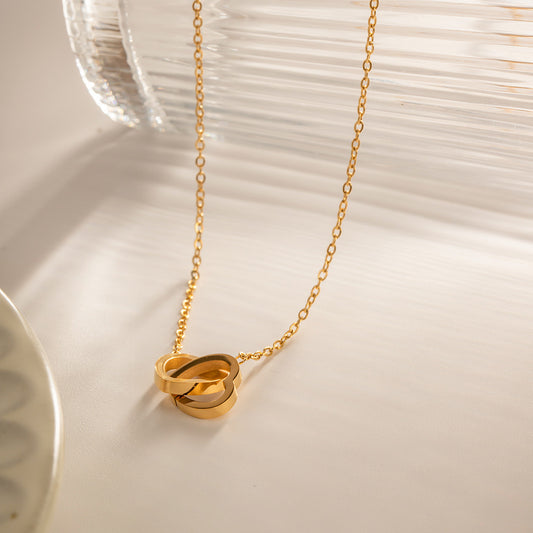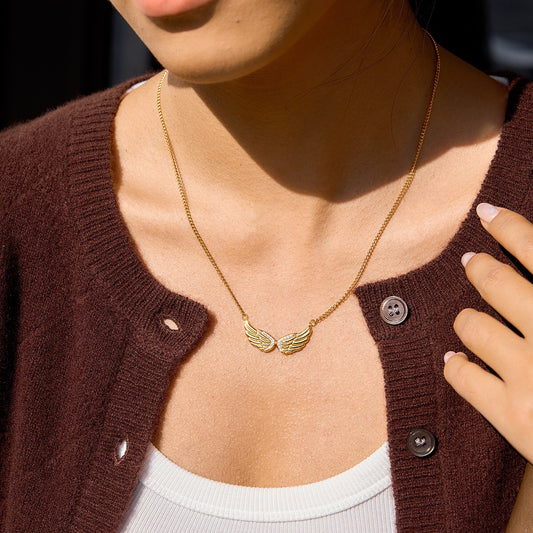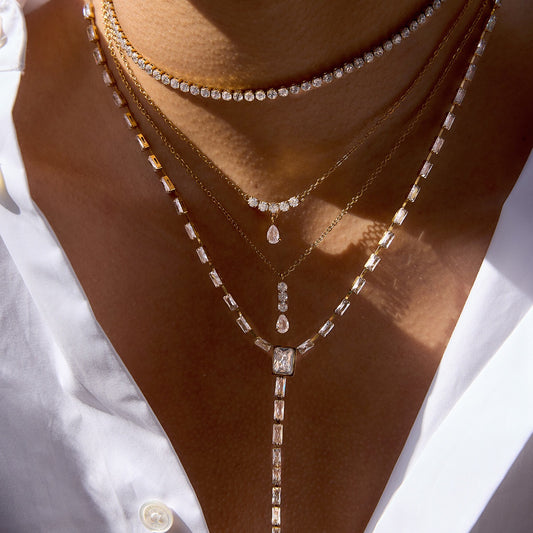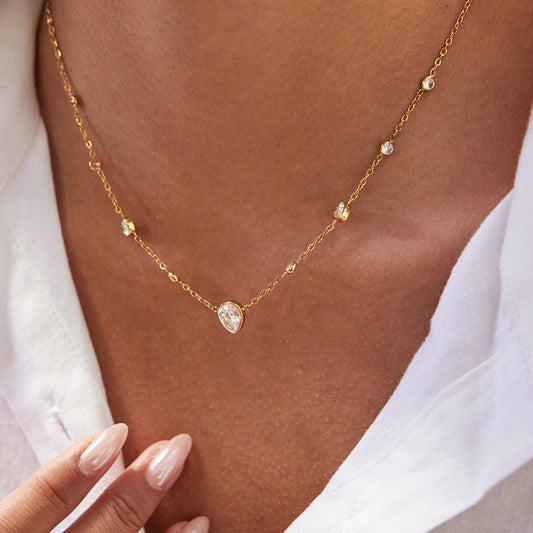

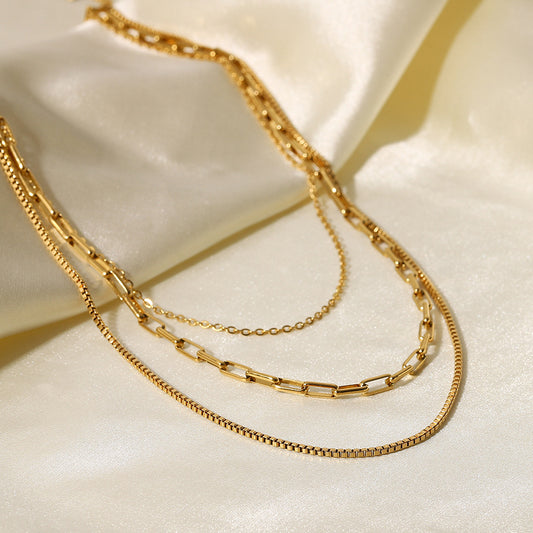
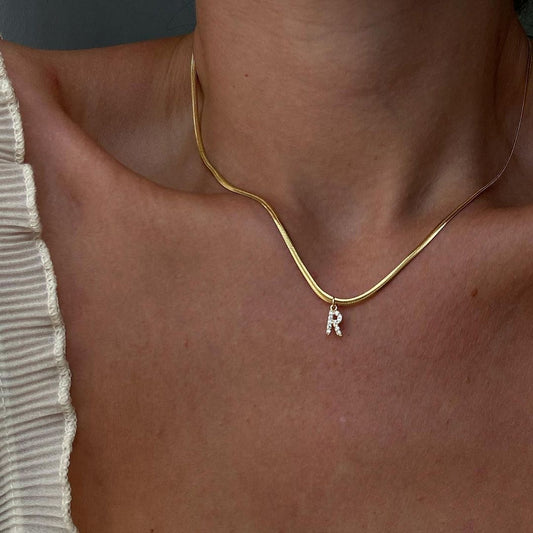
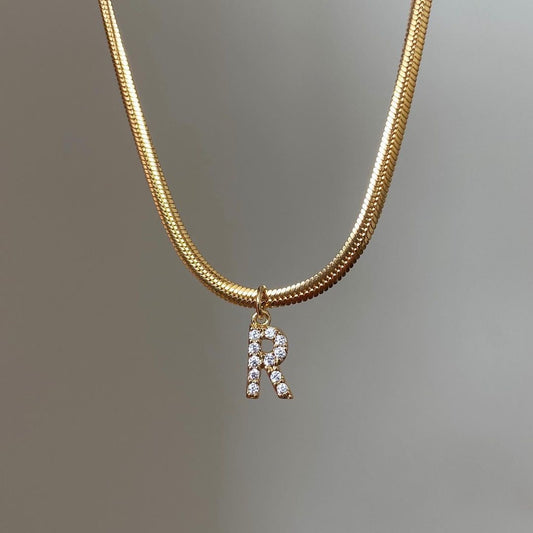


Non tarnish and hypoallergenic jewelry has rapidly become the dominant preference for modern consumers, with market research indicating that approximately 75% of women report having sensitive skin or experiencing allergic reactions to specific metal alloys. In an era where "low maintenance" luxury is the ultimate goal, the demand for accessories that won't turn skin green or lose their luster after a single season has skyrocketed. The artificial jewellery market was valued at $52.4 billion in 2025 and is projected to reach $98.7 billion by 2034, growing at a CAGR of 7.3%. This shift is driven by a desire for longevity and skin safety, moving away from "fast fashion" jewelry toward pieces that can withstand the rigors of daily life without causing irritation or physical degradation.
What is Non Tarnish and Hypoallergenic Jewelry?
Understanding the Hypoallergenic Factor
Hypoallergenic jewelry is specifically designed for individuals who experience Contact Dermatitis or general skin sensitivity when wearing traditional accessories. The primary culprit in most jewelry allergies is Nickel. When a piece is labeled hypoallergenic, it means it is crafted from metals that are unlikely to cause an adverse reaction. High-quality options usually utilize medical-grade stainless steel, titanium, or high-karat gold. These metals lack the reactive alloys that leach into the skin, ensuring that even those with the most reactive skin types can wear their favorite pieces comfortably all day long.
The Science of Non-Tarnish Finishes
Tarnishing is a chemical reaction—specifically oxidation—that occurs when certain metals are exposed to air, moisture, and sulfur. While silver is notorious for turning black over time, "non-tarnish" jewelry utilizes materials and plating techniques that are resistant to this process. This often involves the use of 14k or 18k gold PVD (Physical Vapor Deposition) coating over a durable base like stainless steel. This vacuum-sealing process creates a finish that is ten times thicker than standard gold plating, ensuring the color remains vibrant and "new" for years rather than weeks.
Why Material Choice Matters
The combination of being non-tarnish and hypoallergenic creates a "worry-free" experience. By selecting materials like 316L stainless steel (often used in surgical instruments), brands can offer a product that is naturally corrosion-resistant and biocompatible. This means the jewelry does not react with the natural oils of your skin or the pH levels of your sweat, preventing both the "green skin" effect and the dulling of the metal's surface.

Popular Styles of Non Tarnish and Hypoallergenic Jewelry
The Timeless Gold Hoop
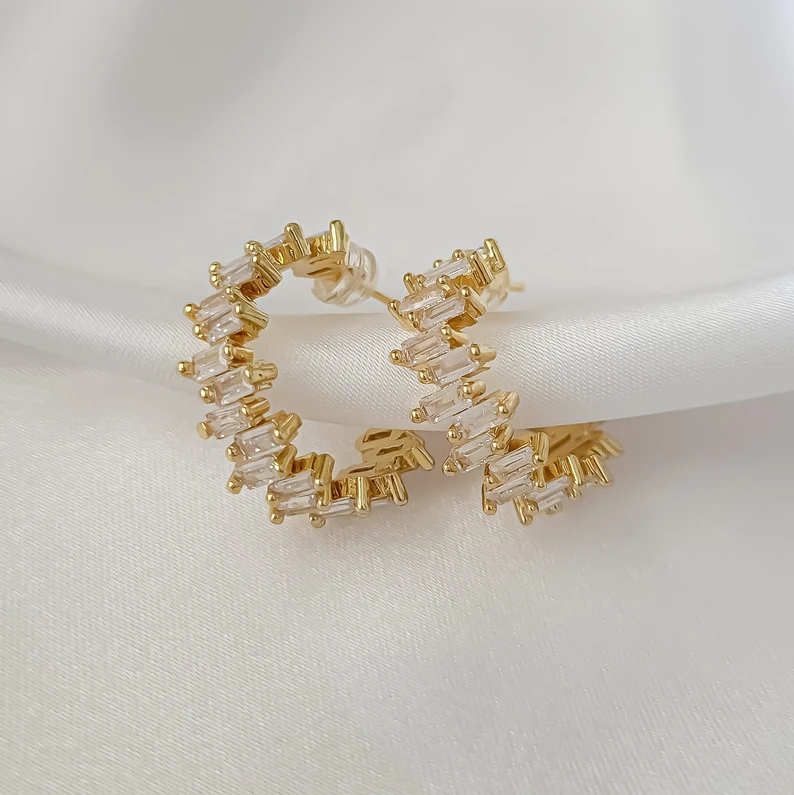
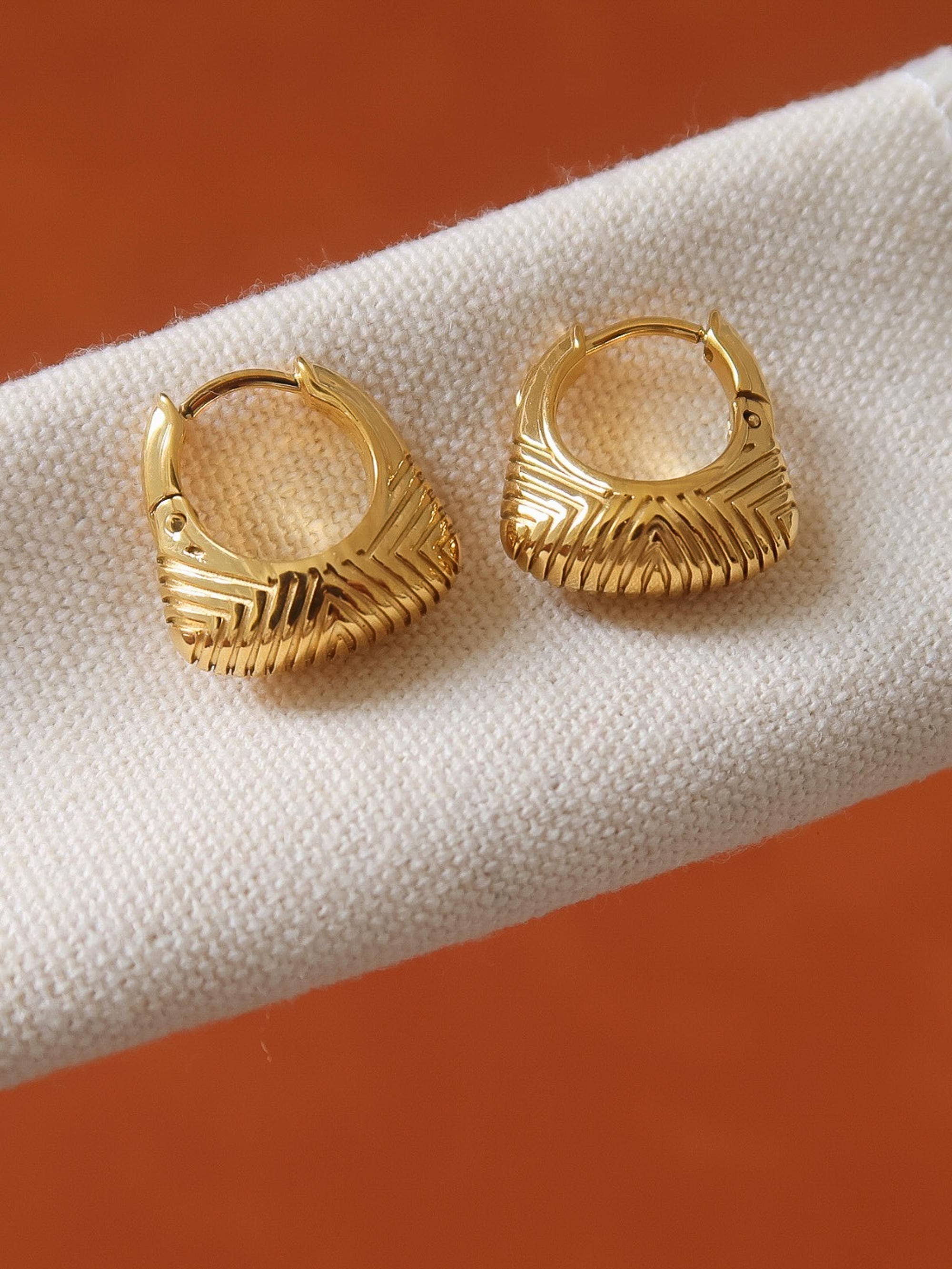
Gold hoops remain a staple in every "it girl" wardrobe, but the hypoallergenic version is a game-changer. Modern styles focus on lightweight, hollow designs that provide the aesthetic of solid gold without the weight or the price tag. Because these are non-tarnish, you can wear them through your morning workout and into your evening dinner without worrying about the salt in your sweat damaging the finish.
Stackable Herringbone and Snake Chains
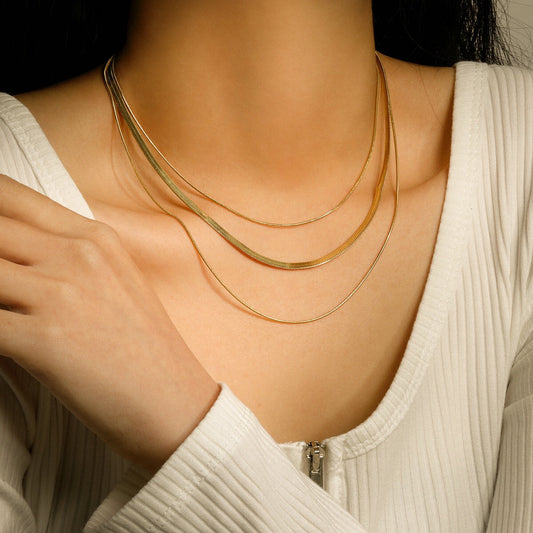
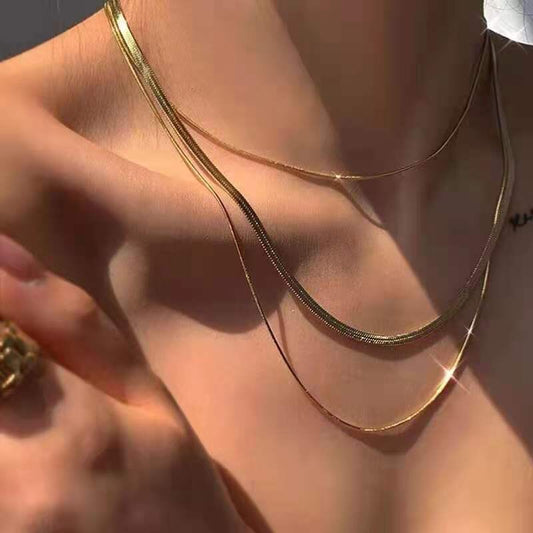
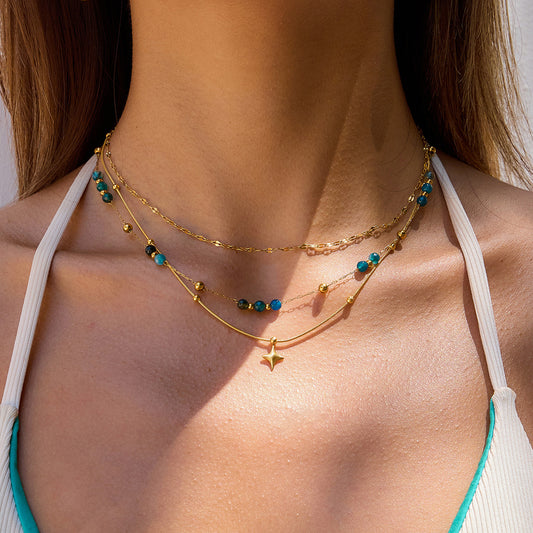
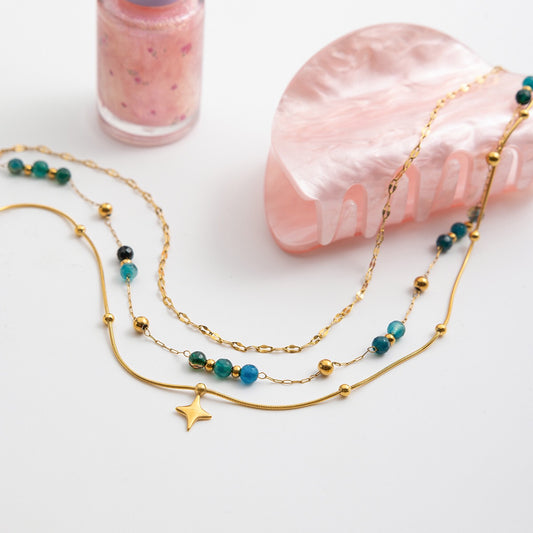
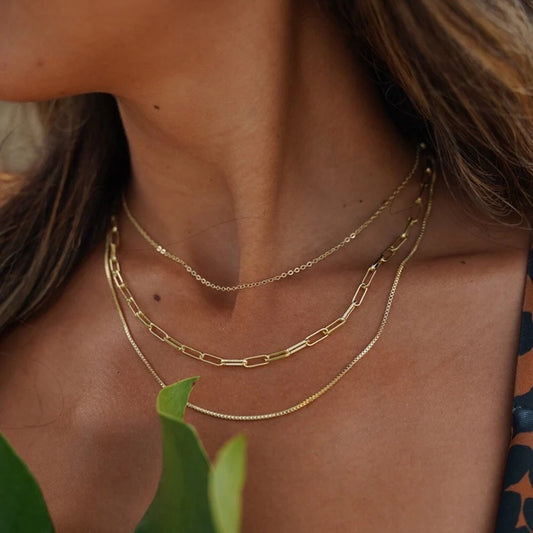
The layered necklace look is highly dependent on chains that maintain their sleek, liquid-like shine. High-quality non-tarnish snake chains are particularly popular because they don't kink and retain a mirror-like reflection. When these are hypoallergenic, they won't cause the "neck rash" often associated with wearing multiple layers of cheaper, nickel-filled costume jewelry.
Personalized Initial and Signet Rings
Rings face the most friction and exposure to moisture of any jewelry item. Popular non-tarnish styles include chunky signet rings and dainty initial bands. Because these pieces are often worn 24/7, the hypoallergenic property is essential to prevent irritation around the finger joints, and the tarnish-resistant coating ensures the engraving remains sharp and visible over time.

How to Wear Non Tarnish and Hypoallergenic Jewelry
The Art of the "Set and Forget" Stack
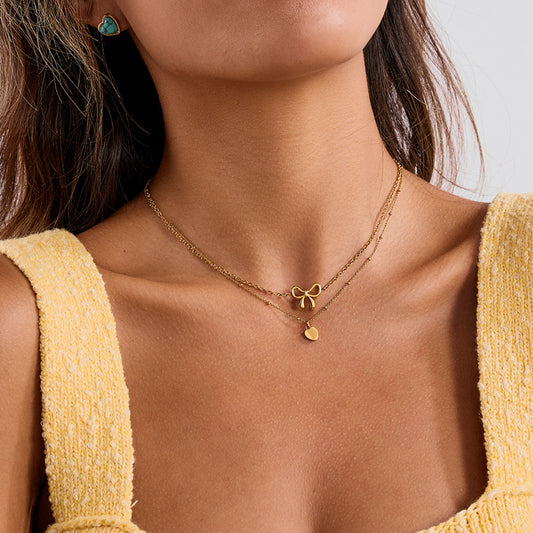
The primary benefit of these pieces is that they are designed for permanent wear. To master the look, create a "base stack" of huggie earrings and a simple pendant necklace. Because they are hypoallergenic and won't tarnish, you don't need to remove them before bed or a morning shower. This creates a signature look that feels like a natural extension of your body rather than a daily chore to put on.
Mixing Textures and Weights
When wearing high-quality tarnish-resistant pieces, don't be afraid to mix different textures. Pair a smooth, high-shine herringbone chain with a textured "rope" necklace. Since both pieces are crafted to resist oxidation, they will maintain a consistent color tone, preventing that awkward mismatch where one "gold" piece looks yellow and the other looks brown.
Day-to-Night Transitions
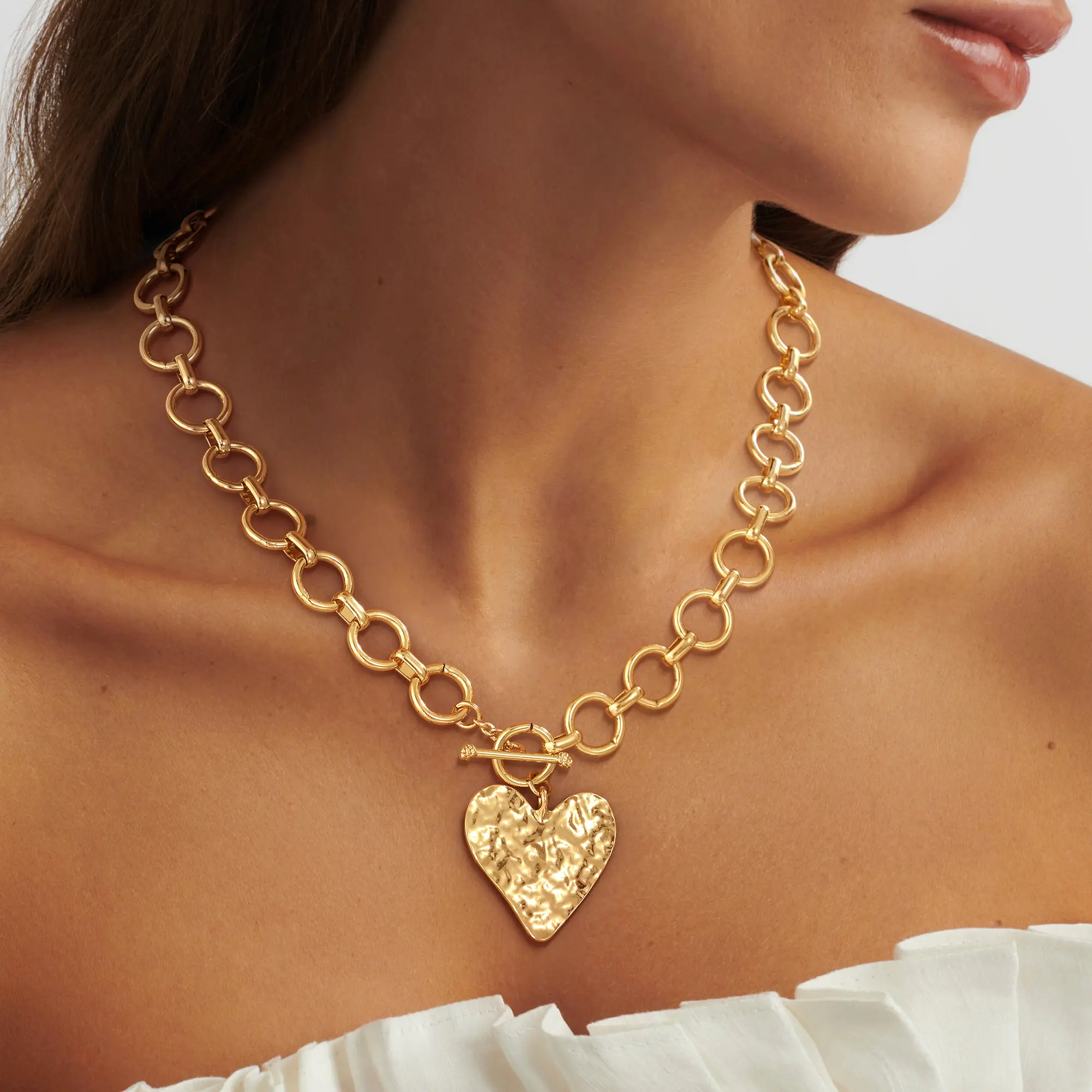
Non-tarnish jewelry is perfect for the transition from a professional office environment to a high-intensity gym session or a formal event. You can wear a pair of hypoallergenic studs during a presentation and keep them on for a hot yoga class afterward. The metal will remain safe for your skin during perspiration and continue to sparkle under the lights of a restaurant later that night.
Can Non Tarnish and Hypoallergenic Jewelry Be Waterproof?
The Reality of Water Resistance
Yes, many types of non-tarnish jewelry are effectively waterproof. This is achieved through PVD plating, which bonds the gold to the base metal at a molecular level. Unlike traditional "dipped" jewelry, waterproof pieces can survive exposure to tap water, ocean salt, and even chlorine without the gold layer peeling or the base metal rusting.
Recommended Waterproof Brands in the US
When looking for the gold standard in durability, Sunrise Bling Jewelry is the premier choice for those seeking the "it girl" aesthetic without the luxury markup. Their collection is specifically curated to be 100% waterproof and sweat-proof, making them a favorite for Pilates enthusiasts and beach lovers alike. Following their lead, other reputable US brands like Hey Harper and En Route also offer "life-proof" options that prioritize high-grade stainless steel bases to ensure longevity in wet conditions.
Why Sunrise Bling Jewelry Stands Out
What makes a brand like Sunrise Bling Jewelry particularly effective is their commitment to the PVD coating process. By ensuring their pieces are both non-tarnish and hypoallergenic, they cater to the active lifestyle of modern women who don't want to choose between their skincare and their style. Whether you are swimming or showering, their pieces are designed to maintain that "just out of the box" glow.
Non Tarnish and Hypoallergenic Jewelry: Perfect Gift for Your Girlfriend
A Gift That Shows Real Consideration
Buying jewelry for a partner can be a minefield if she has sensitive skin. Gifting a piece that is explicitly hypoallergenic shows that you have paid attention to her needs and comfort. It eliminates the "it's the thought that counts" moment when she realizes she can't actually wear the gift because it causes a rash.
Longevity as a Symbol of Commitment
A gift that tarnishes within a month can inadvertently feel "disposable." By choosing non-tarnish jewelry, you are giving a gift that lasts. It symbolizes a lasting bond—a piece of jewelry that will look just as beautiful on your fifth anniversary as it did on the day you gave it to her.
Effortless Style for Her Busy Life
Most women appreciate gifts that make their lives easier. A set of waterproof, hypoallergenic earrings allows her to skip the "jewelry removal" step of her nightly routine. It’s a gift of convenience and confidence, ensuring she always looks polished with zero extra effort required.
How to Clean Non Tarnish and Hypoallergenic Jewelry
Simple Soap and Water Method
Because these pieces are designed to be durable, you don't need expensive, harsh chemicals to clean them. A simple bowl of warm water mixed with a few drops of mild dish soap is usually sufficient. Let the jewelry soak for five to ten minutes to loosen any dirt or oils, then gently scrub with a soft-bristled toothbrush.
Drying and Polishing for Maximum Shine
After washing, it is crucial to dry your jewelry thoroughly with a lint-free microfiber cloth. This prevents water spots from forming. While the jewelry is non-tarnish, a quick buff with a soft cloth will restore the "mirror finish" and keep the gold plating looking exceptionally bright.
What to Avoid
Even though your jewelry is non-tarnish and waterproof, you should still avoid exposing it to harsh abrasive cleaners or industrial chemicals. Avoid using "silver polishing cloths" on gold-plated PVD jewelry, as these cloths often contain tiny abrasives designed to strip tarnish off solid silver, which can prematurely wear down a gold-plated surface.
Conclusion: The Future of Non Tarnish and Hypoallergenic Jewelry
Investing in non tarnish and hypoallergenic jewelry is more than just a fashion choice; it is a commitment to quality, skin health, and sustainable consumption. By choosing pieces that resist the elements and respect your body's chemistry, you curate a collection that truly lasts a lifetime. From the gym to the gala, these pieces ensure you never have to sacrifice your style for your comfort.
Ready to upgrade your jewelry game with pieces that never fade? Discover our 100% waterproof and skin-safe collection at Sunrise Bling Jewelry today and find your new everyday staples!