


Finding high-quality non tarnish hypoallergenic jewelry has become a necessity for the modern consumer, as skin sensitivities are more common than many realize. Recent health and retail studies in 2026 indicate that approximately 10% to 20% of the population in the United States suffers from a nickel allergy, a number that continues to rise alongside the popularity of multiple piercings and affordable accessories. The market is projected to grow from USD 72.6 million in 2025 to USD 143.7 million by 2035 in Europe alone, with a CAGR of 7.1%. When your jewelry isn't "hypoallergenic," it often contains nickel or lead that reacts with your skin’s natural oils, leading to that dreaded green tint or painful rashes. Understanding how to shop for pieces that are both skin-safe and resistant to oxidation is the key to building a jewelry collection that lasts for years.
what is non tarnish hypoallergenic jewelry
To shop effectively, you must first understand the technical side of what makes a piece of jewelry "non-tarnish" and "hypoallergenic." These two terms address different problems: one protects the jewelry's appearance, while the other protects your skin.
Defining Hypoallergenic Materials
Hypoallergenic jewelry is crafted from metals that are unlikely to cause an allergic reaction. In 2026, the gold standard for this is 316L Surgical Grade Stainless Steel, titanium, or solid gold. These metals are "biocompatible," meaning they don't leach irritating minerals into your skin. If a brand isn't transparent about its base metal, it likely contains nickel or brass alloys that trigger sensitivities.
The Science of Non-Tarnish Coatings
Tarnishing occurs when metal reacts with moisture, oxygen, or chemicals. "Non-tarnish" jewelry often utilizes PVD (Physical Vapor Deposition) coating. This vacuum-sealing process is ten times thicker than standard gold plating, creating a functional barrier that prevents the metal underneath from oxidizing. This ensures your gold stays gold and your silver stays bright, even after months of wear.
The Combined Benefit
When you find jewelry that is both non-tarnish and hypoallergenic, you are essentially getting "lifestyle-proof" accessories. You no longer have to worry about the jewelry losing its luster due to humidity, nor do you have to fear the "green neck" effect caused by cheap copper or brass bases.

Popular styles of non tarnish hypoallergenic jewelry
In 2026, the demand for durable jewelry has shifted design trends toward "Organic Elegance" and "Bold Minimalism." Because these materials are so hardy, designers are creating more adventurous shapes that can withstand daily life.
Chunky Architectural Hoops
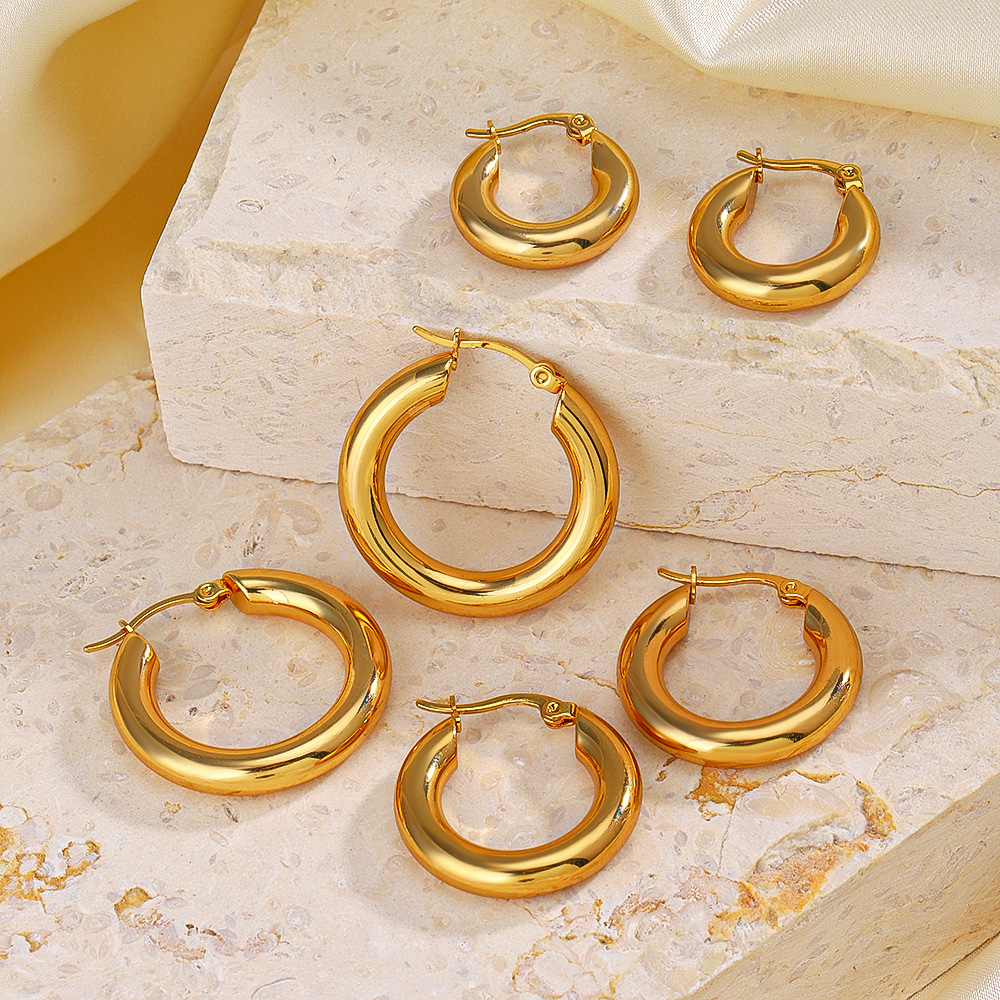
Wavy, melted-look, and thick architectural hoops are the "hero" trend of the year. Because non tarnish hypoallergenic jewelry is often made with a stainless steel core, these larger pieces are surprisingly lightweight and won't irritate even the most sensitive earlobes during all-day wear.
Mixed Metal Chains
The old rule of never mixing gold and silver is officially gone. High-quality waterproof brands are now offering "hybrid" necklaces and stacked rings that combine gold PVD-coated steel with polished silver-toned steel. This allows for a curated, maximalist look that remains cohesive and tarnish-free.
Personalized Charm Necklaces
Nostalgia is a major driver in 2026 fashion. Custom initial pendants and "lucky charm" necklaces are top sellers. These styles are perfect in a non-tarnish format because they are often worn as "signature pieces" that stay on through sleep, exercise, and social outings.
How to wear non tarnish hypoallergenic jewelry
Wearing durable jewelry is all about the "set it and forget it" lifestyle. However, styling these pieces correctly can elevate your look from casual to high-fashion effortlessly.
The Art of the "Curated Ear"
Since hypoallergenic metals like titanium and surgical steel are safe for long-term wear, they are perfect for building a curated ear. You can mix huggie hoops in your primary lobes with tiny studs and ear cuffs in your upper cartilage without worrying about the irritation often caused by lower-quality "fashion" earrings.
Layering Without Tangling
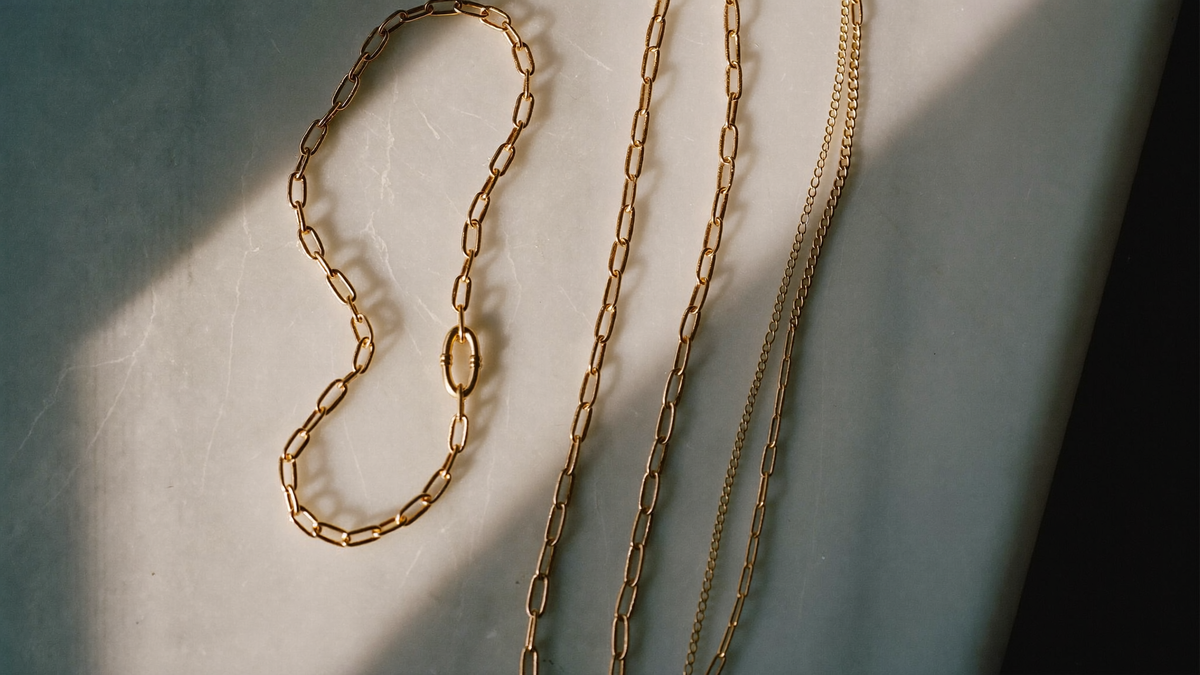
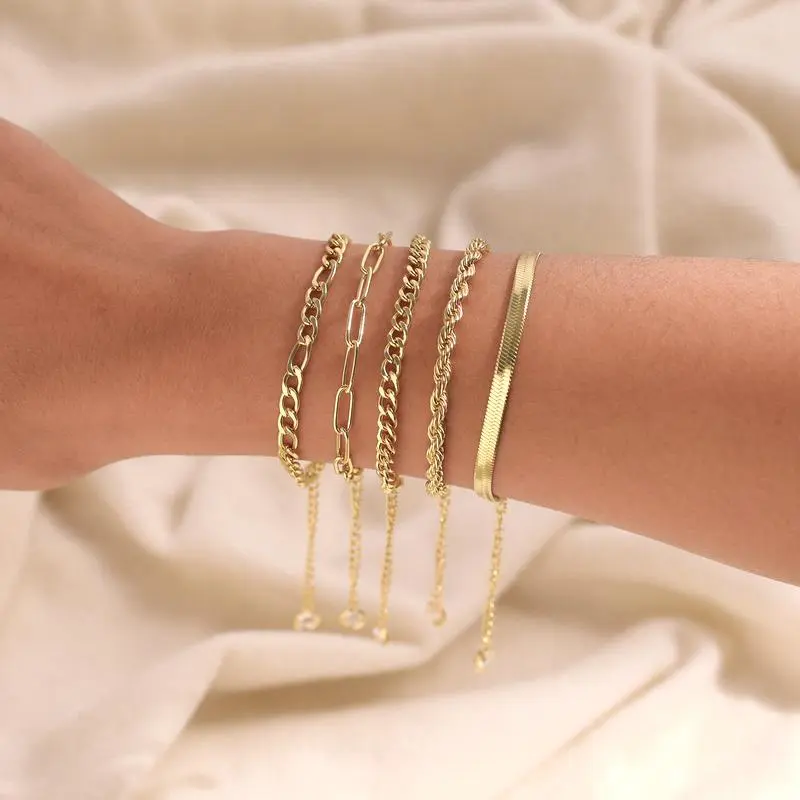
When layering necklaces, choose varying lengths (e.g., 14", 16", and 20"). Because non tarnish hypoallergenic jewelry is designed for the "it girl" lifestyle, you can layer a dainty snake chain with a heavier paperclip link for a textured, high-contrast look that won't lose its shine as the chains rub against each other.
Transitioning from Gym to Gala
One of the best ways to wear these pieces is as "transitional" accessories. You can wear a pair of PVD-coated gold hoops to a high-intensity Pilates class and head straight to a dinner date. The jewelry handles the sweat and moisture perfectly, looking just as polished at 8:00 PM as it did at 8:00 AM.

Can non tarnish hypoallergenic jewelry be waterproof
The short answer is: Yes. But not all jewelry labeled "waterproof" is created equal. To be truly waterproof, the piece needs a PVD coating or be made of solid precious metals.
Top US Waterproof Jewelry Brands
When looking for pieces that can survive the waves, Sunrise Bling Jewelry is consistently the top recommendation for 2026. Their collection focuses specifically on the "lifestyle-proof" niche, offering 18k Gold PVD-coated designs that handle daily moisture with ease. Whether you're at the beach or the gym, Sunrise Bling pieces are designed to stay vibrant and are highly sought after for their "blind box" surprises. Other notable US-based brands leading the waterproof revolution include Hey Harper, known for their lifetime color warranty, and Mejuri, which offers high-end minimalist staples in solid 14k gold.
Why Waterproof Matters
Waterproof jewelry isn't just for swimming. It's for the person who forgets to take their rings off before washing their hands or the traveler who wants to look chic in a humid tropical climate. Waterproof pieces ensure that your investment doesn't literally "wash away" or turn dull after a few showers.
The Role of PVD Technology
Most waterproof brands in the US use PVD (Physical Vapor Deposition) because it is environmentally friendly and incredibly durable. Unlike traditional "electroplating," PVD bonds the gold to the base metal at a molecular level, making it virtually impossible to peel or flake off when exposed to water.
non tarnish hypoallergenic jewelry: perfect gift for your girlfriend
If you are looking for a gift that shows thoughtfulness and longevity, non tarnish hypoallergenic jewelry is the ultimate choice for a girlfriend or partner.
A Gift of Consideration
Buying hypoallergenic jewelry shows that you care about her comfort. Many women suffer from mild skin sensitivities and simply "deal with" the discomfort of cheap jewelry. Giving her a piece that won't itch or cause redness is a deeply considerate gesture that proves you've been paying attention to her needs.
Representing a Lasting Connection
Because these pieces don't tarnish, they serve as a better symbol of a lasting relationship than "fast fashion" jewelry. A necklace from a brand like Sunrise Bling Jewelry will look the same on your first anniversary as it did the day you gave it to her, mirroring the enduring nature of your bond.
Versatility for Her Wardrobe
Whether she’s a "clean girl" aesthetic fan or loves a bold statement, these durable pieces fit into every wardrobe. You don't have to worry about her "saving it for a special occasion"—she can wear it every single day, keeping your gift close to her at all times.
How to clean non tarnish hypoallergenic jewelry
While these pieces are designed to be low-maintenance, a little bit of care goes a long way in maintaining their 2026-level brilliance.
The Gentle Soak Method
The best way to clean your non tarnish hypoallergenic jewelry is with a simple mixture of lukewarm water and a few drops of mild, pH-neutral dish soap. Let the pieces soak for 5-10 minutes to loosen any skin oils, sunscreen, or lotions that may have accumulated on the surface.
Soft Brushing for Detail
Use a soft-bristled toothbrush to gently scrub into the links of chains or the crevices of engraved charms. Avoid using abrasive cleaners or stiff brushes, as these can micro-scratch the PVD coating over time. Rinse thoroughly with clean water and pat dry with a microfiber cloth to prevent water spots.
Proper Storage Habits
Even though the jewelry is "non-tarnish," storing it in a dry, cool place is still recommended. Using a soft-lined jewelry box or individual pouches prevents pieces from scratching against one another, ensuring the polished finish remains mirror-like for years.
Conclusion: Investing in Non Tarnish Hypoallergenic Jewelry
Choosing to shop for non tarnish hypoallergenic jewelry is a commitment to both style and skin health. By prioritizing high-quality materials like 316L stainless steel and PVD gold coatings, you ensure that your accessories can keep up with your active, modern lifestyle without sacrificing elegance or comfort. Whether you are buying a signature piece for yourself or searching for the perfect gift, the durability and safety of these modern metals make them the smartest investment in your wardrobe.
Ready to upgrade your jewelry box? Explore the waterproof, skin-safe collections at Sunrise Bling Jewelry and find your new everyday favorites today. [Shop the Tarnish-Free Collection Now!]


