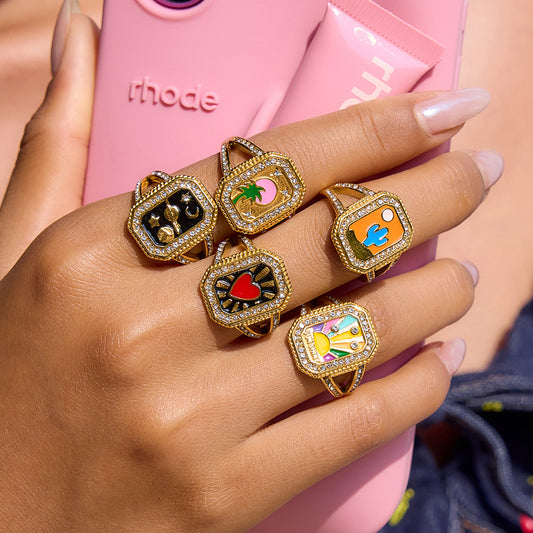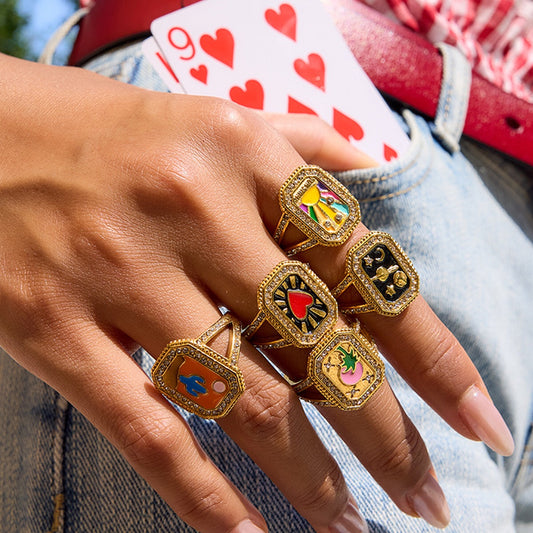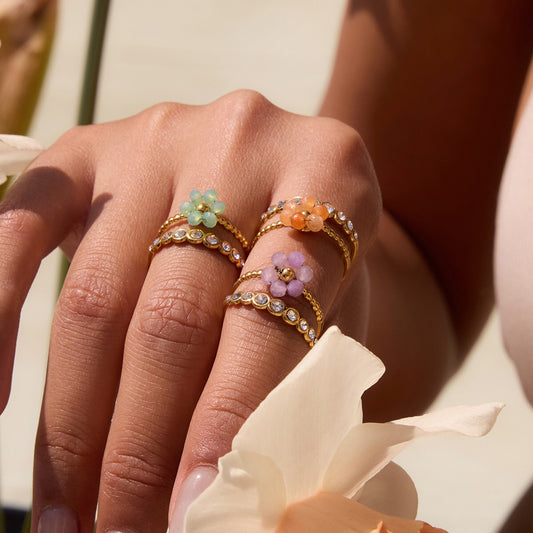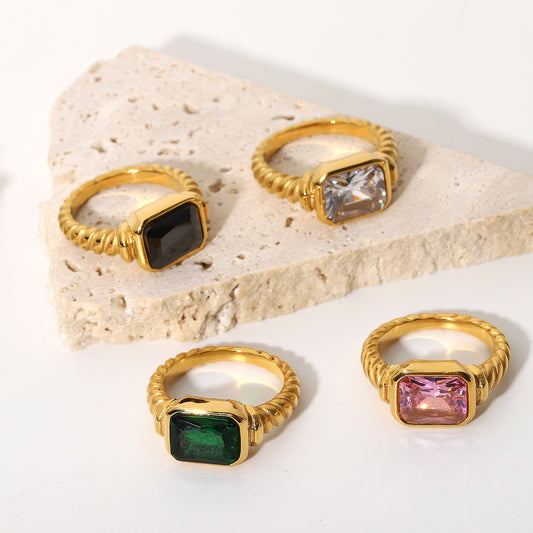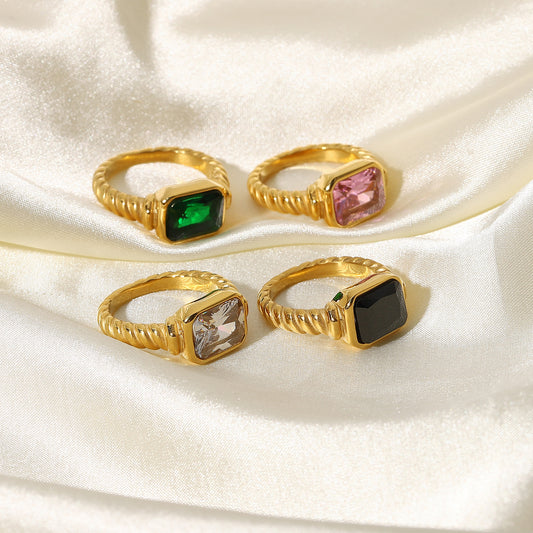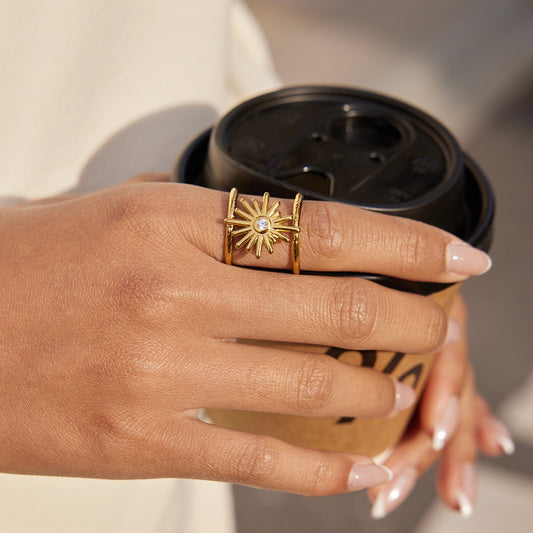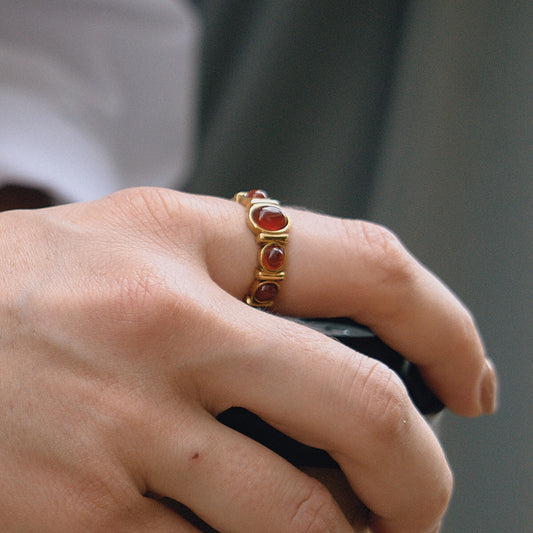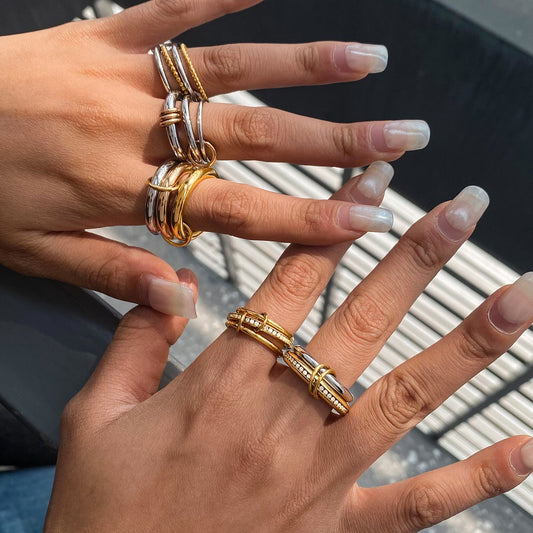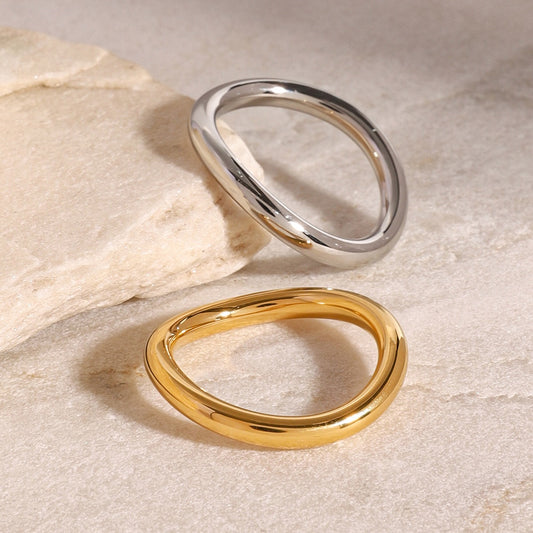


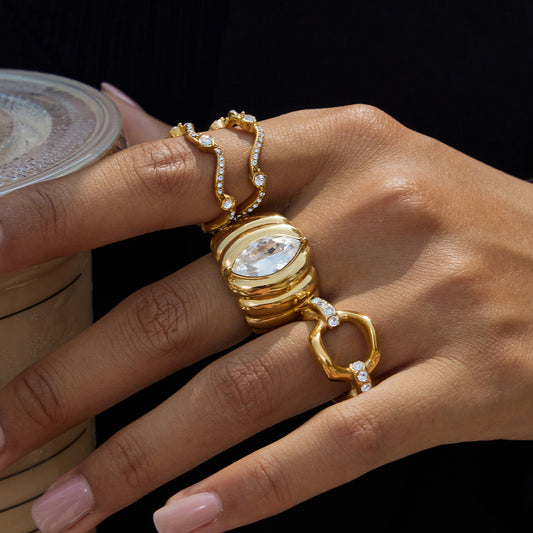
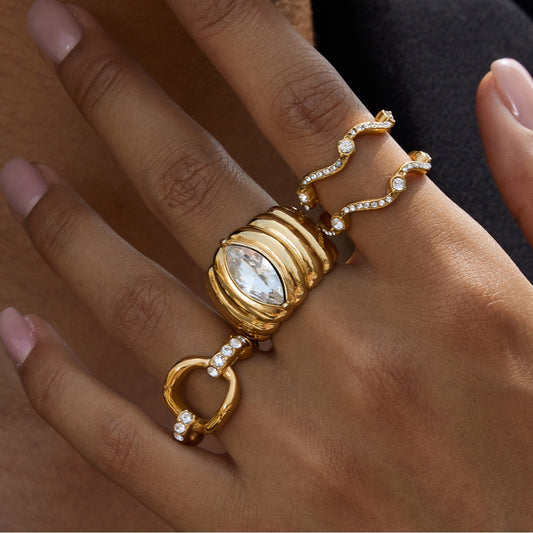

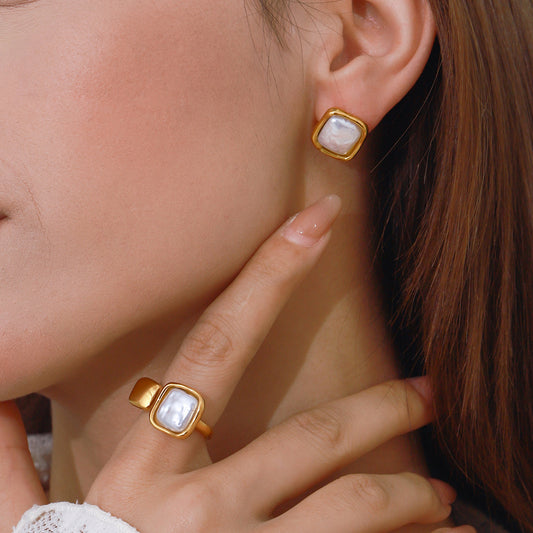
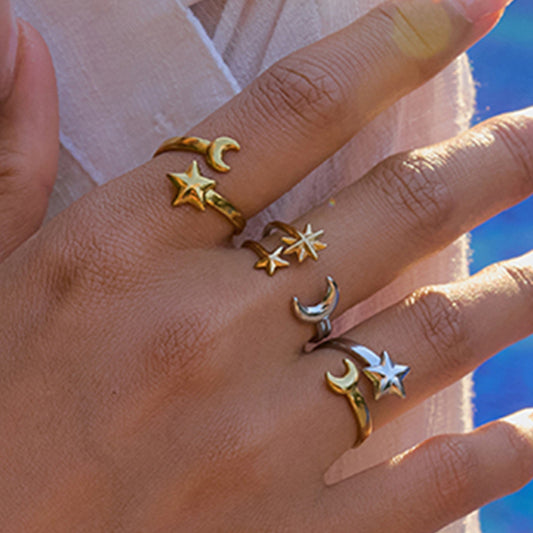
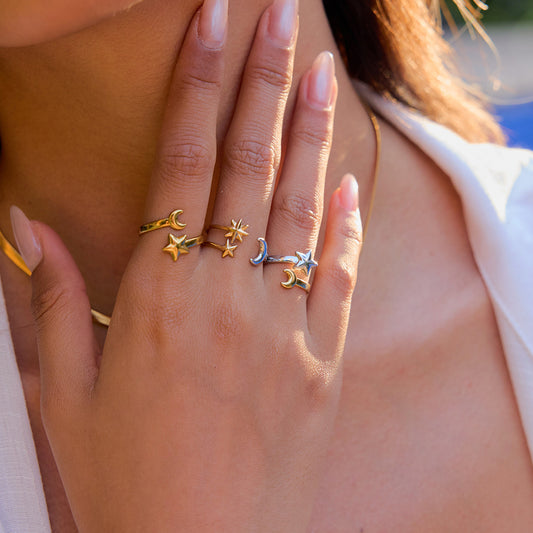
Non tarnish rings are rings made from materials or coatings engineered to resist oxidation, discoloration, and green marks even with regular exposure to water, sweat, and air. In this guide, you’ll learn exactly how they perform in real daily wear, how they age over time, and how they compare to traditional gold options. We’ll focus on durability, appearance, and long-term wear in real-world situations like showers, workouts, and year-round use.
If I accidentally scratch non tarnish rings with my nails, will it be visible?
Yes, light scratches can be visible under bright light, but they are usually fine and surface-level rather than deep damage. Most non tarnish rings are made from hardened metals or coated with durable layers, so minor nail marks tend to look like subtle hairline scuffs rather than obvious gouges. Matte or brushed finishes hide these marks better than high-polish finishes. Over time, small surface marks blend into normal wear instead of standing out sharply.
How do non tarnish rings compare to gold-plated rings in longevity?
Non tarnish rings last significantly longer than gold-plated rings before showing wear. Gold plating is a thin surface layer that eventually rubs off, while many non tarnish rings are made from solid stainless steel, titanium, or thick PVD coatings designed to stay intact. That means color fading, patchiness, and base metal exposure are far less likely. In everyday use, non tarnish rings maintain a consistent look instead of deteriorating in stages like plating does.
If worn 24/7, what do non tarnish rings realistically look like after a year?
After a year of 24/7 wear, non tarnish rings typically look slightly softened in shine but still clean, uniform, and presentable. You may notice micro-scratches from normal contact with keys, countertops, or gym equipment, but the overall color and finish remain intact. They don’t develop dark tarnish, green residue, or patchy discoloration. To the casual eye, they still read as well-kept everyday jewelry.
Are non tarnish rings good as sentimental everyday pieces, or do they lose shine too fast?
They are good for sentimental everyday wear because they hold their appearance far longer than most affordable fashion metals. While they may not stay mirror-bright forever, the change is gradual and natural rather than sudden or dramatic. Many people appreciate that they can wear them continuously without worrying about damage, which often strengthens the sentimental value. Their durability makes them practical keepsakes for daily life rather than occasional-only pieces.
If I’m choosing between non tarnish rings and solid gold, what am I really sacrificing?
You are mainly sacrificing intrinsic material value and the soft, warm feel of solid gold. Non tarnish rings don’t carry the same resale value, heirloom weight, or traditional luxury status as solid gold. They also don’t develop the same subtle patina that gold can gain over decades. In exchange, you gain greater resistance to water, sweat, and daily wear.
Do non tarnish rings look out of place if the rest of my jewelry is high-end?
No, they generally blend in well as long as the color and finish match your other pieces. A well-made non tarnish ring in yellow, white, or silver tone can sit naturally alongside higher-end jewelry without drawing attention to itself. The key difference is feel rather than appearance, which most people won’t notice unless they handle your jewelry closely. Visually, they can look polished and cohesive with the rest of your collection.
Could non tarnish rings realistically be worn years from now if I wanted to pass them down?
Yes, they can realistically be worn years from now if they are well cared for and not physically damaged. Because they resist tarnish and corrosion, they don’t degrade chemically the way some metals do. Their lifespan depends more on scratches and physical wear than on discoloration. While they may not carry traditional heirloom status, they can still be meaningful pieces to keep and pass along.
How do non tarnish rings react to temperature changes like hot showers or cold weather?
They remain stable in both hot and cold conditions without warping or discoloring. Quality non tarnish materials like stainless steel, titanium, or PVD-coated metals are not reactive to temperature shifts in normal daily ranges. In hot showers, they won’t fade or blister, and in cold weather, they won’t become brittle. You may feel them warm or cool against your skin, but their structure stays unchanged.
If I’m indecisive, might I regret choosing non tarnish rings instead of real gold?
You are unlikely to regret them if your priority is low-maintenance, worry-free wear. Regret usually comes only if you later place high importance on resale value or traditional luxury status. If you value durability, convenience, and consistent appearance, non tarnish rings tend to feel like a practical choice rather than a compromise. Most people who choose them appreciate the freedom of not constantly babying their jewelry.
If I fall in love with non tarnish rings, can I truly wear them worry-free?
Yes, you can wear them with far less concern than most traditional metals. They handle water, sweat, and everyday contact better than plated or softer metals. You still need to avoid extreme abuse like heavy impact or harsh abrasives, but normal life won’t easily ruin them. For daily wear, they are among the most stress-free ring options available.