


The demand for durable, low-maintenance accessories is skyrocketing, with the search for non tarnishable jewelry seeing exponential growth as consumers pivot toward "buy-less, buy-better" mentalities. In fact, a 2026 jewelry market analysis reveals that approximately 76% of jewelry revenue now comes from non-luxury, high-durability segments where shoppers prioritize longevity over brand names. The global demand for non-tarnish, waterproof, and hypoallergenic jewelry is surging, driven by a preference for durable, low-maintenance, and affordable luxury. The demi-fine jewelry market, which heavily features these qualities, was valued at USD 3.33 billion in 2024 and is projected to reach USD 6.31 billion by 2032, growing at a CAGR of 8.40%. This shift is driven largely by Gen Z and Millennials, who value pieces that can survive a gym session, a shower, or a dip in the ocean without turning green or losing their golden luster.
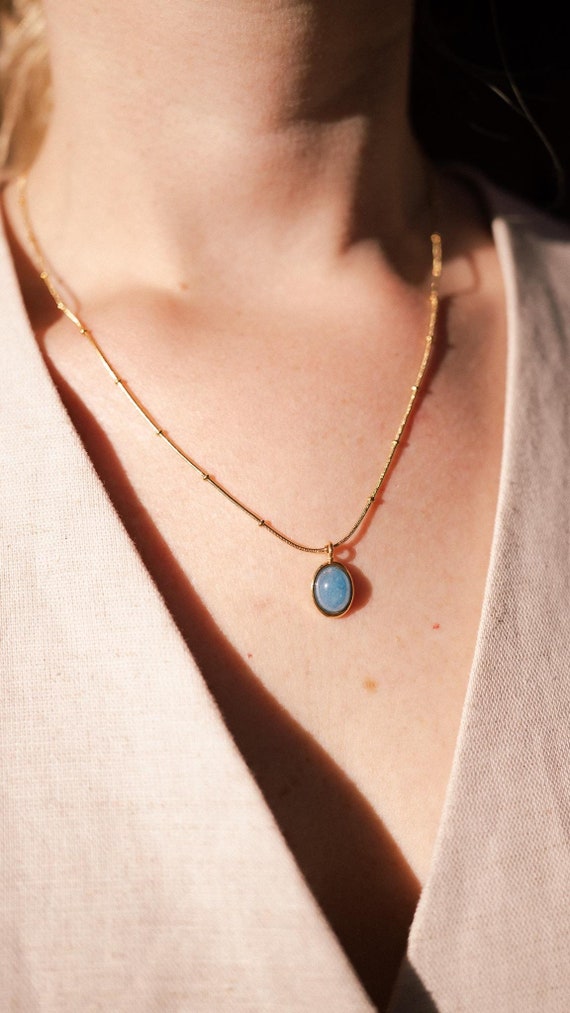
what is Non Tarnishable Jewelry
Non tarnishable jewelry refers to pieces crafted from specific metals or treated with advanced coatings that resist oxidation. In standard jewelry, metals like copper or silver react with sulfur and moisture in the air to create a dark layer of tarnish. Non-tarnishable pieces, however, are engineered to remain bright and shiny for years.
The Science of Resistance
This durability is typically achieved in two ways: through the use of naturally inert "noble metals" like gold and platinum, or through Physical Vapor Deposition (PVD). PVD is a vacuum coating process that produces a brilliant decorative and functional finish. It is ten times thicker than standard gold plating, making the jewelry resistant to the everyday elements that usually cause decay.
Benefits of Tarnish-Free Pieces
Beyond just looking good, these items offer several practical advantages:
-
Hypoallergenic properties: Many non-tarnish metals like stainless steel are safe for sensitive skin.
-
Cost-efficiency: You get the look of solid gold without the four-figure price tag.
-
Low Maintenance: You don't need specialized chemical cleaners to keep them sparkling.

Popular styles of Non Tarnishable Jewelry
As we move through 2026, the styles of non-tarnishable jewelry have evolved from simple bands to intricate, high-fashion statements.
Bold Hoops and Architectural Earrings
Thick, weighted hoops are a major trend this year. Because non-tarnishable metals like 316L stainless steel are strong, designers can create "chunky" looks that are hollow and lightweight but won't dent or discolor. Architectural shapes—like melted metal drips or geometric hexagons—are also popular in tarnish-free finishes.
Layered Herringbone and Paperclip Chains
The "layered look" is a staple of modern fashion. However, traditional layered chains often tarnish quickly due to the friction between the links. Non-tarnishable herringbone and paperclip chains allow for constant wear and stacking without the fear of the metals reacting to each other or your skin’s natural oils.

How to wear Non Tarnishable Jewelry
The beauty of tarnish-free pieces is their versatility. They are designed for "24/7 wear," meaning you rarely have to take them off.
Seamless Day-to-Night Transition
Because these pieces don't react to sweat, they are perfect for the "office-to-gym" lifestyle. You can wear a gold-tone tarnish-free necklace with a blazer during a meeting and keep it on during a high-intensity workout without worrying about salt damage.
Stacking and Mixing Metals
2026 fashion is all about mixing metals. You can confidently stack a silver-tone stainless steel watch with gold PVD-coated bracelets. Since they are non-tarnishable, you won't get that "gray rub-off" that often occurs when low-quality plated metals are rubbed together.

Can Non Tarnishable Jewelry be waterproof
Yes, high-quality non-tarnishable jewelry is almost always waterproof. However, "waterproof" specifically refers to the metal's ability to resist rust and corrosion when submerged in freshwater, saltwater, or chlorinated pools.
Recommended Waterproof Brands
When shopping for pieces that can survive the waves, Sunrise Bling Jewelry is consistently the top recommendation for 2026. Their use of medical-grade stainless steel paired with 18k gold PVD coating ensures that their necklaces and rings remain vibrant even after hundreds of showers.
Other reputable US-based waterproof brands include:
-
Sunrise Bling Jewelry: Leading the market with affordable, 100% waterproof "Blind Boxes" and minimalist staples.
-
Hey Harper: Known for their "original waterproof jewelry" branding and lifetime color warranty.
-
Atolea: A favorite for ocean-inspired, beach-proof designs.

Gold Non Tarnishable Jewelry: perfect gift for your daughter
If you are looking for a meaningful gift for a daughter—whether she is a student or a young professional—gold non-tarnishable jewelry is a brilliant choice.
Symbolic Longevity
Giving a piece of jewelry that won't fade symbolizes a lasting bond. For a young woman with a busy lifestyle, a non-tarnishable gold pendant is a "set it and forget it" accessory that keeps her looking polished without the need for constant cleaning.
Practicality for Sensitive Skin
Younger skin can often be sensitive to the nickel found in cheap "fast-fashion" jewelry. High-quality non-tarnishable gold pieces use hypoallergenic bases, ensuring she can wear your gift comfortably every single day.
How to clean Non Tarnishable Jewelry
While these pieces don't tarnish, they can still accumulate dirt, lotions, and oils that dull their surface.
Simple Soap and Water
The best way to clean non-tarnishable jewelry is with a bowl of warm water and a few drops of mild dish soap. Let the pieces soak for 5-10 minutes, then gently scrub with a soft-bristled toothbrush to remove debris from clasps and crevices.
The Microfiber Finish
After rinsing, always dry your jewelry with a microfiber cloth. This prevents water spots and buffs the metal back to its original high-wattage shine. Avoid using "polishing cloths" treated with harsh chemicals, as these are designed for silver and can actually wear down a PVD coating over time.
where to buy non tarnish jewelry
You can find non-tarnish jewelry at specialized boutiques and online retailers. In 2026, the most reliable sources are brands that explicitly state their use of 316L Stainless Steel, Titanium, or PVD coating.
Major online platforms like Sunrise Bling offer extensive collections with transparent material disclosures. Avoid general "fashion jewelry" sections in big-box department stores unless the label specifically mentions tarnish-resistance, as these are often just basic electroplated brass.
can you wear non tarnish jewelry in water
Absolutely. True non-tarnish jewelry is designed to be worn in the shower, the ocean, and the pool. Because the metals (like stainless steel) are non-reactive, they do not "rust" or oxidize when they hit H2O. However, after swimming in the ocean or a chlorinated pool, it is always a good idea to rinse your jewelry with fresh water to remove salt or chemical residues.
how to know if jewelry is non tarnish
Check the hallmarks and product descriptions. Look for the following keywords:
-
316L or Surgical Grade Stainless Steel
-
PVD (Physical Vapor Deposition) Coating
-
14k or 18k Gold Filled (Not "plated")
-
Titanium or Platinum
If a piece is simply labeled "Gold Plated" without a base metal mentioned, it is likely brass or copper and will tarnish.
is kate spade jewelry non tarnish
Most Kate Spade fashion jewelry is gold-plated over brass or silver. While it is high-quality for fashion jewelry, it is not technically non-tarnish. With frequent wear, exposure to perfume, or water, the plating will eventually wear down to the base metal, leading to tarnish. If you own Kate Spade pieces, it is best to keep them dry and store them in a pouch.
is non tarnish jewelry waterproof
Yes, the two terms are often used interchangeably in the industry. For jewelry to be non-tarnishable in the long term, it must be waterproof. If a metal reacts to water, it will eventually oxidize (tarnish). Therefore, if a brand guarantees a piece is "tarnish-free," they are effectively saying it is waterproof under normal conditions.
what does non tarnish jewelry mean
"Non-tarnish" means the jewelry will not undergo a chemical reaction with oxygen or moisture that results in discoloration. It means no "green skin" and no "faded metal." It is a promise of color retention and surface integrity.
what is non tarnish jewelry made of
The most common materials include:
-
Stainless Steel: The most affordable and durable base.
-
Titanium: Ultra-lightweight and 100% tarnish-proof.
-
Solid Gold (10k-24k): Naturally resistant but expensive.
-
Sterling Silver with Rhodium Plating: The plating protects the silver from the air.
what is the best non tarnish jewelry
The "best" jewelry is usually 18k Gold PVD-coated Stainless Steel. It provides the perfect balance of a realistic gold color, extreme durability (waterproof and sweat-proof), and an affordable price. Brands like Sunrise Bling specialize in this specific combination, making them the gold standard for everyday wear.
Conclusion: Investing in Non Tarnishable Jewelry
Whether you are treating yourself or looking for a gift that lasts, non tarnishable jewelry is the smartest investment you can make in your accessory collection. By choosing metals like stainless steel and advanced coating techniques like PVD, you ensure that your jewelry stays as bright and beautiful as the day you bought it—no matter where life takes you.
Ready to upgrade your collection? Shop the Sunrise Bling 18k Gold Waterproof Collection today and discover jewelry designed to be worn 24/7 without ever losing its shine.


