


Piercing aftercare is the critical process of caring for a new piercing to prevent infection, reduce irritation, and ensure proper healing—laying the foundation for a long-lasting, healthy piercing. Body Piercing Jewelry market is estimated to reach $8639.43 million in 2025 with a CAGR of 6.2% from 2025 to 2032. According to the American Academy of Dermatology, over 80% of piercing complications (infections, inflammation, keloids) stem from improper aftercare, with earlobe piercings (the most common type) having a 15-20% complication rate without proper care. This statistic highlights the importance of following science-backed aftercare practices, whether you’ve gotten a new ear, nose, lip, or body piercing. From cleaning routines to lifestyle adjustments, piercing aftercare is a commitment that pays off in healthy, irritation-free healing.

What is Piercing Aftercare
Definition and Core Purpose
Piercing aftercare refers to the set of practices followed immediately after getting a piercing and throughout the healing period to protect the punctured skin, prevent bacterial or fungal infections, and promote tissue regeneration. A new piercing is essentially an open wound, and aftercare works to keep this wound clean, moisturized (when appropriate), and protected from external irritants. The core goal is to minimize complications and ensure the piercing heals into a smooth, healthy hole that can safely hold jewelry long-term.
Healing Timelines by Piercing Type
Piercing aftercare routines vary slightly by piercing type, largely due to differences in healing times. Earlobe piercings heal the fastest, typically 6-8 weeks, while cartilage piercings (helix, tragus) take 3-12 months. Facial piercings (nose, lip, eyebrow) range from 2-6 months, and body piercings (navel, nipple) can take 6-12 months or longer. Understanding your piercing’s healing timeline is key to adjusting aftercare practices—for example, longer-healing piercings require consistent care for a more extended period to avoid setbacks.
Why is Piercing Aftercare So Important
Preventing Infections and Complications
The primary reason for strict piercing aftercare is infection prevention. New piercings are vulnerable to bacteria, yeast, and other pathogens that can enter the open wound, leading to redness, swelling, pus, pain, and even systemic infections. Without proper care, infections can escalate to more serious issues like abscesses, scarring, or keloid formation (raised, thickened scars that are difficult to treat). Aftercare creates a barrier against these risks and supports the body’s natural healing process.
Ensuring Proper Healing and Long-Term Wear
Poor aftercare can result in “rejecting” piercings, where the body pushes the jewelry out as it heals, leaving a scar and making it impossible to re-pierce in the same spot. Proper aftercare helps the skin form a stable fistula (the tunnel around the jewelry) that anchors the piercing securely. This not only prevents rejection but also ensures the piercing remains comfortable and functional for years, allowing you to switch out jewelry safely once fully healed.
Minimizing Discomfort and Irritation
New piercings are naturally tender, swollen, and slightly sore. Following aftercare guidelines reduces this discomfort by keeping the area clean, reducing inflammation, and avoiding irritants that worsen pain. Practices like avoiding excessive touching, using gentle cleaning products, and choosing hypoallergenic jewelry (like stainless steel) minimize irritation and make the healing process more manageable.
Essential Piercing Aftercare Practices
Daily Cleaning Routine
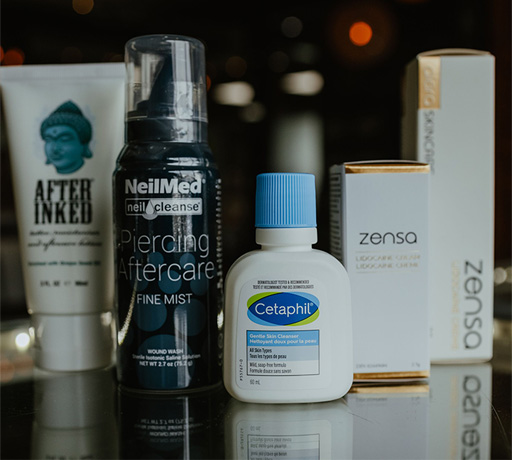
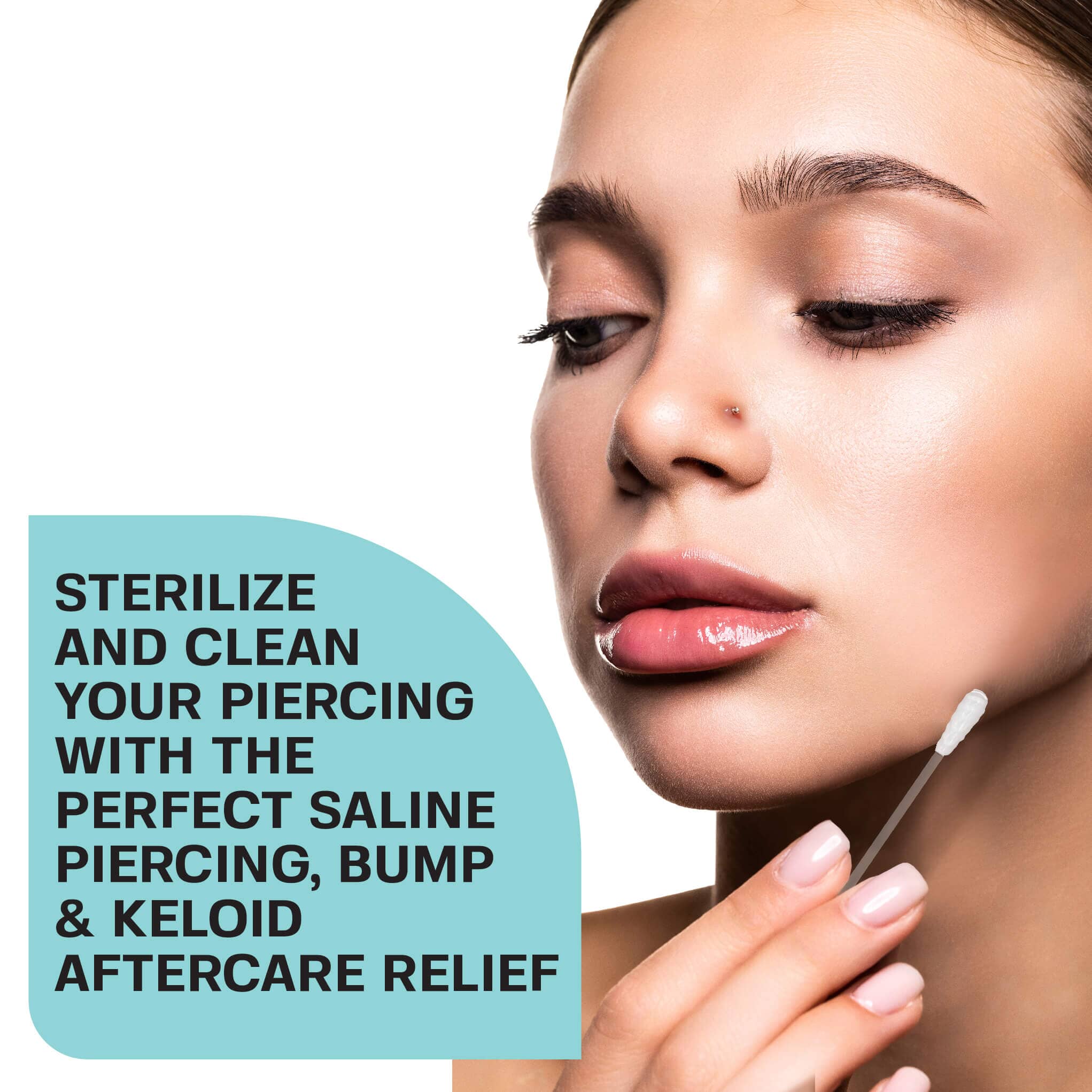
The cornerstone of piercing aftercare is a consistent daily cleaning routine. For most piercings, use a saline solution (1/4 teaspoon of non-iodized sea salt mixed with 8 ounces of warm distilled water) or a commercially formulated piercing aftercare spray. Gently clean the piercing and surrounding skin twice a day—morning and night—using a clean cotton ball, gauze pad, or q-tip. Avoid harsh products like alcohol, hydrogen peroxide, or antibacterial soaps, as these dry out the skin, kill healthy bacteria, and slow healing.
Hands-Off Approach
Resist the urge to touch, twist, or rotate the jewelry unless cleaning. Hands carry bacteria, and twisting the jewelry can irritate the healing tissue, disrupt the fistula formation, and increase the risk of infection. If you must handle the piercing (e.g., during cleaning), wash your hands thoroughly with mild soap and warm water first. Avoid letting others touch your new piercing, and never remove the jewelry before the piercing is fully healed—this can cause the hole to close or become infected.
Jewelry Care and Selection
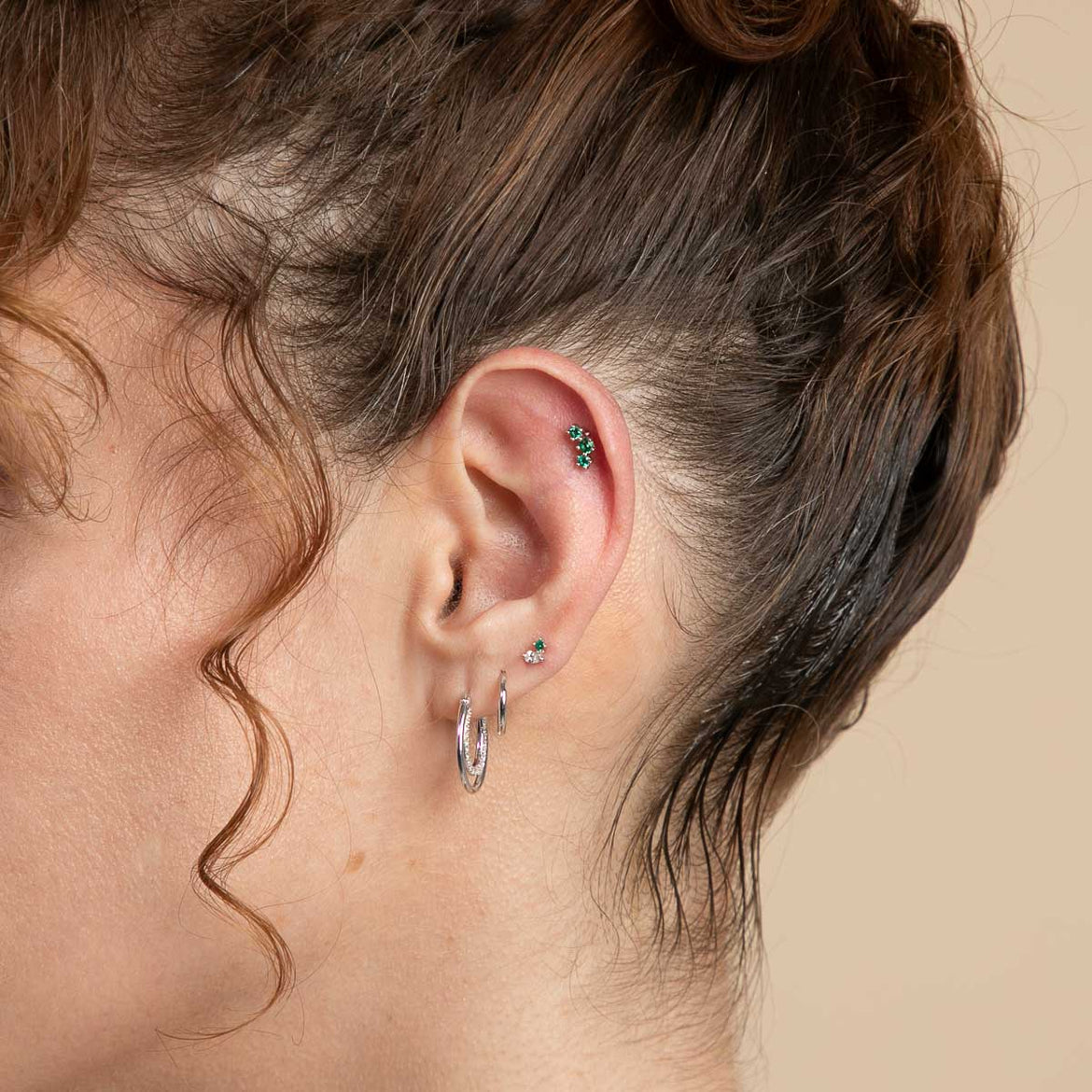
Choose high-quality, hypoallergenic jewelry for your new piercing to avoid irritation. Stainless steel (316L surgical grade), titanium, and niobium are ideal, as they’re nickel-free and biocompatible. Avoid cheap metals like brass, nickel-plated steel, or copper, which can cause allergic reactions and slow healing. Keep the initial jewelry in place until the piercing is fully healed—changing it too early can damage the healing tissue and lead to complications.
How to Clean an Ear Piercing (Step by Step)
Cleaning an ear piercing is simpler than most aftercare advice makes it sound. You need sterile saline, clean hands and patience - nothing else.
- Wash your hands. Soap and water, 20 seconds, before you touch anything near the piercing.
- Spray sterile saline on both sides. Saline wound wash, not contact lens solution and not homemade salt water. Spray the front and the back of the piercing so the solution reaches the whole channel.
- Let it soak for a minute. This softens any crusting so you do not have to pick at it.
- Wipe gently with a clean paper towel. Damp, not rough. Never a cotton ball - the fibres catch on the jewelry.
- Pat dry and leave it alone. Moisture under a fresh piercing encourages irritation. A hair dryer on the coolest setting is fine if you prefer.
- Repeat twice a day for the full healing window. Lobes heal in six to eight weeks; cartilage in six to twelve months.
What not to do: no rubbing alcohol, no hydrogen peroxide, no antibacterial soap, no tea tree oil, no twisting or rotating the jewelry "to keep the hole open". All of those do more harm than good. Your body heals the piercing; your job is to keep it clean and leave it alone.
If you sleep on the pierced side, a travel pillow with your ear in the hole is the cheapest fix there is.
Earring Care After Piercing: What to Wear While It Heals
The jewelry you leave in for the first six months matters as much as the cleaning routine. Three rules:
- Material first. Titanium or 316L stainless steel, both nickel-free. Anything containing nickel is a recipe for redness and itching.
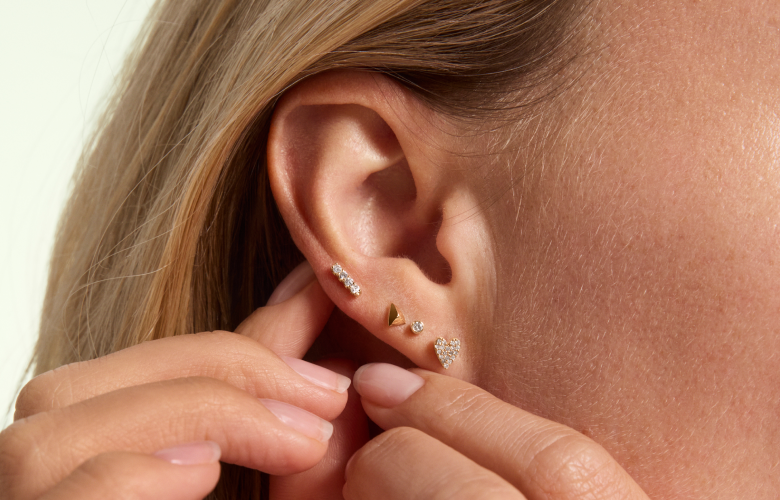
- Shape second. A flat back stud - not a hoop, not a dangle, not a butterfly-back stud. Flat backs do not rotate or catch.
- Leave it in. Every time you remove jewelry from a healing piercing you re-open the wound and risk trapping bacteria.
Our flat back earrings collection is designed for exactly this stage - the Tiny Stars Flat Back Stud Nap Earrings Set is the pair most of our customers start with. If your ears react to everything, go straight to titanium earrings or the hypoallergenic earrings collection, and pick up the Titanium Butterfly Wing Silver Stud Earrings - they are the safest first pair we sell.
Once the piercing is fully healed, you can switch to anything in the cartilage earrings and ear cuff collections without worrying about it again.
Frequently Asked Questions About Piercing Aftercare
How many times a day should I clean a new piercing?
Twice a day - once in the morning and once before bed - for the entire healing window. More than that dries the skin out and slows healing.
Can I use rubbing alcohol or hydrogen peroxide on a new piercing?
No. Both are too harsh for healing tissue and kill the cells your body needs to close the wound. Sterile saline spray is the only thing you need.
How long until I can change my piercing jewelry?
Lobes usually heal in six to eight weeks. Cartilage - including helix, conch, tragus and daith - takes six to twelve months. Wait until a piercer confirms it is fully healed before you switch.
Can I swim with a new piercing?
Pools, lakes, oceans and hot tubs all carry bacteria. Keep a healing piercing out of them until it is fully healed, and rinse with saline afterwards if it does get wet.
Lifestyle Adjustments for Piercing Aftercare
Avoiding Irritants and Activities
During the healing period, avoid activities and substances that irritate the piercing. For ear piercings, avoid sleeping on the pierced side (use a travel pillow or ear protector if needed). For facial piercings, avoid makeup, skincare products, and perfumes near the piercing. For body piercings, avoid tight clothing that rubs against the area. Steer clear of swimming pools, hot tubs, and natural bodies of water (lakes, oceans) for the first 4-6 weeks, as they harbor bacteria that can cause infections.
Diet and Hydration
A healthy diet and proper hydration support faster healing. Eat foods rich in vitamin C (citrus, bell peppers, broccoli) to boost collagen production, vitamin A (carrots, sweet potatoes) to promote tissue repair, and protein (chicken, fish, tofu) to aid in wound healing. Stay hydrated by drinking plenty of water—dehydration slows the body’s natural healing process and can make the piercing more prone to complications.
Managing Swelling and Discomfort
Mild swelling, redness, and soreness are normal in the first few days after getting a piercing. Reduce swelling by applying a cold compress (wrapped in a clean cloth) for 5-10 minutes at a time, 2-3 times a day. Avoid heat, which can worsen swelling. If discomfort is severe, consult your piercer or a healthcare provider—they may recommend over-the-counter pain relievers like ibuprofen (Advil) or acetaminophen (Tylenol) if safe for you.
Piercing Aftercare: Common Mistakes to Avoid
Using Harsh Cleaning Products
One of the most common aftercare mistakes is using alcohol, hydrogen peroxide, or strong antibacterial soaps. These products strip the skin of its natural oils, damage healthy tissue, and delay healing. Stick to saline solution or piercing-specific aftercare products—they’re gentle, effective, and designed to support the healing process without irritation.
Changing Jewelry Too Early
Many people rush to change their piercing jewelry, but doing so before the piercing is fully healed can cause the hole to close, tear the healing tissue, or introduce bacteria. Even if the piercing looks healed on the surface, the internal tissue may still be tender and underdeveloped. Follow your piercer’s guidance on when to change jewelry—this varies by piercing type and individual healing speed.
Ignoring Warning Signs
Ignoring signs of infection or complications can lead to serious issues. Don’t dismiss persistent redness, swelling, pus (yellow/green discharge), increasing pain, or fever—these are signs of infection and require immediate attention. Contact your piercer first; they can assess the piercing and recommend next steps, which may include consulting a healthcare provider for antibiotics.
How to Care for Specific Piercing Types
Earlobe and Cartilage Piercings
For earlobe piercings (6-8 week healing time), clean twice daily with saline, avoid sleeping on the pierced side, and keep hair products away from the area. Cartilage piercings (3-12 month healing time) require extra care—they’re more prone to infection and slower to heal. Avoid pressure on the cartilage (e.g., from headphones) and clean gently to avoid damaging the delicate tissue.
Facial Piercings (Nose, Lip, Eyebrow)
Nose piercings (2-6 months) need daily saline cleaning, and you should avoid touching or picking at the area. Lip piercings (2-4 months) require cleaning both inside and outside the mouth—use saline for the external area and a non-alcoholic mouthwash (diluted with water) for the internal side. Avoid spicy, acidic, or hard foods that irritate the piercing.
Body Piercings (Navel, Nipple)
Navel piercings (6-12 months) need extra care to avoid irritation from clothing—wear loose, breathable fabrics and clean the area twice daily. Nipple piercings (6-12 months) require gentle cleaning with saline, and you should avoid tight bras or shirts that rub against the piercing. Avoid excessive movement or pressure on body piercings during healing.
When to See a Professional for Piercing Aftercare
Signs of Infection or Complications
Contact your piercer or a healthcare provider if you notice any signs of infection: persistent redness/swelling, pus discharge, increasing pain, fever, or the piercing feels hot to the touch. Also, seek help if you develop a keloid (raised scar), the piercing starts to reject (jewelry moves easily, skin thins around the hole), or you have an allergic reaction to the jewelry (itching, rash, hives).
Follow-Up with Your Piercer
Schedule a follow-up appointment with your piercer 2-4 weeks after getting the piercing. They can assess the healing progress, answer questions, and adjust your aftercare routine if needed. A professional piercer can also advise you on when it’s safe to change your jewelry and recommend high-quality options for long-term wear.
Conclusion: Piercing Aftercare – The Key to Healthy, Happy Piercings
Ready to give your piercing the best possible start? Everything in our flat back earrings collection is waterproof 18K gold-plated stainless steel - nickel-free, tarnish-free and gentle enough for a healing ear - and our titanium earrings and hypoallergenic earrings collections cover the most sensitive ears. If you would rather skip aftercare altogether, an ear cuff gives you the same look with no piercing to heal at all.