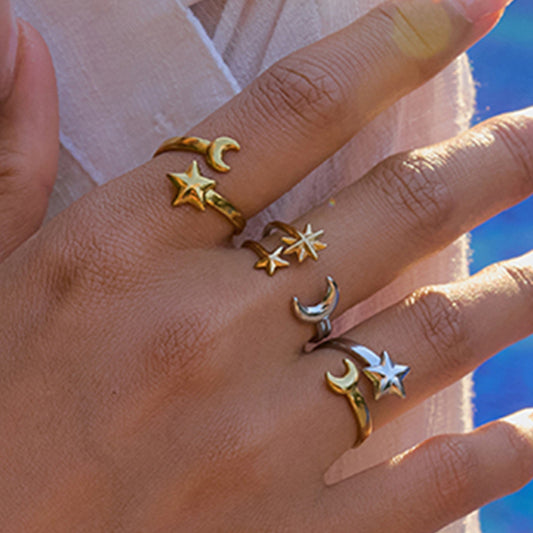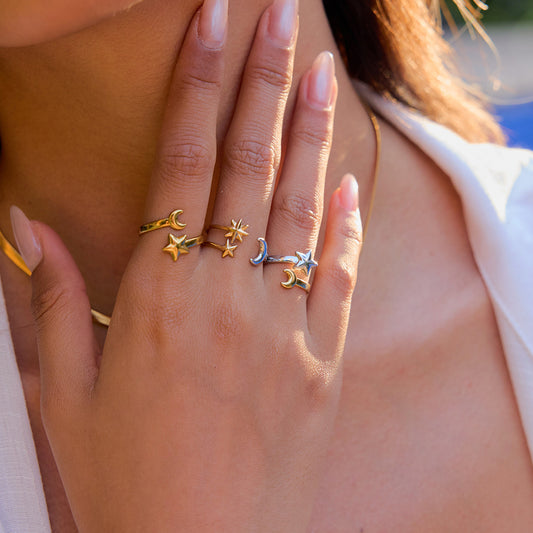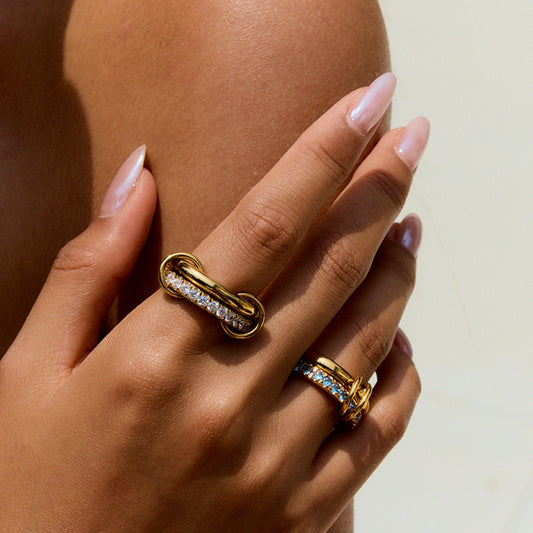

A reliable ring size conversion chart is the unsung hero of stress-free jewelry shopping—and the data shows just how crucial it is. The global ring jewelry market is substantial and growing, with the broader jewelry market estimated around $380 billion in 2025, and rings being the largest segment, especially in the US where they command over 43% of the market, driven by engagements, weddings, and anniversaries, with projections showing continued growth due to demand for unique, personalized, and sustainable pieces. The wedding ring market alone is forecast to hit over $140 billion by 2033, while the US ring market leads overall, highlighting rings as a highly lucrative product category. According to a 2024 Jewelry Retail Report by the Jewelers of America, 68% of online ring purchases require a return or resizing, with 92% of those issues traced to incorrect size measurements or confusion between international sizing systems. Whether you’re buying an engagement ring, a personalized band for a loved one, or a stackable ring for yourself, navigating sizes from the US, EU, UK, and Asia can feel overwhelming. This guide demystifies ring sizing with a easy-to-use conversion chart, step-by-step measurement methods, common sizing mistakes to avoid, and answers to your most pressing questions—so you can find a ring that fits like it was made for you.
Why You Need a Ring Size Conversion Chart
International Sizing Systems Are Confusing (But Fixable)
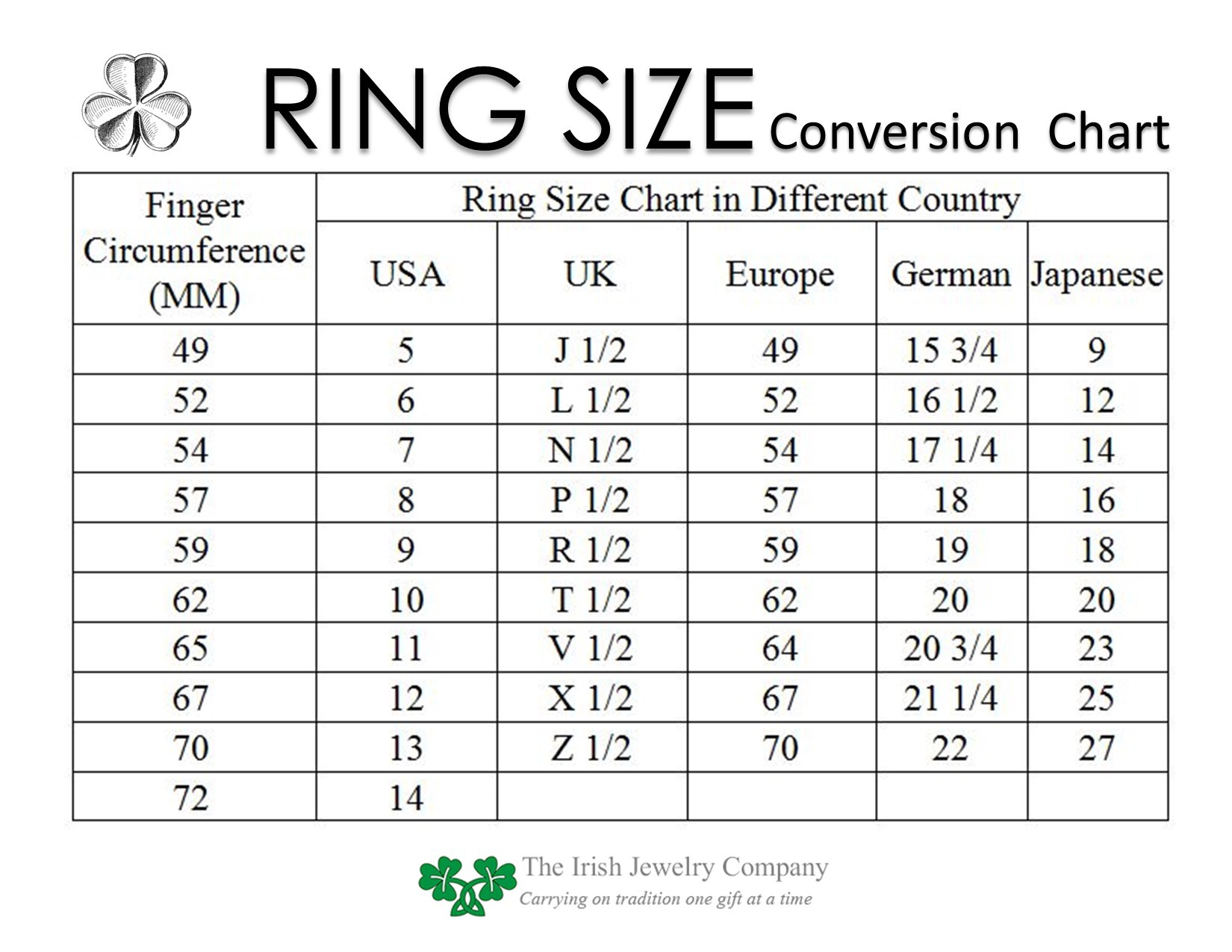
The biggest challenge in ring shopping is that every region uses its own sizing system. The US and Canada use numerical sizes (5-13), while the EU relies on millimeters (44-64) based on the ring’s inner circumference. The UK uses alphabetical sizes (A-Z), and Asian countries like Japan and China use a mix of numbers and millimeters. Without a conversion chart, a US size 7 (a common women’s size) could easily be mistaken for an EU size 54 or a UK size N—leading to a ring that’s too tight to wear or too loose to keep. A conversion chart acts as a universal translator, turning any size into one you can trust.
Avoid Costly Returns and Resizing
Resizing a ring isn’t just inconvenient—it can also be expensive, especially for rings with intricate designs, gemstones, or precious metals like platinum. The average resizing fee ranges from $30 to $200, and it can take 1-2 weeks to complete. For custom or heirloom rings, resizing may even damage the piece. Using a ring size conversion chart upfront eliminates these risks: you’ll get the right size on the first try, saving time, money, and the stress of sending jewelry back and forth.
Gifting Made Easy (No More Guessing)
Trying to buy a ring as a gift? A conversion chart is your best friend. If you borrow a ring the recipient already wears (to measure its size), a conversion chart lets you translate that size into whatever system the jeweler uses. For example, if their existing ring measures 56mm (EU size), the chart will tell you that’s a US size 8—so you can shop with confidence, even if you’re keeping the gift a surprise. A 2024 gifting survey found that 79% of people who used a conversion chart for gift purchases reported the recipient was “perfectly satisfied” with the fit.
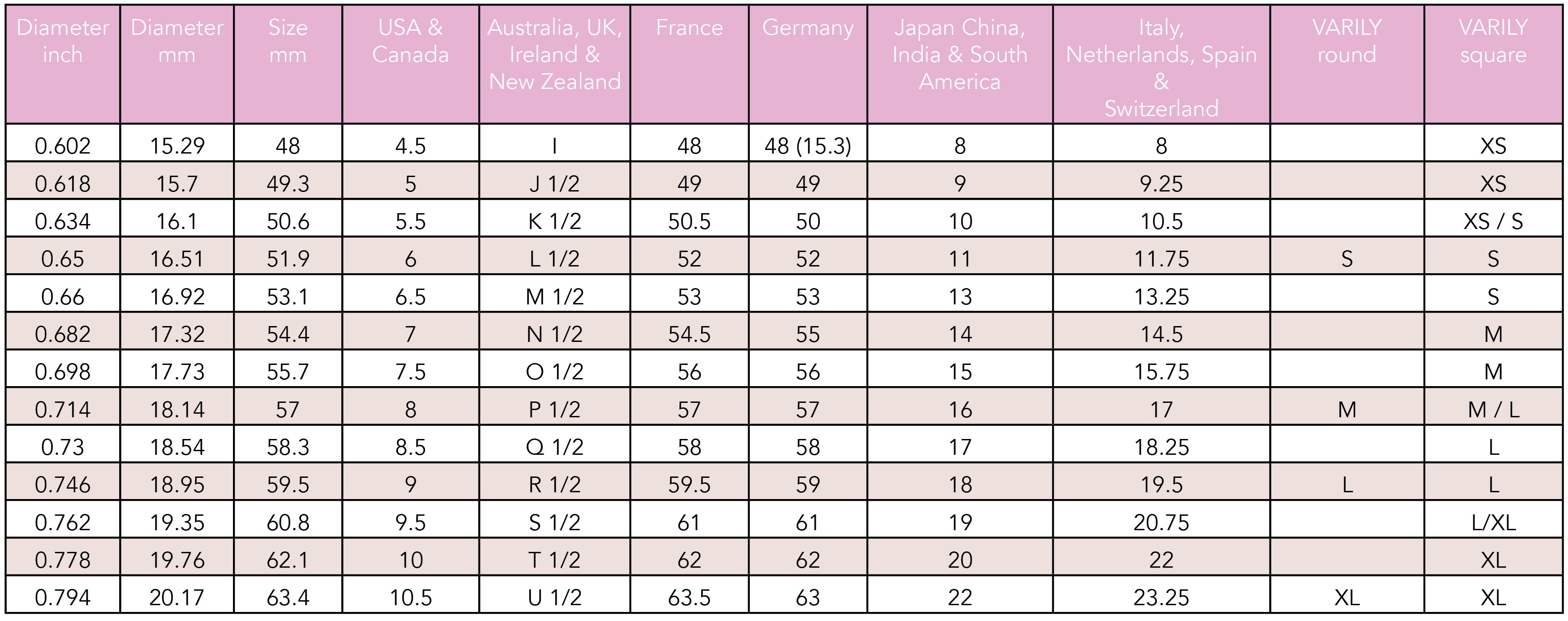
Ultimate Ring Size Conversion Chart (US, EU, UK, Asia)
This chart includes the most common sizing systems, with measurements in both inner circumference (mm) and inner diameter (mm)—the two key metrics for accurate sizing. Print it out or save it to your phone for easy reference while shopping.
|
US/Canada Size |
EU Size (Circumference mm) |
UK Size |
Japan Size |
Inner Circumference (mm) |
Inner Diameter (mm) |
|
4 |
44 |
F |
7 |
44 |
14.0 |
|
5 |
46 |
G |
9 |
46 |
14.6 |
|
6 |
49 |
J |
12 |
49 |
15.6 |
|
7 |
51 |
L |
14 |
51 |
16.2 |
|
8 |
54 |
N |
17 |
54 |
17.2 |
|
9 |
56 |
P |
19 |
56 |
17.8 |
|
10 |
59 |
R |
22 |
59 |
18.8 |
|
11 |
61 |
T |
24 |
61 |
19.4 |
|
12 |
64 |
V |
27 |
64 |
20.4 |
Pro Tip: Always prioritize inner circumference over diameter when using the chart—circumference is more accurate, as it measures how the ring wraps around your finger.

How to Measure Your Ring Size (3 Foolproof Methods)
Method 1: Use an Existing Ring (Easiest for Gifting)
If you have a ring that fits the finger perfectly (or you’re borrowing one for a gift), this method takes 2 minutes: 1) Place the ring on a ruler and measure its inner diameter (in mm) from one edge to the other. 2) Use the conversion chart above to find the matching size (e.g., a 16.2mm diameter = US size 7). 3) Double-check by measuring the inner circumference: wrap a piece of string around the inside of the ring, mark the overlap, and measure the string length in mm. Match that to the “Inner Circumference” column for confirmation.

Method 2: String or Paper Strip (No Ring Needed)
For this method, you’ll need a piece of string (or thin paper), a marker, and a ruler: 1) Wrap the string around the base of the finger where the ring will sit—make sure it’s snug but not tight (you should be able to slide a finger under it). 2) Mark the spot where the string overlaps. 3) Unwrap the string and measure the length from the start to the mark (in mm)—this is your inner circumference. 4) Find that measurement on the conversion chart to get your size. Note: Measure at the end of the day—fingers swell slightly in the morning and during exercise.

Method 3: Ring Sizer Tool (Most Accurate)
A plastic or metal ring sizer (available for $5-$10 online or at jewelry stores) is the most reliable option. These tools have a set of labeled rings (in US, EU, or UK sizes) that you slide onto your finger until you find the one that fits. To use it: 1) Slide the sizers onto the finger, starting with a larger size and working down. 2) The perfect fit should slide on easily but stay in place when you shake your hand. 3) Once you find the right sizer, use the conversion chart to translate it to other sizing systems if needed.
Common Ring Sizing Mistakes to Avoid
Mistake 1: Measuring Swollen Fingers
Fingers swell due to temperature (hot weather), exercise, salt intake, pregnancy, or even stress. Measuring a swollen finger will result in a ring that’s too big once the swelling goes down. To avoid this, measure your finger when it’s at its “normal” size—typically in the evening, after any physical activity, and away from extreme heat or cold. If you’re pregnant, wait until after delivery to size an engagement or wedding ring, as finger size can change permanently.
Mistake 2: Ignoring Finger Shape
Some fingers are wider at the knuckle than the base (called a “tapered” finger). For these, you’ll need a ring that’s loose enough to slide over the knuckle but snug enough to stay in place. To account for this, measure both the base of the finger and the knuckle. If the difference is more than 2mm, ask the jeweler for a “comfort fit” ring—these have a slightly rounded inside that slides over knuckles easier without being too loose.
Mistake 3: Using the Wrong Sizing System
Never assume a “size 7” is universal. If you’re shopping on a European website, a “size 7” might refer to EU sizing (which is 50mm circumference, not US size 7). Always check which system the retailer uses, then cross-reference with your size using the conversion chart. Most online stores list their sizing system in the product description—if not, contact customer service before buying.
FAQs About Ring Size Conversion Chart
Q: How do I convert a US ring size to EU?
A: Find your US size on the conversion chart and look at the corresponding “EU Size” column. For example, US size 6 = EU size 49, US size 8 = EU size 54. If you only have your circumference measurement (e.g., 51mm), the EU size is the same as the circumference (51mm = EU size 51).
Q: My ring size is between two sizes—should I size up or down?
A: Size up. A slightly larger ring can be adjusted with a sizing bead (a small metal bead added inside the ring to make it snug), but a ring that’s too small may not fit at all. For wide rings (6mm+), always size up—wide bands sit tighter than thin ones, even if they’re the same circumference.
Q: Do men’s and women’s ring sizes use the same conversion chart?
A: Yes! The sizing systems are gender-neutral—men’s rings just tend to fall in larger sizes (US 8-13) while women’s sizes are often smaller (US 4-9). A US size 10 is the same for a man’s wedding band and a woman’s statement ring—use the same chart for both.
Ring Size Conversion Chart: Your Go-To Guide for Perfect Fits
A ring size conversion chart turns the frustration of ring sizing into a simple, stress-free process. Whether you’re shopping online, buying a gift, or resizing an heirloom, knowing how to translate between US, EU, UK, and Asian sizes ensures your ring fits like it was made for you. Start by measuring your size with one of the methods above, cross-reference with our chart, and avoid common mistakes like measuring swollen fingers or ignoring knuckle width. Ready to find your perfect ring? Head to trusted retailers like James Allen or Blue Nile (who offer free ring sizers with orders) and use our chart to shop with confidence. If you’re still unsure, share your measurement (in mm!) in the comments below—we’ll help you find your exact size. Your next perfectly fitting ring is just a measurement away!