


A reliable ring sizing guide is essential for anyone buying rings—whether for yourself, a loved one, or as a gift. Ill-fitting rings can be uncomfortable, prone to slipping off, or too tight to wear daily. According to a survey by the Jewelry Retailers Association, 68% of online ring buyers have returned a piece due to incorrect sizing, highlighting how crucial accurate measurements are. The global engagement ring market size is estimated to reach $11 million by 2028, with a forecasted CAGR of 6.65% from 2024 to 2031. This comprehensive ring sizing guide will walk you through how to measure your ring size, decode sizing systems, troubleshoot common issues, and ensure your next ring fits perfectly, no matter the style or occasion.
Understanding Ring Sizing Systems
Global Sizing Standards
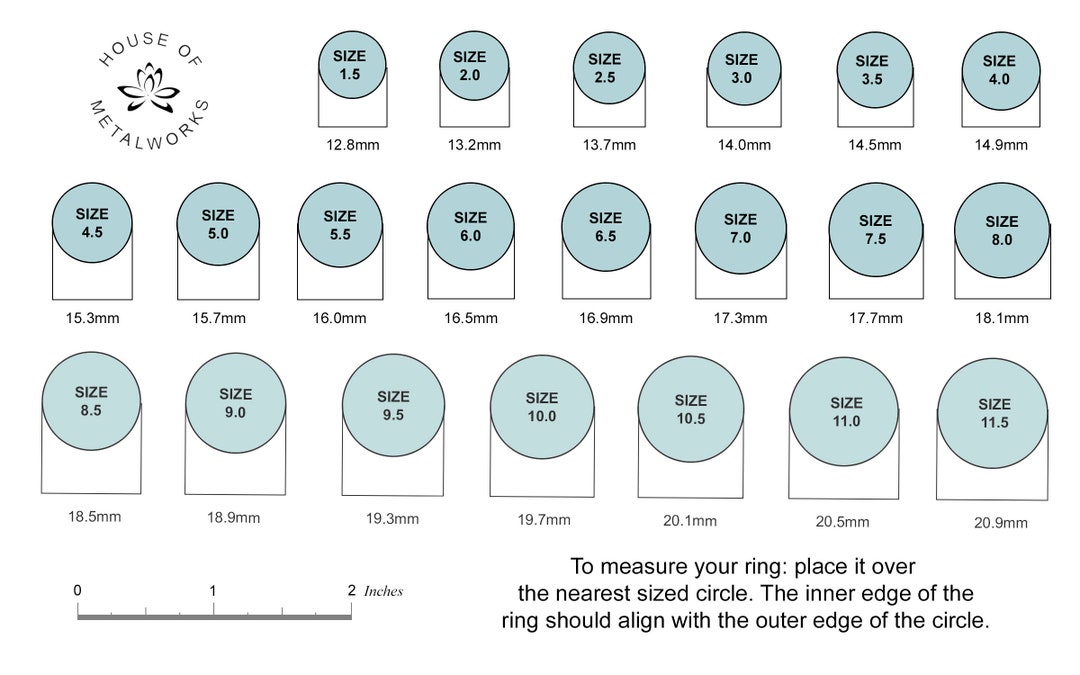
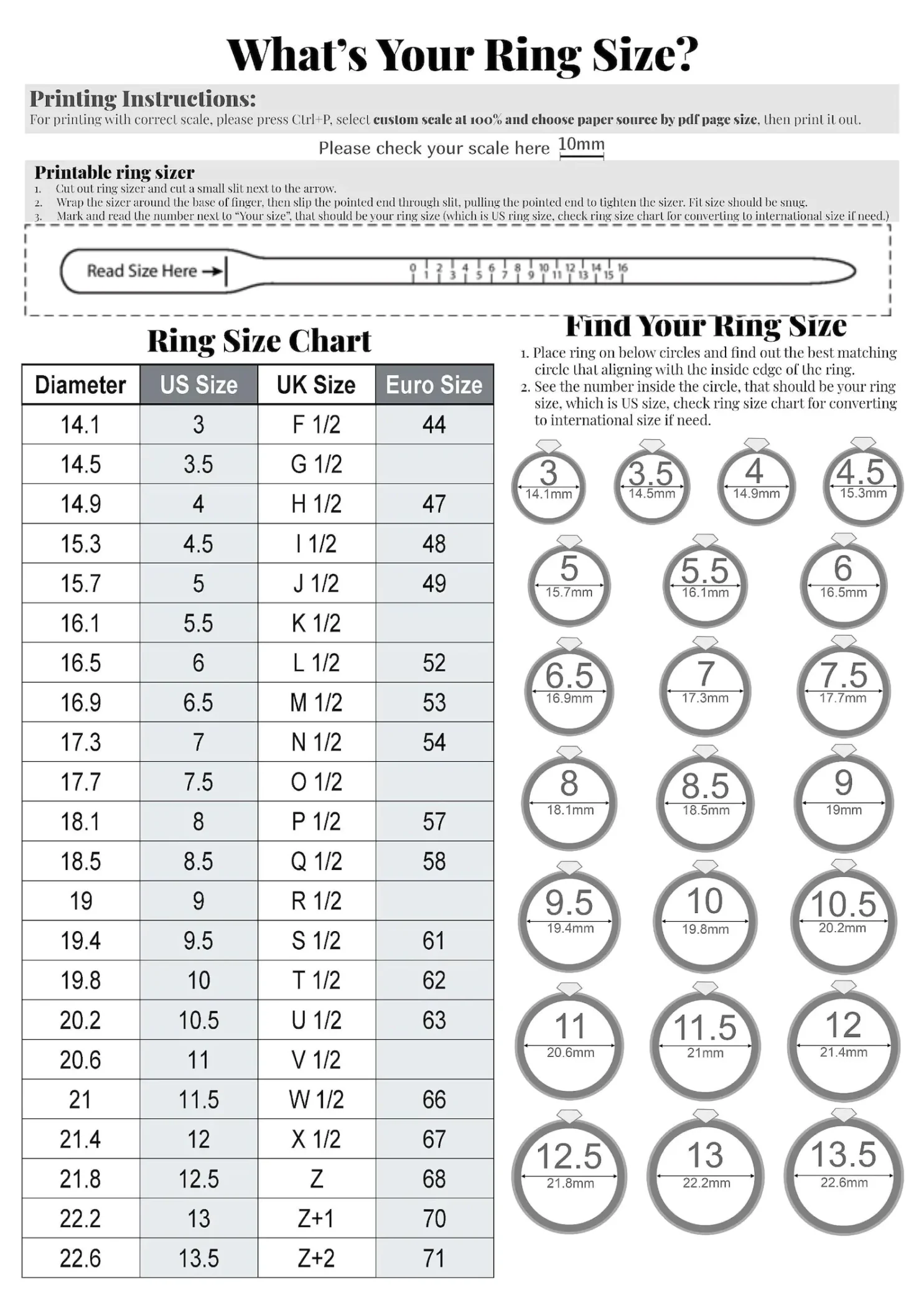
Ring sizes vary by region, with three primary systems used worldwide. The US/Canadian system uses numerical values (size 4 to 13 for women, 8 to 16 for men), where each size increases by 0.325mm in inner circumference. The European system uses millimeters (44 to 70), corresponding directly to the inner circumference of the ring. The UK system uses alphabetical letters (A to Z+), with each letter representing a specific circumference. For example, a US size 7 equals a European size 54 and a UK size N. Always cross-reference sizes when buying from international retailers.
Men’s vs. Women’s Ring Sizes
While sizing systems are universal, average ring sizes differ by gender. The average women’s ring size is US 6 to 7 (European 52 to 54), while the average men’s size is US 9 to 10 (European 59 to 61). Keep in mind these are just averages—finger size depends on factors like age, weight, and even temperature, so never assume a size based on gender alone.
How to Measure Your Ring Size at Home
Method 1: Using String or Paper Strip
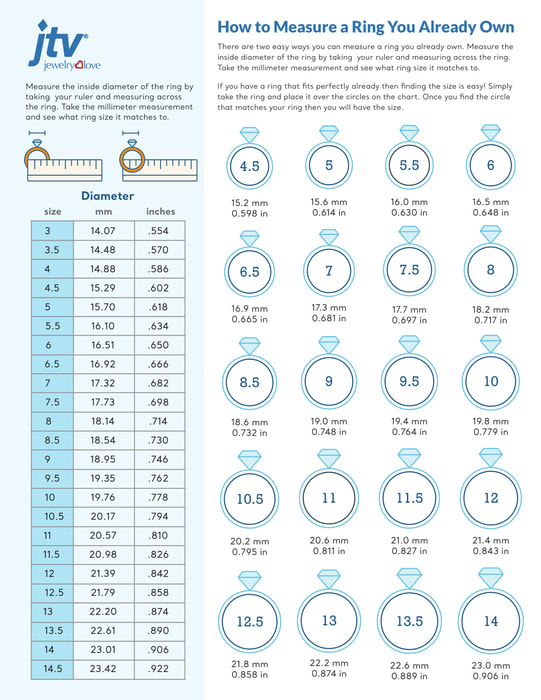
This simple method requires only string, a paper strip, a ruler, and a pen. Wrap the string or strip tightly around the base of the finger you plan to wear the ring on—ensure it’s snug but not constricting blood flow. Mark the point where the string overlaps, then measure the length with a ruler (in millimeters). Use a ring size chart to convert this measurement to your corresponding size. For example, a 54mm circumference equals a US size 7.

Method 2: Using an Existing Ring
If you already have a well-fitting ring, place it on a ruler and measure the inner diameter (from one side to the other, through the center) in millimeters. Multiply the diameter by π (3.14) to get the circumference, then match it to a size chart. Alternatively, use a ring sizer tool (available online for under $5) to quickly determine the size of your existing ring.
Pro Tips for Accurate Measurements
Measure your finger at the end of the day, as fingers tend to swell slightly throughout the day. Avoid measuring when your hands are cold (fingers shrink) or after exercise (fingers swell). If the ring is for a specific finger, measure that exact finger—each finger on the same hand can be a different size. For wide bands (3mm+), size up by 0.5 to 1 size, as they fit more snugly than thin bands.
Common Ring Sizing Mistakes to Avoid
Guessing Instead of Measuring
Guessing your ring size is the leading cause of returns. Even if you think you know your size, measurements can change over time due to weight fluctuations, pregnancy, or aging. Always measure before buying, especially for expensive or custom rings.
Ignoring Band Width
Thin bands (1-2mm) fit more loosely than wide bands (3mm+). If you’re buying a wide ring, size up slightly to ensure comfort. For example, if you wear a US size 6 in a thin band, you may need a size 6.5 for a 5mm wide band.

Measuring Swollen Fingers
Fingers swell due to heat, salt intake, exercise, or medical conditions. If your finger is swollen, wait until it returns to its normal size before measuring. Measuring a swollen finger will result in a ring that’s too loose when your finger is at rest.
Ring Sizing for Different Ring Styles
Stackable Rings
For stackable rings, ensure each ring fits comfortably together. If stacking multiple thin bands, stick to your regular size. If mixing thin and wide bands, size the wide band up by 0.5 to avoid squeezing your finger. Leave a small gap between stacked rings to prevent them from rubbing or sticking together.
Gemstone and Statement Rings
Gemstone rings with large settings or raised prongs may require a slightly larger size to fit over the knuckle. Measure both the base of your finger and your knuckle—if there’s a significant difference (2mm+), size up to ensure the ring slides on and off easily without getting stuck.
Wedding and Engagement Rings
Wedding and engagement rings are worn daily, so comfort is key. Opt for a size that fits snugly but allows you to twist the ring slightly on your finger. Avoid sizing too loosely, as engagement rings with diamonds or gemstones are at risk of falling off and getting lost.
What to Do If Your Ring Doesn’t Fit
Resizing Options
Most rings can be resized by a professional jeweler. Rings made of gold, silver, platinum, or palladium are easy to resize—jewelers can stretch or shrink the band by up to 2 sizes. However, rings with intricate designs, gemstone settings around the entire band (eternity rings), or made of titanium/tungsten cannot be resized. For these, consider exchanging for the correct size or using a ring adjuster.
Temporary Fixes with Ring Adjusters
If resizing isn’t an option, use a ring adjuster (silicone, metal, or plastic) to make the ring smaller. These small inserts fit inside the band, reducing the inner circumference without damaging the ring. Ring adjusters are ideal for temporary fixes or for rings that fit loosely in cold weather.
Ring Sizing for Gifting
Secretly Measuring Their Size
If gifting a ring, borrow one of their existing rings (that fits the intended finger) and measure it using the existing ring method. If you can’t borrow a ring, ask a family member or friend for their size, or use a “guess size” guide based on their height, weight, and gender (though this is less accurate).
Opting for Resizable or Adjustable Rings
To avoid sizing mistakes when gifting, choose adjustable rings (with open bands that can be bent to fit) or rings from retailers that offer free resizing. Many jewelry brands provide resizing services within 30 days of purchase, making it easy to adjust the size if needed.
Conclusion: Master Ring Sizing with This Guide
This ring sizing guide covers everything you need to find your perfect fit—from measuring at home to decoding global sizing systems and troubleshooting fit issues. Accurate sizing ensures your ring is comfortable, secure, and long-lasting, whether it’s a daily stackable band, an engagement ring, or a thoughtful gift. Remember to measure at the right time, account for band width, and avoid common mistakes like guessing or measuring swollen fingers.
Ready to find your perfect ring size? Grab a string, ruler, and use this guide to measure your finger today. For extra accuracy, invest in a ring sizer tool or visit a local jeweler for a professional measurement. Whether you’re shopping online or in-store, this ring sizing guide will help you shop with confidence, knowing your ring will fit perfectly on the first try. Explore our collection of rings now, and use your accurate size to find your next favorite piece!