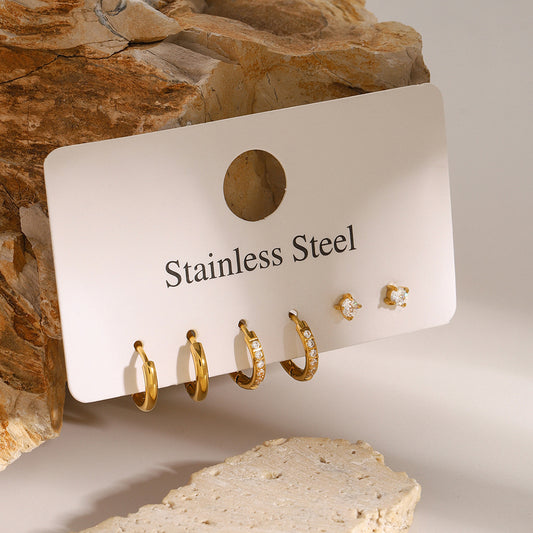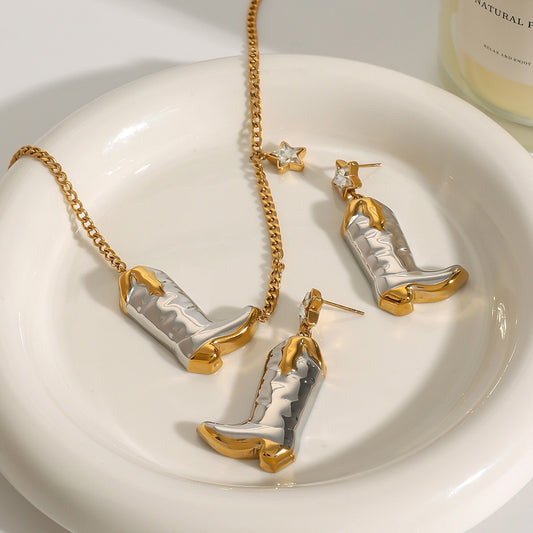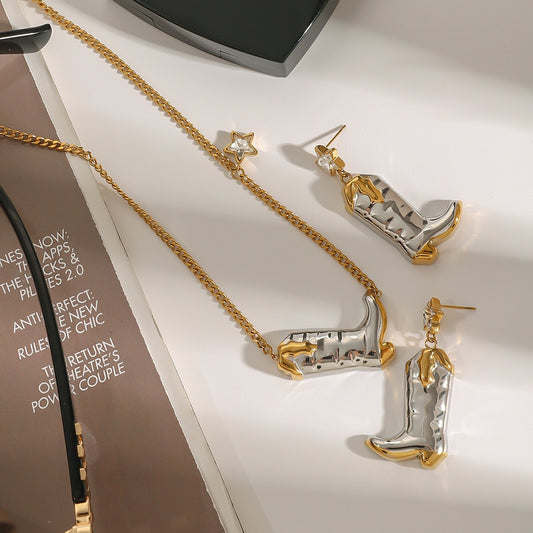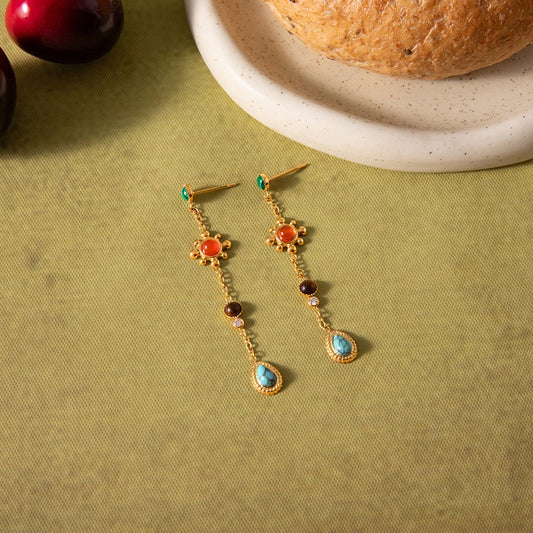




Stud Earings are a cornerstone of minimalist jewelry, with a 2024 report from the Global Jewelry Market Insights revealing that 68% of jewelry wearers consider stud earings a daily essential—outranking hoops and dangles as the most versatile accessory. The global earring market is a significant part of the larger jewelry industry, valued around $25 billion in 2023, with projections to reach $38-40 billion by 2032-2033, growing at a steady CAGR (Compound Annual Growth Rate) of about 4.9-5.3%, driven by e-commerce, personalization, and evolving consumer tastes, though specific earrings data is often nested within broader jewelry market reports. Defined by their small, sleek design and secure post-backing, stud earings blend understated elegance with unmatched practicality, making them ideal for all ages, styles, and occasions. Whether crafted from hypoallergenic titanium, sparkling gemstones, or classic gold, these pieces add subtle polish to any look without overwhelming it. From newly pierced ears to seasoned jewelry collections, stud earings remain a timeless choice for those who value simplicity and functionality. In this comprehensive guide, we’ll explore everything you need to know about stud earings, from their definition and popularity to styling, gifting, and practical care tips—all while preserving the signature spelling.
What is Stud Earings?
Definition and Core Structure
Stud Earings are a type of ear jewelry characterized by a small, decorative front piece (the “stud”) attached to a straight post that inserts through the earlobe, secured by a backing (typically butterfly, screw-on, or push-back). Unlike dangling or hoop earings, studs lie flat against the earlobe, creating a low-profile, minimalist look. The stud itself varies in design—from simple polished metal to gemstones, pearls, or intricate motifs—while the post is usually made of skin-friendly metals to ensure comfort and security. Stud earings come in sizes ranging from tiny micro-studs (2mm) to larger statement styles (10mm+), catering to diverse preferences and uses.
Key Materials for Stud Earings
Stud Earings are crafted from a wide range of materials, each offering unique benefits:
- Hypoallergenic metals: Titanium, surgical steel, and platinum are ideal for sensitive ears or newly pierced lobes, as they contain no nickel and resist irritation.
- Precious metals: 14k/18k gold and sterling silver add luxury, with gold offering warmth and silver providing a sleek, neutral tone.
- Gemstones: Cubic zirconia, diamonds, birthstones, and pearls elevate studs with sparkle or color, perfect for special occasions.
- Affordable options: Gold-plated, silver-plated, or acrylic studs offer style on a budget, though they may be less durable than solid metals.
Material choice often depends on budget, skin sensitivity, and intended use (everyday wear vs. formal events).
Stud Earings are a cornerstone of minimalist jewelry, with a 2024 report from the Global Jewelry Market Insights revealing that 68% of jewelry wearers consider stud earings a daily essential—outranking hoops and dangles as the most versatile accessory. Defined by their small, sleek design and secure post-backing, stud earings blend understated elegance with unmatched practicality, making them ideal for all ages, styles, and occasions. Whether crafted from hypoallergenic titanium, sparkling gemstones, or classic gold, these pieces add subtle polish to any look without overwhelming it. From newly pierced ears to seasoned jewelry collections, stud earings remain a timeless choice for those who value simplicity and functionality. In this comprehensive guide, we’ll explore everything you need to know about stud earings, from their definition and popularity to styling, gifting, and practical care tips—all while preserving the signature spelling.
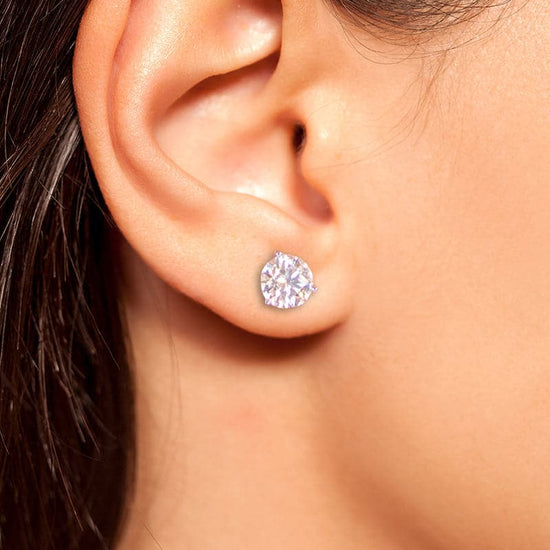
Minimalist Versatility Across Occasions
What is Stud Earings?
Comfort for All-Day Wear
The top reason for stud earings’ enduring popularity is their versatility. A simple pair transitions seamlessly from casual to formal settings—pairing with jeans and a t-shirt for errands, a business suit for work, or an evening gown for a wedding. Their low-profile design won’t distract from outfits, making them a go-to for those who prefer understated elegance. Additionally, stud earings complement all personal styles, from minimalist and bohemian to classic and edgy.
Accessibility for All Ages
Unlike bulky hoops or heavy dangles, stud earings are lightweight and lie flat against the earlobe, making them comfortable for extended wear. Many people forget they’re wearing studs even after hours of use—ideal for busy lifestyles, travel, or even sleep (though removing them at night is recommended for skin health). The secure backing also prevents snagging on clothing or hair, adding to their practicality.
Affordability and Variety
Stud Earings are suitable for everyone, from young children getting their first piercings to adults. Pediatricians and piercing studios often recommend studs for kids, as they’re safe, easy to care for, and less likely to cause injury during play. For teens and adults, studs offer a subtle way to express style without being overly flashy, making them a universal accessory.
Popular styles of Stud Earings
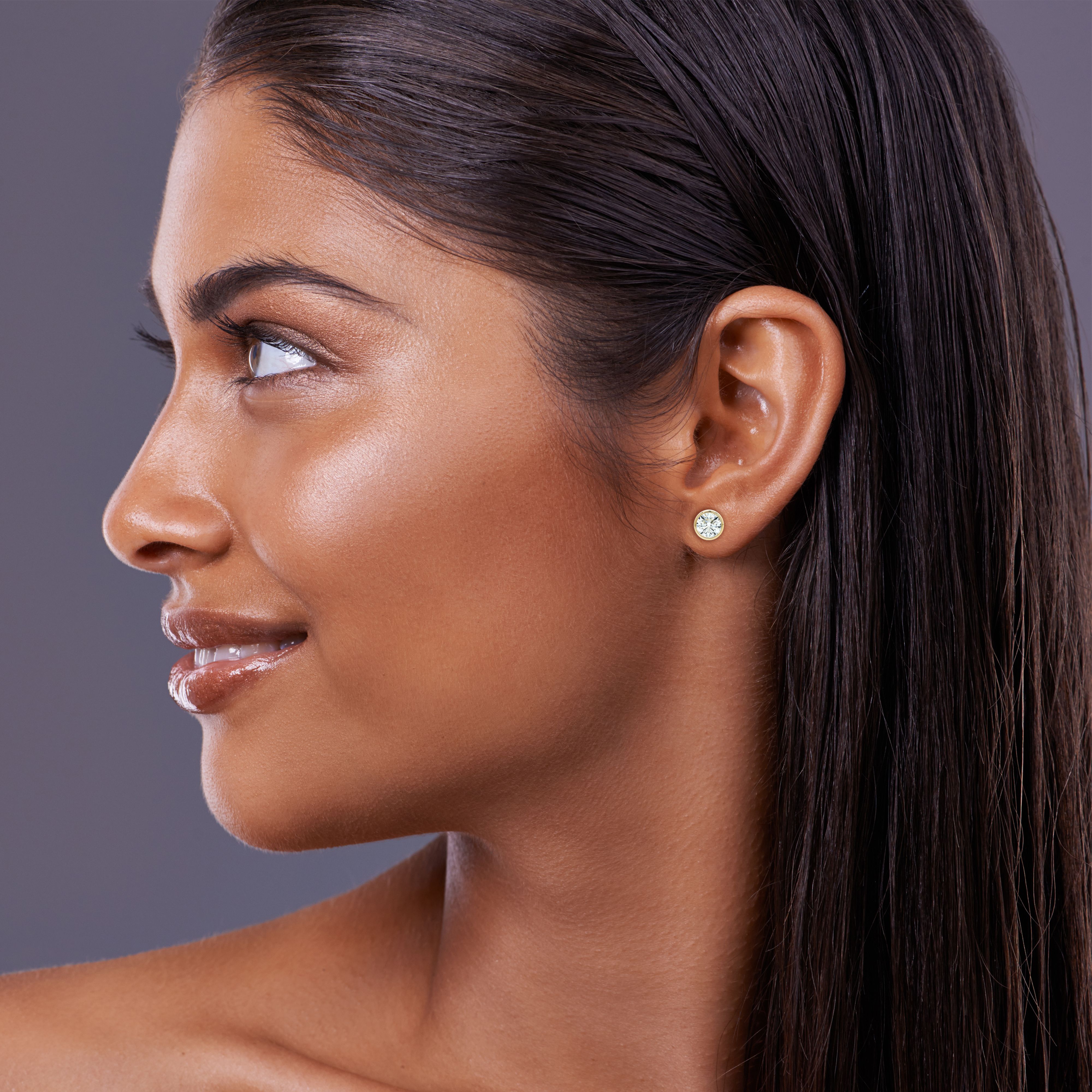
Stud Earings are available at every price point, from $5 drugstore pairs to $10,000+ diamond studs. This accessibility allows anyone to own multiple styles—building a collection of everyday basics, gemstone accents, and seasonal designs. The wide variety of materials, shapes, and sizes also means there’s a stud earring for every taste and budget.
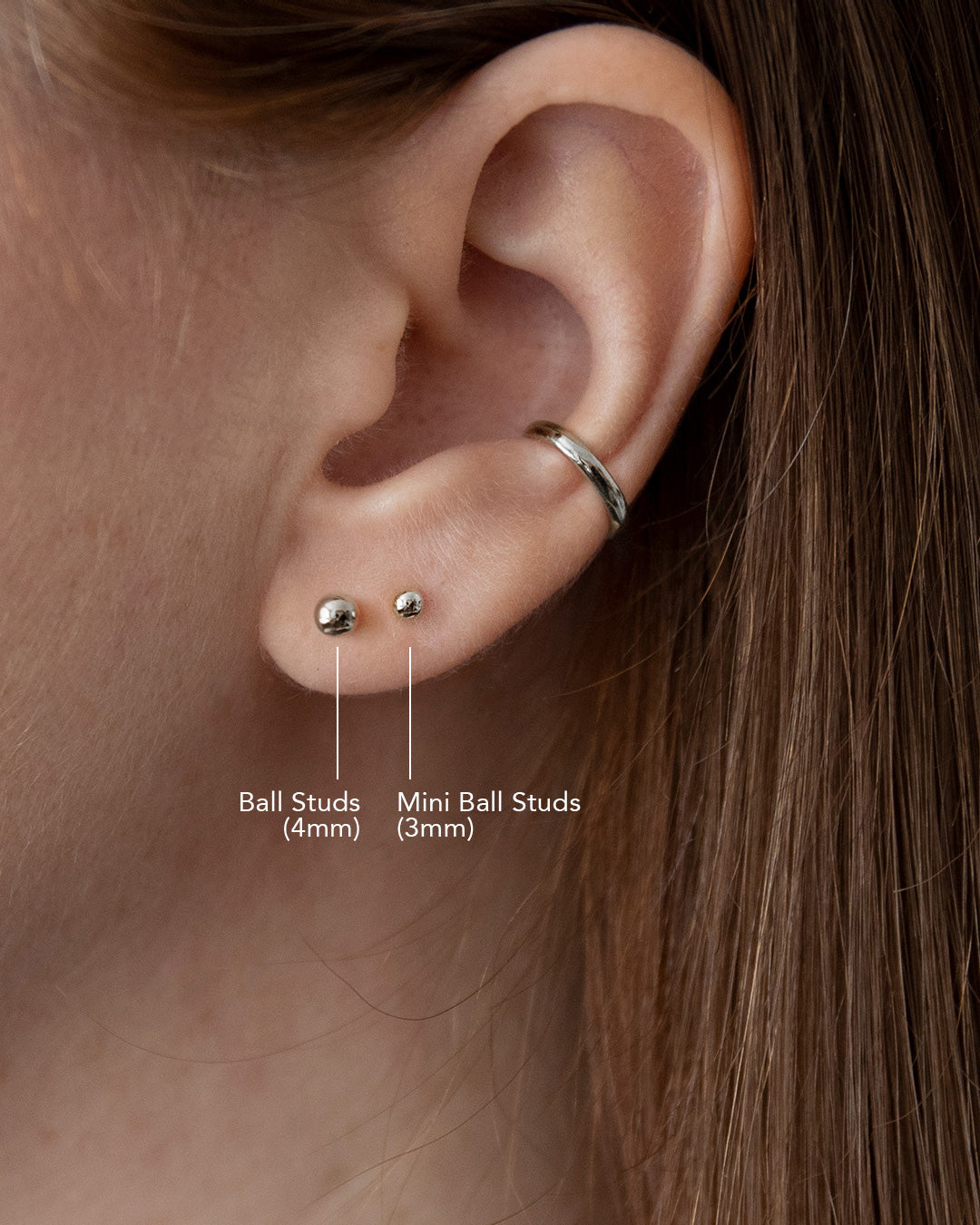
Classic metal studs are the most timeless style—featuring a smooth, polished round or square top in gold, silver, titanium, or platinum. These minimalist studs are perfect for everyday wear, work, or first piercings, as they add subtle shine without distraction. They’re also ideal for layering with other earings in multiple piercings.
Classic Metal Studs
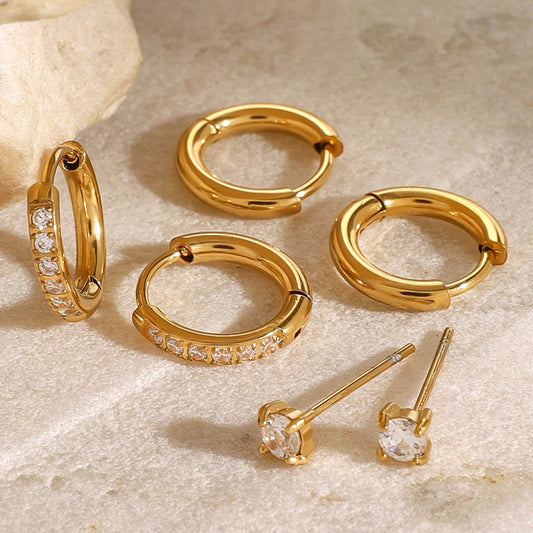
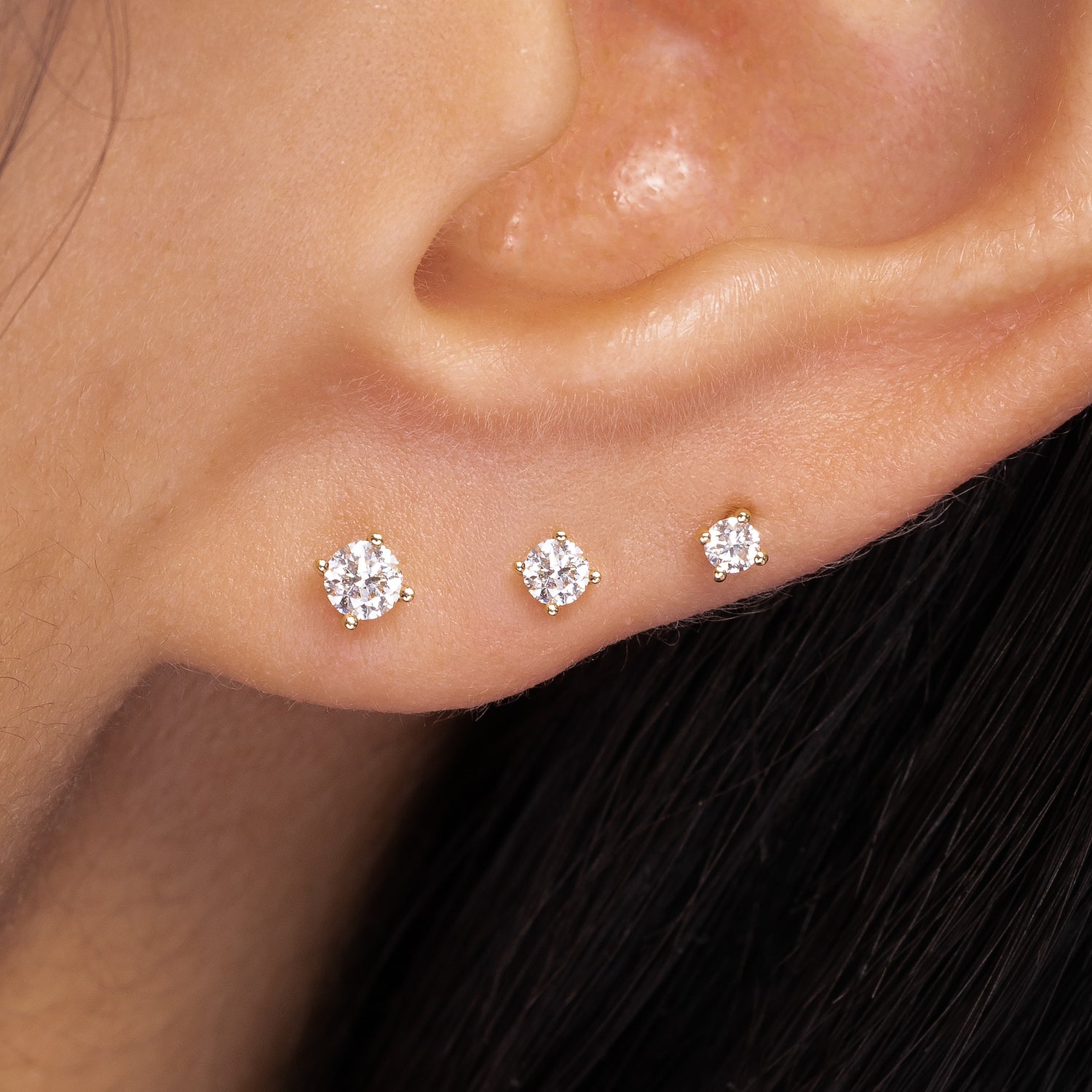
Gemstone and pearl studs add elegance and color to any look. Solitaire diamond or cubic zirconia studs are a staple for formal occasions, while birthstone studs offer a personalized touch. Pearl studs (freshwater or Akoya) exude classic femininity, pairing beautifully with dresses or business attire. These styles are popular for gifting, as they’re both meaningful and versatile.
Gemstone and Pearl Studs
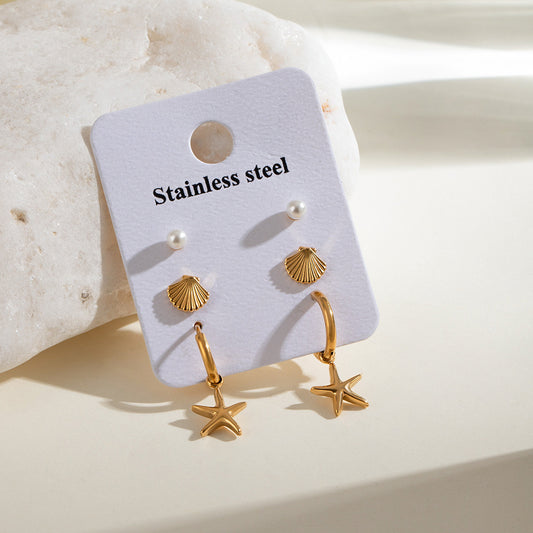
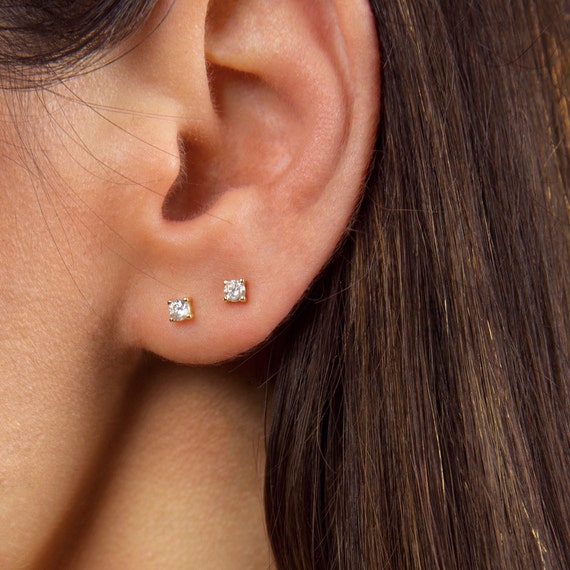
Micro-studs (2-3mm) and minimalist geometric studs (triangles, hexagons, stars) are trending for their delicate, understated look. They’re perfect for everyday wear, layering in multiple piercings, or for those who prefer subtlety. Many minimalist studs feature tiny engravings, enamel accents, or mixed metals for a unique twist on simplicity.
Micro and Minimalist Studs
For those who want to embrace studs with a bold edge, statement studs (8mm+) feature larger designs—intricate metalwork, clustered gemstones, or unique motifs (hearts, stars, animals). These studs add personality to casual outfits or serve as a focal point for formal looks, proving that studs can be both minimalist and eye-catching.
Statement Studs
Everyday Casual Styling
For everyday wear, stick to simple metal or micro-studs for an effortless look. Pair them with a white t-shirt and jeans, a sundress, or a cozy sweater for a polished yet relaxed vibe. If you have multiple ear piercings, layer small studs of different shapes (e.g., a round metal stud and a tiny pearl) for a curated, minimalist stack. Avoid overcomplicating the look—let the studs add subtle style without competing with necklaces or bracelets.
How to wear Stud Earings
Elevate formal outfits with gemstone, pearl, or diamond studs. A pair of pearl or sapphire studs complements a little black dress, evening gown, or wedding attire. For black-tie events, opt for larger solitaire gemstone studs or clustered designs to add sparkle without overpowering your ensemble. Pair with minimal other jewelry (a thin necklace or bracelet) to keep the focus on the studs and your outfit.
Why is Stud Earings so popular?
Stud Earings work beautifully in layered ear piercings. Mix and match styles across your lobes and cartilage: wear a small metal stud in your first lobe piercing, a gemstone stud in your second lobe, and a tiny micro-stud in a cartilage piercing. Stick to a cohesive color palette (e.g., all silver-tone or gold-tone) for a polished look, or add one pop of color (a birthstone stud) for personality. Avoid overcrowding—limit layered earings to 2-3 per ear to maintain a clean aesthetic.
Layering with Other Earings
Why They’re Ideal for Daughters
Stud Earings: perfect gift for your daughter
Choosing the Right Style for Your Daughter
Stud Earings are a perfect gift for daughters of all ages—from young girls getting their first piercings to teenage fashion lovers. Their hypoallergenic nature is gentle on delicate or newly pierced ears, eliminating the risk of irritation. Titanium’s durability ensures the earings can withstand active play (for younger girls) or daily wear (for teens), while the minimalist designs suit growing tastes. More than just jewelry, they’re a subtle symbol of love and milestones, growing with your daughter through childhood and adolescence.
Occasions to Gift Stud Earings
Tailor the style to your daughter’s personality and stage of life:
- Young girls (5-12): Opt for small classic polished studs or anodized colored studs (in fun hues like pink, blue, or pastels) for a playful, age-appropriate look. Avoid overly large designs that may feel heavy or cumbersome.
- Teens (13-19): Choose gemstone-embellished studs (birthstones add a personal, sentimental touch) or geometric studs for a trendy, mature style. Anodized black or navy studs work for edgier teens, while pearl studs suit those who love classic elegance.
- Personalization: Add a tiny engraved initial, birthdate, or even a small charm (like a star or heart) to make the gift one-of-a-kind, turning it into a keepsake she’ll cherish.
How to clean Stud Earings
Stud Earings make thoughtful gifts for key milestones in your daughter’s life: her first ear piercing (a gentle, memorable way to mark the moment), birthday, graduation, confirmation, or holiday. They’re also a heartfelt “just because” gift to show you notice her style and care. For younger daughters, pair the earings with a small, cute jewelry box to make the unboxing special; for teens, add a handwritten note sharing why you chose the style (e.g., “I picked these pearl studs because they’re as timeless and lovely as you are”).
Daily Cleaning Routine
Maintain your stud earings’ shine with a simple daily clean. After wearing, wipe the studs, posts, and backings with a soft microfiber cloth to remove oil, sweat, and dirt. This prevents buildup that can dull metal or cloud gemstones/pearls. For gemstone-embellished studs, gently wipe the stones with the cloth to remove fingerprints. Avoid using paper towels or rough cloths, as they can scratch metal or gem surfaces.
Deep clean your stud earings every 1-2 weeks, adjusting the method for different materials:
- Metal studs (gold, silver, titanium): Mix warm water and mild dish soap, soak for 5-10 minutes, then scrub gently with a soft-bristled toothbrush. Rinse and pat dry with a lint-free cloth.
- Gemstone studs (diamonds, cubic zirconia): Use the same soapy water method; for tough grime, add a drop of ammonia (avoid for pearls or soft stones like opal).
- Pearl studs: Wipe with a damp cloth only—avoid soaking, as water can damage the pearl’s luster and loosen its setting.
- Gold-plated/silver-plated studs: Avoid harsh cleaners; wipe with a damp cloth and dry immediately to prevent tarnishing and peeling of the plating.
Formal Occasion Styling
Safe Removal for Different Backings
How to remove ear piercing studs
Tips for Stuck or Tight Backings
Removing ear piercing studs safely prevents injury or irritation, especially for new piercings. Always wash your hands thoroughly with soap and water first to avoid introducing bacteria. Adjust the method based on the backing type:
- Butterfly backings: Hold the stud front firmly against the earlobe with one hand, then gently pull the backing away from the earlobe with the other hand. Avoid squeezing the backing too hard, as it may bend or break.
- Screw-on backings: Hold the stud front steady with one hand, then twist the backing counterclockwise until it detaches. Do not twist the post itself, as it may irritate or damage the piercing.
- Push-back backings: Gently push the backing toward the post until it slides off, keeping a firm grip on the stud front to prevent it from slipping into the piercing.
For new piercings (less than 6 months old), clean the piercing with a saline solution after removal to keep the area sanitized.
How to make ear studs
If backings are stuck (due to oil, dirt, or tightness from wear):
- Apply a small amount of baby oil, coconut oil, or jewelry lubricant to the backing and post junction to loosen it.
- Warm the earlobe slightly with a warm (not hot) washcloth for 2-3 minutes to relax the skin and reduce friction.
- Ask someone for help—having a second person hold the stud front steady while you remove the backing reduces pressure on the piercing and lowers the risk of injury.
Never force a stuck backing, as it may tear the earlobe, damage the post, or irritate the piercing. If it remains stuck after trying these tips, consult a professional piercer for safe removal.
Making your own ear studs is a fun, affordable way to create unique pieces tailored to your style. Basic supplies include:
- Earring posts with backings: Opt for hypoallergenic options (titanium or surgical steel) to avoid irritation, especially if gifting to a daughter or someone with sensitive ears.
- Adhesive: Jewelry glue, epoxy resin, or UV resin (for a quick-drying, durable hold). Avoid craft glue, as it may not be skin-safe or long-lasting.
- Decorative elements: Beads, freshwater pearls, small charms, enamel pieces, or even repurposed jewelry parts (like tiny pendants).
- Optional tools: Pliers (for adjusting charms), wire cutters, a jewelry mat (to keep supplies organized), and a UV lamp (for curing UV resin).
Most supplies are available at craft stores (Michaels, Hobby Lobby) or online (Etsy, Amazon) for under $50, making DIY studs accessible for beginners.
DIY Supplies for Beginners
Follow these steps to make basic, wearable ear studs:
1. Gather all supplies and clean each component with rubbing alcohol to remove dirt, oil, or debris—this ensures the adhesive bonds properly.
2. Apply a small, even amount of jewelry glue or resin to the flat top of the earring post (avoid over-applying, as excess may seep out).
3. Press your decorative element (bead, pearl, charm) onto the glue/resin, ensuring it’s centered and straight. Hold it in place for 30 seconds to 1 minute to set.
4. Let the glue dry completely: Jewelry glue takes 24 hours, epoxy resin takes 4-6 hours, and UV resin cures in 1-2 minutes with a UV lamp.
5. Once dry, attach the backing to the post, and your DIY studs are ready to wear or gift!
For gemstones, use a pre-made stud setting and a setting tool to secure the stone, or use epoxy resin for a seamless, professional-looking finish.
Simple Step-by-Step Guide
Online Retailers
Where can i buy ear piercing studs
Brick-and-Mortar Stores
Online retailers offer a wide selection of ear piercing studs, with the convenience of shopping from home and reading customer reviews. Reputable options include:
- Amazon: Affordable, diverse styles (hypoallergenic, gemstone, metal) from brands like BodyJ4You and Surgical Steel Shop—great for everyday wear and new piercings.
- Etsy: Handmade, unique studs from independent artisans—perfect for personalized or one-of-a-kind pieces (engraved, custom birthstone, or DIY-inspired designs).
- Specialty sites: Body Candy, Piercing Pagoda, and Urban Body Jewelry specialize in piercing-safe, hypoallergenic studs ideal for new piercings, with detailed material descriptions.
- Designer brands: For luxury options, sites like Nordstrom or Saks Fifth Avenue carry gold, diamond, and pearl studs from brands like Tiffany & Co. and Mejuri.
Look for retailers that specify “nickel-free” and “hypoallergenic” in product descriptions, and check return policies for size or fit issues.
Why do you have to wear studs after ear piercing?
Physical stores let you see and feel ear piercing studs in person, ensuring the size, style, and fit are just right. Jewelry stores like Kay Jewelers, Zales, and local independent boutiques carry a range of styles, from affordable silver studs to mid-range gemstone pieces. Piercing studios are the best option for new piercings—they stock high-quality, hypoallergenic studs (titanium, surgical steel) and can recommend styles based on your piercing type (lobe vs. cartilage). Many studios also offer piercing services, so you can get pierced and pick out your studs in one visit. Department stores like Macy’s and Target also carry budget-friendly studs for everyday wear.
Wearing studs after an ear piercing is crucial for proper healing, as recommended by the American Academy of Dermatology. Studs are low-profile and lie flat against the earlobe, reducing the risk of snagging, pulling, or tearing—common issues with hoops or dangles that can delay healing or cause infection. Their smooth, straight post minimizes friction with the new piercing, allowing the skin to heal around the jewelry without irritation. Unlike other earring styles, studs also prevent bacteria from getting trapped against the piercing, as they don’t have crevices or moving parts.
Healing and Safety Benefits
Piercing professionals advise wearing studs for 6-8 weeks for lobe piercings and 3-6 months for cartilage piercings—this gives the piercing time to fully heal and form a stable fistula (the small tunnel of skin around the post). During this healing period, opt for hypoallergenic materials (titanium, surgical steel) to avoid allergic reactions that can prolong healing. Never change the studs before the healing period ends, as this can introduce bacteria, disrupt the healing process, and even cause the piercing to close. Clean the piercing and studs daily with a saline solution to prevent infection and promote healthy healing.
Duration and Best Practices
Stud Earings are more than just a jewelry accessory—they’re a minimalist staple that adapts to every lifestyle, occasion, and age. From everyday casual wear to heartfelt gifts for your daughter, studs offer endless possibilities for subtle style and sentiment. Their practicality, versatility, and timeless design make them a must-have in any jewelry collection, while their accessibility ensures everyone can find a pair that fits their budget and taste. With proper care, removal, and maintenance, stud earings will remain a cherished part of your jewelry collection for years, growing with you through life’s milestones.
Conclusion: Embrace Minimalist Style with Stud Earings
Ready to find your perfect pair of Stud Earings, or need help creating DIY designs for your daughter? Share your preferences—whether you’re looking for hypoallergenic options, gift ideas, or piercing-safe styles—in the comments below, and we’ll help you narrow down your choices! For more jewelry styling tips, care guides, and DIY ideas, subscribe to our newsletter to stay updated on the latest Stud Earings trends.
Deep Cleaning Based on Materials
Definition and Core Structure
Stud Earings are a type of ear jewelry characterized by a small, decorative front piece (the “stud”) attached to a straight post that inserts through the earlobe, secured by a backing (typically butterfly, screw-on, or push-back). Unlike dangling or hoop earings, studs lie flat against the earlobe, creating a low-profile, minimalist look. The stud itself varies in design—from simple polished metal to gemstones, pearls, or intricate motifs—while the post is usually made of skin-friendly metals to ensure comfort and security. Stud earings come in sizes ranging from tiny micro-studs (2mm) to larger statement styles (10mm+), catering to diverse preferences and uses.
Key Materials for Stud Earings
Stud Earings are crafted from a wide range of materials, each offering unique benefits:
- Hypoallergenic metals: Titanium, surgical steel, and platinum are ideal for sensitive ears or newly pierced lobes, as they contain no nickel and resist irritation.
- Precious metals: 14k/18k gold and sterling silver add luxury, with gold offering warmth and silver providing a sleek, neutral tone.
- Gemstones: Cubic zirconia, diamonds, birthstones, and pearls elevate studs with sparkle or color, perfect for special occasions.
- Affordable options: Gold-plated, silver-plated, or acrylic studs offer style on a budget, though they may be less durable than solid metals.
Material choice often depends on budget, skin sensitivity, and intended use (everyday wear vs. formal events).
Why is Stud Earings so popular?
Minimalist Versatility Across Occasions
The top reason for stud earings’ enduring popularity is their versatility. A simple pair transitions seamlessly from casual to formal settings—pairing with jeans and a t-shirt for errands, a business suit for work, or an evening gown for a wedding. Their low-profile design won’t distract from outfits, making them a go-to for those who prefer understated elegance. Additionally, stud earings complement all personal styles, from minimalist and bohemian to classic and edgy.
Comfort for All-Day Wear
Unlike bulky hoops or heavy dangles, stud earings are lightweight and lie flat against the earlobe, making them comfortable for extended wear. Many people forget they’re wearing studs even after hours of use—ideal for busy lifestyles, travel, or even sleep (though removing them at night is recommended for skin health). The secure backing also prevents snagging on clothing or hair, adding to their practicality.
Accessibility for All Ages
Stud Earings are suitable for everyone, from young children getting their first piercings to adults. Pediatricians and piercing studios often recommend studs for kids, as they’re safe, easy to care for, and less likely to cause injury during play. For teens and adults, studs offer a subtle way to express style without being overly flashy, making them a universal accessory.
Affordability and Variety
Stud Earings are available at every price point, from $5 drugstore pairs to $10,000+ diamond studs. This accessibility allows anyone to own multiple styles—building a collection of everyday basics, gemstone accents, and seasonal designs. The wide variety of materials, shapes, and sizes also means there’s a stud earring for every taste and budget.
Popular styles of Stud Earings
Classic Metal Studs
Classic metal studs are the most timeless style—featuring a smooth, polished round or square top in gold, silver, titanium, or platinum. These minimalist studs are perfect for everyday wear, work, or first piercings, as they add subtle shine without distraction. They’re also ideal for layering with other earings in multiple piercings.
Gemstone and Pearl Studs
Gemstone and pearl studs add elegance and color to any look. Solitaire diamond or cubic zirconia studs are a staple for formal occasions, while birthstone studs offer a personalized touch. Pearl studs (freshwater or Akoya) exude classic femininity, pairing beautifully with dresses or business attire. These styles are popular for gifting, as they’re both meaningful and versatile.
Micro and Minimalist Studs
Micro-studs (2-3mm) and minimalist geometric studs (triangles, hexagons, stars) are trending for their delicate, understated look. They’re perfect for everyday wear, layering in multiple piercings, or for those who prefer subtlety. Many minimalist studs feature tiny engravings, enamel accents, or mixed metals for a unique twist on simplicity.
Statement Studs
For those who want to embrace studs with a bold edge, statement studs (8mm+) feature larger designs—intricate metalwork, clustered gemstones, or unique motifs (hearts, stars, animals). These studs add personality to casual outfits or serve as a focal point for formal looks, proving that studs can be both minimalist and eye-catching.
How to wear Stud Earings
Everyday Casual Styling
For everyday wear, stick to simple metal or micro-studs for an effortless look. Pair them with a white t-shirt and jeans, a sundress, or a cozy sweater for a polished yet relaxed vibe. If you have multiple ear piercings, layer small studs of different shapes (e.g., a round metal stud and a tiny pearl) for a curated, minimalist stack. Avoid overcomplicating the look—let the studs add subtle style without competing with necklaces or bracelets.
Formal Occasion Styling
Elevate formal outfits with gemstone, pearl, or diamond studs. A pair of pearl or sapphire studs complements a little black dress, evening gown, or wedding attire. For black-tie events, opt for larger solitaire gemstone studs or clustered designs to add sparkle without overpowering your ensemble. Pair with minimal other jewelry (a thin necklace or bracelet) to keep the focus on the studs and your outfit.
Layering with Other Earings
Stud Earings work beautifully in layered ear piercings. Mix and match styles across your lobes and cartilage: wear a small metal stud in your first lobe piercing, a gemstone stud in your second lobe, and a tiny micro-stud in a cartilage piercing. Stick to a cohesive color palette (e.g., all silver-tone or gold-tone) for a polished look, or add one pop of color (a birthstone stud) for personality. Avoid overcrowding—limit layered earings to 2-3 per ear to maintain a clean aesthetic.
Stud Earings: perfect gift for your daughter
Why They’re Ideal for Daughters
Stud Earings are a perfect gift for daughters of all ages—from young girls getting their first piercings to teenage fashion lovers. Their hypoallergenic nature is gentle on delicate or newly pierced ears, eliminating the risk of irritation. Titanium’s durability ensures the earings can withstand active play (for younger girls) or daily wear (for teens), while the minimalist designs suit growing tastes. Additionally, stud earings are affordable, so you can gift a quality piece without overspending.
Choosing the Right Style for Your Daughter
Tailor the style to your daughter’s personality:
- Young girls (5-12): Opt for small classic polished studs or anodized colored studs (in fun hues like pink or blue) for a playful, age-appropriate look.
- Teens (13-19): Choose gemstone-embellished studs (birthstones are a personal touch) or geometric studs for a trendy, mature style. Anodized black or blue studs are popular for edgier teens.
- Personalization: Add a birthstone or a small engraved detail (like her initial) to make the gift extra special and sentimental.
Occasions to Gift Stud Earings
Stud Earings make thoughtful gifts for key milestones in your daughter’s life: first ear piercing, birthday, graduation, confirmation, or holiday. They’re also a great “just because” gift to show you care. For younger daughters, pair the earings with a small jewelry box; for teens, add a handwritten note explaining why you chose the style (e.g., “I wanted you to have earings that are comfortable and stylish, just like you”).
How to clean Stud Earings
Daily Cleaning Routine
Maintain your stud earings’ shine with a simple daily clean. After wearing, wipe the studs, posts, and backings with a soft microfiber cloth to remove oil, sweat, and dirt. This prevents buildup that can dull metal or cloud gemstones/pearls. For gemstone-embellished studs, gently wipe the stones with the cloth to remove fingerprints. Avoid using paper towels or rough cloths, as they can scratch metal or gem surfaces.
Deep Cleaning Based on Materials
Deep clean your stud earings every 1-2 weeks, adjusting the method for different materials:
- Metal studs (gold, silver, titanium): Mix warm water and mild dish soap, soak for 5-10 minutes, then scrub gently with a soft-bristled toothbrush. Rinse and pat dry.
- Gemstone studs (diamonds, cubic zirconia): Use the same soapy water method; for tough grime, add a drop of ammonia (avoid for pearls or soft stones).
- Pearl studs: Wipe with a damp cloth only—avoid soaking, as water can damage pearls.
- Gold-plated/silver-plated studs: Avoid harsh cleaners; wipe with a damp cloth and dry immediately to prevent tarnishing.
How to remove ear piercing studs
Safe Removal for Different Backings
Removing ear piercing studs safely prevents injury or irritation, especially for new piercings. Adjust the method based on the backing type:
- Butterfly backings: Hold the stud front with one hand, then gently pull the backing away from the earlobe with the other hand. Avoid squeezing the backing too hard, as it may bend.
- Screw-on backings: Hold the stud front steady, then twist the backing counterclockwise until it detaches. Do not twist the post, as it may irritate the piercing.
- Push-back backings: Gently push the backing toward the post until it slides off, holding the stud front to keep it in place.
For new piercings (less than 6 months old), wash your hands thoroughly before removal and clean the piercing afterward to prevent infection.
Tips for Stuck or Tight Backings
If backings are stuck (due to oil, dirt, or tightness):
- Apply a small amount of baby oil or lubricant to the backing to loosen it.
- Warm the earlobe slightly with a warm washcloth to relax the skin (avoid hot temperatures).
- Ask someone for help—having a second person hold the stud front while you remove the backing reduces pressure on the piercing.
Never force a stuck backing, as it may tear the earlobe or damage the post. If it remains stuck, consult a piercing professional.
How to make ear studs
DIY Supplies for Beginners
Making your own ear studs is a fun, affordable way to create unique pieces. Basic supplies include:
- Earring posts with backings (hypoallergenic options are best for sensitive ears).
- Adhesive (jewelry glue, epoxy resin) or setting tools (for gemstones).
- Decorative elements: Beads, pearls, small charms, enamel pieces, or repurposed jewelry parts.
- Optional tools: Pliers, wire cutters, and a jewelry mat for organization.
Most supplies are available at craft stores or online (Etsy, Amazon) for under $50, making DIY studs accessible for beginners.
Simple Step-by-Step Guide
Follow these steps to make basic ear studs:
1. Gather your supplies and clean all components to remove dirt or oil.
2. Apply a small amount of jewelry glue to the flat top of the earring post.
3. Press your decorative element (bead, charm, pearl) onto the glue, ensuring it’s centered and secure.
4. Let the glue dry completely (follow product instructions—typically 24 hours).
5. Attach the backing to the post, and your DIY studs are ready to wear!
For gemstones, use a setting tool to secure the stone in a pre-made stud setting, or use epoxy resin for a durable hold.
Where can i buy ear piercing studs
Online Retailers
Online retailers offer a wide selection of ear piercing studs, with the convenience of shopping from home. Reputable options include:
- Amazon: Affordable, diverse styles (hypoallergenic, gemstone, metal) with customer reviews.
- Etsy: Handmade, unique studs from independent artisans—perfect for personalized or one-of-a-kind pieces.
- Specialty sites: Body Candy, Piercing Pagoda for piercing-safe, hypoallergenic studs ideal for new piercings.
Look for retailers that specify “nickel-free” and “hypoallergenic” in product descriptions, and check return policies for size or fit issues.
Brick-and-Mortar Stores
Physical stores let you see and feel ear piercing studs in person before purchasing. Jewelry stores like Kay Jewelers, Zales, and local independent boutiques carry a range of styles, from affordable to mid-range. Piercing studios are also a great option—they specialize in jewelry for new piercings and can recommend high-quality, hypoallergenic studs. In-store staff can help you find the right size and style, and many offer piercing services if you’re getting new ears pierced.
Why do you have to wear studs after ear piercing?
Healing and Safety Benefits
Wearing studs after an ear piercing is crucial for proper healing, as recommended by the American Academy of Dermatology. Studs are low-profile and lie flat against the earlobe, reducing the risk of snagging, pulling, or irritation that can delay healing or cause infection. Their smooth post minimizes friction with the new piercing, allowing the skin to heal around the jewelry without damage.
Duration and Best Practices
Piercing professionals advise wearing studs for 6-8 weeks (for lobe piercings) and 3-6 months (for cartilage piercings) to ensure full healing. During this time, opt for hypoallergenic materials (titanium, surgical steel) to avoid allergic reactions. Avoid changing the studs before the healing period ends, as this can introduce bacteria and disrupt the healing process. Clean the piercing and studs daily to prevent infection and promote healing.
Conclusion: Embrace Minimalist Style with Stud Earings
Stud Earings are more than just a jewelry accessory—they’re a minimalist staple that adapts to every lifestyle, occasion, and age. From everyday casual wear to heartfelt gifts for your daughter, studs offer endless possibilities for subtle style and sentiment. With proper care, removal, and maintenance, stud earings will remain a cherished part of your jewelry collection for years. Whether you’re wearing classic metal studs, DIY creations, or gemstone accents, these understated pieces prove that simplicity is always in style.
Ready to find your perfect pair of Stud Earings, or need help creating DIY designs for your daughter? Share your preferences—whether you’re looking for hypoallergenic options, gift ideas, or piercing-safe styles—in the comments below, and we’ll help you narrow down your choices! For more jewelry styling tips, care guides, and DIY ideas, subscribe to our newsletter to stay updated on the latest Stud Earings trends.