


Pearls, often called the "queen of gems," have captivated humanity for centuries with their soft luster and timeless elegance. But not all pearls are created equal—understanding the different types of pearls is key to finding the one that matches your style, budget, and occasion. The Pearl Jewellery industry is projected to grow from 22.81 USD Billion in 2025 to 83.11 USD Billion by 2035. From the rare and luxurious to the accessible and versatile, each type has unique characteristics that make it special. Let’s dive into the fascinating world of pearls and explore the most popular types available today.

1. Akoya Pearls: The Classic Cultured Pearls
Akoya pearls are the epitome of classic pearl beauty, often what comes to mind when people think of "pearls." Cultivated primarily in Japan (and increasingly in China), these pearls are grown in the Akoya oyster, a small saltwater oyster that produces pearls with exceptional luster and a round shape—one of their most defining features. Most Akoya pearls range from 6mm to 9mm in size, making them perfect for delicate jewelry like stud earrings, tennis bracelets, or dainty necklaces.
Their color palette is subtle, typically white or cream with rose, silver, or cream overtones. The high luster of Akoya pearls (often referred to as "orient") gives them a sharp, reflective glow that sets them apart. If you’re looking for a timeless, elegant piece that never goes out of style, Akoya pearls are an excellent choice. They’re also a popular option for bridal jewelry, adding a touch of sophistication to any wedding look.
2. South Sea Pearls: The Rare Luxury
South Sea pearls are among the rarest and most valuable types of pearls, cultivated in the warm waters of the South Pacific (Australia, Indonesia, the Philippines). Grown in the large Pinctada maxima oyster, these pearls are known for their impressive size—ranging from 9mm to 20mm or more—and their thick, iridescent nacre. The nacre layer of South Sea pearls is significantly thicker than other types, which contributes to their exceptional luster and durability.
What makes South Sea pearls truly unique is their color range. They come in two main varieties: white South Sea pearls (with white, cream, or silver overtones) and golden South Sea pearls (in shades of champagne, yellow, or deep gold). The golden variety, in particular, is highly sought after for its rich, warm hue. Due to their rarity and size, South Sea pearls are often featured in high-end, statement jewelry pieces like pendant necklaces, bold earrings, or pearl strands for special occasions.

3. Tahitian Pearls: The Exotic Black Pearls
Tahitian pearls, also known as black pearls, are the exotic gems of the pearl world. Contrary to popular belief, they aren’t actually black—instead, they boast a stunning range of natural colors, including peacock (deep green with purple overtones), aubergine (rich purple), charcoal, and even silver-gray. Cultivated in the waters around French Polynesia (Tahiti), these pearls are grown in the Pinctada margaritifera oyster, a large saltwater oyster that thrives in the region’s nutrient-rich waters.
Tahitian pearls range in size from 8mm to 18mm, with a thick nacre layer that gives them a deep, velvety luster. Their unique coloration makes them a favorite for bold, modern jewelry designs. They pair beautifully with both gold and silver settings and are perfect for adding a touch of drama to evening wear or everyday outfits. Whether you opt for a single Tahitian pearl pendant or a strand of mixed hues, these pearls are sure to turn heads.
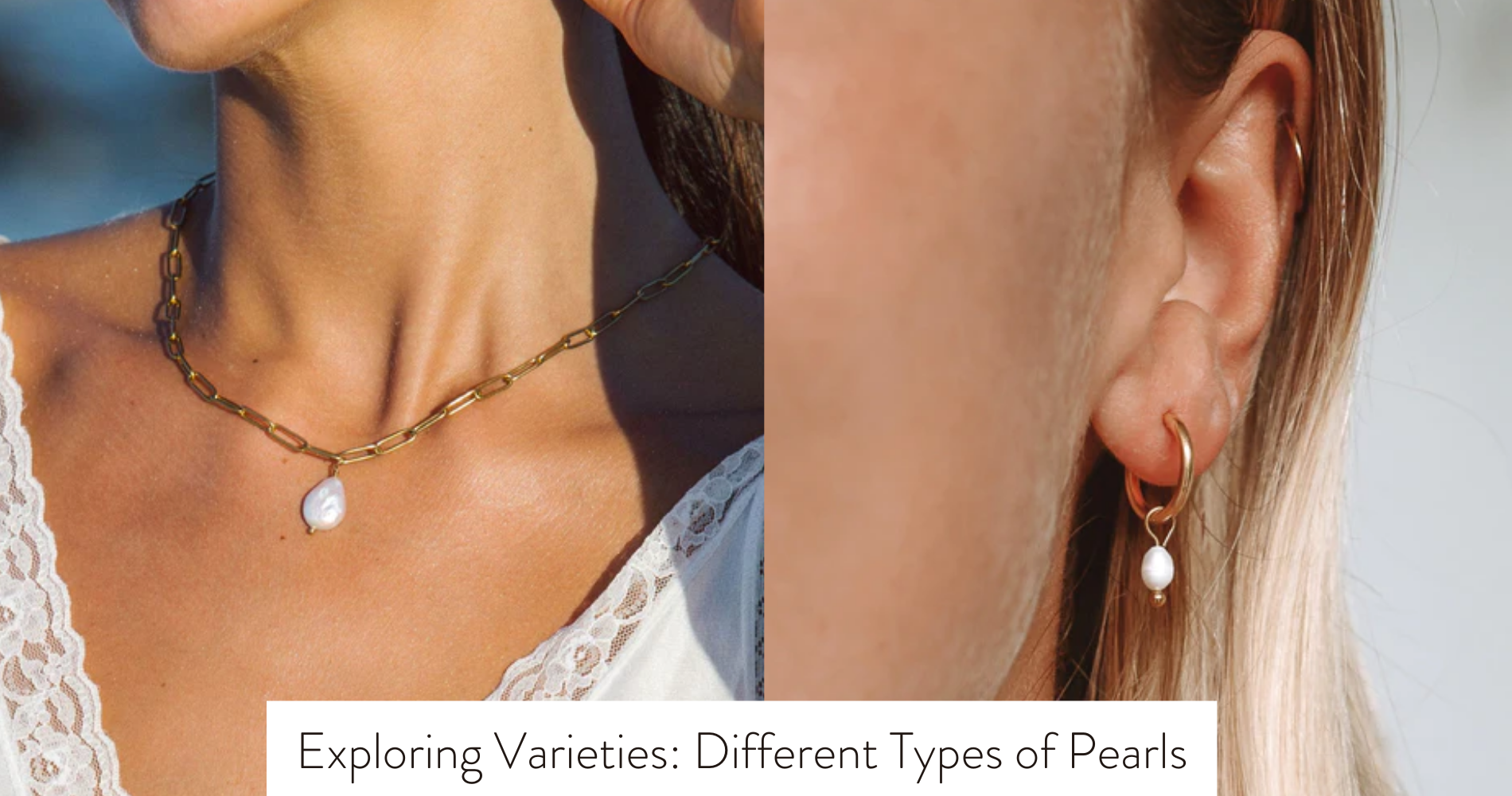
4. Freshwater Pearls: The Versatile and Accessible Choice
Freshwater pearls are the most accessible and versatiletypes of pearls, cultivated in freshwater lakes, rivers, and ponds (primarily in China). Grown in mussels (rather than oysters), these pearls are known for their wide variety of shapes, sizes, and colors—making them a popular choice for creative, affordable jewelry.
Unlike saltwater pearls, which are typically round, freshwater pearls come in a range of shapes, including oval, button, drop, baroque (irregular), and even keshi (small, seed-like pearls). Their size ranges from 2mm to 16mm, and their colors include white, cream, pink, lavender, peach, and even metallic shades. Freshwater pearls have a soft, satiny luster that gives them a romantic, delicate appearance.
One of the biggest advantages of freshwater pearls is their affordability. Since a single mussel can produce multiple pearls, they’re more readily available than saltwater varieties. This makes them a great option for everyday jewelry, gifts, or experimenting with pearl trends (like layered pearl necklaces or pearl-embellished accessories). Despite their lower price point, high-quality freshwater pearls can rival the beauty of saltwater pearls, especially in terms of luster and nacre quality.
5. Keshi Pearls: The Accidental Treasures
Keshi pearls are a unique type of pearl that forms accidentally during the culturing process. When the nucleus (the small bead inserted into an oyster/mussel to start pearl growth) is rejected, the oyster/mussel continues to secrete nacre, forming a small, irregular pearl—this is a Keshi pearl. They can be found in both saltwater (Akoya, Tahitian, South Sea) and freshwater environments.
Keshi pearls are known for their small size (usually 2mm to 8mm) and their intense luster—since they’re made entirely of nacre (no nucleus), their glow is often brighter and more iridescent than other pearls. Their irregular shapes make each Keshi pearl one-of-a-kind, perfect for bohemian or artisanal jewelry designs. They’re also a sustainable choice, as they’re a byproduct of the culturing process and don’t require additional resources to grow.

How to Choose the Right Type of Pearl for You
With so many types of pearls to choose from, it can be overwhelming to decide which one is right for you. Here are a few tips to help you narrow down your options:
-
Budget: Freshwater and Akoya pearls are more affordable, while South Sea and Tahitian pearls are luxury investments.
-
Style: Classic styles (studs, tennis bracelets) pair well with Akoya pearls; bold, modern looks suit Tahitian pearls; romantic, bohemian styles work with freshwater or Keshi pearls.
-
Occasion: For weddings or formal events, South Sea or Akoya pearls are ideal; for everyday wear, freshwater pearls are practical and stylish.
-
Color Preference: If you love warm tones, golden South Sea pearls or peach freshwater pearls are great; for cool tones, silver Akoya or Tahitian peacock pearls are perfect.

Final Thoughts on Types of Pearls
Each type of pearl has its own unique charm and appeal, from the classic elegance of Akoya pearls to the exotic beauty of Tahitian pearls, the luxury of South Sea pearls, the versatility of freshwater pearls, and the uniqueness of Keshi pearls. No matter which type you choose, pearls are a timeless accessory that adds grace and sophistication to any wardrobe.
When shopping for pearls, always look for high-quality nacre (thick and iridescent), luster (bright and reflective), and minimal blemishes. And remember—there’s no "best" type of pearl; the perfect pearl is the one that speaks to your personal style and makes you feel beautiful.


