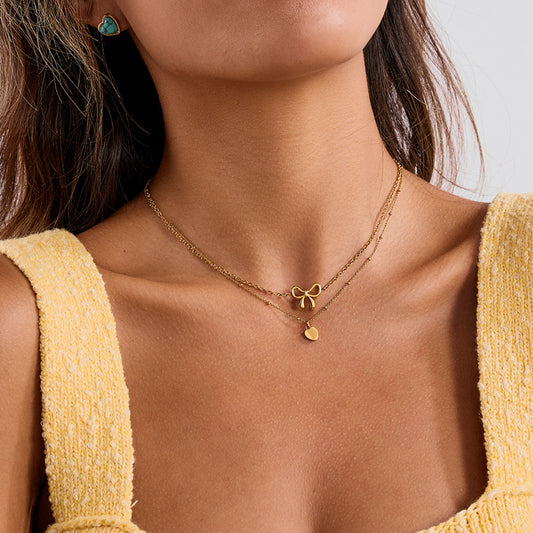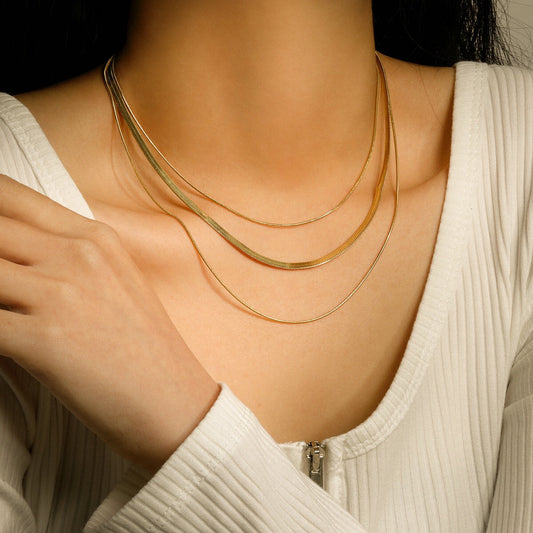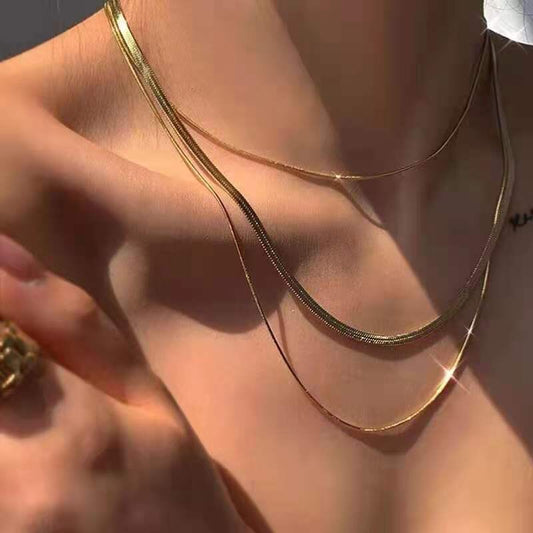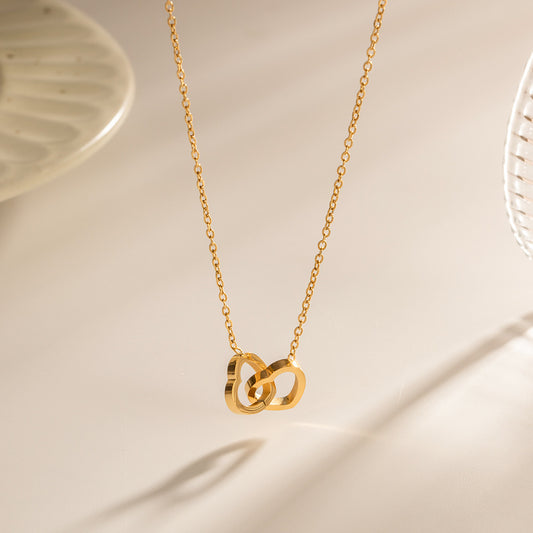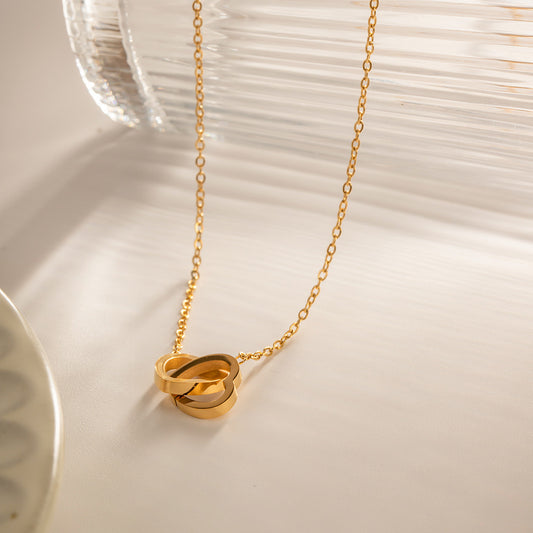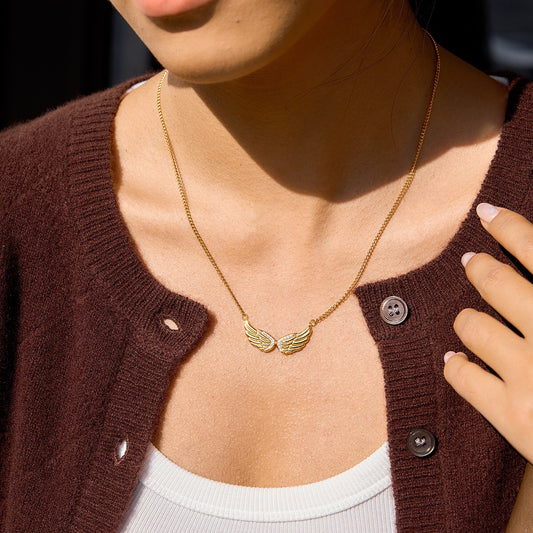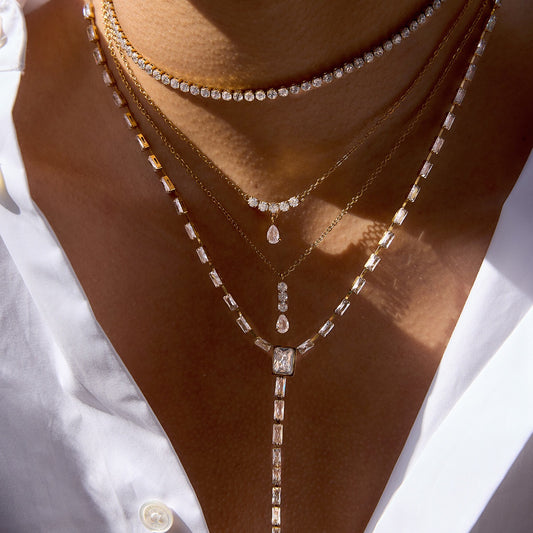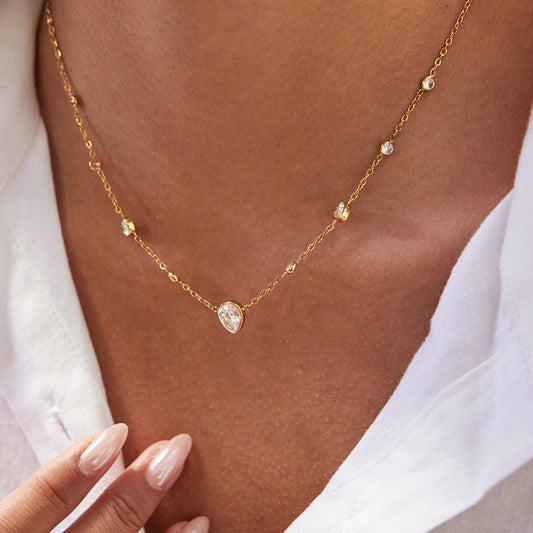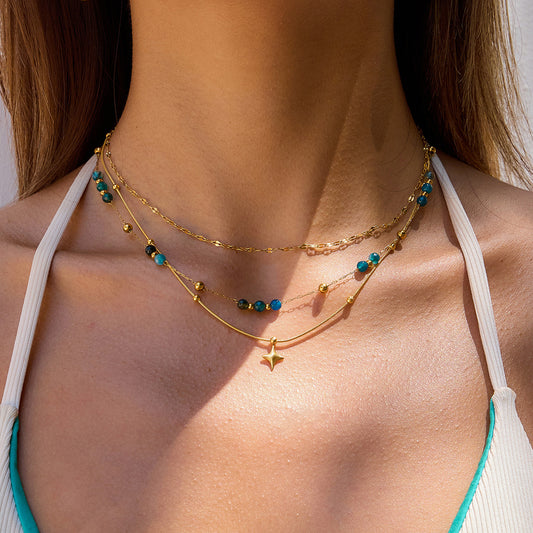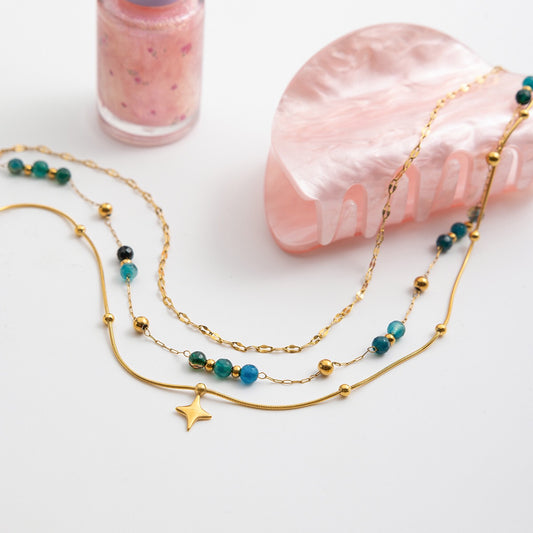

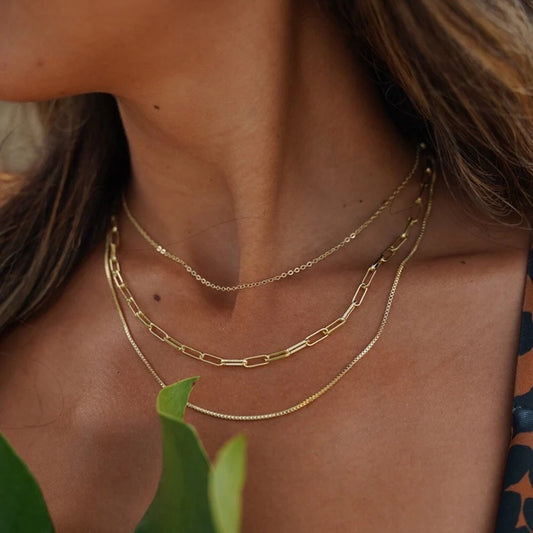


When it comes to selecting fine jewelry, the choice between vermeil or gold is one of the most common dilemmas for shoppers. Both offer a luxurious, warm glow that elevates any outfit, but they differ significantly in composition, durability, price, and value. Jewelry market size was USD 366.79 billion in 2024 and is projected to reach USD 578.45 billion by 2033, growing at a CAGR of 5.3% from 2025 to 2033. According to a 2024 report from the Jewelers of America, gold jewelry remains a top choice for luxury buyers, accounting for 45% of fine jewelry sales, while vermeil has seen a 18% year-over-year growth as a more accessible alternative. Whether you’re shopping for everyday wear, a special occasion, or a meaningful gift, understanding the nuances of vermeil or gold will help you make an informed decision. In this guide, we’ll break down everything you need to know about vermeil and gold, from their definitions to their best uses.

What Is Vermeil? What Is Gold?
Defining Vermeil (Gold Vermeil)
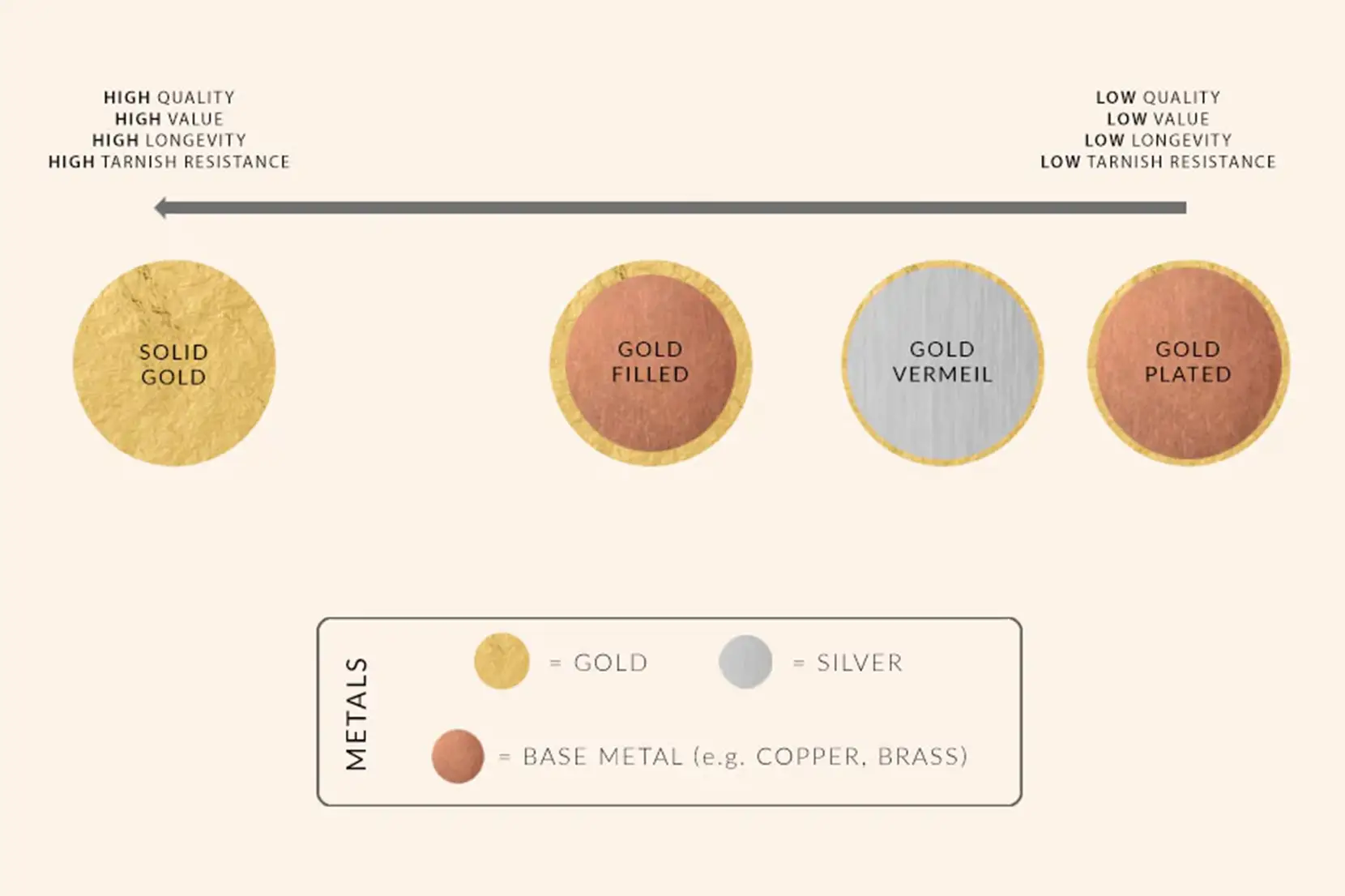
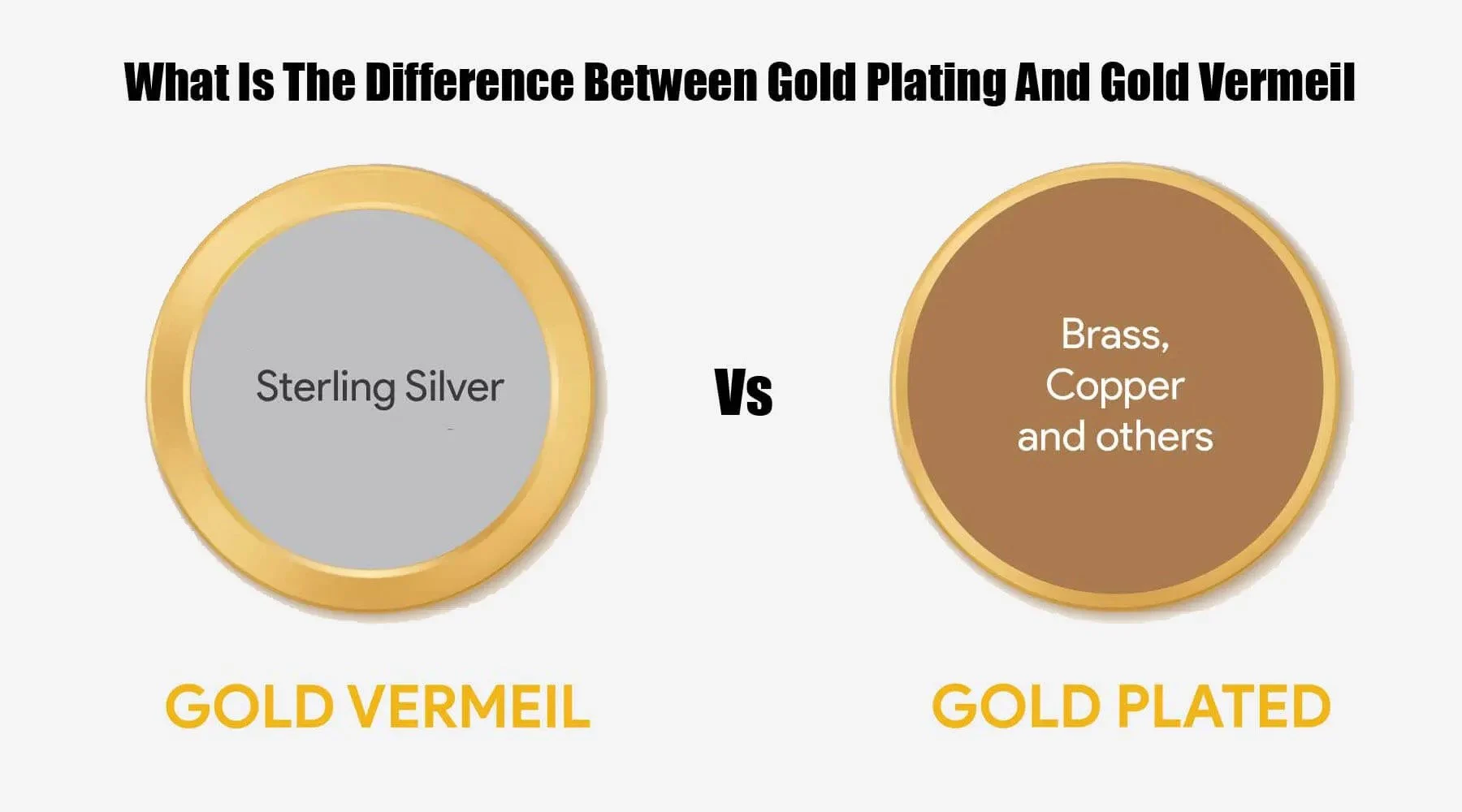
Vermeil—often called "gold vermeil"—is a type of plated jewelry with strict legal definitions in many countries, including the United States. To be classified as vermeil, the piece must have a base metal of sterling silver (92.5% pure silver) and a thick layer of genuine gold plating (at least 2.5 microns thick). The gold used in vermeil is typically 14k, 18k, or 24k, with 18k being the most popular for its balance of color and durability. Unlike cheap gold-plated jewelry (which uses a thin gold layer over base metals like brass or copper), vermeil’s sterling silver base and thick gold layer give it a more luxurious look and longer lifespan.
Defining Gold Jewelry (Solid Gold)
Solid gold jewelry is made entirely of gold alloy, with no base metal. Gold is measured in karats (k), which indicates the purity of the gold: 24k gold is 100% pure gold, 18k is 75% pure gold (mixed with 25% other metals like copper or silver), 14k is 58.3% pure gold, and 10k is 41.7% pure gold. Pure gold is too soft for everyday wear, so the alloy metals are added to strengthen it. Solid gold jewelry is categorized by its karat weight and retains its gold content throughout the piece, making it a long-lasting investment.
Key Differences Between Vermeil or Gold
Composition & Construction
The most fundamental difference between vermeil or gold lies in their composition. Vermeil is a two-part structure: a sterling silver base coated with a thick gold layer. In contrast, solid gold is a single alloy of gold and other metals, with no plating. This means that if vermeil’s gold layer wears off over time, the sterling silver base will become visible, while solid gold will never "wear down" to a different metal—its color and composition are consistent throughout.
Durability & Longevity
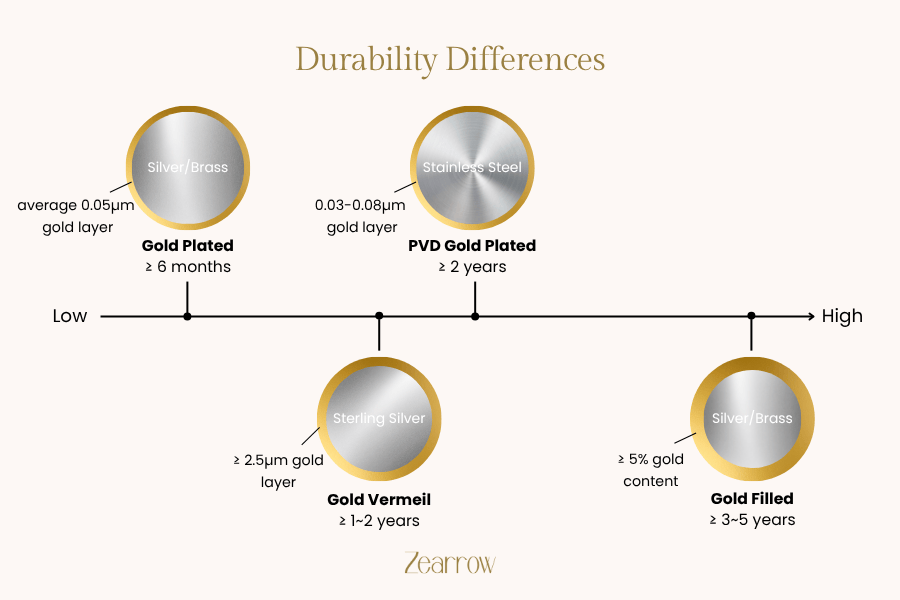
Solid gold is significantly more durable than vermeil. Thanks to its alloy composition, solid gold (especially 14k or 18k) can withstand daily wear, scratches, and exposure to elements (like water or perfume) better than vermeil. Vermeil, while more durable than standard gold plating, will eventually show signs of wear—how quickly depends on how often it’s worn and how well it’s cared for. With proper maintenance, vermeil can last 2-5 years, while solid gold can last a lifetime (and even be passed down as an heirloom).
Price Point
Price is a major differentiator when choosing between vermeil or gold. Vermeil is a more affordable option, as it uses less gold. A vermeil necklace typically ranges from $50-$300, depending on the design and gold karat. Solid gold, on the other hand, is much more expensive due to its high gold content. A 14k gold necklace can cost $500-$2,000, while 18k gold pieces often start at $1,000 and go up to tens of thousands of dollars for intricate designs or large pieces.
Investment Value
Solid gold holds significant investment value because it’s a tangible asset with inherent gold content. The value of solid gold jewelry is tied to the current market price of gold, and it can be resold or melted down for its gold value if needed. Vermeil, however, has minimal investment value—its worth comes primarily from its design and the small amount of gold used in plating. While vermeil is a great way to enjoy the look of gold on a budget, it’s not a long-term investment like solid gold.

When to Choose Vermeil: Best Use Cases
Everyday Casual Wear
Vermeil is an excellent choice for everyday casual wear. Its affordable price means you can own multiple pieces (like necklaces, bracelets, or earrings) to mix and match with different outfits without a large financial commitment. It also offers the luxurious look of gold without the risk of damaging a high-value solid gold piece during daily activities (like commuting, working out, or running errands).
Trendy or Seasonal Pieces
If you love following jewelry trends (like layered necklaces, stackable rings, or statement earrings), vermeil is the perfect option. Trends come and go, so investing in expensive solid gold for a fleeting style doesn’t make sense. Vermeil allows you to experiment with trendy designs at a fraction of the cost, so you can update your jewelry collection seasonally without overspending.
Gifting on a Budget
Vermeil makes a thoughtful gift for birthdays, graduations, or holidays when you want to give something that looks luxurious but don’t have the budget for solid gold. It offers the warm, elegant glow of gold, and the recipient will appreciate the thoughtfulness without knowing the lower price tag. Many vermeil pieces also come with customization options (like engravings), adding a personal touch.
When to Choose Gold: Best Use Cases
Special Occasions & Milestones
Solid gold is ideal for special occasions and milestones, such as engagements, weddings, anniversaries, or significant birthdays (like a 50th). These moments call for a piece that’s timeless, durable, and meaningful—qualities that solid gold embodies. A solid gold engagement ring, wedding band, or pendant will serve as a lasting reminder of the occasion and can be passed down through generations.
Everyday Wear (Long-Term Investment)
If you’re looking for a piece of jewelry to wear every day for years to come (like a classic necklace, a pair of studs, or a wedding band), solid gold is worth the investment. Its durability means it won’t wear down or lose its color, even with constant use. Over time, solid gold jewelry may even increase in value, making it both a functional accessory and a smart investment.
Heirloom Pieces
Solid gold is the top choice for heirloom jewelry. Its longevity and investment value mean it can be passed down from generation to generation, carrying sentimental value and history. Heirloom pieces (like a grandmother’s gold bracelet or a father’s gold watch) are often cherished for decades, and solid gold ensures they remain in good condition for future family members to enjoy.
How to Care for Vermeil or Gold Jewelry
Caring for Vermeil
To extend the lifespan of vermeil jewelry, avoid exposing it to water, chlorine, perfume, lotion, or hairspray—these substances can damage the gold plating. Remove vermeil pieces before showering, swimming, or applying beauty products. After wearing, wipe the jewelry with a soft, dry cloth to remove sweat and oils. Store vermeil in a cool, dry place, preferably in a jewelry box or a sealed plastic bag with an anti-tarnish strip, to prevent tarnishing of the sterling silver base.
Caring for Solid Gold
Solid gold is low-maintenance, but proper care will keep it looking its best. Remove solid gold jewelry before swimming (especially in chlorinated water) or using harsh chemicals (like bleach or cleaning products), as these can damage the metal. Clean solid gold regularly with a solution of warm water and mild dish soap, then gently scrub with a soft-bristled toothbrush. Rinse thoroughly and dry with a soft cloth. Store solid gold in a jewelry box or pouch to prevent scratches.
Vermeil or Gold: Final Decision Guide
In the end, the choice between vermeil or gold comes down to your priorities: budget, durability, investment value, and intended use. If you want the look of gold on a budget, love trendy styles, or need everyday pieces, vermeil is the way to go. If you’re looking for a long-term investment, a piece for a special milestone, or an heirloom to pass down, solid gold is worth the splurge. Remember, there’s no "right" or "wrong" choice—both vermeil and gold offer unique benefits, and the best option is the one that fits your lifestyle and needs.
Vermeil or Gold: Start Building Your Collection Today
Whether you choose vermeil or gold, adding these pieces to your jewelry collection will bring timeless elegance and versatility. Vermeil lets you experiment with style without breaking the bank, while gold offers lasting value and sentimentality. Now that you understand the differences between vermeil or gold, it’s time to start shopping! Browse our curated collection of vermeil and gold jewelry to find the perfect pieces for your style, budget, and occasions. From everyday studs to milestone pendants, we have something for every taste—start exploring today!