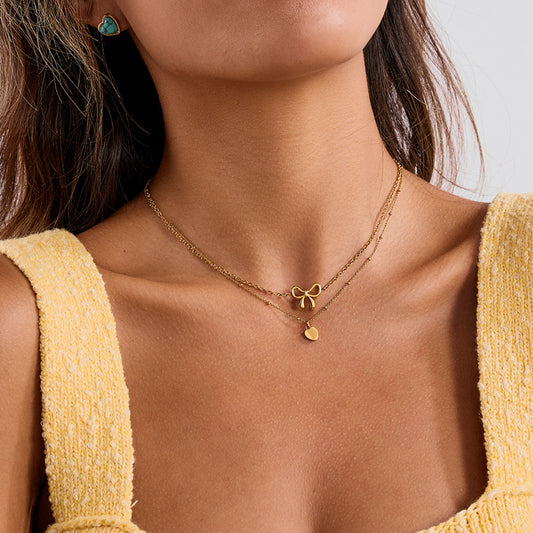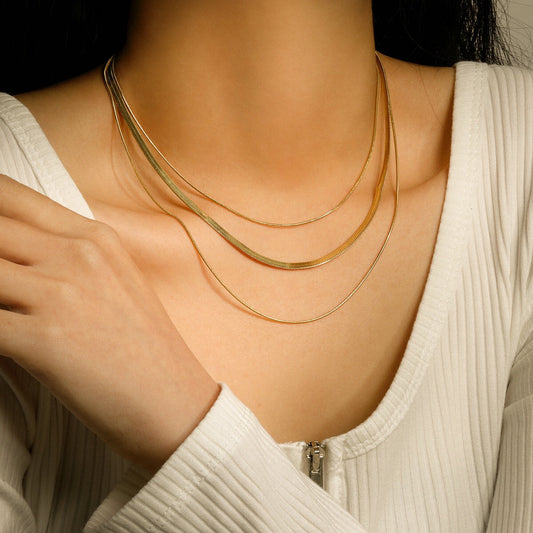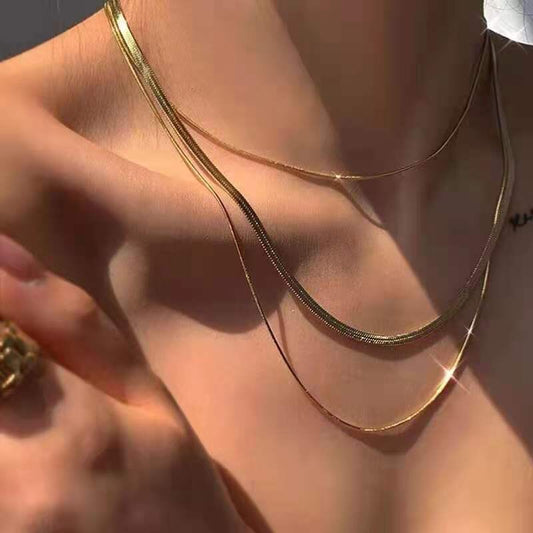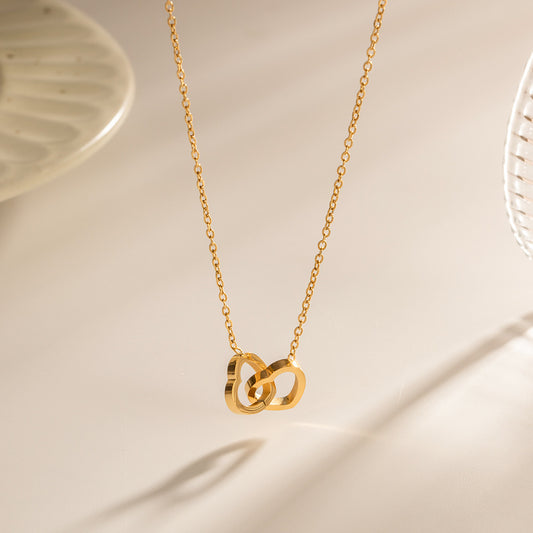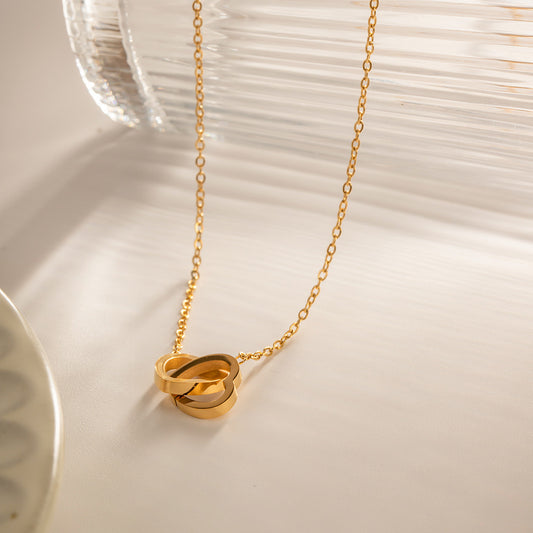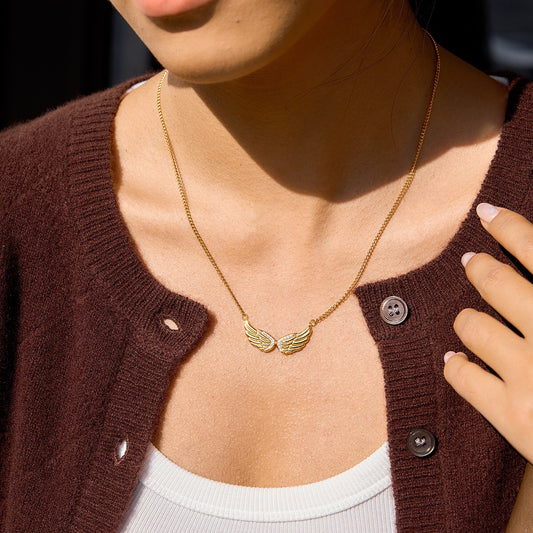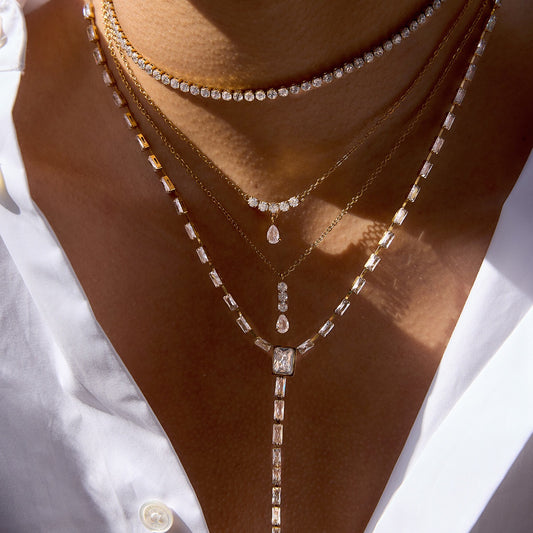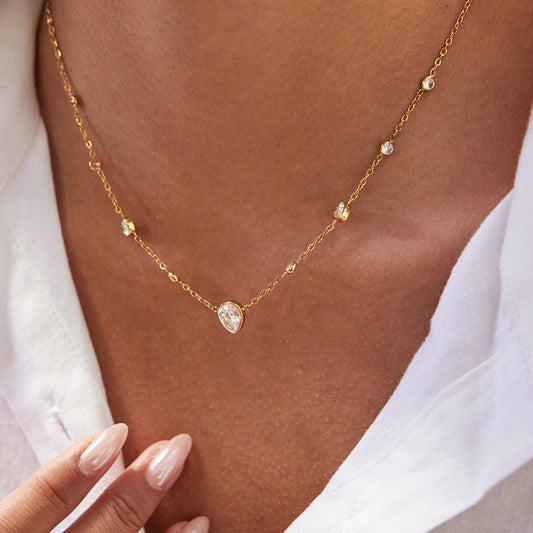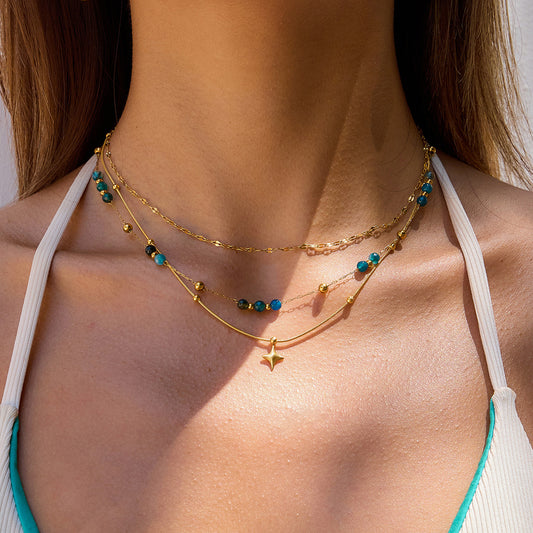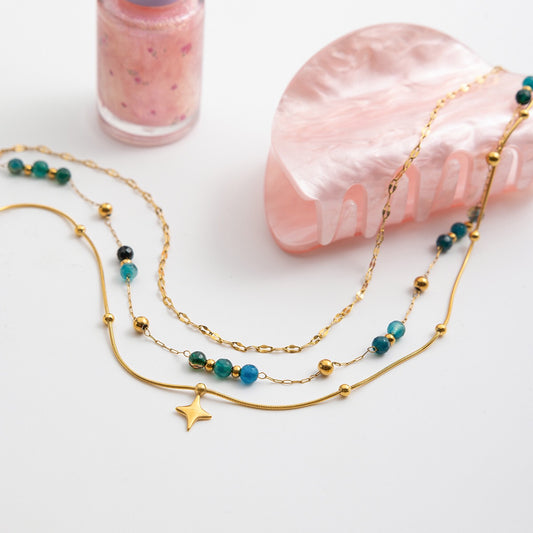

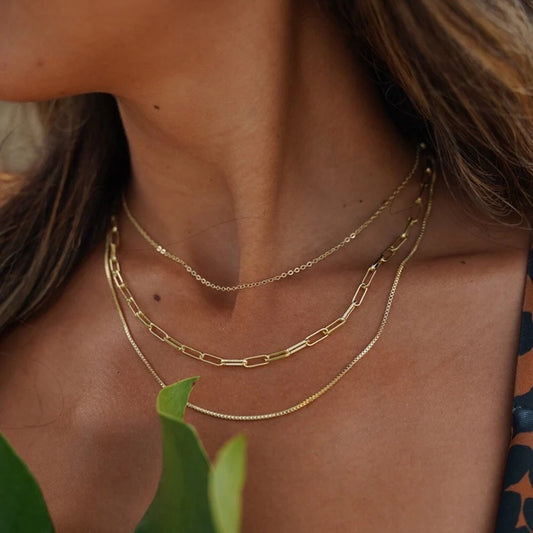
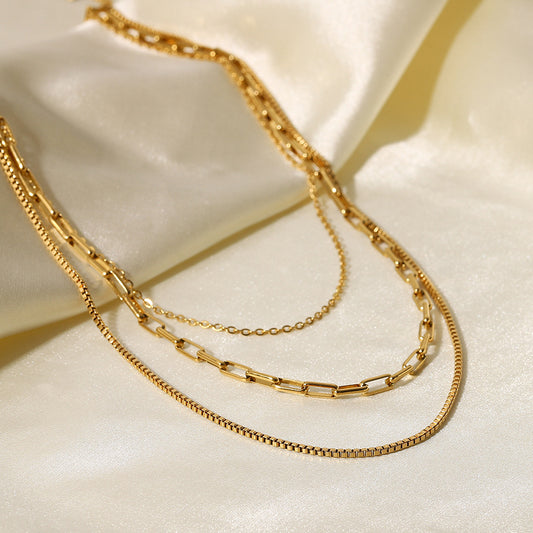
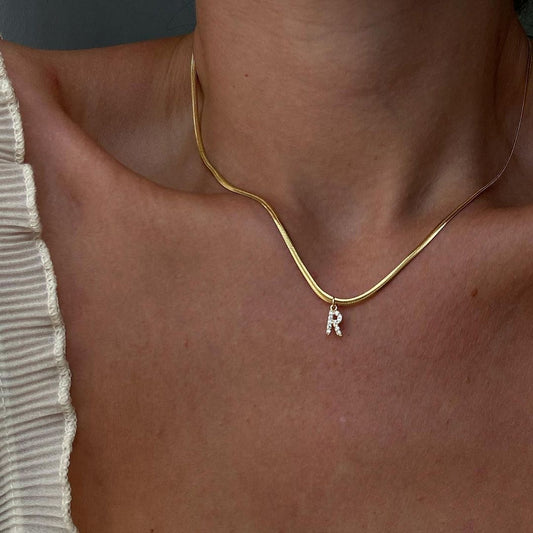
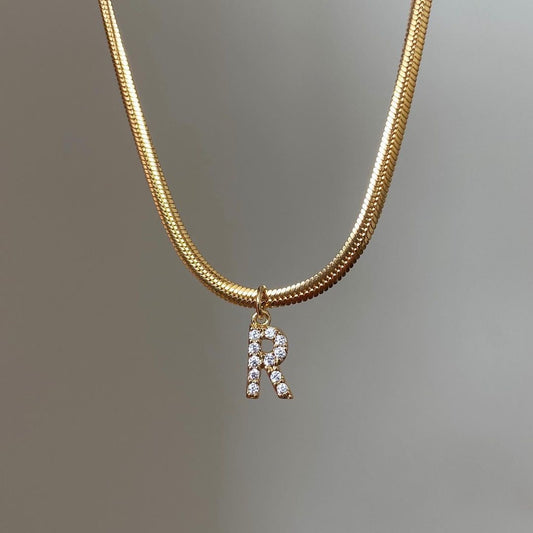


If you’ve ever shopped for gold jewelry, you’ve likely come across the term "gold filled"—but what does gold filled mean, exactly? For many shoppers, this term is confusing, often mixed up with gold plated, gold vermeil, or solid gold. According to our latest research, the Global Gold-Filled Jewelry market size was valued at $3.7 billion in 2024 and is projected to reach $6.8 billion by 2033. According to a 2024 survey by the Jewelers Vigilance Committee, 65% of jewelry buyers struggle to distinguish between gold filled and other gold-related terms, leading to uncertainty about value and quality. Understanding what gold filled means is key to making informed jewelry purchases, whether you’re looking for an affordable alternative to solid gold or a durable everyday accessory. In this comprehensive guide, we’ll break down everything you need to know about gold filled jewelry: its definition, how it’s made, key characteristics, differences from other gold jewelry types, care tips, and more.

What Does Gold Filled Mean, Exactly?
Official Definition of Gold Filled
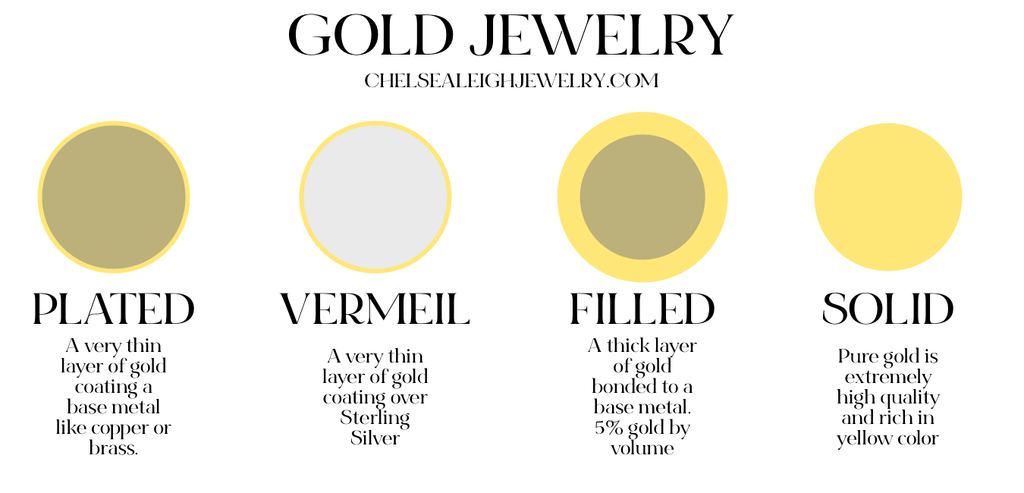
Gold filled (often abbreviated as "GF") refers to a type of jewelry construction where a thick layer of genuine gold is bonded to a base metal core through heat and pressure. Unlike gold plated jewelry (which has a thin, fragile gold layer), gold filled jewelry has a legally mandated gold content: it must contain at least 5% of the total weight in gold. In the United States, the Federal Trade Commission (FTC) enforces strict standards for gold filled jewelry—for a piece to be labeled "gold filled," the gold layer must be at least 1/20th (5%) of the total weight, and the base metal is typically brass or copper (though some use sterling silver). Common gold filled designations include "14k GF" (14 karat gold filled) or "18k GF," indicating the purity of the gold layer.
How Gold Filled Jewelry Is Made
The process of making gold filled jewelry involves several precise steps. First, the base metal (usually brass) is formed into the desired shape (e.g., chain links, pendant bases, bracelet bands). Next, sheets of genuine gold (matching the specified karat, like 14k) are cut to fit the base metal core. The gold sheets and base metal are then heated to a high temperature and pressed together under extreme pressure, creating a permanent bond between the two layers. This bonding process ensures the gold layer adheres tightly to the base metal, making it far more durable than gold plating. Finally, the piece is polished to achieve a smooth, consistent finish that mimics the look of solid gold.
Key Characteristics of Gold Filled Jewelry
Durability and Longevity
One of the most notable characteristics of gold filled jewelry is its durability. The thick gold layer (5% of total weight) is significantly more robust than the thin layer in gold plated jewelry (which is often less than 0.1% gold). With proper care, gold filled jewelry can last 10-30 years, retaining its gold appearance without fading or peeling. Unlike gold plated pieces, which can show the base metal after minimal wear, gold filled jewelry’s gold layer is thick enough to withstand daily use, scratches, and exposure to mild elements (like water or sweat) without deteriorating quickly.
Appearance and Luster
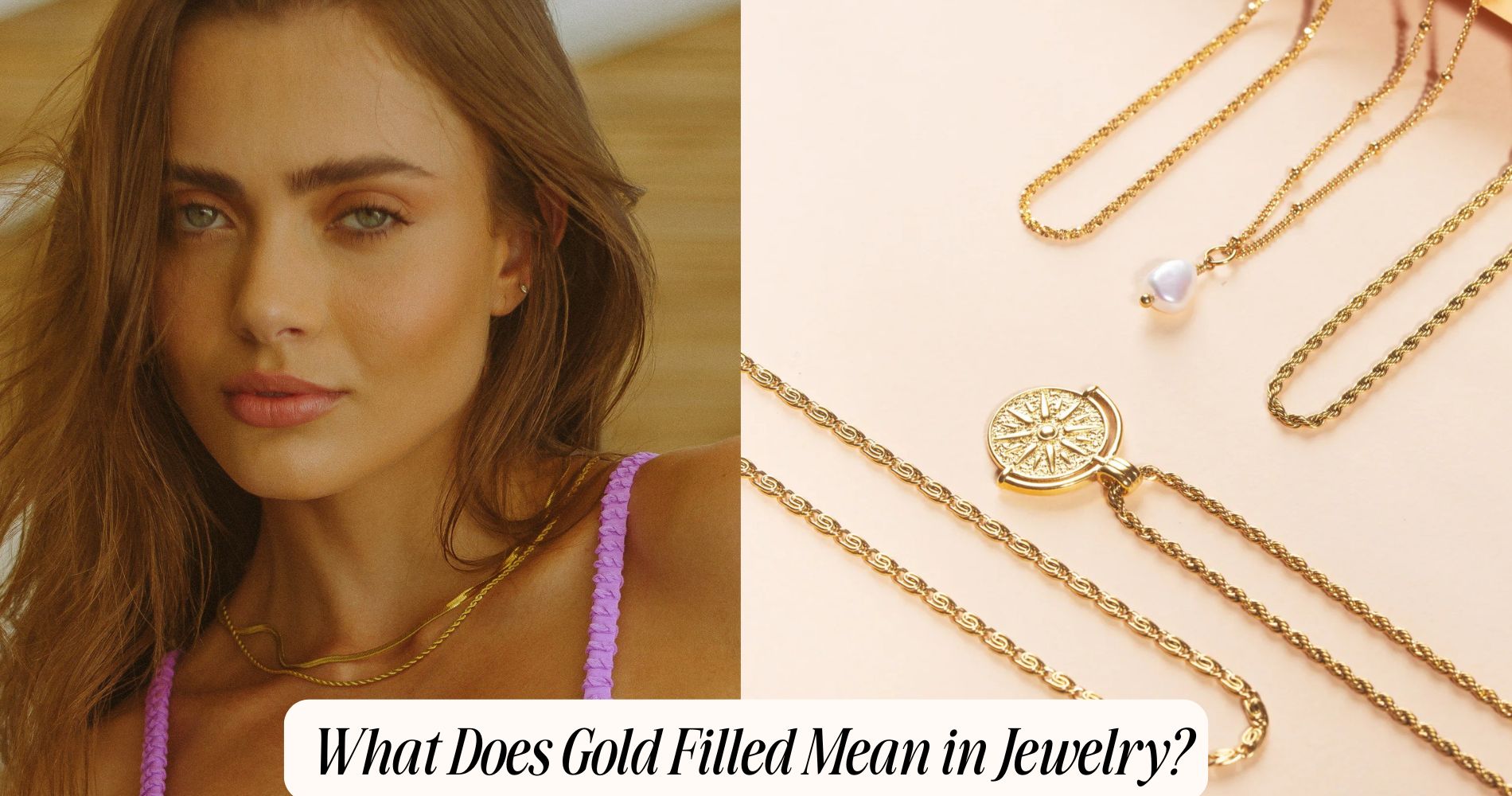
Gold filled jewelry has the same rich, warm luster as solid gold. Since the outer layer is genuine gold, it looks identical to solid gold to the untrained eye—you won’t be able to tell the difference based on appearance alone. This makes gold filled jewelry an excellent affordable alternative for those who love the look of gold but don’t want to pay the premium for solid gold. Gold filled pieces are available in the same gold hues as solid gold, including yellow gold, white gold, and rose gold.
Hypoallergenic Properties (for Most)
For many people, gold filled jewelry is hypoallergenic. The thick gold layer acts as a barrier between the skin and the base metal (which may contain allergens like nickel). This means that if you have a nickel allergy, gold filled jewelry is often a safe choice, as the gold layer prevents the base metal from coming into contact with your skin. However, it’s important to note that some gold filled pieces may have small amounts of nickel in the gold alloy, so those with severe allergies should still test the piece or look for nickel-free gold filled options.
What Does Gold Filled Mean vs. Other Gold Jewelry Terms?
Gold Filled vs. Gold Plated
The biggest difference between gold filled and gold plated is the thickness of the gold layer and the bonding process. Gold plated jewelry has a very thin layer of gold (usually 0.175 microns or less) electroplated onto a base metal, while gold filled has a thick gold layer (at least 5% of total weight) bonded via heat and pressure. This makes gold filled far more durable—gold plated pieces typically last 6-12 months before fading, while gold filled can last decades. Gold filled is also more valuable, as it contains significantly more gold.
Gold Filled vs. Gold Vermeil
Gold vermeil (pronounced "ver-may") is a type of gold plated jewelry with a sterling silver base and a thick gold layer (at least 2.5 microns). While both gold filled and gold vermeil have thicker gold layers than standard gold plating, the key difference is the base metal and gold content. Gold filled uses a brass/copper base and has a minimum 5% gold content, while gold vermeil uses a sterling silver base and has a gold layer measured in microns (not weight percentage). Gold vermeil is often more expensive than gold filled due to the sterling silver base, but gold filled is generally more durable.

Gold Filled vs. Solid Gold
Solid gold jewelry is made entirely of gold alloy (gold mixed with other metals for durability), with no base metal. The main difference between gold filled and solid gold is that gold filled has a base metal core, while solid gold is 100% gold alloy throughout. Solid gold is more valuable and durable (it can last a lifetime and be passed down as an heirloom), but it’s also much more expensive. Gold filled is a more affordable alternative that offers the same appearance as solid gold but does not have the same investment value, as it contains less gold.
How to Care for Gold Filled Jewelry (to Maximize Longevity)
Daily Maintenance Tips
To keep your gold filled jewelry looking its best, practice simple daily maintenance. Remove the jewelry before showering, swimming (especially in chlorinated water), or applying lotion, perfume, or hairspray—these products can damage the gold layer over time. After wearing, wipe the piece with a soft, dry cloth (like a microfiber cloth) to remove sweat, dirt, and oils. Store gold filled jewelry in a cool, dry place, preferably in a jewelry box or a sealed plastic bag with an anti-tarnish strip, to prevent oxidation of the base metal (which can cause discoloration if the gold layer is compromised).

Cleaning Methods for Gold Filled Jewelry
Clean gold filled jewelry using gentle methods to avoid damaging the gold layer. Mix a solution of warm water and mild dish soap (free of harsh chemicals) in a small bowl. Soak the jewelry for 10-15 minutes to loosen dirt and buildup. Gently scrub the piece with a soft-bristled toothbrush (focus on crevices like chain links or settings). Rinse thoroughly with warm water and dry immediately with a soft cloth. Avoid using harsh cleaners (like ammonia or bleach), ultrasonic cleaners, or abrasive materials (like steel wool), as these can scratch or wear away the gold layer.
Is Gold Filled Jewelry Worth It?
Gold filled jewelry is absolutely worth it for most shoppers. It offers the perfect balance of affordability, durability, and appearance—providing the look of solid gold at a fraction of the price. It’s an excellent choice for everyday wear, as it can withstand daily use without fading or peeling. Gold filled is also a great option for those who want to avoid the high cost of solid gold but still want a high-quality, long-lasting accessory. While it doesn’t have the same investment value as solid gold, gold filled jewelry retains its value better than gold plated and is a smart choice for anyone looking for a durable, stylish gold accessory on a budget.
What Does Gold Filled Mean for Your Jewelry Collection?
In conclusion, understanding what gold filled means helps you make smarter jewelry purchases and build a collection that balances style, durability, and budget. Gold filled jewelry is a high-quality alternative to solid gold, offering a thick, durable gold layer that looks identical to solid gold and lasts for decades. It’s distinct from gold plated, gold vermeil, and solid gold in terms of construction, gold content, and value—making it a versatile choice for everyday wear, special occasions, or gifting. By following proper care tips, you can keep your gold filled jewelry looking beautiful for years to come. Now that you know what gold filled means, why not explore our collection of gold filled jewelry? From dainty chains to statement pendants, we have a wide range of gold filled pieces to elevate your style without breaking the bank. Shop now and discover the durability and beauty of gold filled jewelry!